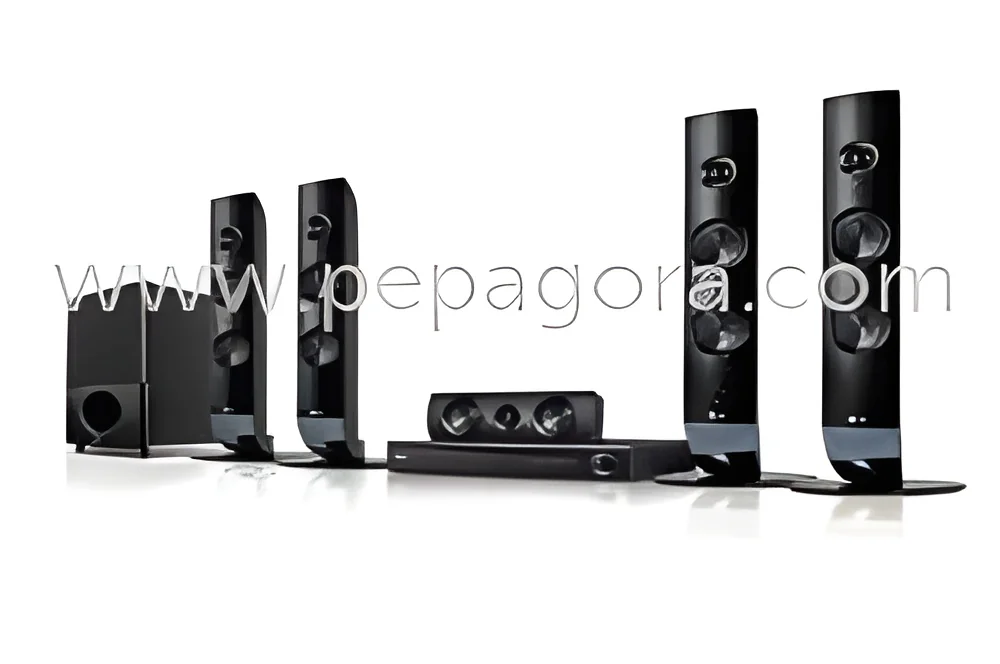
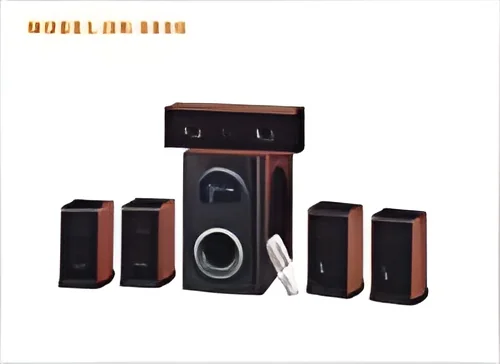
What are Home Theater Systems?
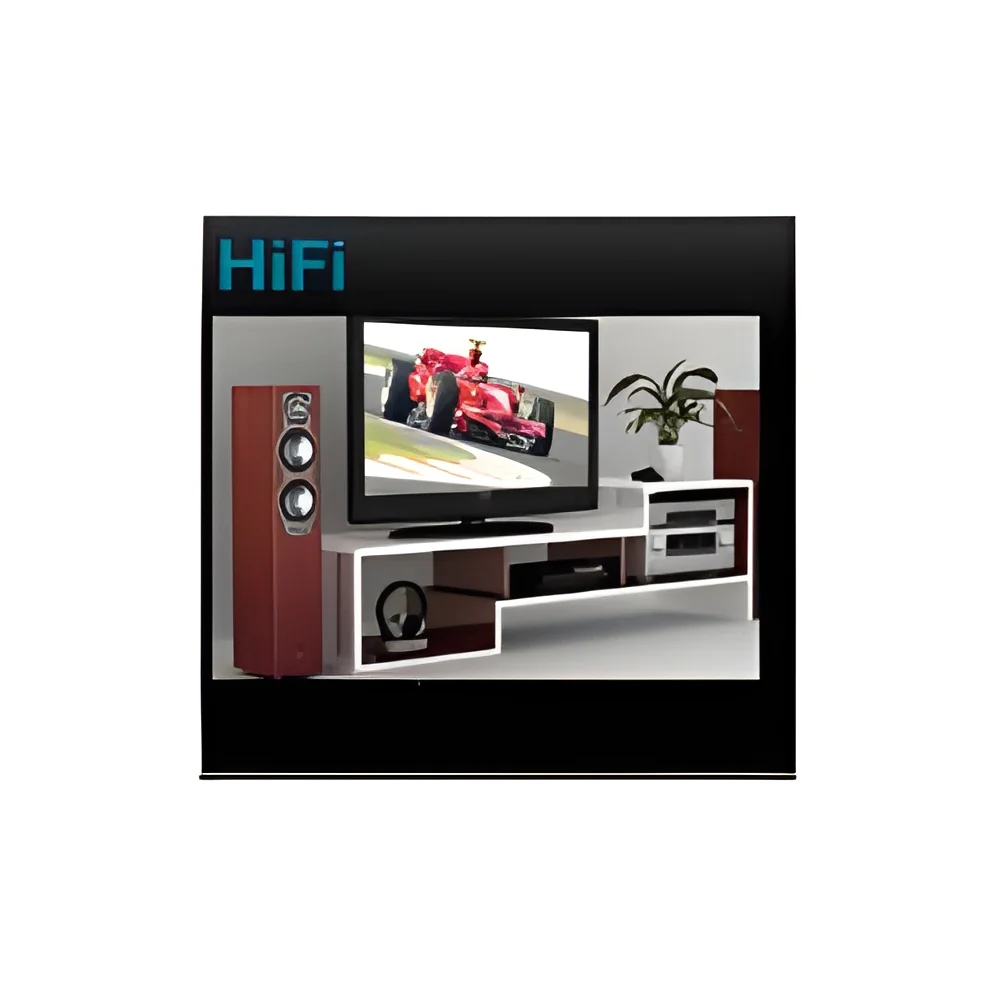
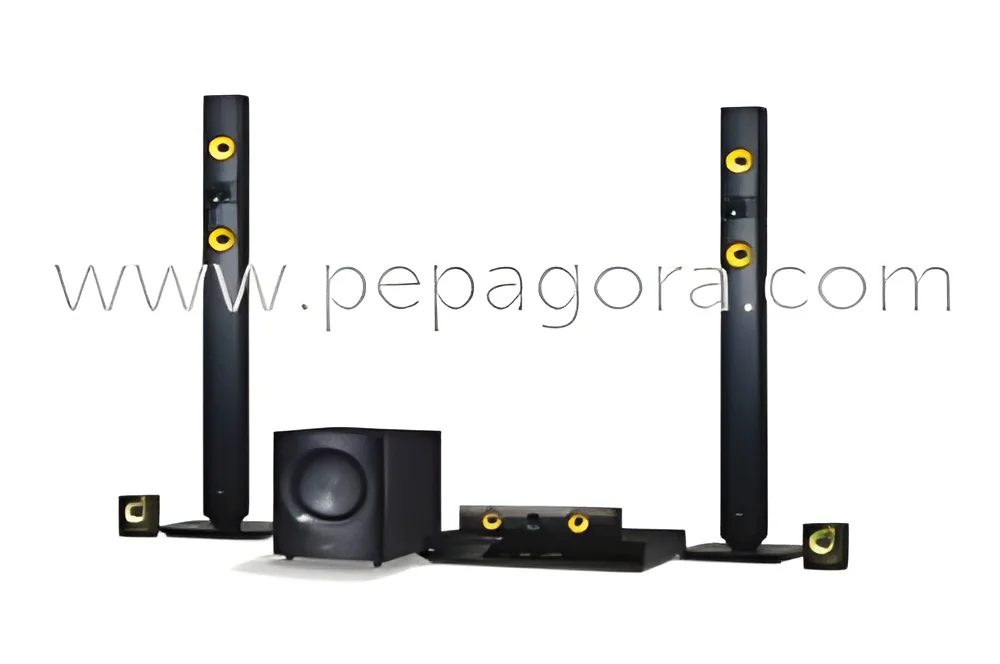
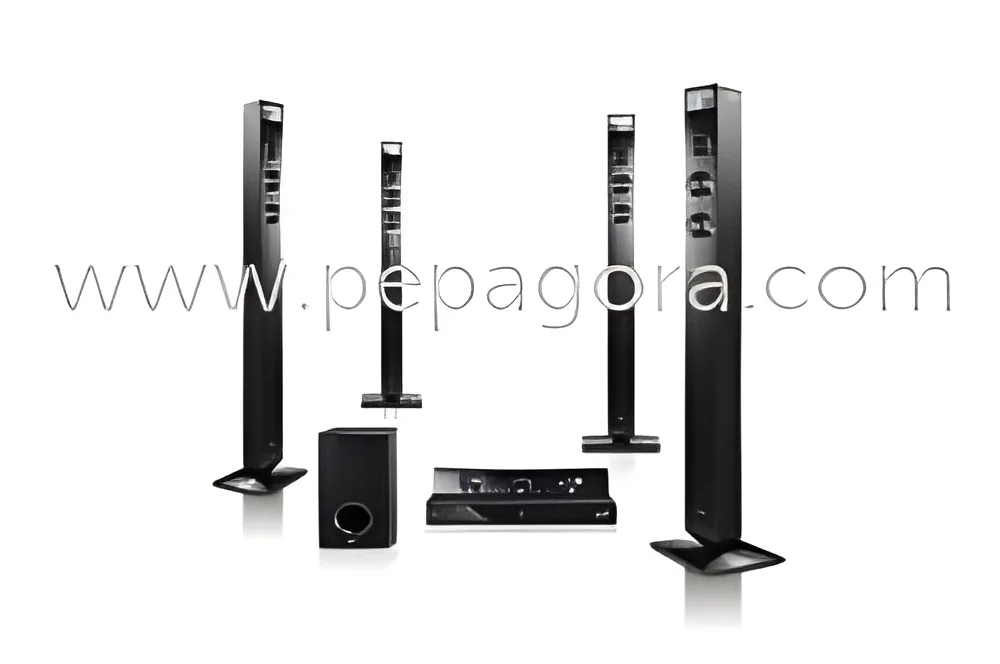
Home theater systems are integrated audio and video systems designed to replicate a cinema-like experience in a home environment. These systems typically consist of multiple components, including a television or projector, surround sound speakers, a receiver, and various playback devices such as Blu-ray players or streaming devices. They aim to enhance the audiovisual experience by providing high-quality sound and visual clarity, making them popular among consumers who enjoy watching movies, playing video games, or listening to music at home.
In the business context, home theater systems are increasingly used in commercial applications such as conference rooms, training facilities, and entertainment venues. These systems can facilitate presentations, video conferencing, and events that require high-quality audio-visual equipment. As more companies prioritize multimedia presentations and immersive experiences, the demand for effective home theater systems continues to grow, reflecting broader trends in the consumer electronics market.
Key Features and Specifications
Home theater systems come with a variety of features and specifications that cater to different user needs. Understanding these specifications is essential for selecting the right system for your requirements.
Key specifications include:
1. Audio Channels
- Most systems feature 5.1 or 7.1 channel configurations.
- These channels indicate the number of speakers and subwoofers, enhancing surround sound.
2. Power Output
- Systems vary in power output, typically ranging from 50 to 1000 watts.
- Higher wattage indicates better sound performance and coverage.
3. Connectivity Options
- Common interfaces include HDMI, optical, and Bluetooth.
- These options enable seamless integration with various devices.
4. Video Resolution
- Systems often support resolutions such as 4K and HDR.
- High resolution provides clearer and more vibrant images.
5. Speaker Type
- Types include floor-standing, bookshelf, and in-wall speakers.
- Each type offers different sound dispersion and aesthetic options.
6. Receiver Features
- Receivers may include built-in streaming capabilities and multiple inputs.
- Advanced receivers also support various audio formats for enhanced sound quality.
7. Remote Control
- Many systems come with programmable remote controls for ease of use.
- Some systems offer mobile app control for added convenience.
8. Size and Design
- Systems are available in various sizes to fit different spaces.
- Design aesthetics can range from modern to classic, catering to different tastes.
In summary, selecting the right home theater system involves understanding its key features and specifications to ensure it aligns with user needs and application scenarios.
Common Applications and Use Cases
Home theater systems have a diverse range of applications across various industries.
1. Residential: These systems are primarily used in homes for entertainment purposes, providing a cinematic experience for movie watching, gaming, and music playback.
2. Corporate: In business environments, home theater systems are utilized for presentations, video conferencing, and employee training sessions, enhancing communication and engagement.
3. Education: Schools and universities employ these systems in classrooms and auditoriums for lectures, film screenings, and interactive learning experiences.
4. Hospitality: Hotels and restaurants use home theater systems to create entertainment areas for guests, improving the overall guest experience.
5. Retail: Retail spaces may integrate home theater systems for product demonstrations or promotional events, attracting customer attention and enhancing engagement.
6. Events: Event organizers use these systems for live performances, conferences, and exhibitions, ensuring high-quality audio and visual experiences.
7. Fitness Centers: Many fitness centers incorporate home theater systems in group exercise classes, providing motivating audiovisual content for participants.
Product Variants and Subcategories
Home theater systems come in various configurations and designs to suit different preferences and requirements.
All-in-One Systems
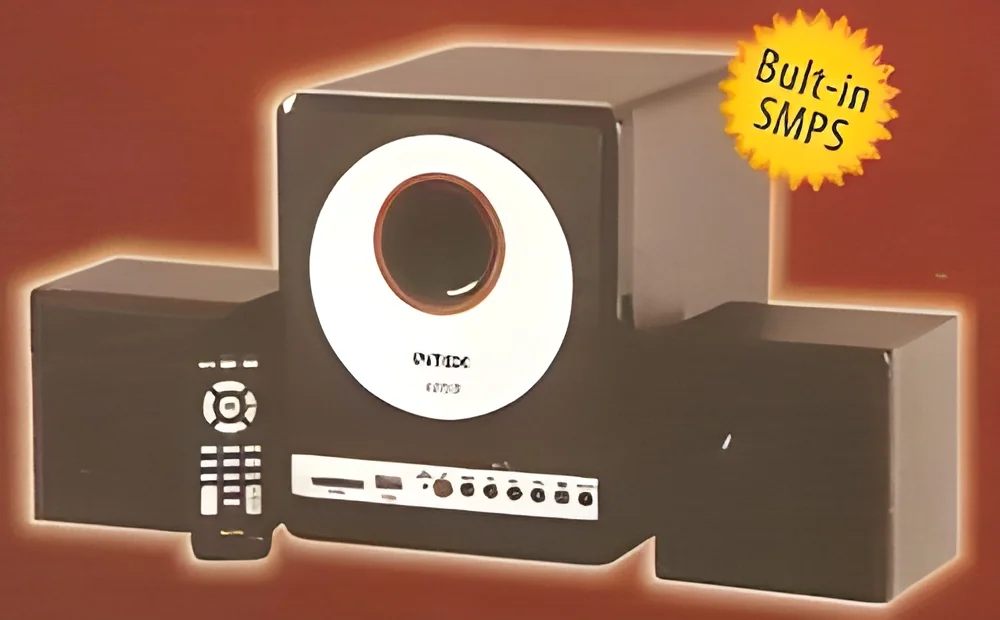
These systems combine speakers and a receiver in one unit, offering a compact solution for users with limited space. They are user-friendly and ideal for casual movie watchers.
Component Systems
Component systems allow for greater customization, as users can select individual components such as speakers, receivers, and displays. This flexibility caters to audiophiles and serious home theater enthusiasts.
Soundbars
Soundbars provide a sleek and space-efficient alternative to traditional surround sound systems. They are often used in smaller spaces and can deliver impressive sound quality without the complexity of multiple speakers.
Wireless Systems
These systems eliminate the need for extensive wiring, making installation easier. Wireless speakers and receivers can connect via Wi-Fi or Bluetooth, providing versatility and convenience.
Benefits and Advantages
Investing in a home theater system offers numerous benefits for both personal and business use.
1. Enhanced Audio-Visual Experience: Users enjoy superior sound and picture quality, making entertainment more immersive and enjoyable.
2. Increased Engagement: In business settings, high-quality audio-visual systems can enhance presentations and training sessions, keeping audiences engaged.
3. Customization Options: Users can tailor home theater systems to their specific needs, choosing components and configurations that suit their space and preferences.
4. Versatility: Home theater systems can adapt to various applications, from casual movie nights to professional presentations and events.
5. Convenience: Many systems come with user-friendly features such as remote controls and mobile app connectivity, simplifying operation.
6. Increased Property Value: A well-designed home theater can add value to residential properties, appealing to potential buyers.
Buying Guide for B2B Buyers
When considering the purchase of home theater systems for business use, several factors should be taken into account.
1. Quality Assessment: Evaluate the quality of audio and video output, as well as the durability of the components. Look for systems that meet industry standards for performance.
2. Supplier Verification: Research suppliers to ensure they are reputable and provide high-quality products. Check for customer reviews and ratings.
3. Pricing and MOQ: Consider the price range of different systems and inquire about minimum order quantities. Seek quotes from multiple suppliers to find the best deal.
4. Delivery and Lead Times: Assess the supplier's delivery capabilities and lead times to ensure timely procurement for your project.
5. Compliance Requirements: Ensure that the systems meet any necessary regulatory standards and certifications, which may vary by region and industry.
Compliance and Certifications
Home theater systems must adhere to relevant quality standards and certifications to ensure safety and performance.
ISO 9001 is a widely recognized standard for quality management systems. Products that meet this standard demonstrate a commitment to quality and continuous improvement.
The CE marking indicates compliance with European health, safety, and environmental protection standards. This certification is essential for products sold within the European Union.
Safety and testing requirements may vary depending on the region and intended use. It is crucial to verify that the home theater systems comply with local regulations.
Regional compliance considerations should also be factored in, as different countries may have specific requirements that manufacturers must meet.
Why Source Home Theater Systems from Pepagora?
Pepagora offers a reliable platform for businesses seeking to source home theater systems with several advantages.
Verified Supplier Network: Pepagora connects buyers with a network of verified suppliers, ensuring product quality and reliability. This reduces the risk associated with sourcing from unknown vendors.
Streamlined RFQ Process: The platform simplifies the request for quotation process, allowing buyers to easily compare prices and specifications from multiple suppliers. This efficiency saves time and aids in making informed purchasing decisions.
Trade Assurance and Support: Buyers benefit from trade assurance policies that protect their investments. Pepagora provides support throughout the purchasing process, enhancing buyer confidence.
Regional Coverage: With a strong presence in India, the GCC, and Southeast Asia, Pepagora ensures that businesses can access home theater systems tailored to their regional needs, facilitating smooth transactions and logistics.

 IN
IN