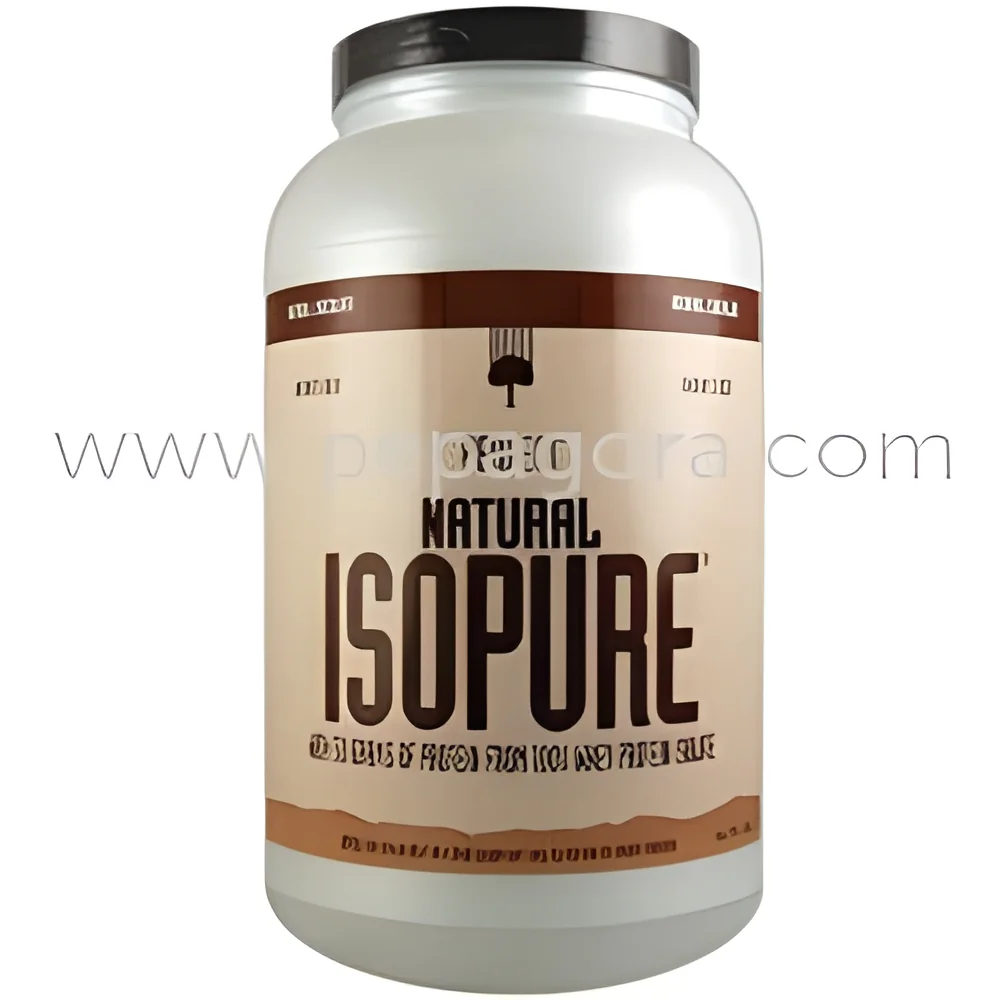
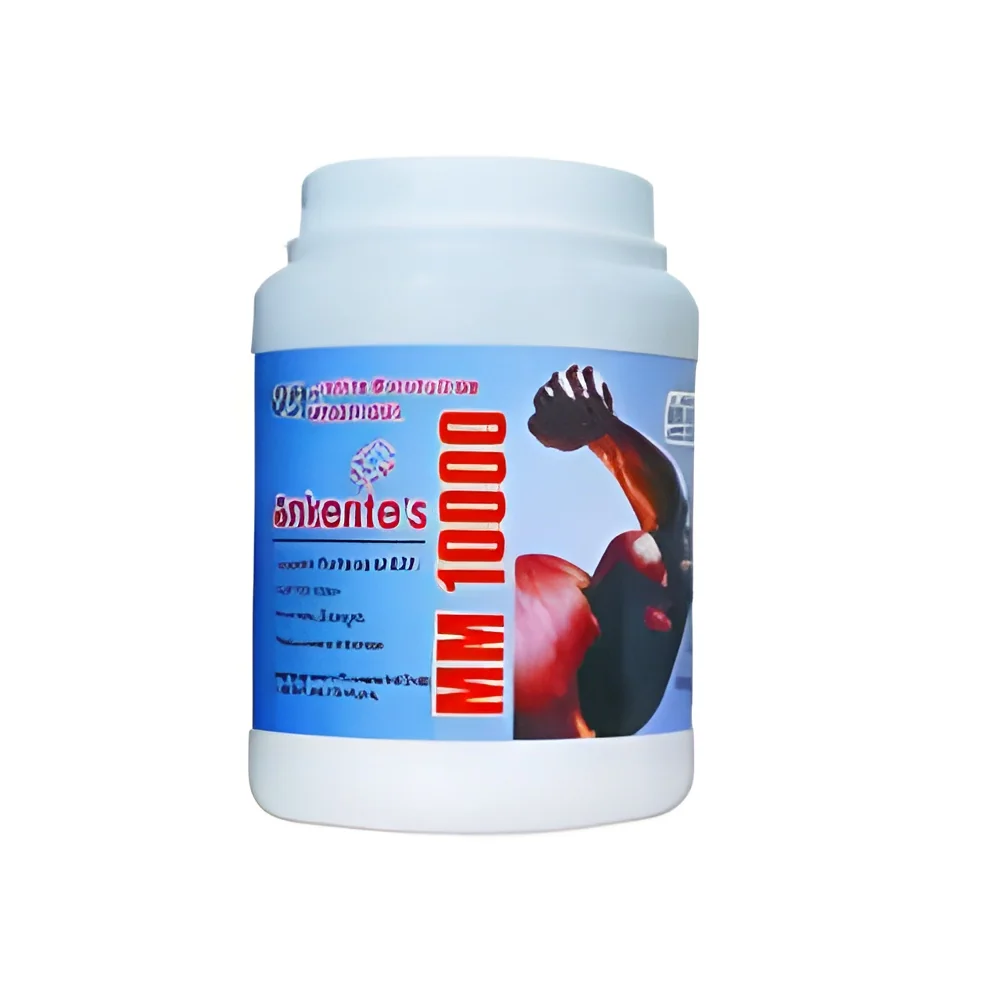
What are Private Label Sports Nutrition?
Private label sports nutrition refers to products that are manufactured by one company but branded and sold under the name of another company. This strategy allows businesses to offer customized nutritional supplements without investing in manufacturing facilities. By leveraging private label options, companies can expand their product lines and cater to specific customer needs, enhancing their market presence.
These products are primarily used in the health and fitness industry, targeting athletes, fitness enthusiasts, and consumers seeking dietary supplements. Businesses can create unique formulations that align with their brand identity, addressing various nutritional requirements such as protein intake, energy enhancement, and muscle recovery. As the demand for personalized nutrition continues to grow, private label sports nutrition offers a strategic avenue for businesses to capitalize on emerging trends.
The relevance of private label sports nutrition is underscored by the increasing consumer awareness around health and wellness. The industry is experiencing significant growth, driven by a rising focus on fitness and nutrition. Companies that offer private label products can effectively tap into this expanding market, providing tailored solutions that meet consumer preferences and regulatory standards.
Key Features and Specifications
Private label sports nutrition products come with a variety of features and specifications that cater to diverse consumer needs. Understanding these specifications is essential for businesses looking to source or develop their own private label products.
Key specifications include:
1. Product Composition
- Details the blend of ingredients, including proteins, vitamins, minerals, and other active compounds.
- Often ranges from plant-based to whey protein sources.
2. Flavor Options
- Offers a variety of flavors to enhance palatability.
- Standard options include chocolate, vanilla, berry, and unflavored variants.
3. Packaging Sizes
- Available in various packaging formats to suit different markets.
- Common sizes include single servings, 1 lb, and bulk quantities.
4. Nutritional Information
- Comprehensive data on calories, macronutrients, and micronutrients per serving.
- Typically aligns with regulatory labeling requirements.
5. Shelf Life
- Indicates the product's durability under specified storage conditions.
- Generally ranges from 12 to 24 months.
6. Compliance with Standards
- Adherence to industry regulations such as GMP (Good Manufacturing Practices).
- Ensures product safety and efficacy.
7. Customization Options
- Ability to modify formulations based on specific client requests.
- Tailored branding and labeling possibilities.
8. Certifications
- Availability of industry certifications like CE.
- May include organic or non-GMO certifications depending on the product.
In summary, understanding the key features and specifications of private label sports nutrition is crucial for businesses seeking to provide quality products that meet customer demands and regulatory standards.
Common Applications and Use Cases
Private label sports nutrition products serve various industries, providing tailored solutions to meet specific needs.
1. Fitness Centers: Many gyms and fitness studios offer private label supplements to their members, enhancing brand loyalty and providing convenient nutrition options post-workout.
2. Health Food Stores: These retailers often stock private label sports nutrition products, allowing them to offer unique formulations that may not be available from larger brands.
3. Online Retailers: E-commerce platforms frequently utilize private label sports nutrition to optimize their product offerings and cater to niche markets.
4. Sports Teams: Professional and amateur sports teams may opt for private label solutions to provide athletes with customized nutrition that aligns with their training regimens.
5. Corporate Wellness Programs: Companies implementing wellness initiatives may provide private label sports nutrition options to promote employee health and productivity.
6. Supplement Retailers: Specialty shops focused on dietary supplements often develop private label lines to differentiate themselves in a competitive market.
7. Nutritionists and Dieticians: Professionals in the health field may recommend or create private label products tailored to their clients' dietary needs.
Product Variants and Subcategories
Private label sports nutrition includes a diverse range of product variants to meet varying consumer preferences and dietary requirements.
Protein Powders: These products come in different formulations, such as whey, casein, or plant-based proteins. They cater to athletes seeking muscle recovery and growth.
Energy Bars: Convenient snacks designed for on-the-go energy. They often contain a balance of carbohydrates, proteins, and healthy fats.
Pre-Workout Supplements: Formulated to enhance energy, focus, and endurance during workouts. They typically include stimulants and amino acids.
Recovery Drinks: These are designed to aid in muscle recovery post-exercise, often containing electrolytes, proteins, and carbohydrates.
Meal Replacement Shakes: Ideal for those looking to replace a meal with a nutritious option, these shakes provide a balanced mix of nutrients.
Benefits and Advantages
Private label sports nutrition offers numerous benefits for businesses looking to enter or expand in the health and fitness market.
Key benefits include:
1. Brand Differentiation: Companies can create unique product lines that stand out from competitors, enhancing brand identity.
2. Customization: The ability to tailor products to specific consumer demands allows for greater market appeal.
3. Cost Efficiency: By outsourcing production, businesses can reduce overhead costs associated with manufacturing.
4. Rapid Market Entry: Private label options enable quicker product launches, helping businesses respond to market trends.
5. Quality Control: Partnering with reputable manufacturers ensures adherence to quality standards and regulatory compliance.
6. Increased Profit Margins: Selling private label products often yields higher profit margins compared to reselling established brands.
Buying Guide for B2B Buyers
Sourcing private label sports nutrition requires careful consideration to ensure the selection of quality products and reliable suppliers.
When sourcing Private Label Sports Nutrition, consider the following factors:
1. Quality Assessment: Evaluate the quality of ingredients and the production process. Look for certifications that verify adherence to industry standards.
2. Supplier Verification: Conduct thorough research on potential suppliers. Check for their experience, reputation, and compliance with regulations.
3. Pricing and MOQ: Understand the pricing structure and minimum order quantities. This information is crucial for budgeting and inventory management.
4. Delivery and Lead Times: Assess the supplier's ability to meet delivery schedules. Timely delivery is critical for maintaining stock levels.
5. Compliance Requirements: Ensure that the products meet all necessary regulatory requirements for your target market, including labeling and safety standards.
Compliance and Certifications
Compliance and certifications are essential aspects of private label sports nutrition, ensuring product safety and quality.
Relevant quality standards include ISO 9001, which outlines effective quality management systems, and HACCP (Hazard Analysis Critical Control Point), which focuses on food safety. Ensuring compliance with these standards is vital for maintaining product integrity.
Industry certifications such as CE signify that products meet European safety requirements. This certification is particularly important for companies looking to sell in international markets.
Safety and testing requirements are paramount, as they confirm that products are free from harmful substances and meet specified nutritional claims. Regular testing ensures ongoing compliance with industry standards.
Regional compliance considerations vary by market. Businesses must familiarize themselves with local regulations governing dietary supplements to avoid legal issues and ensure marketplace acceptance.
Why Source Private Label Sports Nutrition from Pepagora?
Pepagora provides a trusted platform for sourcing private label sports nutrition with several key advantages that benefit B2B buyers.
Verified Supplier Network: Pepagora partners with a wide range of verified suppliers, ensuring that buyers have access to quality products and reputable manufacturers.
Streamlined RFQ Process: The request for quotation process is efficient, allowing businesses to quickly receive competitive pricing and product information from multiple suppliers.
Trade Assurance and Support: Buyers are protected through trade assurance measures, which help secure transactions and foster trust between buyers and suppliers.
Regional Coverage: Pepagora offers extensive geographic reach, serving clients in India, the GCC, and Southeast Asia. This broad coverage helps businesses tap into diverse markets and consumer bases.
In summary, sourcing private label sports nutrition from Pepagora provides significant advantages that enhance business opportunities and ensure product quality.

 IN
IN