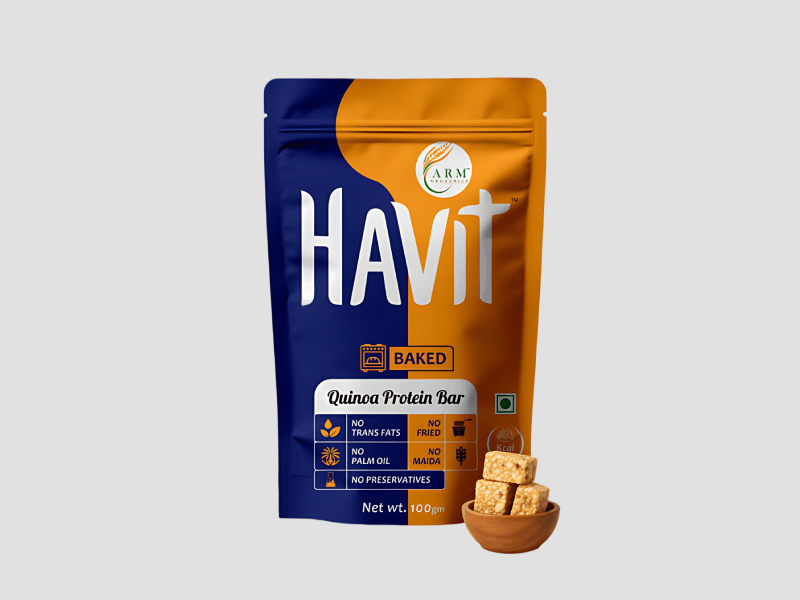
What are Energy Bars & Protein Bars?
Energy bars and protein bars are convenient snack options designed to provide a quick boost of energy or an additional source of protein. Energy bars typically combine carbohydrates, fats, and proteins to deliver sustained energy, making them ideal for athletes and individuals on the go. Protein bars, on the other hand, focus primarily on higher protein content, catering to those looking to build muscle or incorporate more protein into their diet.
These products find extensive use in various business applications, including fitness centers, health food stores, and corporate wellness programs. They are popular among athletes, busy professionals, and health-conscious consumers. The energy bar and protein bar market is rapidly expanding, driven by increasing health awareness and a growing demand for convenient, nutritious snacks. As a result, businesses in the food and beverage sector are increasingly focusing on these products to meet consumer needs.
The energy and protein bar industry is relevant in today's market context, as consumers seek healthier alternatives to traditional snacks. With a diverse range of flavors and formulations available, these bars cater to various dietary preferences and restrictions, making them a versatile addition to health-oriented product lines.
Key Features and Specifications
Energy bars and protein bars come with a variety of features and specifications that cater to different consumer needs. Understanding these specifications is crucial for businesses looking to source these products effectively.
Key specifications include:
1. Nutritional Content
- Energy bars typically contain carbohydrates, proteins, and fats in varying ratios.
- Protein bars often have a higher percentage of protein, ranging from 15 to 30 grams per bar.
2. Ingredients
- Common ingredients include oats, nuts, seeds, and sweeteners.
- Some bars may be gluten-free, vegan, or contain added vitamins and minerals.
3. Shelf Life
- Most energy and protein bars have a shelf life of 6 to 12 months.
- Proper storage conditions can extend longevity.
4. Caloric Value
- Energy bars usually range from 150 to 300 calories per serving.
- Protein bars can vary widely, often ranging from 200 to 400 calories.
5. Flavor Varieties
- Available in a wide range of flavors, including chocolate, peanut butter, and fruit-based options.
- Seasonal and limited-edition flavors may also be offered.
6. Packaging Options
- Bars can be individually wrapped or sold in bulk packaging.
- Eco-friendly packaging is becoming more popular among consumers.
7. Allergen Information
- Many bars are manufactured with potential allergens in mind, such as nuts and dairy.
- Clear labeling is essential for consumer safety.
In summary, understanding the key features and specifications of energy bars and protein bars allows businesses to make informed decisions when selecting products for their offerings.
Common Applications and Use Cases
Energy bars and protein bars serve a wide range of industries and applications, making them versatile products for various markets.
1. Fitness Industry: Gyms and fitness centers often stock these bars to provide quick nutrition for workout enthusiasts. They serve as a convenient post-workout snack.
2. Health Food Retail: Health food stores feature energy and protein bars as essential items for health-conscious consumers seeking nutritious options.
3. Corporate Wellness Programs: Companies often include these bars in wellness programs to promote healthier snacking among employees.
4. Outdoor and Adventure Gear: Brands selling outdoor equipment frequently offer energy bars as part of their product lines for hikers and campers looking for portable nutrition.
5. Sports Teams: Professional and amateur sports teams use protein bars as part of their training and recovery regimens to help athletes maintain energy levels.
6. Educational Institutions: Schools and universities may provide these bars in vending machines or campus stores as quick snacks for students.
7. Travel and Hospitality: Airlines and hotels often include energy bars as part of meal options for travelers seeking convenient and nutritious snacks.
Product Variants and Subcategories
Energy bars and protein bars come in various forms to cater to different consumer preferences and dietary needs.
Nut-Based Protein Bars: These bars use nuts as a primary ingredient, offering a rich source of protein and healthy fats. They are popular among those following low-carb or keto diets.
Fruit and Nut Energy Bars: Combining dried fruits and nuts, these bars provide natural sweetness and energy. They are often favored by consumers looking for organic or all-natural options.
High-Protein Bars: Specifically formulated to provide higher protein content, these bars appeal to athletes and fitness enthusiasts.
Gluten-Free Bars: Made without gluten-containing ingredients, these bars cater to individuals with gluten sensitivities or celiac disease.
Vegan Protein Bars: These bars exclude any animal products, making them suitable for vegan consumers seeking plant-based protein sources.
Benefits and Advantages
Energy bars and protein bars offer several benefits that appeal to a wide range of consumers.
1. Convenience: These bars are easy to carry and consume on the go, making them ideal for busy lifestyles.
2. Nutritional Support: They provide essential nutrients, making them a quick and effective snack option for energy and recovery.
3. Variety: With numerous flavors and formulations available, consumers can find options that suit their taste preferences and dietary restrictions.
4. Meal Replacement: Some energy and protein bars can serve as meal replacements, offering balanced nutrition in a compact form.
5. Long Shelf Life: The extended shelf life of these bars allows businesses to stock them without worrying about quick spoilage.
6. Cost-Effective: Energy and protein bars can be a cost-effective way to provide nutrition compared to other snack options.
Buying Guide for B2B Buyers
When sourcing energy bars and protein bars for business purposes, there are several factors to consider to ensure the best quality and value.
1. Quality Assessment: Look for bars that meet specific nutritional standards and use high-quality ingredients. Conducting a taste test can also help in evaluating the product.
2. Supplier Verification: It is essential to vet suppliers thoroughly to ensure they meet industry standards and provide reliable products. Request certifications and references to ensure credibility.
3. Pricing and MOQ: Understand the price range for different products and inquire about minimum order quantities. This information is crucial for budgeting and inventory planning.
4. Delivery and Lead Times: Confirm delivery schedules and lead times to ensure timely stock replenishment. Reliable logistics are vital for maintaining product availability.
5. Compliance Requirements: Be aware of any regulatory requirements for food products, including labeling and safety standards. Ensuring compliance can prevent legal issues and enhance product credibility.
Compliance and Certifications
Compliance and certifications are critical in the energy and protein bar industry to ensure product safety and quality.
Relevant quality standards include ISO 9001, which focuses on quality management systems, and HACCP, which addresses food safety management. Adhering to these standards helps businesses maintain high-quality production processes.
Industry certifications such as CE indicate that products meet European health, safety, and environmental protection standards. This certification can enhance marketability and consumer trust.
Safety and testing requirements are essential for ensuring that products are free from contaminants and safe for consumption. Regular testing and quality checks should be conducted as part of manufacturing processes.
Regional compliance considerations vary based on local regulations. Businesses must stay informed about compliance requirements in their target markets to ensure legal adherence and product acceptance.
Why Source Energy Bars & Protein Bars from Pepagora?
Pepagora provides a trusted platform for sourcing energy bars and protein bars, offering several key advantages to B2B buyers.
Verified Supplier Network: Pepagora connects businesses with a network of verified suppliers, ensuring quality and reliability. This network facilitates access to a wide range of products from reputable manufacturers.
Streamlined RFQ Process: The platform simplifies the request for quotation process, allowing businesses to easily compare prices and terms from multiple suppliers. This efficiency helps buyers make informed decisions quickly.
Trade Assurance and Support: Pepagora offers trade assurance, providing buyers with protection against various risks during transactions. This support enhances confidence in sourcing decisions.
Regional Coverage: Pepagora has a broad geographic reach, covering markets in India, the GCC, and Southeast Asia. This regional presence allows businesses to access diverse suppliers and products tailored to local preferences.

 IN
IN