𝗪𝗵𝗮𝘁 𝗮𝗿𝗲 𝗣𝗼𝘄𝗲𝗿 𝗕𝗮𝗻𝗸𝘀 𝗳𝗼𝗿 𝗦𝗺𝗮𝗿𝘁𝗽𝗵𝗼𝗻𝗲𝘀?
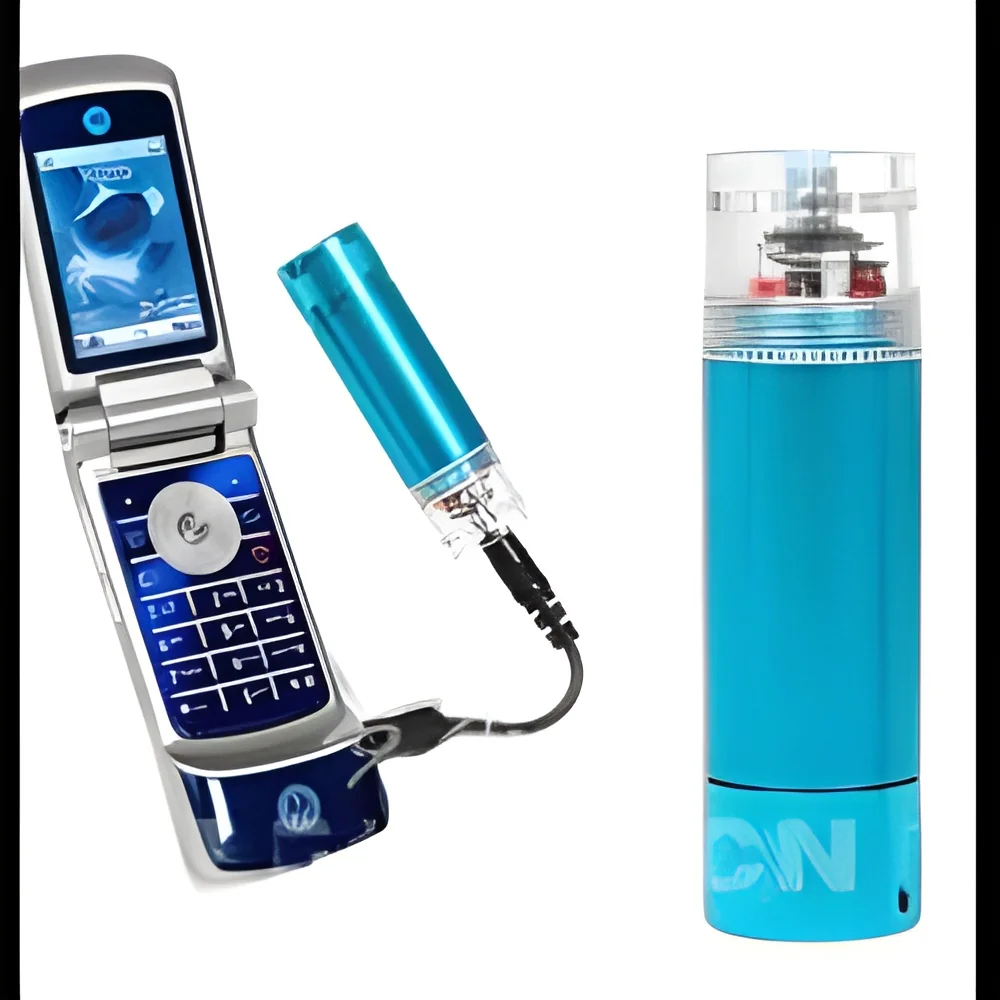
Power banks for smartphones are portable battery packs designed to supply power to mobile devices when they are not connected to a power source. They store electrical energy and can be easily charged from a wall outlet or a USB port. When a smartphone's battery runs low, the power bank can be used to recharge it, providing a convenient solution for users who rely on their devices throughout the day.
These devices are increasingly popular in both consumer and business environments. Businesses use power banks for various applications, such as ensuring that employees remain connected during travel, facilitating outdoor events, or providing backup power in case of emergencies. Power banks have become essential tools for maintaining productivity and ensuring that critical communication is uninterrupted.
In the current market, the demand for power banks has surged due to the increasing reliance on smartphones and other portable devices. This trend is particularly relevant in industries such as retail, logistics, and events, where maintaining mobile connectivity is crucial. As technology continues to evolve, the power bank industry is adapting to meet the growing needs of consumers and businesses alike.
𝗞𝗲𝘆 𝗙𝗲𝗮𝘁𝘂𝗿𝗲𝘀 𝗮𝗻𝗱 𝗦𝗽𝗲𝗰𝗶𝗳𝗶𝗰𝗮𝘁𝗶𝗼𝗻𝘀
Power banks for smartphones come with a variety of features and specifications that enhance their functionality and usability. These features are vital for users to make informed purchasing decisions.
Key specifications include:
1. Capacity
- Measured in milliampere-hours (mAh), capacity indicates how much charge the power bank can hold.
- Typical capacities range from 5,000 mAh to 30,000 mAh, allowing for multiple recharges of a smartphone.
2. Output Power
- Output power is measured in watts (W) and indicates how quickly a device can be charged.
- Common output ratings include 5W, 10W, and 20W, impacting charging speed.
3. Number of Ports
- Power banks can have multiple USB ports to charge several devices simultaneously.
- Typical configurations include single, dual, or even four-port setups.
4. Size and Weight
- Portability is essential; thus, size and weight are taken into account.
- Lightweight models can weigh as little as 150 grams, while larger ones may weigh around 500 grams.
5. Charging Time
- This indicates how fast the power bank itself can be recharged.
- Charging times can vary from 2 to 8 hours, depending on capacity and input power.
6. Compatibility
- Most power banks are compatible with a wide range of devices, including smartphones, tablets, and even laptops.
- Some models may support fast charging protocols like Quick Charge or Power Delivery.
7. Build Quality
- A durable design can enhance a power bank's lifespan and usability.
- Look for models with robust casing materials and shock-resistant features.
8. Safety Features
- Many power banks include protections against overcharging, overheating, and short-circuiting.
- Certifications like CE ensure compliance with safety standards.
In summary, understanding these key specifications helps businesses choose the right power banks that meet their operational needs while ensuring safety and efficiency.
𝗖𝗼𝗺𝗺𝗼𝗻 𝗔𝗽𝗽𝗹𝗶𝗰𝗮𝘁𝗶𝗼𝗻𝘀 𝗮𝗻𝗱 𝗨𝘀𝗲 𝗖𝗮𝘀𝗲𝘀
Power banks for smartphones find utility across various industries, providing essential support for mobile devices.
1. Retail: Retailers often use power banks to keep point-of-sale devices charged, ensuring uninterrupted service during transactions. They also enhance customer experiences by allowing shoppers to charge their devices while they shop.
2. Events: At trade shows and conferences, power banks are invaluable for exhibitors and attendees who rely on their smartphones for navigation and communication. This helps maintain engagement and connectivity throughout the event.
3. Logistics: In the logistics sector, power banks are used to charge handheld devices utilized in inventory management and delivery tracking. This ensures that employees can access essential applications without interruptions.
4. Travel: Travel agencies and tour operators provide power banks to clients, allowing them to charge their devices during excursions. This enhances customer satisfaction and ensures that travelers can document their experiences.
5. Education: Educational institutions use power banks to keep tablets and laptops charged during classes, ensuring that students have access to learning materials without interruption.
6. Healthcare: In healthcare settings, power banks provide backup power for medical devices and communication tools, ensuring that critical operations continue smoothly.
7. Construction: On construction sites, power banks are used to charge tools and devices, allowing workers to remain connected and efficient in remote locations.
𝗣𝗿𝗼𝗱𝘂𝗰𝘁 𝗩𝗮𝗿𝗶𝗮𝗻𝘁𝘀 𝗮𝗻𝗱 𝗦𝘂𝗯𝗰𝗮𝘁𝗲𝗴𝗼𝗿𝗶𝗲𝘀
Power banks for smartphones come in various types, each catering to specific needs and applications.
Compact Power Banks
These models are designed for portability and ease of use. They typically have a lower capacity but are lightweight and easy to carry, making them ideal for everyday use.
High-Capacity Power Banks
These power banks offer larger storage capacities, allowing for multiple device charges. They are suitable for users who require extended device usage throughout the day.
Solar Power Banks
Equipped with solar panels, these power banks can recharge themselves using sunlight. They are particularly beneficial for outdoor activities and remote locations where traditional charging options are limited.
Wireless Charging Power Banks
These innovative power banks allow for charging without cables, making them convenient for users with compatible devices. This feature enhances usability and reduces wear on charging ports.
𝗕𝗲𝗻𝗲𝗳𝗶𝘁𝘀 𝗮𝗻𝗱 𝗔𝗱𝘃𝗮𝗻𝘁𝗮𝗴𝗲𝘀
Power banks for smartphones offer numerous advantages for both individual and business users.
1. Increased Mobility: Power banks allow users to charge their devices on the go, enhancing mobility and convenience.
2. Extended Device Usage: With a power bank, users can keep their smartphones operational for longer periods, essential for business professionals and travelers.
3. Cost-Effective Solution: Investing in power banks can reduce the need for frequent replacements of mobile devices due to battery failure.
4. Versatile Charging Options: Power banks can charge multiple devices simultaneously, making them practical for group settings.
5. Emergency Power Supply: In situations where power sources are unavailable, power banks serve as a reliable backup power solution.
6. Enhanced Productivity: For businesses, ensuring that employees have charged devices can lead to increased productivity and efficiency.
𝗕𝘂𝘆𝗶𝗻𝗴 𝗚𝘂𝗶𝗱𝗲 𝗳𝗼𝗿 𝗕𝟮𝗕 𝗕𝘂𝘆𝗲𝗿𝘀
When sourcing power banks for smartphones, businesses should consider various factors to ensure they make informed decisions.
1. Quality Assessment: Evaluate the quality of power banks by checking certifications and customer reviews. Look for reliable brands known for durability and performance.
2. Supplier Verification: Vet suppliers to ensure they have a good reputation and can deliver quality products consistently. Request samples to assess the product firsthand.
3. Pricing and MOQ: Understand the pricing structure and minimum order quantities (MOQ) offered by suppliers. Negotiate terms that align with your budget and needs.
4. Delivery and Lead Times: Assess delivery schedules and lead times to ensure that you receive your order promptly. Consider suppliers that can meet your timelines.
5. Compliance Requirements: Verify that the power banks meet relevant safety standards and regulatory requirements in your region. This ensures that you are sourcing compliant products.
𝗖𝗼𝗺𝗽𝗹𝗶𝗮𝗻𝗰𝗲 𝗮𝗻𝗱 𝗖𝗲𝗿𝘁𝗶𝗳𝗶𝗰𝗮𝘁𝗶𝗼𝗻𝘀
Power banks for smartphones must adhere to various compliance standards to ensure product safety and reliability.
ISO 9001 is a prominent quality management standard that many manufacturers aim to achieve. This certification ensures that businesses consistently provide quality products and services.
CE certification is crucial for compliance in the European market, indicating that the product meets health, safety, and environmental protection standards.
Power banks must also undergo rigorous safety testing to ensure they do not pose risks such as overheating or short-circuiting. Compliance with these safety requirements is essential for protecting users and devices.
Regional compliance considerations can vary, with specific regulations in different parts of the world. Businesses should be aware of these regulations to ensure compliance when sourcing power banks.
𝗪𝗵𝘆 𝗦𝗼𝘂𝗿𝗰𝗲 𝗣𝗼𝘄𝗲𝗿 𝗕𝗮𝗻𝗸𝘀 𝗳𝗼𝗿 𝗦𝗺𝗮𝗿𝘁𝗽𝗵𝗼𝗻𝗲𝘀 𝗳𝗿𝗼𝗺 𝗣𝗲𝗽𝗮𝗴𝗼𝗿𝗮?
Pepagora provides a trusted platform for sourcing power banks for smartphones, offering several key advantages to B2B buyers.
Verified Supplier Network: Pepagora has established a network of verified suppliers, ensuring that all products meet high-quality standards. This helps businesses find reliable partners that deliver consistent results.
Streamlined RFQ Process: The request for quotation (RFQ) process on Pepagora is user-friendly, allowing buyers to easily compare prices and specifications from multiple suppliers. This saves time and simplifies procurement.
Trade Assurance and Support: Pepagora offers trade assurance, providing buyers with protection in case of disputes or issues with orders. This adds an extra layer of security to transactions.
Regional Coverage: With a focus on markets in India, the GCC, and Southeast Asia, Pepagora ensures that buyers have access to a wide range of suppliers and products tailored to their regional needs. This geographic reach enhances options for sourcing quality power banks.

 IN
IN