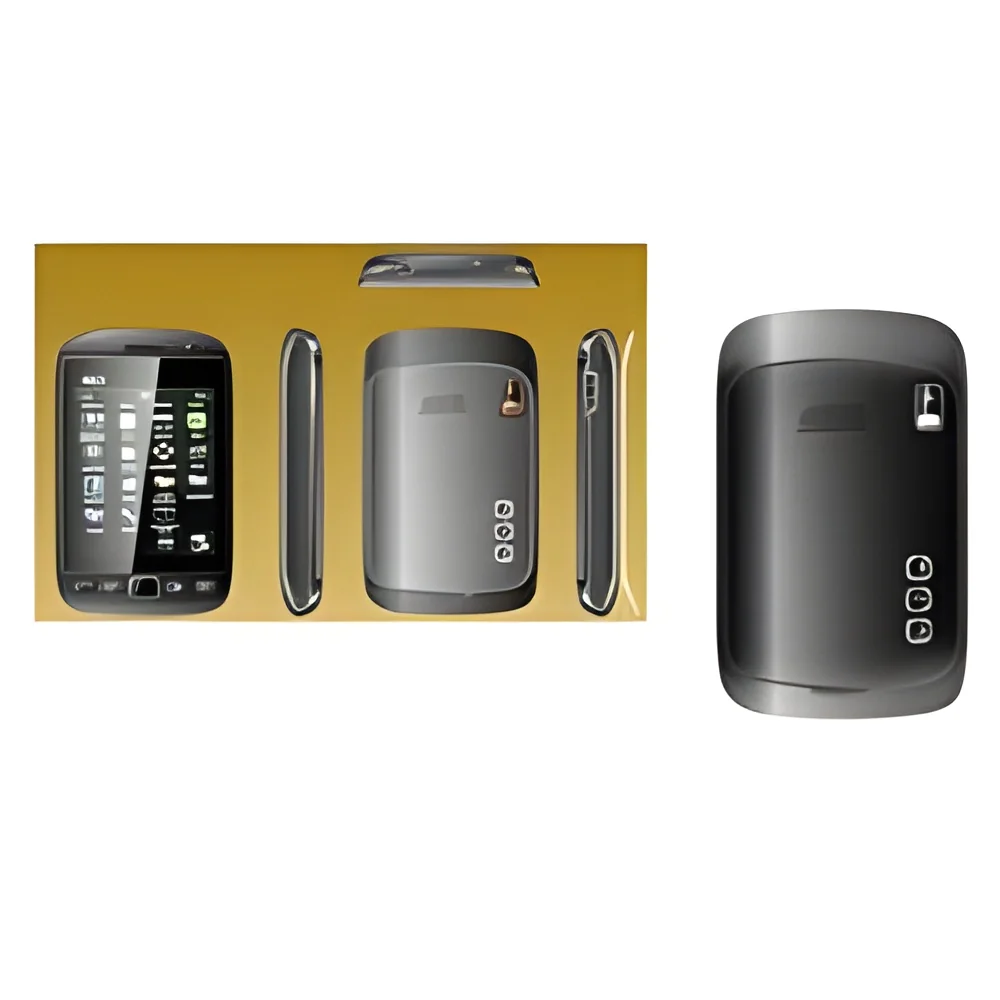
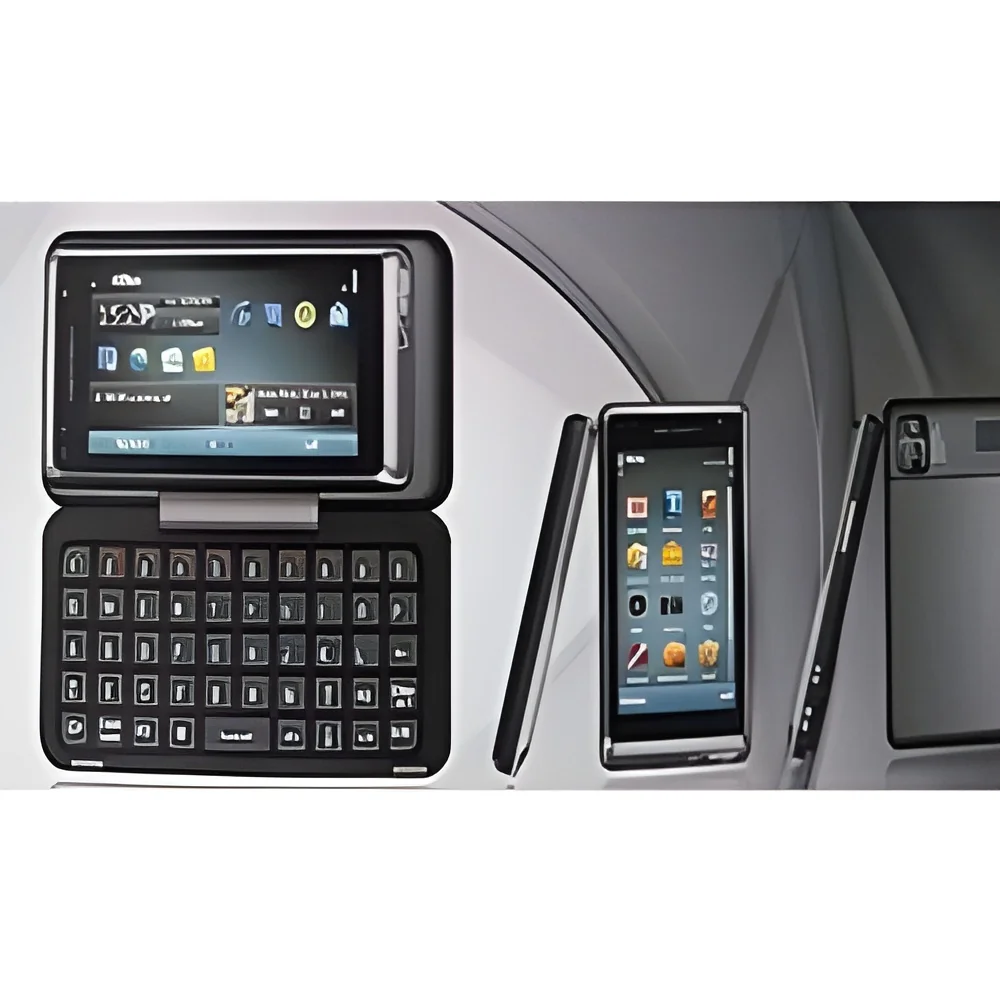
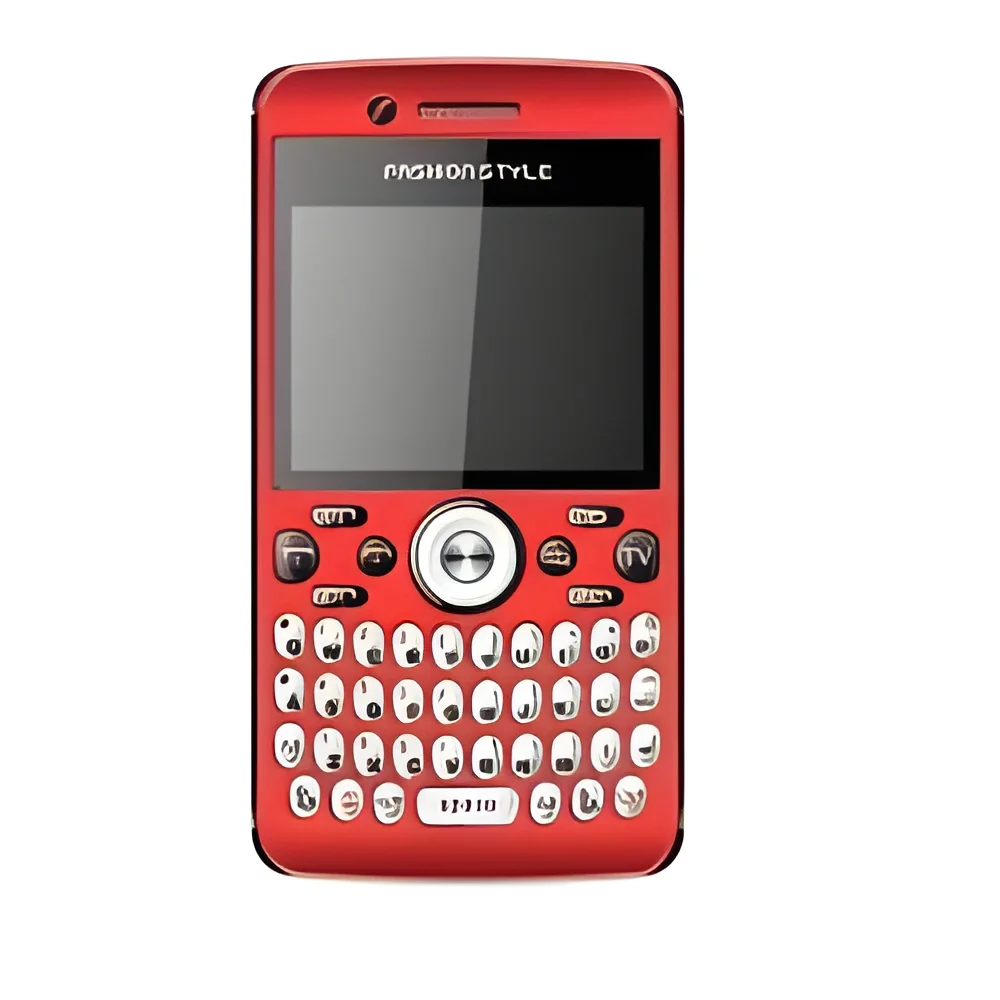
What are Feature Phones?
Feature phones are basic mobile devices that primarily focus on voice calling and text messaging functionalities. Unlike smartphones, feature phones usually lack advanced operating systems and applications. They are designed for users who require essential communication tools without the complexities of modern technology. Typically, feature phones have physical keypads and smaller screens, making them straightforward to use.
In the business context, feature phones are often utilized in sectors where communication is critical but where advanced features are unnecessary. Industries such as logistics, agriculture, and retail frequently employ feature phones to ensure reliable connectivity among employees. These devices are particularly beneficial in environments where durability and battery life are paramount, as they often withstand harsh conditions better than smartphones.
As the mobile market evolves, feature phones retain their relevance in specific sectors. They cater to users in emerging markets who may not have access to smartphones due to economic constraints. The feature phone segment continues to thrive, providing a cost-effective solution for basic communication needs.
Key Features and Specifications
Feature phones come equipped with essential functionalities suitable for various users. Their specifications may vary by model, but several key features are often consistent across different devices.
Key specifications include:
1. Display
- Typically ranges from 2.4 to 3.5 inches
- Often uses TFT or LCD technology
2. Battery Life
- Long-lasting batteries with capacities between 800mAh to 2000mAh
- Standby times can exceed several days
3. Camera
- Basic rear cameras, usually between 0.3MP to 5MP
- Limited functionality compared to smartphone cameras
4. Storage
- Internal memory usually ranges from 4MB to 64MB
- Often includes microSD card support for expansion
5. Connectivity
- Supports 2G or 3G networks
- May include Bluetooth and FM radio features
6. Operating System
- Proprietary or basic OS, without app stores
- Limited to pre-loaded applications
7. Build Quality
- Durable and resistant to physical damage
- Often designed for rugged use in various environments
8. User Interface
- Simple navigation with physical buttons
- Easy-to-use interface for all age groups
Feature phones provide essential features tailored for basic communication needs while maintaining simplicity and durability.
Common Applications and Use Cases
Feature phones find utility across multiple industries due to their reliability and ease of use.
1. Retail: Retail workers often use feature phones for inventory management and customer interactions, ensuring smooth operational communication.
2. Logistics: Drivers and warehouse staff utilize feature phones for timely updates on deliveries, aiding in efficient supply chain management.
3. Agriculture: Farmers employ feature phones to receive weather updates and market prices, allowing them to make informed decisions.
4. Construction: Construction workers use feature phones to coordinate tasks and communicate safety information, ensuring site productivity.
5. Healthcare: Medical staff in remote areas rely on feature phones for patient communication and coordination, especially in underserved regions.
6. Education: Schools in rural areas use feature phones to communicate with parents and students regarding schedules and important updates.
7. Hospitality: Service staff in hotels use feature phones for seamless communication, enhancing guest experiences without the distractions of smartphones.
Product Variants and Subcategories
Feature phones come in various models that cater to distinct user needs.
Classic Feature Phone
This model focuses on basic communication with a simple interface. It is ideal for users who prioritize calls and texts without distractions.
Rugged Feature Phone
Designed for durability, this variant withstands tough conditions. It is suitable for workers in construction, agriculture, and outdoor environments where reliability is crucial.
Camera Feature Phone
This variant includes a better camera for those who want to capture moments without needing smartphone capabilities. It caters to users who occasionally take photos but do not require advanced features.
Senior-Friendly Feature Phone
Tailored for elderly users, this model features larger buttons and simplified menus. It ensures ease of use for seniors who need basic communication.
Benefits and Advantages
Feature phones offer several advantages that make them appealing for specific user groups.
1. Cost-Effective: Feature phones are significantly less expensive than smartphones, making them accessible for budget-conscious users.
2. Long Battery Life: With lower power consumption, feature phones often last several days on a single charge, making them reliable for continuous use.
3. Durability: Many feature phones are designed to withstand tough conditions, making them suitable for fieldwork and harsh environments.
4. Simplicity: The user-friendly interface allows users of all ages to operate the device without technical challenges.
5. Reduced Distractions: Feature phones limit access to apps and social media, helping users focus on essential communication tasks.
6. Enhanced Connectivity: Feature phones often provide reliable connectivity in areas where smartphones may not function effectively.
Buying Guide for B2B Buyers
When sourcing feature phones, B2B buyers should consider several important factors.
1. Quality Assessment: Ensure that the feature phones meet the necessary quality standards. Look for reviews and product testing to verify durability and performance.
2. Supplier Verification: Vet suppliers carefully by checking their credentials and reputation in the market. Establishing a relationship with a reliable supplier ensures consistent quality and service.
3. Pricing and MOQ: Understand the pricing structure and minimum order quantity (MOQ) required by suppliers. This will help in budgeting and planning inventory.
4. Delivery and Lead Times: Discuss logistics to determine delivery schedules. Ensure that the supplier can meet your timeline for receiving feature phones.
5. Compliance Requirements: Be aware of regulatory and compliance needs specific to your industry. Ensure that the feature phones meet necessary certifications and standards.
Compliance and Certifications
Feature phones must adhere to specific quality and safety standards to ensure reliable performance. Common relevant standards include ISO 9001, which focuses on quality management systems, ensuring consistent product quality.
Industry certifications such as CE indicate that the devices meet European safety, health, and environmental protection standards. Manufacturers often perform rigorous testing to comply with these regulations, ensuring safety for users.
Additionally, regional compliance considerations may vary. Buyers must ensure that the feature phones they source meet local regulations and standards, which may include certifications for electromagnetic compatibility and safety features.
Why Source Feature Phones from Pepagora?
Pepagora provides a trusted platform for sourcing feature phones with several key advantages.
Verified Supplier Network: Pepagora connects buyers with a network of verified suppliers, ensuring quality and reliability. Each supplier undergoes a vetting process to maintain a high standard.
Streamlined RFQ Process: The Request for Quotation (RFQ) process on Pepagora is designed to be user-friendly, allowing buyers to receive multiple quotes efficiently. This helps in making informed purchasing decisions.
Trade Assurance and Support: Pepagora offers trade assurance to protect buyers' investments. Support teams are available to assist with any queries and ensure a smooth transaction.
Regional Coverage: With a presence in India, the GCC, and Southeast Asia, Pepagora provides extensive geographical reach, making it easier for businesses to source feature phones tailored to their regional needs.

 IN
IN