What are Portable Water Dispensers?
Portable water dispensers are compact and mobile units designed to provide easy access to drinking water in various settings. These devices are typically equipped with a reservoir for storing water, a dispensing mechanism, and a cooling or heating feature. Their portability allows users to move them between locations, making them suitable for both indoor and outdoor use.
The primary applications of portable water dispensers include use in offices, construction sites, events, and outdoor activities. They are favored in environments where access to clean drinking water may be limited or where convenience is essential. Businesses often use these dispensers to promote hydration among employees and guests, particularly in high-traffic areas or temporary setups.
As the demand for convenient hydration solutions grows, the market for portable water dispensers continues to expand. Industries such as hospitality, healthcare, and construction are increasingly incorporating these dispensers into their operations to enhance accessibility and improve user experience. This trend highlights the relevance of portable water dispensers in today's fast-paced work environments.
Key Features and Specifications
Portable water dispensers come with a variety of features that enhance their functionality and user experience. Understanding the specifications is crucial for businesses looking to invest in these products.
Key specifications include:
1. Capacity
- The capacity of portable water dispensers typically ranges from 5 to 20 liters.
- This allows for different usage levels depending on the size of the environment.
2. Power Source
- These dispensers can operate on electricity, batteries, or manual pumping.
- Electric models often feature cooling or heating functions.
3. Material
- Dispensers are commonly made from durable plastic or stainless steel.
- These materials ensure longevity and resistance to wear and tear.
4. Dispensing Mechanism
- Common mechanisms include push-button, foot pedal, or manual tap.
- This affects ease of use, especially in high-traffic areas.
5. Size and Weight
- Most portable dispensers are designed to be lightweight and compact.
- This facilitates easy transportation and setup.
6. Maintenance Requirements
- Regular cleaning and maintenance are necessary to ensure water quality.
- Some models include self-cleaning features for convenience.
7. Temperature Control
- Many dispensers offer cooling, heating, or both functions.
- This feature caters to different beverage preferences.
8. Certification
- Look for models that meet safety and quality standards, such as CE certification.
- Compliance indicates reliability and safety for users.
In summary, understanding these key features and specifications can help businesses select the right portable water dispenser for their specific needs.
Common Applications and Use Cases
Portable water dispensers serve a wide range of industries and applications. They are versatile tools that provide hydration wherever needed.
1. Office Environments: In corporate settings, these dispensers support employee wellness by ensuring easy access to drinking water throughout the day. This can lead to improved productivity and health.
2. Construction Sites: Portable water dispensers are essential on construction sites where access to clean water may be limited. They provide workers with hydration to maintain performance and safety.
3. Events and Catering: During events, having portable water dispensers readily available can enhance guest experience and satisfaction. They are perfect for weddings, conferences, and festivals.
4. Healthcare Facilities: In hospitals and clinics, these dispensers can improve patient and visitor access to water, contributing to better hydration and comfort.
5. Educational Institutions: Schools and universities can utilize portable dispensers to encourage students to drink more water throughout the day, promoting health and well-being.
6. Outdoor Activities: For outdoor events like sports or festivals, portable dispensers ensure that attendees stay hydrated, which is crucial for safety and enjoyment.
7. Emergency Services: In situations like disaster relief or emergency response, portable water dispensers can provide immediate access to clean drinking water for affected populations.
Product Variants and Subcategories
Portable water dispensers come in various forms to suit different needs and preferences. Each variant offers unique features for specific applications.
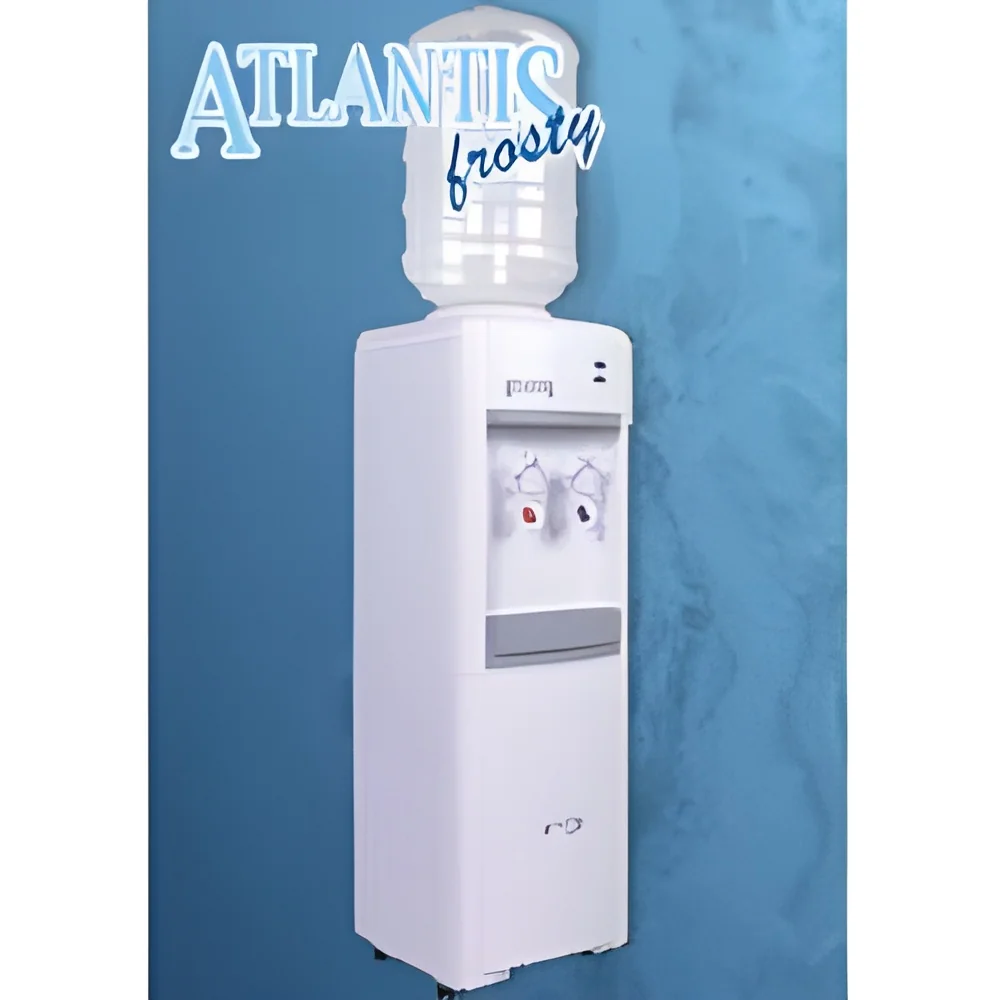
Electric Portable Water Dispenser: This variant is equipped with cooling and heating functions, allowing users to enjoy chilled or hot beverages. It is ideal for office environments and events where temperature control is essential.
Manual Portable Water Dispenser: Designed for simplicity, this variant relies on manual operation. It is lightweight and easy to transport, making it a great choice for outdoor activities and temporary setups.
Countertop Water Dispenser: This model is designed to be placed on countertops for easy access. It is often used in offices and homes, providing a convenient hydration solution without taking up much space.
Wall-Mounted Water Dispenser: This type can be mounted on walls, saving floor space. It is suitable for schools and public facilities where space is limited but access to water is necessary.
Benefits and Advantages
The use of portable water dispensers offers numerous benefits for businesses and organizations.
Key benefits include:
1. Enhanced Hydration: Providing easy access to drinking water encourages employees and visitors to stay hydrated, promoting better health.
2. Convenience: The mobility of these dispensers allows for quick setup and relocation, making them versatile for various environments.
3. Cost-Effective: Portable water dispensers can reduce the need for bottled water, leading to cost savings over time.
4. Eco-Friendly: Using dispensers decreases reliance on single-use plastic bottles, contributing to environmental sustainability.
5. Customization Options: Many dispensers can be customized with branding or specific features, allowing businesses to tailor them to their needs.
6. Improved Hygiene: Many models come with features that promote cleanliness, ensuring that the water remains safe for consumption.
Buying Guide for B2B Buyers
When sourcing portable water dispensers, businesses should consider several important factors to ensure they make informed purchases.
1. Quality Assessment: Evaluate the build quality and materials used in the dispensers. Look for durable options that can withstand heavy use in various environments.
2. Supplier Verification: It is crucial to vet suppliers to ensure they offer reliable products and services. Check for reviews, certifications, and their track record in the industry.
3. Pricing and MOQ: Understand the pricing structure and minimum order quantities. This helps in budgeting and ensures that you can meet the supply needs of your organization.
4. Delivery and Lead Times: Inquire about logistics and expected delivery times. Timely access to dispensers is essential, especially for urgent projects or events.
5. Compliance Requirements: Ensure that the dispensers meet any necessary regulatory standards applicable to your industry and region. This ensures safety and reliability in use.
Compliance and Certifications
Portable water dispensers must adhere to various compliance and certification standards to ensure safety and quality.
Relevant quality standards such as ISO 9001 guarantee that manufacturers maintain high-quality management systems. This standard is essential for ensuring that products meet customer requirements consistently.
Industry certifications like CE indicate that the product meets European safety standards. This certification assures buyers of the dispenser's compliance with health and safety regulations.
Safety and testing requirements are critical in the manufacturing process. Dispensers should undergo rigorous testing to confirm that they do not leach harmful substances into the water.
Regional compliance considerations may vary, so businesses should familiarize themselves with local regulations that apply to portable water dispensers in their area.
Why Source Portable Water Dispensers from Pepagora?
Pepagora provides a trusted platform for sourcing portable water dispensers, offering several key advantages for B2B buyers.
Verified Supplier Network: Pepagora connects buyers with a network of verified suppliers, ensuring that products meet quality and safety standards. This reduces the risk of purchasing subpar equipment.
Streamlined RFQ Process: The request for quotation system simplifies the procurement process. Buyers can easily compare offers and select the best options available.
Trade Assurance and Support: Pepagora offers buyer protection through trade assurance programs, which safeguard transactions and ensure that buyers receive what they pay for.
Regional Coverage: With a presence in India, GCC, and Southeast Asia, Pepagora provides extensive regional coverage, making it easier for businesses to find suppliers in their local markets. This geographic reach enhances accessibility and support for buyers.

 IN
IN