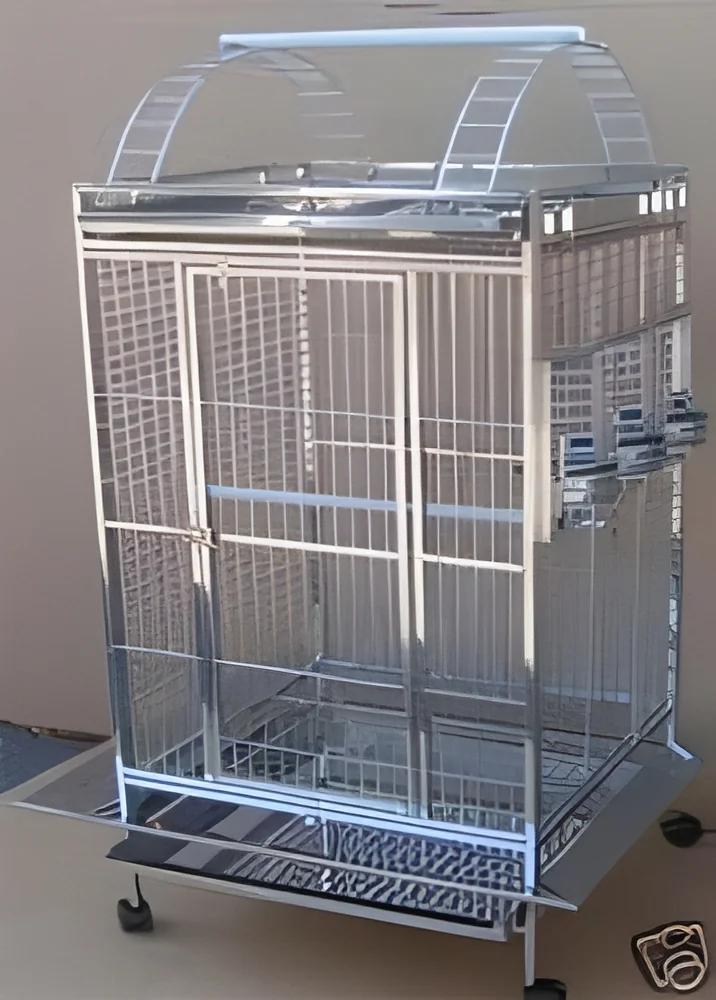
What are Bird Cages & Stands?
Bird cages and stands are essential products designed for the housing and display of birds. These structures provide a safe and comfortable environment for birds while allowing for easy observation and interaction. Bird cages vary in size, material, and design, catering to different bird species and owner preferences. Stands are often used to elevate the cages, making them more accessible and aesthetically pleasing.
The primary uses of bird cages and stands extend beyond mere decoration. They are utilized in pet stores, veterinary clinics, and homes, serving as habitats for various birds. Businesses in the pet industry often rely on these products to create engaging displays that attract customers. Additionally, breeders and avian enthusiasts use specialized cages for breeding and showcasing birds, emphasizing the importance of quality and functionality.
In the current market context, the demand for bird cages and stands is growing as more people adopt birds as pets. The industry has seen innovations in design and construction, focusing on safety, durability, and ease of maintenance. As consumer preferences shift toward more aesthetically pleasing options, manufacturers are adapting to meet these requirements, making bird cages and stands a relevant product in the B2B sector.
Key Features and Specifications
Bird cages and stands come with a variety of features and specifications that cater to the needs of both birds and their owners. These specifications ensure that the products are safe, functional, and appealing.
Key specifications include:
1. Material Composition
- Bird cages are typically made from materials such as metal, plastic, or wood.
- Metal cages often feature powder-coated finishes to prevent rust and ensure durability.
2. Dimensions
- Cages come in various sizes, accommodating different bird species.
- Standard dimensions range from small (20 inches) to large (48 inches and above) in height and width.
3. Bar Spacing
- Spacing between bars is critical for bird safety.
- Recommended bar spacing varies from 1/2 inch for small birds to 1 inch for larger species.
4. Accessibility Features
- Many cages include removable trays for easy cleaning.
- Some models feature doors that open wide for convenient access.
5. Stand Height
- Stands vary in height, generally ranging from 30 to 60 inches.
- Adjustable stands are available for different viewing preferences.
6. Accessories
- Many cages come with built-in perches and feeding stations.
- Additional accessories may include toys and water bottles.
7. Safety Features
- Non-toxic finishes and rounded edges enhance bird safety.
- Some cages include locks to prevent accidental openings.
8. Portability
- Lightweight designs and wheels on stands facilitate easy movement.
- Some cages are foldable, making storage convenient.
In summary, understanding these features and specifications is vital for B2B buyers to make informed purchasing decisions that align with their customers' needs.
Common Applications and Use Cases
Bird cages and stands are utilized in various industries and settings, making them versatile products.
1. Pet Stores: Bird cages are used to house birds for sale, providing safe environments that attract customers.
2. Veterinary Clinics: Cages serve as temporary housing for birds during check-ups or treatments, ensuring their safety and comfort.
3. Breeding Facilities: Specialized cages are employed for breeding purposes, allowing for controlled environments that promote healthy reproduction.
4. Zoos and Aviaries: These establishments use large, decorative cages to provide spacious habitats for a variety of bird species, enhancing visitor experiences.
5. Home Use: Many bird owners purchase cages for personal pets, focusing on aesthetics and functionality to fit their home decor.
6. Educational Institutions: Schools and universities may use bird cages in classrooms for educational purposes, allowing students to observe and learn about avian life.
7. Bird Shows: Participants in bird exhibitions require high-quality cages to showcase their birds, emphasizing the importance of design and presentation.
Product Variants and Subcategories
Bird cages and stands come in various forms to cater to different customer needs.
Indoor Bird Cages
These cages are designed for home use, often featuring decorative elements that blend with interior decor. They are typically smaller and may include accessories suited for pet birds.
Outdoor Bird Cages
Constructed with weather-resistant materials, outdoor cages are larger and designed to withstand the elements. They are ideal for backyard use or outdoor aviaries.
Travel Cages
These lightweight, portable cages are perfect for transporting birds. They often include secure locking mechanisms and are easy to clean.
Flight Cages
Larger than standard cages, flight cages provide ample space for birds to fly and exercise. They are commonly used in breeding and rescue facilities.
Benefits and Advantages
Bird cages and stands offer several benefits that enhance their appeal in the market.
1. Safe Environment: Cages provide a secure habitat for birds, protecting them from predators and other dangers.
2. Easy Maintenance: Many cages feature removable trays and easy-access doors, simplifying cleaning and care.
3. Aesthetic Appeal: Modern designs and finishes allow cages to blend seamlessly into home or store environments, making them visually appealing.
4. Customization Options: Various accessories can be added to cages, allowing owners to personalize the space for their birds.
5. Durability: High-quality materials ensure that cages last longer, providing a better return on investment for businesses.
6. Enhanced Bird Welfare: Properly designed cages promote healthy behavior by allowing birds to exercise, socialize, and engage with their environment.
Buying Guide for B2B Buyers
When sourcing bird cages and stands, several factors should be considered to ensure quality and suitability.
1. Quality Assessment: Buyers should examine the materials and construction of cages to ensure safety and durability. Look for certifications that validate the quality of the products.
2. Supplier Verification: It is crucial to vet suppliers by checking their credentials, customer reviews, and previous partnerships. A reliable supplier will have a solid track record in the industry.
3. Pricing and MOQ: Understanding the price range and minimum order quantities will help buyers align their budgets with supplier offerings. It’s advisable to compare prices from multiple suppliers.
4. Delivery and Lead Times: Buyers should confirm lead times for orders to ensure timely delivery. This is especially important for businesses with inventory turnover needs.
5. Compliance Requirements: Ensure that the products meet relevant safety standards and regulations. Familiarize yourself with both local and international compliance requirements.
Compliance and Certifications
Compliance and certifications play a vital role in the manufacturing and sale of bird cages and stands. Relevant quality standards, such as ISO 9001, ensure that products meet consistent quality benchmarks. Additionally, certifications like CE indicate that products comply with European health, safety, and environmental standards.
Safety and testing requirements are critical for ensuring that the products are safe for both birds and consumers. Manufacturers must conduct regular testing to verify that cages are free from harmful substances and meet durability standards.
Regional compliance considerations may vary, requiring businesses to stay informed about specific regulations in different markets. Understanding these compliance aspects is essential for B2B buyers to avoid legal issues and maintain product quality.
Why Source Bird Cages & Stands from Pepagora?
Pepagora provides a trusted platform for sourcing bird cages and stands, offering several key advantages.
Verified Supplier Network: Pepagora connects buyers with a network of verified suppliers, ensuring that all partners meet quality and reliability standards. This reduces the risk of encountering subpar products.
Streamlined RFQ Process: The request for quotation process on Pepagora is designed to be efficient, allowing buyers to receive competitive quotes from multiple suppliers quickly. This simplifies the sourcing process and saves time.
Trade Assurance and Support: Buyers benefit from trade assurance services that protect their purchases. This support includes mediation in case of disputes, ensuring a secure transaction.
Regional Coverage: Pepagora’s geographic reach spans India, the GCC, and Southeast Asia, allowing buyers to connect with suppliers across these regions. This broad network enhances sourcing options and market reach.
In conclusion, sourcing bird cages and stands through Pepagora not only provides access to quality products but also ensures a reliable and efficient purchasing experience for B2B buyers.

 IN
IN