What are Multi-Line Office Telephones?
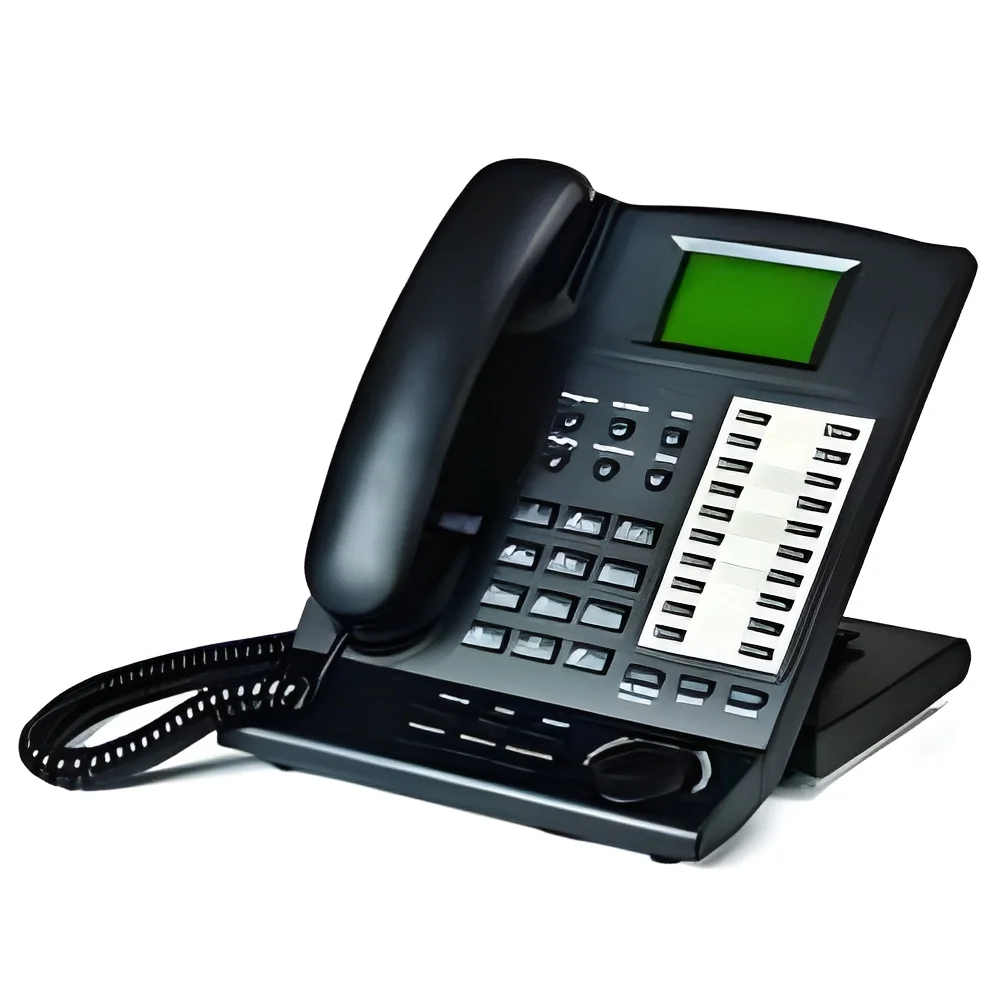
Multi-line office telephones are specialized communication devices designed to handle multiple telephone lines simultaneously. These phones are equipped with a variety of features that enable users to manage incoming and outgoing calls across different lines, making them ideal for businesses that require robust telecommunication systems. Multi-line telephones typically come with several buttons or lines, allowing users to switch between calls easily without the need for multiple phone units.
These devices are primarily used in business environments where effective communication is crucial. They cater to various sectors, including corporate offices, customer service centers, and any organization that deals with high volumes of calls. The ability to manage multiple lines enhances productivity and improves customer interactions. As businesses continue to expand and require more sophisticated communication solutions, multi-line office telephones remain an essential tool in the market.
In the context of the industry, multi-line office telephones contribute significantly to operational efficiency. With advancements in technology, these devices have evolved to include features such as call waiting, transfer capabilities, and conference calling. As more businesses rely on integrated communication systems, the demand for these telephones is expected to grow, reinforcing their importance in the modern workplace.
Key Features and Specifications
Multi-line office telephones come with a host of features and specifications that enhance their functionality and usability. These features are designed to cater to the diverse needs of businesses and facilitate seamless communication.
Key specifications include:
1. Number of Lines
- Typically ranges from 2 to 16 lines.
- Allows users to handle multiple calls simultaneously.
2. Call Management Features
- Includes call waiting, call forwarding, and call transfer.
- Enhances the ability to manage incoming calls effectively.
3. Display Type
- LCD or LED displays for easy viewing.
- May include backlighting for visibility in low-light environments.
4. Speakerphone Capability
- Built-in speakerphone options for hands-free communication.
- Useful for conference calls and collaborative discussions.
5. Programmable Buttons
- Customizable buttons for quick access to frequently dialed numbers.
- Streamlines the calling process for users.
6. Headset Compatibility
- Supports connection to headsets for improved audio quality.
- Enhances comfort during long calls.
7. Voicemail Integration
- Some models include built-in voicemail systems.
- Allows for message retrieval directly from the phone.
8. Power Options
- Can be powered through standard outlets or Power over Ethernet (PoE).
- Offers flexibility in installation.
In summary, these specifications highlight the diverse capabilities of multi-line office telephones, making them a valuable investment for businesses aiming to improve their communication infrastructure.
Common Applications and Use Cases
Multi-line office telephones are integral to various industries, catering to specific communication needs across sectors.
1. Corporate Offices: These phones facilitate seamless communication among departments, allowing employees to manage multiple calls and enhance collaboration.
2. Customer Service Centers: Multi-line telephones enable agents to handle high call volumes, ensuring efficient customer support and quick response times.
3. Healthcare Facilities: In hospitals and clinics, these devices streamline communication between staff, improving patient care and operational efficiency.
4. Real Estate Agencies: Real estate professionals benefit from multi-line systems to manage client inquiries effectively and coordinate property viewings.
5. Educational Institutions: Schools and universities use multi-line telephones to facilitate communication between faculty, staff, and students, enhancing administrative efficiency.
6. Retail Environments: Retailers utilize these phones to coordinate with suppliers and manage customer service inquiries, ensuring a smooth operational flow.
7. Financial Services: Banks and financial institutions rely on multi-line telephones for efficient communication between clients and service representatives, fostering trust and reliability.
Product Variants and Subcategories
Multi-line office telephones come in various designs and features, catering to different business needs. The diversity in product offerings allows businesses to choose models that best suit their requirements.
Basic Multi-Line Telephones
These models typically provide essential features like multiple line management and call handling capabilities. They are ideal for small to medium-sized businesses looking for straightforward communication solutions.
Advanced Multi-Line Telephones
These variants come equipped with enhanced features such as touchscreen displays, voicemail integration, and advanced call management options. They are suitable for larger organizations that require sophisticated communication tools.
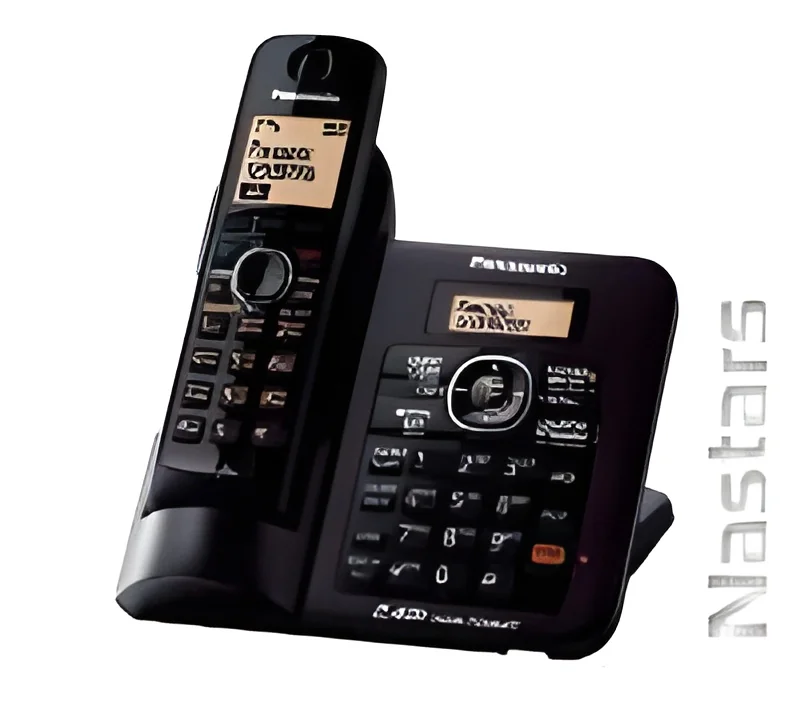
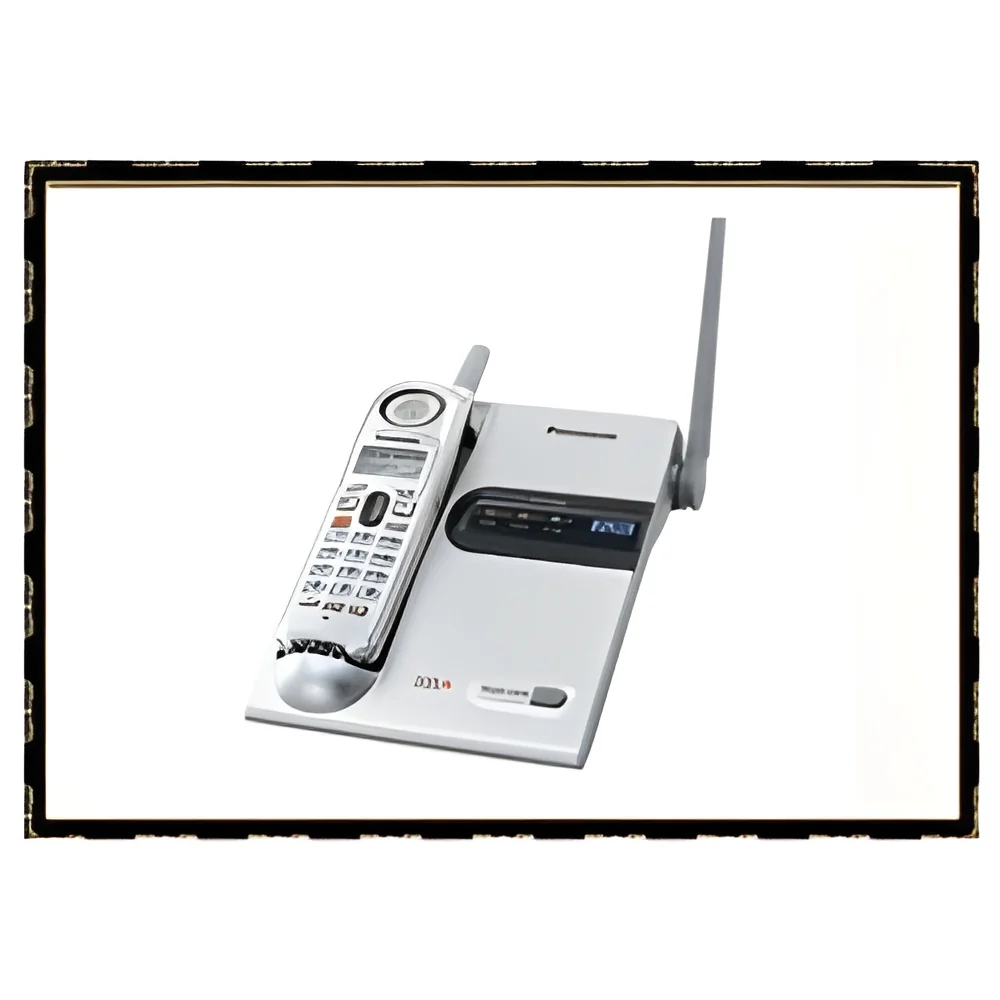
Wireless Multi-Line Telephones
Wireless variants offer flexibility and mobility, allowing users to move around the office while staying connected. This is especially beneficial in dynamic work environments.
Benefits and Advantages
Investing in multi-line office telephones offers numerous advantages that positively impact business operations.
1. Enhanced Communication: These devices allow users to manage multiple calls efficiently, improving overall communication within the organization.
2. Increased Productivity: With features like call forwarding and conference calling, employees can work more effectively, leading to better time management.
3. Cost-Effective Solution: By consolidating multiple communication lines into one device, businesses can reduce costs associated with maintaining separate phone systems.
4. Improved Customer Service: The ability to handle multiple calls ensures that customer inquiries are addressed promptly, enhancing satisfaction.
5. Scalability: Multi-line telephones can easily adapt to growing business needs, allowing for the addition of more lines as required.
6. User-Friendly Interface: Most models feature intuitive designs that make them easy to use, reducing the learning curve for employees.
Buying Guide for B2B Buyers
When sourcing multi-line office telephones, it is important for B2B buyers to consider several factors to ensure they select the best options for their needs.
1. Quality Assessment: Look for telephones that meet industry standards for durability and functionality. Evaluate the reputation of the manufacturer and read reviews to gauge reliability.
2. Supplier Verification: Research potential suppliers to ensure they have a track record of delivering quality products. Check for certifications and customer feedback to validate their credibility.
3. Pricing and MOQ: Understand the cost structure and minimum order quantities (MOQ) required by suppliers. Comparing prices can help identify the best value for your budget.
4. Delivery and Lead Times: Inquire about the expected delivery times and logistics involved in shipping. This will help you plan for installation and minimize disruptions to your operations.
5. Compliance Requirements: Ensure that the products meet local regulatory standards and certifications. This is crucial for maintaining operational integrity and safety.
Compliance and Certifications
Multi-line office telephones must adhere to various quality standards and certifications that ensure their reliability and safety in business operations. Key certifications include UL and CE, which indicate compliance with safety and performance regulations.
ISO 9001 is a relevant quality standard that emphasizes effective quality management systems. This certification assures businesses that the products meet customer and regulatory requirements consistently.
Additionally, safety and testing requirements are crucial for maintaining product integrity. Manufacturers must follow stringent testing protocols to ensure that their devices perform optimally under various conditions.
Regional compliance considerations may vary, so it is essential for businesses to familiarize themselves with local regulations that govern telecommunications equipment. This knowledge will help ensure that sourced products meet all necessary compliance criteria.
Why Source Multi-Line Office Telephones from Pepagora?
Pepagora provides a trusted platform for sourcing multi-line office telephones, offering several key advantages that facilitate the buying process.
Verified Supplier Network: Pepagora features a comprehensive network of verified suppliers, ensuring that buyers have access to reliable products and manufacturers. This reduces the risk of purchasing substandard equipment.
Streamlined RFQ Process: The Request for Quotation (RFQ) process is designed to simplify sourcing. Buyers can easily request quotes from multiple suppliers, allowing for efficient comparisons and informed decision-making.
Trade Assurance and Support: Pepagora offers trade assurance and dedicated support to buyers, providing protection against potential risks. This ensures a secure purchasing experience and peace of mind.
Regional Coverage: With a strong presence in regions such as India, GCC, and Southeast Asia, Pepagora connects businesses with local suppliers, facilitating smooth transactions and timely deliveries. This geographic reach enhances the sourcing experience for businesses across various markets.

 IN
IN