
 IN
IN₹
Apparel & Fashion
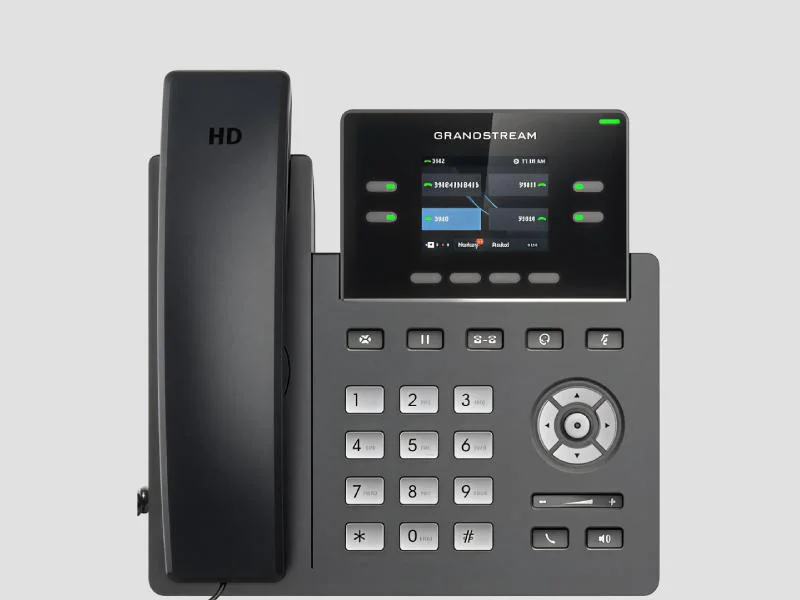
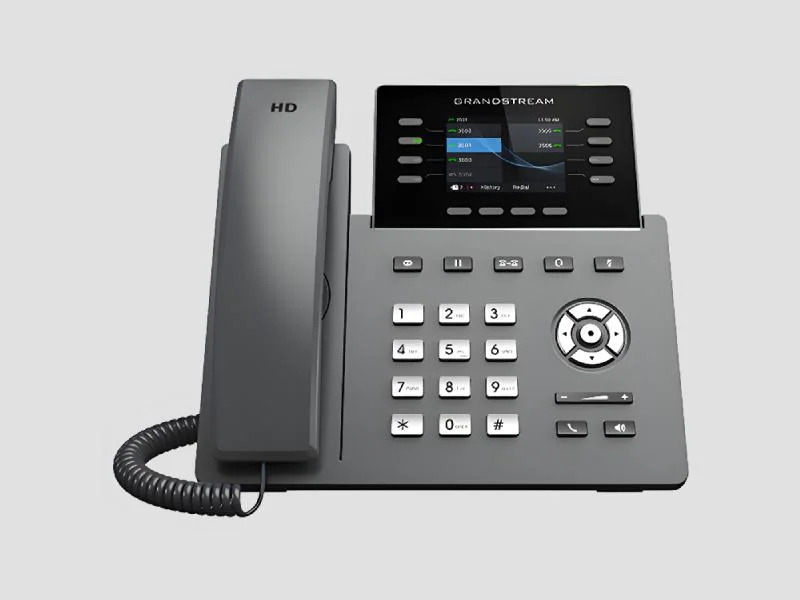
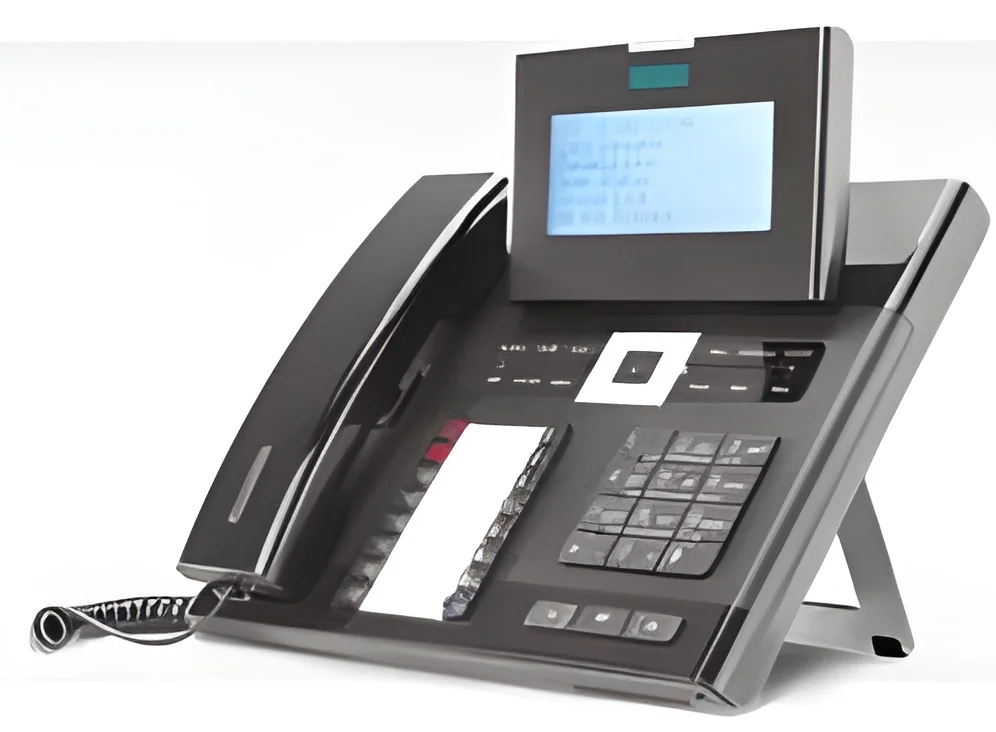
IP Phones / VoIP Phones
3 products available
What are IP Phones / VoIP Phones?
IP Phones, also known as VoIP (Voice over Internet Protocol) phones, are digital telephones that utilize internet protocols to transmit voice communications. Unlike traditional analog phones, IP phones convert sound into data packets and send them over the internet. This technology allows for more efficient and cost-effective communication, especially in business environments.
These phones are primarily used in various business applications, facilitating conference calls, remote work setups, and customer service interactions. They are designed to integrate seamlessly with existing communication systems, enabling features such as call forwarding, voicemail, and video conferencing. The increasing reliance on digital communication in today’s business landscape has made IP phones essential for many organizations.
In the current market context, the demand for IP phones continues to rise as businesses seek to enhance communication efficiency and reduce operational costs. The technology is becoming increasingly relevant across multiple industries, with advancements in features and capabilities making them a favored choice for modern enterprises.
Key Features and Specifications
IP Phones offer a variety of features that enhance communication and productivity. These features include high-definition voice quality, a user-friendly interface, and advanced call management options. When considering specifications, it is essential to evaluate the technical parameters that align with business needs.
Key specifications include:
1. Voice Quality
- High-definition audio for clear sound transmission.
- Supports wideband audio codecs for enhanced clarity.
2. Connectivity Options
- Ethernet ports for wired connections.
- Wi-Fi capability for wireless networking.
3. Display
- LCD screens for easy navigation and call management.
- Optional touchscreen interfaces for enhanced usability.
4. Power over Ethernet (PoE)
- Ability to receive power through Ethernet cables.
- Reduces the need for separate power supplies.
5. Security Features
- Encryption protocols to protect voice data.
- Built-in firewall capabilities to secure communications.
6. Integration Capabilities
- Compatibility with various communication platforms and software.
- APIs for custom application integration.
7. Multiline Support
- Ability to handle multiple calls on different lines.
- Ideal for busy environments requiring quick call handling.
8. Customizable Ringtones
- Options to personalize ringtones for different contacts or departments.
- Enhances user experience and call identification.
In summary, these specifications highlight the versatility and functionality of IP phones, making them suitable for a wide range of business applications.
Common Applications and Use Cases
IP Phones are utilized in numerous industries, serving a variety of communication needs.
1. Corporate Offices: IP phones facilitate seamless communication among employees, enabling features like conference calling and call transfer, which are vital for teamwork.
2. Call Centers: These phones provide essential tools for customer service representatives, including automated call distribution and real-time monitoring, enhancing customer interactions.
3. Healthcare: Medical facilities use IP phones to improve patient communication, streamline operations, and ensure quick access to critical information.
4. Education: Schools and universities utilize IP phones for administrative communication and emergency notifications, ensuring a safe and connected environment.
5. Hospitality: Hotels deploy IP phones to enhance guest services, offering direct line access and room-to-room communication for a better guest experience.
6. Retail: Retailers implement IP phones to manage customer service lines and internal communications, improving operational efficiency.
7. Remote Work: As remote work becomes more prevalent, IP phones enable employees to maintain professional communications from home, ensuring connectivity with their teams.
Product Variants and Subcategories
The diversity of IP Phones allows businesses to choose models that best suit their operational needs.
Standard IP Phones: These are designed for general office use, featuring basic functionalities such as call forwarding, voicemail, and speed dialing. They are ideal for employees who require reliable communication without advanced features.
Video IP Phones: This variant includes built-in cameras for video conferencing, making it suitable for businesses that prioritize face-to-face interaction in remote meetings. They often come with larger screens and high-quality video capabilities.
Wireless IP Phones: These phones offer mobility within the workplace, allowing users to make and receive calls without being tethered to a desk. They are perfect for environments where employees are frequently on the move.
Benefits and Advantages
IP Phones come with numerous benefits that make them an attractive option for businesses.
1. Cost Savings: By using internet protocols, businesses can significantly reduce their telecommunication costs compared to traditional phone systems.
2. Scalability: IP phone systems can easily be scaled to accommodate growing businesses, allowing for the addition of new lines and features without extensive infrastructure changes.
3. Advanced Features: Many IP phones offer features such as voicemail-to-email, call recording, and integration with CRM systems, enhancing productivity and efficiency.
4. Flexibility: With the ability to use the phones anywhere there is internet access, employees can work remotely without losing communication capabilities.
5. Improved Collaboration: Features like conference calling and video conferencing promote better collaboration among team members, regardless of their location.
6. Enhanced Security: IP phones often come equipped with advanced security measures to protect sensitive communications from potential breaches.
Buying Guide for B2B Buyers
When sourcing IP Phones for your organization, there are several key factors to consider.
1. Quality Assessment: Verify the build quality and performance specifications of the phones. Look for reputable brands that provide reliable products with good warranty options.
2. Supplier Verification: Ensure that suppliers are vetted and have a proven track record of delivering quality products. Check for customer reviews and industry certifications.
3. Pricing and MOQ: Consider the price range for the models you are interested in and inquire about minimum order quantities. Compare prices among different suppliers to find the best deal.
4. Delivery and Lead Times: Discuss logistics with suppliers to understand their delivery capabilities and lead times. This is crucial for planning your procurement effectively.
5. Compliance Requirements: Ensure that the products meet relevant compliance and safety standards in your region. This may include certifications like CE to ensure quality and reliability.
Compliance and Certifications
IP Phones must adhere to various quality standards to ensure their reliability and performance in business environments. Key standards include ISO 9001, which focuses on quality management systems, ensuring that manufacturers maintain high production standards.
Industry certifications, such as CE, indicate that the products meet European safety and environmental standards. These certifications are important for compliance in many markets and reassure buyers of the product's safety and quality.
Additionally, safety and testing requirements must be met to protect users from potential hazards associated with electronic devices. Regional compliance considerations may vary, so it is vital to check local regulations to ensure that the IP phones meet all necessary criteria.
Why Source IP Phones / VoIP Phones from Pepagora?
Pepagora offers a trusted platform for sourcing IP Phones and VoIP Phones, providing several key advantages for B2B buyers.
Verified Supplier Network: Pepagora connects buyers with a network of verified suppliers, ensuring that all vendors meet high standards of quality and reliability. This reduces risks associated with purchasing from unknown sources.
Streamlined RFQ Process: The platform features a user-friendly RFQ (Request for Quotation) process, allowing buyers to obtain multiple quotes quickly and efficiently. This simplifies decision-making and enhances procurement efficiency.
Trade Assurance and Support: Pepagora provides trade assurance features that protect buyers throughout the purchase process. This includes support for handling disputes and ensuring proper delivery of products.
Regional Coverage: With a strong presence in India, the GCC, and Southeast Asia, Pepagora facilitates sourcing across diverse regions, making it easier for businesses to find suitable products and suppliers no matter their location.
Newly Added


Frequently Asked Questions
1
What is IP Phones / VoIP Phones?
IP Phones / VoIP Phones is a product offered by global suppliers on Pepagora.
2
How do I find suppliers for IP Phones / VoIP Phones?
Use Pepagora's search and filter options to find verified suppliers.
3
Can I request a quote for IP Phones / VoIP Phones?
Yes, use the RFQ feature to request quotes from multiple suppliers.
4
Is IP Phones / VoIP Phones available in multiple languages?
Pepagora supports multilingual catalogs for global buyers.
5
What trust signals are available for IP Phones / VoIP Phones?
Look for TruBadge, RFQ, and multilingual support on supplier profiles.
Why Businesses Trust Pepagora
Thousands of companies trust Pepagora to source smarter and sell faster
Expand Your Sales Globally
25000+Products listed.Get discovered by global buyers
Tools to boost visibility
Build your own catalog

Source Smarter,Grow Faster
4000+Active RFQs
100+ Countries served
Easy Sourcing Tools
