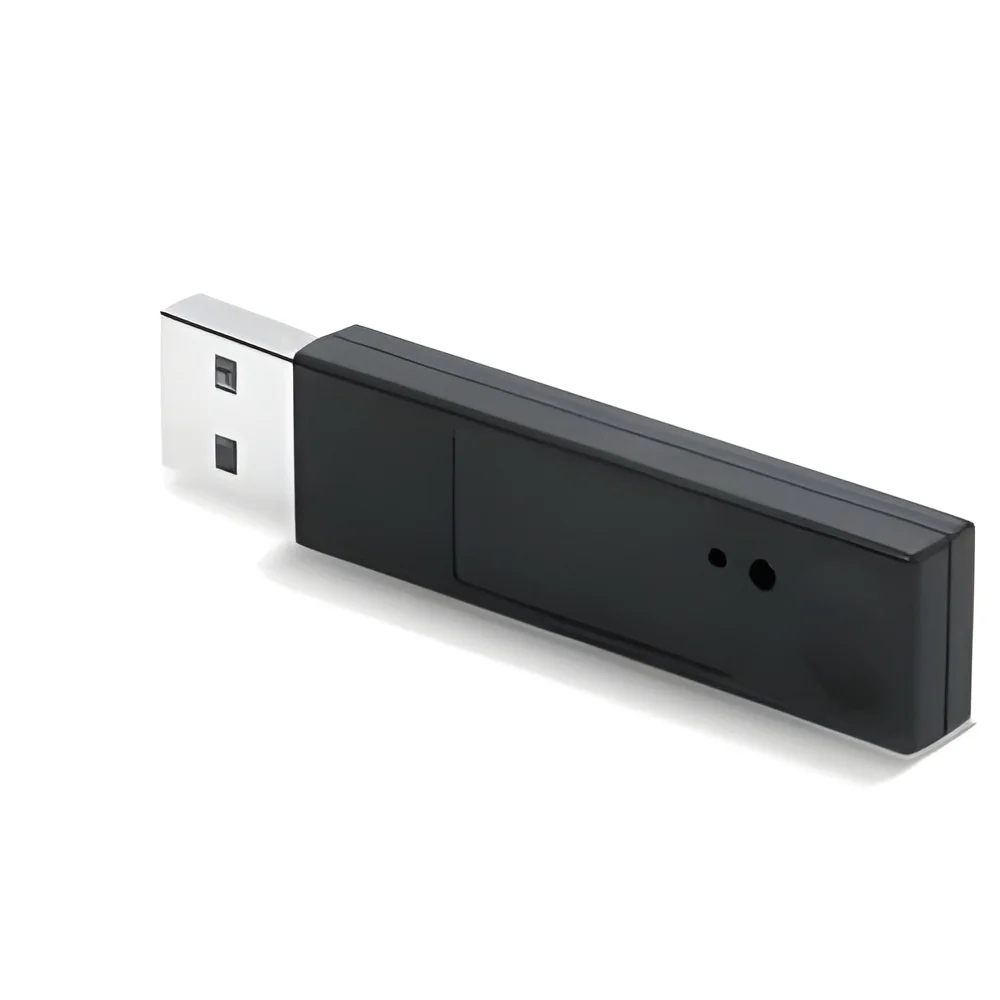
What are Memory Cards & Storage Devices?
Memory cards and storage devices are essential components in the modern digital landscape. They provide a means of storing and transferring data in various formats. Memory cards are small, portable storage devices commonly used in cameras, smartphones, and tablets. Storage devices can range from traditional hard drives to solid-state drives, offering larger capacities and faster data retrieval. Both types of storage solutions are crucial for both personal and professional applications.
In business settings, memory cards and storage devices are utilized for a variety of purposes. They facilitate data backup, enhance data transfer speeds, and support the storage of large amounts of information. Industries such as photography, videography, and data analytics rely heavily on these products to manage and protect critical data. The market for memory cards and storage devices continues to grow as businesses seek efficient ways to handle digital information.
As technology evolves, the relevance of high-capacity and high-speed storage options is increasingly recognized. This has led to innovations in memory card formats and storage device capabilities. Businesses are now more focused on finding reliable solutions that not only meet their storage needs but also adhere to industry standards and regulations.
Key Features and Specifications
Memory cards and storage devices come with diverse features and specifications that cater to various applications. Understanding these key specifications is vital for making informed purchasing decisions.
Key specifications include:
1. Storage Capacity
- Ranges from a few gigabytes to several terabytes
- Determines how much data can be stored
2. Read and Write Speeds
- Measured in megabytes per second (MB/s)
- Higher speeds enable faster data transfer and access
3. Form Factor
- Includes formats like SD, microSD, CF, and SSD
- Affects compatibility with devices
4. Durability
- Some cards are designed to be waterproof, shockproof, and temperature-resistant
- Essential for use in challenging environments
5. Compliance Standards
- Includes certifications like CE
- Ensures products meet safety and performance requirements
6. Interface Type
- SATA, USB, and PCIe are common interfaces for storage devices
- Affects connection speed and compatibility
7. Encryption Features
- Some storage devices offer built-in encryption
- Protects sensitive data from unauthorized access
8. Warranty Period
- Typically ranges from 1 to 10 years
- Indicates the manufacturer's confidence in product durability
In summary, understanding the key features and specifications of memory cards and storage devices can help businesses select the right products for their needs.
Common Applications and Use Cases
Memory cards and storage devices are utilized across various industries, each with unique applications.
1. Photography: Professional photographers rely on high-capacity memory cards to store high-resolution images. Fast write speeds are crucial for capturing multiple shots in quick succession.
2. Videography: In film production, storage devices are essential for recording large video files. High-speed SSDs are often used for editing and transferring data.
3. Healthcare: Medical imaging devices use memory cards to store patient data securely. Compliance with data protection regulations is vital in this sector.
4. Retail: Point-of-sale systems require reliable storage devices to handle transaction data. Consistent performance is essential for operational efficiency.
5. Education: Storage devices are used in educational settings for data management and backup. They facilitate access to digital learning resources.
6. Automotive: Memory cards are employed in navigation systems for storing maps and software updates. Reliability is crucial in this industry.
7. Gaming: High-capacity storage devices are necessary for gaming consoles to store large game files and downloadable content. Speed affects loading times and overall performance.
Product Variants and Subcategories
Memory cards and storage devices offer various variants to meet specific needs in different applications.
SD Cards
SD cards are widely used in cameras and mobile devices. They come in different capacities and speed classes, making them suitable for everything from casual photography to professional video recording.
USB Flash Drives
These portable storage devices are ideal for transferring files between computers. They are available in various capacities and can offer encryption features for added security.
Solid-State Drives (SSDs)
SSDs provide fast data access speeds and high storage capacities. They are commonly used in computers and servers, enhancing performance and reliability.
External Hard Drives
External hard drives are used for backing up large amounts of data. They are available in various capacities and connect via USB or Thunderbolt for easy access.
Benefits and Advantages
Investing in memory cards and storage devices offers numerous advantages for businesses.
1. Enhanced Data Security: Many storage devices come with encryption options, providing an extra layer of protection for sensitive information.
2. Increased Efficiency: High-speed memory cards and SSDs facilitate quicker data transfers, improving overall productivity in data-heavy operations.
3. Portability: Memory cards and USB drives are compact and easy to transport, making them ideal for mobile professionals and on-the-go data sharing.
4. Versatility: These devices are compatible with a wide range of gadgets and systems, allowing for flexible use across different applications.
5. Cost-Effectiveness: As technology advances, the cost of storage solutions decreases, providing businesses with affordable options for data management.
6. Reliability: High-quality memory cards and storage devices offer long-term durability and performance, reducing the risk of data loss.
Buying Guide for B2B Buyers
When sourcing memory cards and storage devices, several factors should be considered to ensure quality and reliability.
1. Quality Assessment: Evaluate the build quality and performance specifications. Look for products that meet industry standards and have a proven track record.
2. Supplier Verification: Vet potential suppliers by checking reviews, certifications, and their history in the market. Reliable suppliers will provide transparency and support.
3. Pricing and MOQ: Understand the pricing structure and minimum order quantities (MOQ) from suppliers. This could affect your procurement budget.
4. Delivery and Lead Times: Discuss logistics with suppliers to determine estimated delivery times. Timely access to products is critical for business operations.
5. Compliance Requirements: Ensure that the products meet necessary regulatory and compliance standards relevant to your industry. This may include safety, environmental, and data protection regulations.
Compliance and Certifications
Compliance and certifications are crucial in ensuring the quality and safety of memory cards and storage devices.
Many products adhere to relevant quality standards such as ISO 9001, which outlines quality management principles. This standard ensures that manufacturers maintain high production quality and customer satisfaction.
Additionally, industry certifications like CE indicate that the products meet European safety, health, and environmental protection requirements. This certification is essential for products sold in the European market.
Safety and testing requirements vary by region and application. Manufacturers should ensure their products undergo rigorous testing to meet these standards. Furthermore, regional compliance considerations may include specific regulations pertinent to electronic devices, which must be adhered to by suppliers.
Why Source Memory Cards & Storage Devices from Pepagora?
Pepagora provides a trusted platform for sourcing memory cards and storage devices, offering several key advantages for businesses.
Verified Supplier Network: Pepagora connects buyers with a network of verified suppliers. This ensures that businesses can source high-quality products from reputable manufacturers.
Streamlined RFQ Process: The quotation system on Pepagora simplifies the sourcing process. Buyers can easily request quotes and compare offers from multiple suppliers, saving time and effort.
Trade Assurance and Support: Pepagora offers trade assurance to protect buyers' interests. This includes support in case of issues with orders, ensuring a smooth purchasing experience.
Regional Coverage: Pepagora has a broad geographic reach, serving markets in India, the GCC, and Southeast Asia. This allows businesses to access a diverse range of products and suppliers tailored to their specific needs.

 IN
IN