šŖšµš®š š®šæš² šš®šŗš¶š»š“ šš²ššÆš¼š®šæš±š & š š¶š°š²?
Gaming keyboards and mice are specialized input devices designed to enhance the gaming experience. They are engineered with features that cater to gamers' specific needs, such as rapid response times, customizable keys, and ergonomic designs. Unlike standard keyboards and mice, gaming versions often include advanced technologies that improve performance and user comfort during extended gaming sessions.
These devices are primarily used in the gaming industry but also find applications in other sectors requiring precision and speed, such as eSports, simulation training, and professional gaming events. Businesses in the gaming sector, such as game developers and eSports teams, rely on these tools to enhance gameplay and improve user engagement. The market for gaming peripherals is growing, with increasing sales driven by the rising popularity of gaming among various demographics.
šš²š šš²š®šššæš²š š®š»š± š¦š½š²š°š¶š³š¶š°š®šš¶š¼š»š
Gaming keyboards and mice are equipped with various features that enhance functionality and improve user experience. Understanding these specifications is crucial for businesses looking to invest in high-quality gaming peripherals.
Key specifications include:
1. Key Switch Type
- Mechanical or membrane switches
- Varying actuation forces and response times
2. DPI (Dots Per Inch)
- Adjustable sensitivity settings
- Ranges from 400 to 20,000 DPI
3. Polling Rate
- Frequency of data transfer to the computer
- Typically ranges from 125 Hz to 1000 Hz
4. Backlighting
- RGB or single-color illumination
- Customizable lighting effects
5. Key Rollover
- Number of keys that can be pressed simultaneously
- Typically ranges from 6 to 100% anti-ghosting
6. Ergonomics
- Design features for comfort
- Includes wrist rests and adjustable heights
7. Connectivity
- Wired or wireless options
- USB or Bluetooth connectivity
8. Customization Software
- Software for remapping keys and adjusting settings
- Profiles for different games or users
In summary, understanding the key features and specifications of gaming keyboards and mice helps businesses make informed purchasing decisions that align with their operational needs.
šš¼šŗšŗš¼š» šš½š½š¹š¶š°š®šš¶š¼š»š š®š»š± šØšš² šš®šš²š
Gaming keyboards and mice serve various industries beyond traditional gaming.
1. eSports: Professional gamers rely on high-performance keyboards and mice for competitive play, where precision and speed are crucial.
2. Game Development: Developers use these peripherals during testing phases to ensure that games are optimized for user experience and gameplay.
3. Simulation: Industries involved in flight and vehicle simulation utilize gaming keyboards and mice to create realistic training environments.
4. Education: Institutions use gaming peripherals to enhance interactive learning experiences in technology and design courses.
5. Streaming: Content creators utilize gaming keyboards and mice for efficient control during live broadcasts and gaming sessions.
6. Graphic Design: Designers may use gaming mice for precise cursor control in graphic applications.
7. Virtual Reality: VR experiences often benefit from gaming keyboards and mice to enhance user interaction and immersion.
š£šæš¼š±šš°š š©š®šæš¶š®š»šš š®š»š± š¦ššÆš°š®šš²š“š¼šæš¶š²š
The diversity of gaming keyboards and mice caters to different user preferences and requirements.
Mechanical Keyboards
These keyboards offer tactile feedback with individual mechanical switches, making them ideal for gamers who prefer a responsive feel and faster actuation.
Wireless Mice
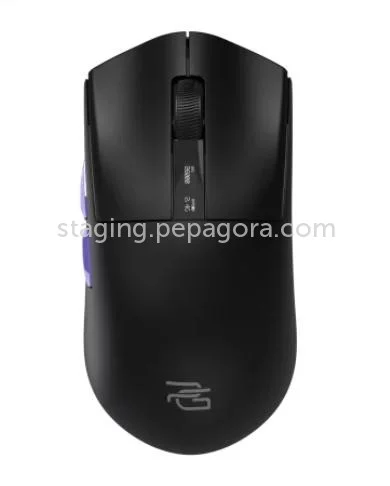
Designed for mobility and freedom of movement, wireless mice eliminate cable clutter while providing high precision, making them suitable for both casual and competitive gaming.
Gaming Mouse Pads
Complementing gaming mice, these pads provide a smooth surface for better tracking and enhanced accuracy.
Compact Keyboards
These keyboards, often referred to as tenkeyless, omit the numeric keypad to save space, catering to gamers who prefer a minimalist setup.
Ergonomic Mice
These mice are designed to reduce strain and improve comfort during long gaming sessions, appealing to users who prioritize health alongside performance.
šš²š»š²š³š¶šš š®š»š± šš±šš®š»šš®š“š²š
Investing in gaming keyboards and mice presents several advantages for businesses and gamers alike.
1. Enhanced Performance: High-quality peripherals improve reaction times and overall gameplay, providing a competitive edge.
2. Customization: Many gaming devices allow users to customize settings and macros, tailoring the experience to individual preferences.
3. Durability: Gaming keyboards and mice are built to withstand heavy use, making them a cost-effective investment for businesses.
4. Ergonomic Benefits: Many models are designed with comfort in mind, reducing the risk of repetitive strain injuries during extended use.
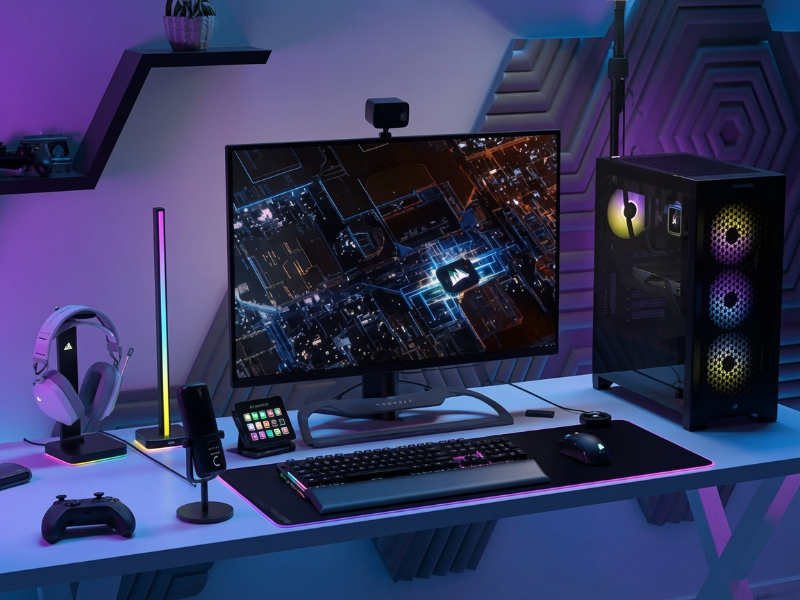
5. Aesthetic Appeal: RGB lighting and customizable designs enhance the visual appeal of gaming setups, which is important for streamers and content creators.
6. Compatibility: Most gaming keyboards and mice are compatible with various systems and platforms, ensuring flexibility for users.
šššš¶š»š“ ššš¶š±š² š³š¼šæ šš®š šššš²šæš
When sourcing gaming keyboards and mice, B2B buyers should consider several key factors to ensure they make informed decisions.
1. Quality Assessment: Evaluate the durability and performance of products through reviews and specifications. Look for brands with a reputation for reliability in the gaming community.
2. Supplier Verification: Vet suppliers by checking their credentials, customer reviews, and industry certifications to ensure they meet quality standards.
3. Pricing and MOQ: Compare pricing structures and minimum order quantities (MOQ) among different suppliers to find a balance between quality and cost-effectiveness.
4. Delivery and Lead Times: Discuss logistics with suppliers to understand lead times and delivery options, ensuring timely availability of products.
5. Compliance Requirements: Ensure that the products meet relevant safety and compliance standards, such as CE certifications, to avoid regulatory issues.
šš¼šŗš½š¹š¶š®š»š°š² š®š»š± šš²šæšš¶š³š¶š°š®šš¶š¼š»š
Gaming keyboards and mice must comply with various quality standards and certifications to ensure safety and performance.
ISO 9001 is a widely recognized standard that ensures quality management systems are in place, leading to consistent product quality.
CE certification indicates that products meet European health, safety, and environmental protection standards, enhancing their marketability in Europe.
Safety and testing requirements are crucial, particularly for electronic devices. Products must undergo testing to ensure they are safe for consumer use and do not pose any hazards.
Regional compliance considerations may vary, and buyers should be aware of local regulations that may affect the import and sale of gaming peripherals.
šŖšµš š¦š¼ššæš°š² šš®šŗš¶š»š“ šš²ššÆš¼š®šæš±š & š š¶š°š² š³šæš¼šŗ š£š²š½š®š“š¼šæš®?
Pepagora provides a trusted platform for sourcing gaming keyboards and mice, offering several key advantages to buyers.
Verified Supplier Network: Pepagora ensures that suppliers are thoroughly vetted, providing buyers with confidence in product quality and reliability.
Streamlined RFQ Process: The platform simplifies the request for quotation process, allowing buyers to obtain competitive pricing and product details quickly.
Trade Assurance and Support: Pepagora offers buyer protection through trade assurance, minimizing risks associated with online transactions.
Regional Coverage: With a broad geographic reach, Pepagora connects buyers from India, the GCC, and Southeast Asia to a diverse range of suppliers, facilitating efficient sourcing of gaming peripherals.