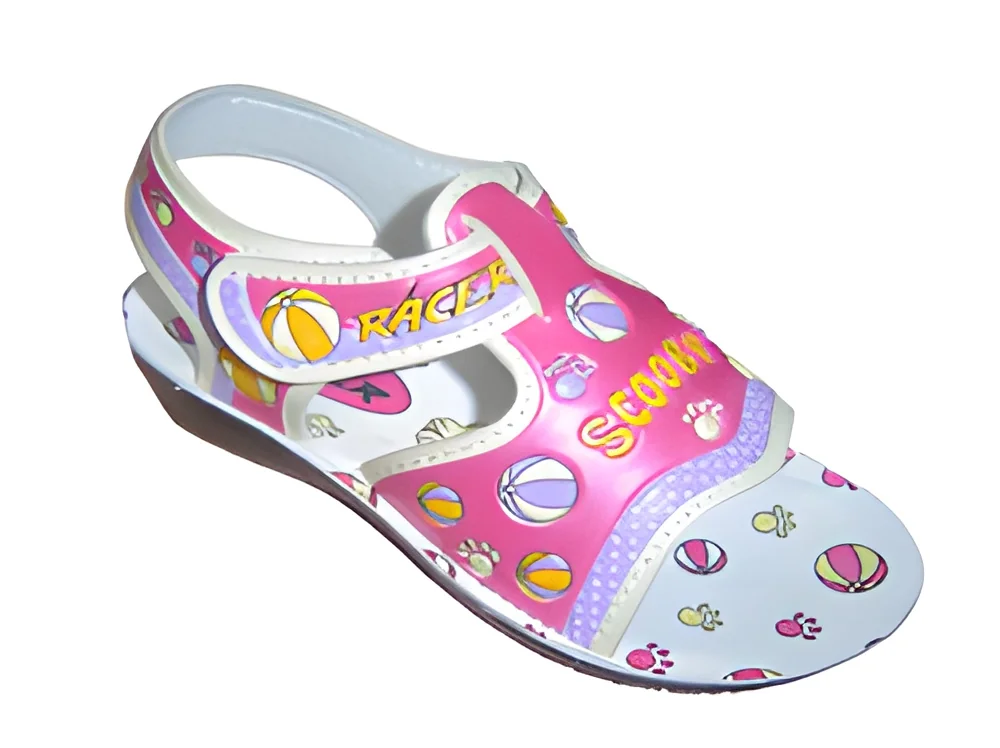
What are Kids' School Sports Shoes?
Kids' school sports shoes are specially designed footwear tailored for children's physical activities in school settings. These shoes provide the necessary support, comfort, and traction required for various sports and recreational activities. Unlike regular shoes, they are constructed with specific features that cater to the active nature of children, ensuring they can engage fully in sports while maintaining foot health.
The primary uses of these shoes include daily physical education classes, organized sports events, and recreational play. They are essential in helping children perform efficiently in different sports, such as soccer, basketball, and running. Schools and educational institutions often prioritize these shoes for their students to encourage physical activity and promote a healthy lifestyle among young learners.
In the current market, the demand for kids' school sports shoes continues to rise alongside the growing emphasis on physical fitness and health in educational programs. Manufacturers are responding to this demand by innovating designs that incorporate advanced materials and technology, making these shoes not only functional but also appealing to children. The relevance of these shoes in the B2B market is significant, as schools, sports organizations, and retailers seek quality footwear that meets safety standards and enhances performance.
Key Features and Specifications
Kids' school sports shoes come equipped with various features designed to enhance performance and ensure safety. When evaluating these shoes, it is essential to consider specific specifications that highlight their quality and suitability for active use.
Key specifications include:
1. Upper Material
- Typically made from breathable mesh or synthetic materials
- Provides flexibility and comfort
2. Sole Material
- Made from rubber or EVA for durability and traction
- Offers shock absorption for impact protection
3. Weight
- Generally lightweight to facilitate ease of movement
- Helps reduce fatigue during extended use
4. Size Range
- Available in various sizes to accommodate growing feet
- Ensures a proper fit for optimal performance
5. Design Features
- Often includes reinforced toe caps for added protection
- May feature adjustable straps or laces for a secure fit
6. Cushioning
- Includes padded insoles for comfort during activities
- Provides support to prevent foot fatigue
7. Breathability
- Designed with ventilation features to keep feet cool
- Helps manage moisture during physical activities
8. Safety Standards
- Complies with relevant safety certifications such as CE
- Ensures reliability in performance and materials used
In summary, understanding the key features and specifications of kids' school sports shoes is essential for making informed purchasing decisions. These specifications help ensure that the footwear meets the demands of active children while providing safety and comfort.
Common Applications and Use Cases
Kids' school sports shoes serve a variety of applications across several industries. Understanding these applications can assist businesses in selecting the right footwear for their needs.
1. Education Sector: Many schools require students to wear appropriate footwear during physical education classes and sports. These shoes promote safety and comfort, enabling students to engage fully in physical activities.
2. Sports Organizations: Sports clubs and teams often need specialized footwear for their young athletes. These shoes are designed to enhance performance and provide the necessary support during practices and competitions.
3. Retail: Retailers that specialize in children's products can benefit from offering a diverse range of kids' school sports shoes. This supports parents in finding suitable footwear for their children’s active lifestyles.
4. Health and Wellness: Organizations promoting health and wellness initiatives for children often recommend the use of quality sports shoes to encourage physical activity and outdoor play. These shoes are essential in fostering a culture of fitness among youth.
5. Footwear Manufacturing: Manufacturers focusing on children's footwear have a growing market for producing durable and stylish sports shoes tailored for school use. This industry is evolving with new technologies aimed at improving performance and safety.
6. Non-Profit Organizations: Non-profits focusing on youth sports programs often require bulk purchases of sports shoes for underprivileged children. Providing quality footwear can significantly enhance participation in sports activities.
7. Events and Competitions: Schools and organizations hosting sports events may require bulk orders of kids' sports shoes for participants. Ensuring uniformity in footwear can enhance the overall experience of the event.
Product Variants and Subcategories
Kids' school sports shoes offer a range of variants designed to meet different preferences and requirements. These variants enhance the diversity of available options for various activities.
Running Shoes: These shoes are specifically designed for high-performance running. They feature lightweight materials and superior cushioning, making them ideal for track and field events as well as casual running.
Basketball Shoes: Tailored for basketball players, these shoes provide ankle support and grip on the court. They are designed to withstand the quick movements associated with the sport while ensuring comfort.
Soccer Cleats: Soccer cleats are designed for traction on grass and turf fields. These shoes have specialized stud configurations to enhance stability and performance during gameplay.
Training Shoes: These versatile shoes are suitable for various physical activities and gym exercises. They offer excellent support and durability, making them ideal for school fitness programs.
Lifestyle Sneakers: While not specifically for sports, lifestyle sneakers are popular among kids for everyday wear. They often feature trendy designs and comfortable materials, appealing to children’s fashion preferences.
Benefits and Advantages
Choosing kids' school sports shoes provides several advantages that can positively impact children's performance and well-being.
1. Enhanced Performance: Sports shoes are designed to improve stability and traction, allowing children to perform at their best during physical activities.
2. Injury Prevention: Proper footwear helps reduce the risk of injuries related to sports, such as sprains and blisters. Protective features contribute to overall foot health.
3. Comfort: Kids' school sports shoes are built with cushioning and support, ensuring that children remain comfortable during prolonged use.
4. Durability: Quality materials used in the construction of these shoes ensure they withstand the wear and tear of daily activities, providing long-lasting use.
5. Style and Appeal: With various designs and colors, these shoes attract children's attention, encouraging them to engage in sports and physical activities.
6. Support for Growth: Designed to accommodate growing feet, these shoes provide the necessary support for children’s foot development, promoting healthy growth patterns.
Buying Guide for B2B Buyers
When sourcing kids' school sports shoes, B2B buyers should consider several important factors to ensure they make the right choice for their needs.
1. Quality Assessment: Evaluate the materials and construction quality of the shoes. Look for shoes that meet recognized safety standards and provide comfort and durability.
2. Supplier Verification: Ensure that suppliers have a proven track record in the industry. Check for certifications and reviews to confirm their reliability and product quality.
3. Pricing and MOQ: Understand the pricing structure and minimum order quantities. This will help you manage your budget and inventory effectively while ensuring you meet demand.
4. Delivery and Lead Times: Assess the supplier’s capability to deliver on time. Understanding lead times is crucial for planning inventory and ensuring product availability.
5. Compliance Requirements: Familiarize yourself with any regional compliance and safety requirements. Ensure that products meet necessary certifications to avoid legal issues and ensure safety.
Compliance and Certifications
Kids' school sports shoes must adhere to various quality standards and certifications to ensure safety and suitability for use. Relevant quality standards include ISO 9001, which outlines requirements for quality management systems, ensuring that manufacturers maintain high-quality production processes.
Additionally, industry certifications such as CE signify that products meet European safety, health, and environmental protection standards. These certifications are crucial for ensuring that the shoes are safe for children to wear during physical activities.
Safety and testing requirements are also vital in the production of kids' sports shoes. This includes evaluating materials for harmful substances and ensuring that the footwear can withstand the rigors of active use.
Regional compliance considerations may vary, so it is essential for manufacturers to stay informed about local regulations and standards applicable to children's footwear in different markets.
Why Source Kids' School Sports Shoes from Pepagora?
Pepagora provides a trusted platform for sourcing kids' school sports shoes, offering several key advantages for B2B buyers.
Verified Supplier Network: Pepagora connects buyers with a network of verified suppliers. This ensures that businesses can find reliable sources of quality footwear that meet their specific needs.
Streamlined RFQ Process: The platform simplifies the request for quotation process, making it easy for buyers to obtain competitive pricing and options from multiple suppliers in one place.
Trade Assurance and Support: With trade assurance, buyers are protected throughout the purchasing process. Pepagora offers support to facilitate smooth transactions, giving buyers peace of mind.
Regional Coverage: Pepagora's reach extends across India, the GCC, and Southeast Asia, allowing businesses to tap into a wide market for kids' school sports shoes. This regional coverage enhances accessibility and convenience for buyers looking to source quality products.

 IN
IN
 India
India