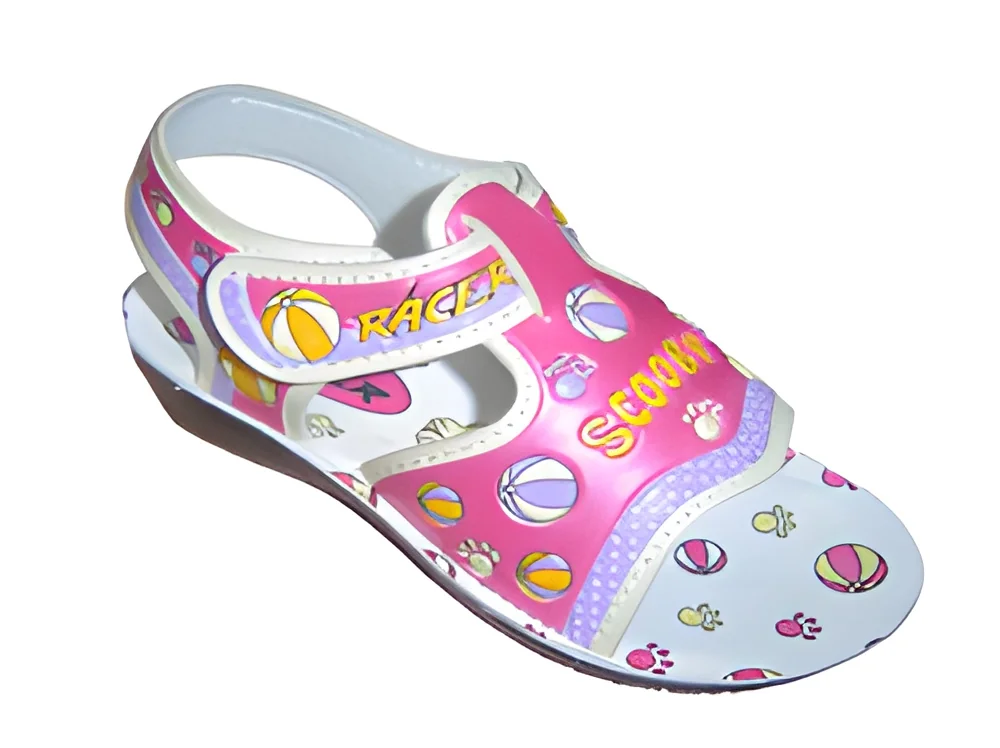
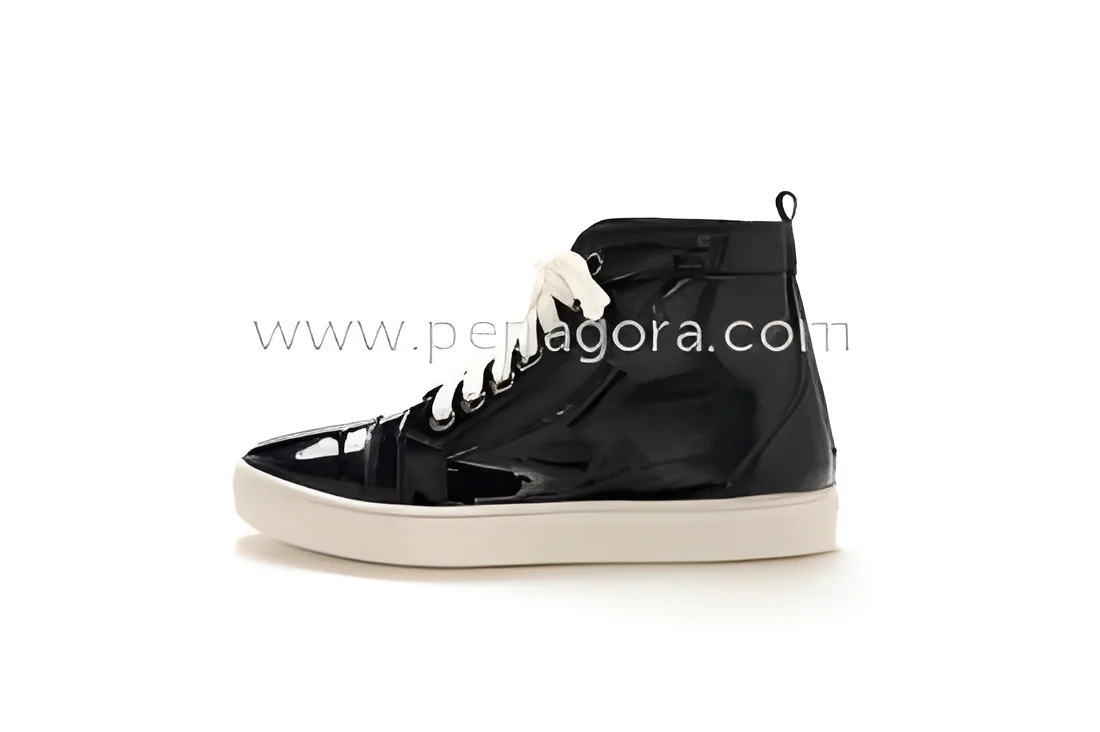
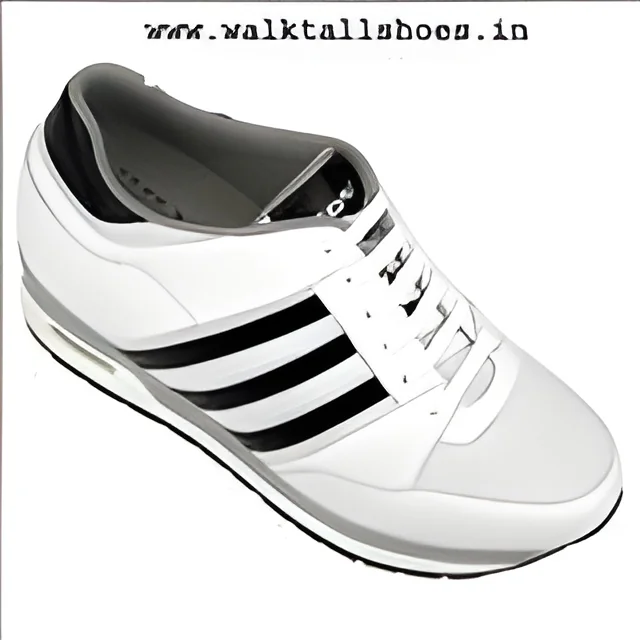
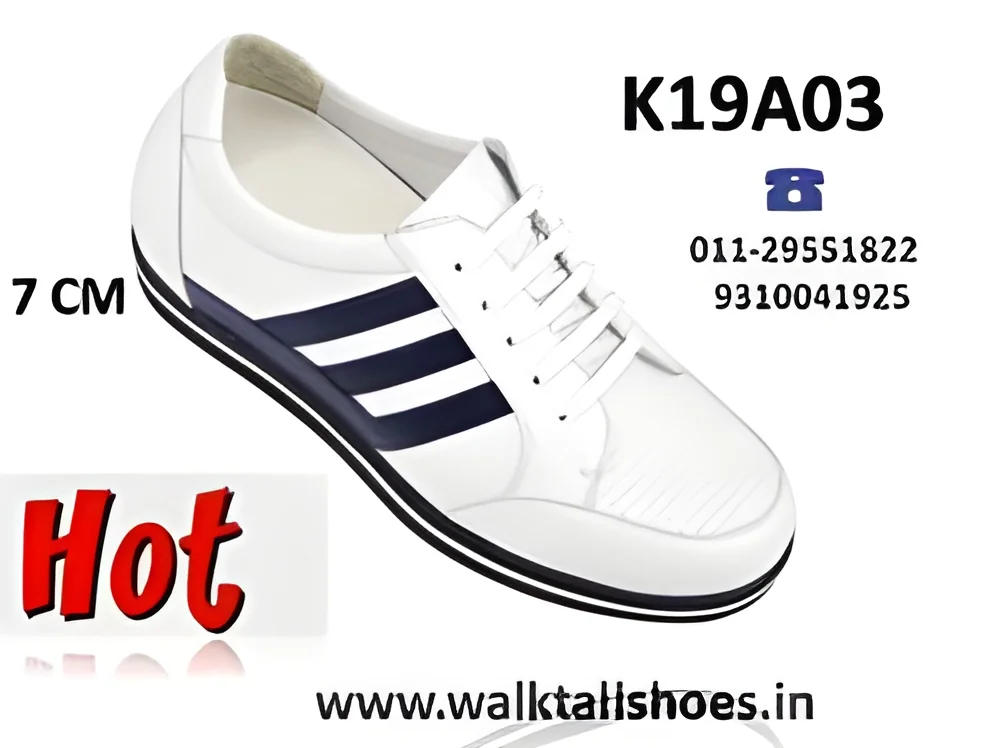
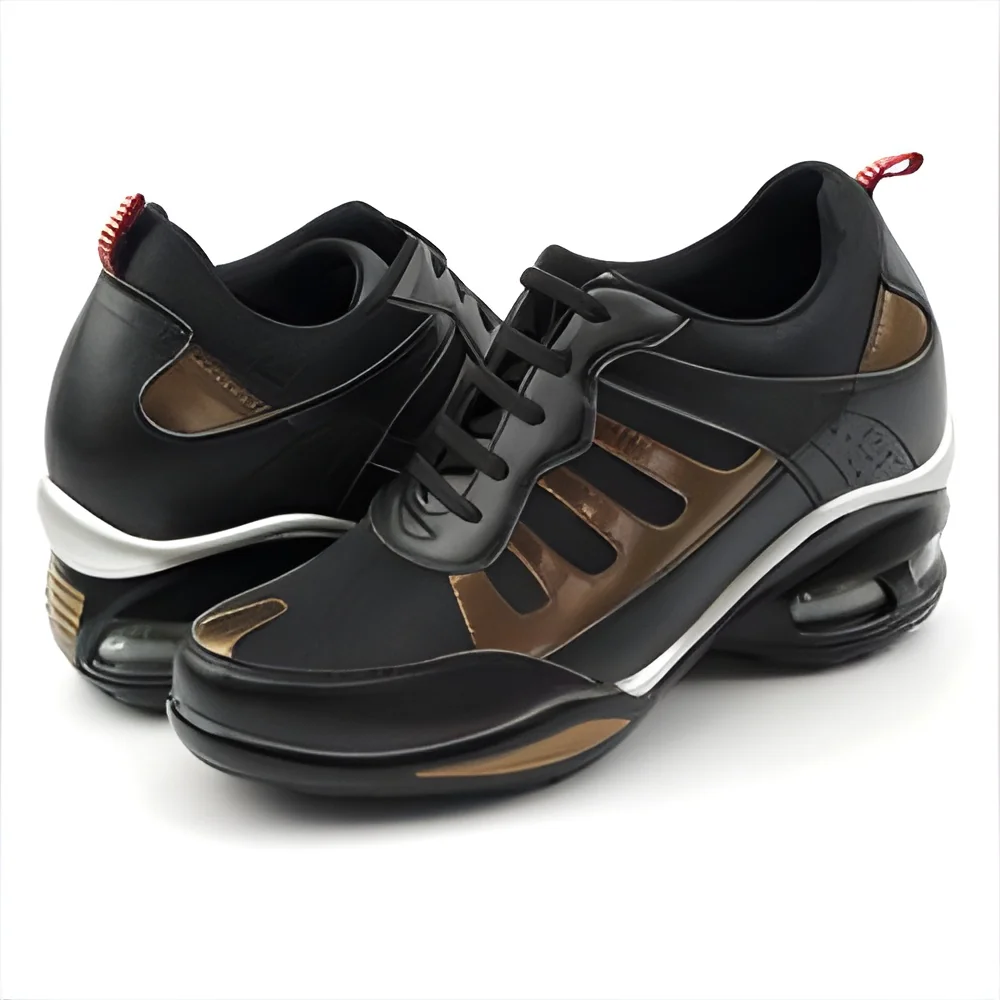
𝗪𝗵𝗮𝘁 𝗮𝗿𝗲 𝗦𝗽𝗼𝗿𝘁𝘀 𝗦𝗵𝗼𝗲𝘀 / 𝗦𝗻𝗲𝗮𝗸𝗲𝗿𝘀?
Sports shoes, commonly referred to as sneakers, are footwear specifically designed to provide support, comfort, and performance during physical activities. They are constructed with various materials that enhance breathability, cushioning, and durability. The design of sports shoes varies widely to meet the specific needs of different sports and activities, such as running, basketball, or cross-training.
These shoes are not only used for athletic purposes but also find applications in casual wear and lifestyle fashion. Businesses often purchase sports shoes in bulk for teams, events, or retail purposes. The growing popularity of fitness and wellness has significantly increased the demand for sports shoes in various markets. This shift has made sports shoes a vital component of the global footwear industry, with numerous brands vying for market share.
𝗞𝗲𝘆 𝗙𝗲𝗮𝘁𝘂𝗿𝗲𝘀 𝗮𝗻𝗱 𝗦𝗽𝗲𝗰𝗶𝗳𝗶𝗰𝗮𝘁𝗶𝗼𝗻𝘀
Sports shoes come with a variety of features that cater to the needs of athletes and casual users alike. Understanding these specifications is crucial for making informed purchasing decisions.
Key specifications include:
1. Material Composition
- Sports shoes are made from synthetic materials, leather, mesh, or a combination.
- The choice of material affects breathability, weight, and durability.
2. Cushioning Technology
- Many sports shoes incorporate advanced cushioning systems.
- This can include air pockets, gel inserts, or foam layers to absorb impact.
3. Sole Construction
- The sole may be made from rubber or EVA foam for traction and shock absorption.
- Different tread patterns are designed for various surfaces.
4. Weight
- The weight of sports shoes typically ranges from 200 to 400 grams.
- Lighter shoes are preferred for speed, while heavier options provide more support.
5. Arch Support
- Shoes are available with varying levels of arch support.
- Customizable options are also available for specific foot types.
6. Breathability
- Mesh uppers are common to enhance airflow.
- Breathable materials help regulate temperature during physical activity.
7. Design and Aesthetics
- Sports shoes come in various styles and colors to appeal to different consumer preferences.
- Brand logos and unique design elements can influence purchasing decisions.
A comprehensive understanding of these features can aid businesses in selecting the most suitable sports shoes for their specific applications.
𝗖𝗼𝗺𝗺𝗼𝗻 𝗔𝗽𝗽𝗹𝗶𝗰𝗮𝘁𝗶𝗼𝗻𝘀 𝗮𝗻𝗱 𝗨𝘀𝗲 𝗖𝗮𝘀𝗲𝘀
Sports shoes serve numerous industries, reflecting their versatility and functional design.
1. Athletics: Athletes use specialized running shoes that enhance performance by providing optimal support and cushioning during training or competition.
2. Retail: Retailers stock sports shoes as essential items, catering to customers seeking both performance and style in their footwear.
3. Team Sports: Sports organizations often purchase bulk quantities for teams, ensuring uniformity and branding during games and events.
4. Fitness Centers: Gyms and fitness studios require durable, comfortable footwear for various training activities, making sports shoes a staple in these environments.
5. Casual Wear: Many consumers wear sports shoes for everyday activities due to their comfort and style, expanding their market appeal beyond sports.
6. Outdoor Activities: Hiking and trail running shoes are designed for outdoor enthusiasts, providing durability and traction on rugged terrains.
7. Fashion: The athleisure trend has propelled sports shoes into mainstream fashion, with many consumers opting for sneakers in casual settings.
𝗣𝗿𝗼𝗱𝘂𝗰𝘁 𝗩𝗮𝗿𝗶𝗮𝗻𝘁𝘀 𝗮𝗻𝗱 𝗦𝘂𝗯𝗰𝗮𝘁𝗲𝗴𝗼𝗿𝗶𝗲𝘀
The diversity of sports shoes is reflected in the various types available in the market. Different variants cater to specific activities and preferences.
Running Shoes
These shoes are designed for long-distance and short-distance running, featuring lightweight materials and advanced cushioning systems for comfort and efficiency.
Basketball Shoes
Engineered for support during intense lateral movements, basketball shoes offer high-top designs for ankle stability and traction for quick pivots on the court.
Cross-Training Shoes
Versatile footwear suitable for various workouts, cross-training shoes provide a balance of cushioning and stability for different training activities.
Lifestyle Sneakers
Fashion-forward designs that prioritize style while maintaining comfort, lifestyle sneakers are popular for casual wear and everyday use.
𝗕𝗲𝗻𝗲𝗳𝗶𝘁𝘀 𝗮𝗻𝗱 𝗔𝗱𝘃𝗮𝗻𝘁𝗮𝗴𝗲𝘀
Choosing sports shoes offers several advantages for businesses and consumers alike.
1. Enhanced Performance: Sports shoes are designed to improve athletic performance, providing necessary support and cushioning during physical activities.
2. Injury Prevention: Proper footwear can help prevent injuries by offering stability and support, reducing the risk of strains and sprains.
3. Comfort and Fit: The right pair of sports shoes ensures comfort, allowing users to perform better and longer without discomfort.
4. Versatility: Many sports shoes can be used across different activities, making them a cost-effective option for consumers.
5. Style Options: With a variety of designs and colors available, sports shoes can cater to individual tastes while serving functional purposes.
6. Brand Loyalty: Quality sports shoes can build brand loyalty among consumers, encouraging repeat purchases and positive word-of-mouth.
𝗕𝘂𝘆𝗶𝗻𝗴 𝗚𝘂𝗶𝗱𝗲 𝗳𝗼𝗿 𝗕𝟮𝗕 𝗕𝘂𝘆𝗲𝗿𝘀
When sourcing sports shoes, businesses should consider several key factors to ensure a successful purchase.
1. Quality Assessment: Evaluate the quality of materials and construction. Look for shoes that meet performance standards and offer durability.
2. Supplier Verification: Vet potential suppliers to ensure they have a reputable track record. Check references and past performance to mitigate risks.
3. Pricing and MOQ: Understand the pricing structure and minimum order quantities. Negotiate terms that align with your business needs and budget.
4. Delivery and Lead Times: Inquire about logistics and expected delivery times to ensure timely fulfillment of orders.
5. Compliance Requirements: Be aware of any regional compliance standards or certifications required for sports shoes to ensure they meet safety and quality regulations.
𝗖𝗼𝗺𝗽𝗹𝗶𝗮𝗻𝗰𝗲 𝗮𝗻𝗱 𝗖𝗲𝗿𝘁𝗶𝗳𝗶𝗰𝗮𝘁𝗶𝗼𝗻𝘀
Compliance with industry standards is crucial for sports shoes to ensure safety and quality.
Relevant quality standards include ISO 9001, which outlines requirements for quality management systems, helping manufacturers maintain consistent quality.
Industry certifications, like CE marking, indicate that products meet European safety, health, and environmental protection standards. This certification is essential for market acceptance in Europe.
Safety and testing requirements often involve assessments for durability, performance, and material safety.
Regional compliance considerations may vary, so understanding local regulations is vital for businesses sourcing sports shoes in different markets.
𝗪𝗵𝘆 𝗦𝗼𝘂𝗿𝗰𝗲 𝗦𝗽𝗼𝗿𝘁𝘀 𝗦𝗵𝗼𝗲𝘀 / 𝗦𝗻𝗲𝗮𝗸𝗲𝗿𝘀 𝗳𝗿𝗼𝗺 𝗣𝗲𝗽𝗮𝗴𝗼𝗿𝗮?
Pepagora offers a reliable platform for sourcing sports shoes, providing numerous advantages to B2B buyers.
Verified Supplier Network: Pepagora collaborates with a network of verified suppliers, ensuring that buyers can trust the quality and reliability of the products they purchase.
Streamlined RFQ Process: The platform facilitates a straightforward request for quotation process, making it easy for buyers to receive competitive pricing and terms from multiple suppliers.
Trade Assurance and Support: Pepagora offers buyer protection through trade assurance, ensuring that transactions are secure and that buyers receive the products as promised.
Regional Coverage: With a strong presence in India, the GCC, and Southeast Asia, Pepagora provides extensive regional coverage, making it easier for businesses to source sports shoes that meet their specific needs.

 IN
IN