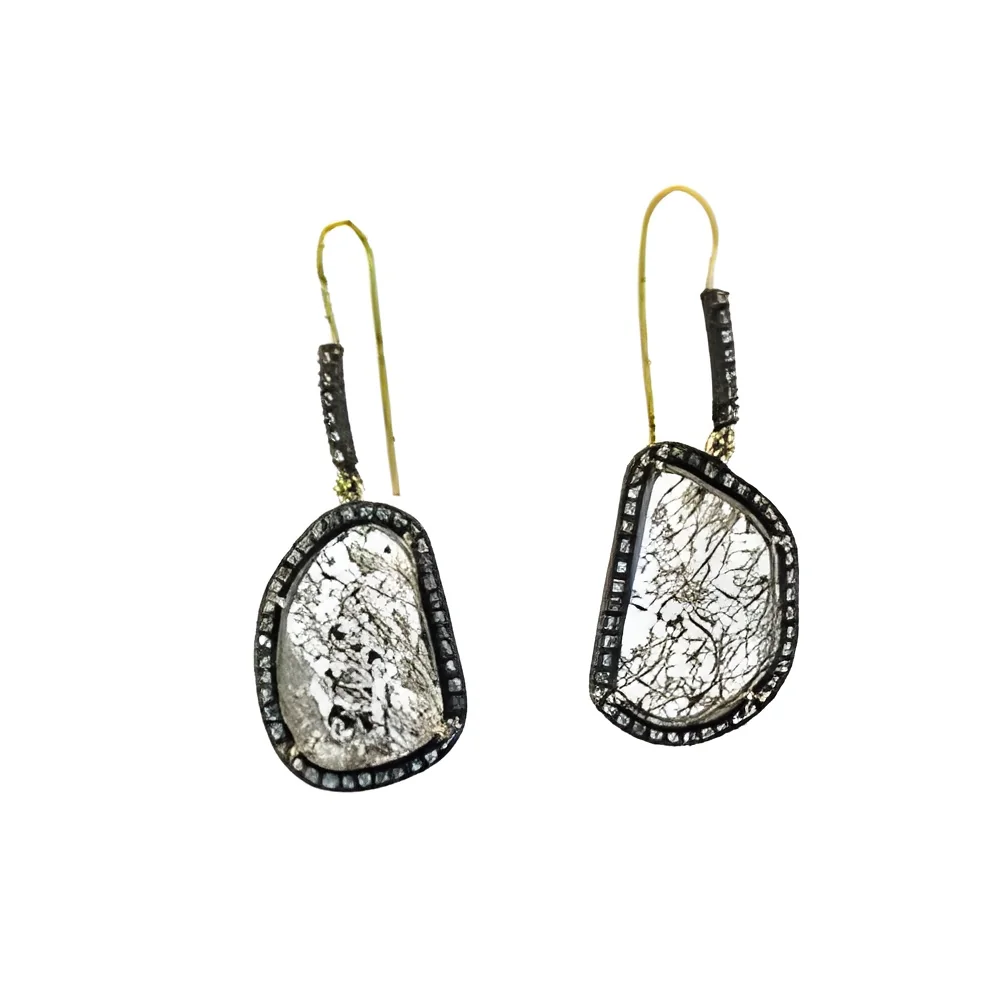
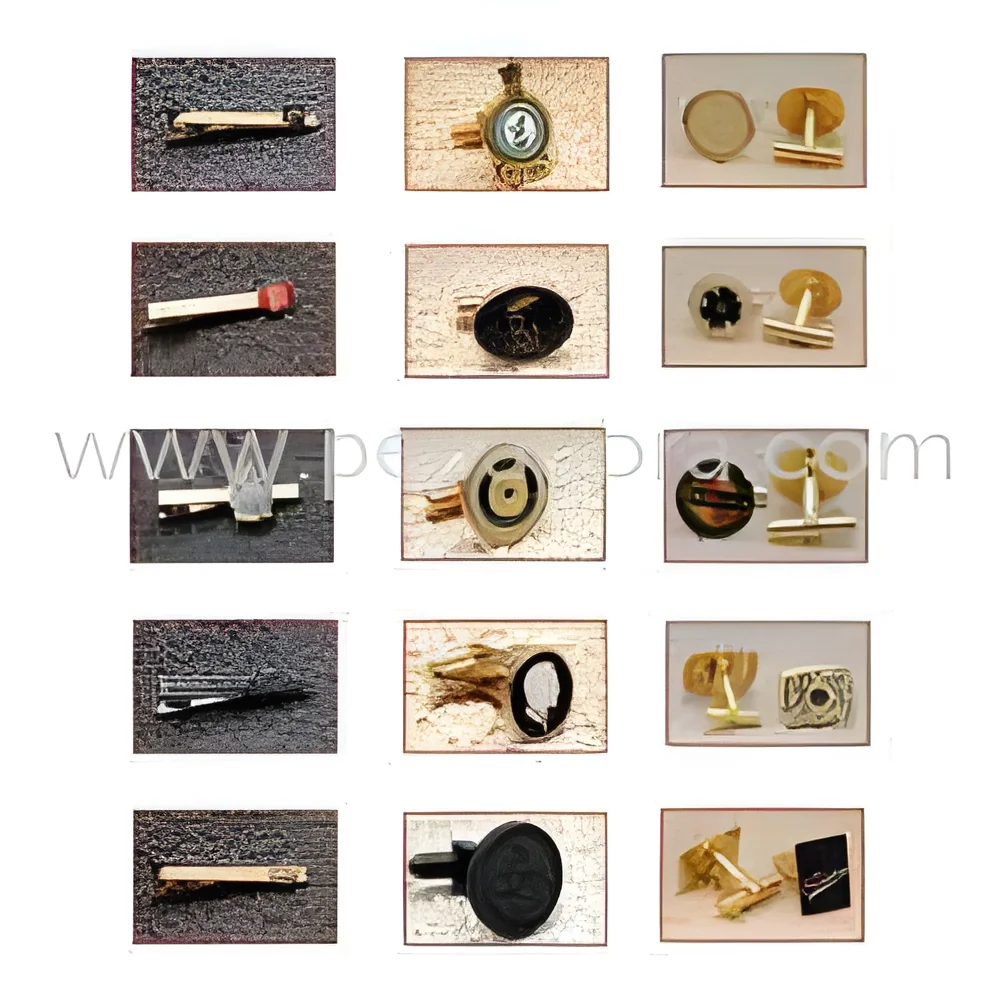
What are Jewelry & Accessory Photography?
Jewelry and accessory photography is a specialized field that focuses on capturing high-quality images of jewelry items and fashion accessories. This type of photography highlights the intricate details, textures, and designs of the products, enabling potential buyers to appreciate their beauty and craftsmanship. Photographers often use advanced techniques, equipment, and lighting to ensure that the final images are visually appealing and accurately represent the products.
The primary uses of jewelry and accessory photography include marketing, e-commerce, and promotional materials for businesses in the jewelry and fashion industries. These images are crucial for online stores, catalogs, and advertisements, as they help convey the quality and style of the items being sold. In a highly competitive market, stunning visuals can significantly influence purchasing decisions and brand perception, making this type of photography essential for businesses.
In terms of industry relevance, jewelry and accessory photography plays a vital role in the global market, where aesthetic presentation is key. As e-commerce continues to grow, the demand for high-quality product images has surged, pushing businesses to invest in professional photography services. This trend emphasizes the importance of visual content in driving sales and enhancing customer engagement.
Key Features and Specifications
Jewelry and accessory photography encompasses several important features and specifications that ensure the quality and effectiveness of the images produced. Understanding these specifications is crucial for businesses when selecting a photography service provider.
Key specifications include:
1. Image Resolution
- High-resolution images are essential for capturing fine details.
- Typical resolutions range from 300 DPI for print to 72 DPI for web use.
2. Lighting Techniques
- Proper lighting is critical to highlight textures and colors.
- Common techniques include softbox lighting and natural light setups.
3. Background Options
- Various background choices can enhance product presentation.
- Options include white, black, and colored backdrops for contrast.
4. Camera Equipment
- Professional-grade cameras and lenses are standard for quality images.
- Macro lenses are often used to capture intricate details.
5. Post-Processing
- Editing software is utilized for color correction and retouching.
- Final images may undergo sharpening and noise reduction processes.
6. Stylistic Choices
- Creative styling can enhance the appeal of jewelry.
- Options can include props, models, or thematic settings.
7. Consistency Standards
- Maintaining a consistent style across product lines is important.
- This includes uniform lighting, angles, and backgrounds.
8. File Formats
- Various file formats are used for different purposes.
- Common formats include JPEG for web and TIFF for print.
In summary, understanding these specifications helps businesses choose the right photography services that meet their quality and presentation standards.
Common Applications and Use Cases
Jewelry and accessory photography serves a wide range of industries beyond just jewelry retailers.
1. E-commerce: Online retailers use high-quality images to showcase products effectively on their websites, enhancing customer engagement and driving sales.
2. Fashion: Fashion brands utilize jewelry photography in advertising campaigns and lookbooks to present their collections and coordinate accessories with outfits.
3. Marketing: Marketing agencies incorporate these images into promotional materials, such as brochures and digital ads, to attract potential customers.
4. Social Media: Influencers and brands leverage striking visuals on platforms like Instagram to promote jewelry and accessories, influencing consumer trends.
5. Trade Shows: Exhibitors use professional photography in their displays to draw attention and showcase products to potential buyers at events.
6. Editorial: Magazines and online publications require high-quality images for features and articles about jewelry trends and design.
7. Custom Designs: Artisans and designers use photography to document and promote bespoke pieces to potential clients and showcase their craftsmanship.
Product Variants and Subcategories
Jewelry and accessory photography offers diverse options to meet various business needs. Although specific subcategories are not available, the following variants illustrate the breadth of choices.
Lighting Setup Photography
This variant focuses on using different lighting setups to enhance the appearance of jewelry. It can include studio lighting, natural light, or a combination of both to achieve desired effects.
Lifestyle Photography
Lifestyle photography incorporates jewelry into real-life settings, showcasing how pieces look when worn. This approach helps customers visualize products in everyday contexts, increasing purchase motivation.
Flat Lay Photography
Flat lay photography arranges jewelry and accessories on a flat surface for a clean, organized look. This style highlights the products while allowing for creativity in arrangement and styling.
Macro Photography
Macro photography emphasizes extreme close-ups of jewelry details, such as gemstones and intricate designs. This technique is ideal for highlighting craftsmanship and quality.
Benefits and Advantages
Investing in jewelry and accessory photography offers several key benefits for businesses.
1. Enhanced Visual Appeal: High-quality images attract attention and create a strong first impression, encouraging potential customers to explore further.
2. Increased Sales: Professional photography can lead to higher conversion rates as customers are more likely to purchase products that are visually appealing and well-presented.
3. Brand Differentiation: Unique photography styles help brands stand out in a crowded market, reinforcing brand identity and value.
4. Improved Marketing Performance: Effective images can boost engagement across digital marketing channels, leading to better campaign performance and reach.
5. Customer Trust: Quality visuals build trust with customers, as they reflect the professionalism and attention to detail of the brand.
6. Versatile Use: Images can be repurposed across various platforms, including websites, social media, and printed materials, maximizing the return on investment.
Buying Guide for B2B Buyers
When sourcing jewelry and accessory photography, there are several important factors to consider.
1. Quality Assessment: Evaluate the quality of a photographer's portfolio to ensure their style and standards align with your brand's needs. Look for examples that showcase detail, composition, and overall aesthetics.
2. Supplier Verification: Vet potential photography service providers by checking client reviews, testimonials, and previous work. This ensures you choose a reliable partner.
3. Pricing and MOQ: Understand the pricing structure and minimum order quantities. Request quotes from multiple photographers to compare costs and services.
4. Delivery and Lead Times: Clarify delivery timelines for final images, as timely receipt is crucial for marketing campaigns and product launches.
5. Compliance Requirements: Ensure that the photography services meet any industry regulations or standards relevant to your business.
Compliance and Certifications
In the field of jewelry and accessory photography, compliance with quality standards and certifications is essential for ensuring the reliability and professionalism of services.
Relevant quality standards, such as ISO 9001, emphasize the importance of consistent quality management systems. This standard helps service providers maintain high levels of customer satisfaction through effective processes.
Industry certifications, such as CE, indicate that products meet European safety, health, and environmental protection standards. While jewelry photography itself may not have direct certifications, compliance with these standards reflects the overall quality and professionalism of the service provider.
Safety and testing requirements may not be explicitly defined for photography, but ensuring that all equipment used is safe and compliant with regulations is crucial.
Regional compliance considerations can vary, so it is wise for businesses to understand any local regulations that might affect their photography needs.
Why Source Jewelry & Accessory Photography from Pepagora?
Pepagora provides a trusted platform for sourcing jewelry and accessory photography with several key advantages.
Verified Supplier Network: Pepagora connects businesses with a network of verified suppliers, ensuring a reliable selection of photography services. This verification process builds confidence in the quality of offerings available.
Streamlined RFQ Process: The Request for Quotation system simplifies sourcing by allowing businesses to easily request and compare quotes from multiple suppliers. This efficiency saves time and ensures competitive pricing.
Trade Assurance and Support: Buyers benefit from trade assurance programs that protect their investments. Support services are also available to assist with any queries or issues during the sourcing process.
Regional Coverage: Pepagora's expansive reach covers key markets in India, GCC, and Southeast Asia. This regional focus allows businesses to find local suppliers, enhancing logistics and communication.
In conclusion, sourcing jewelry and accessory photography through Pepagora offers businesses a reliable and efficient way to access high-quality services tailored to their needs.

 IN
IN