What are Fashion Brand Campaign Photography?
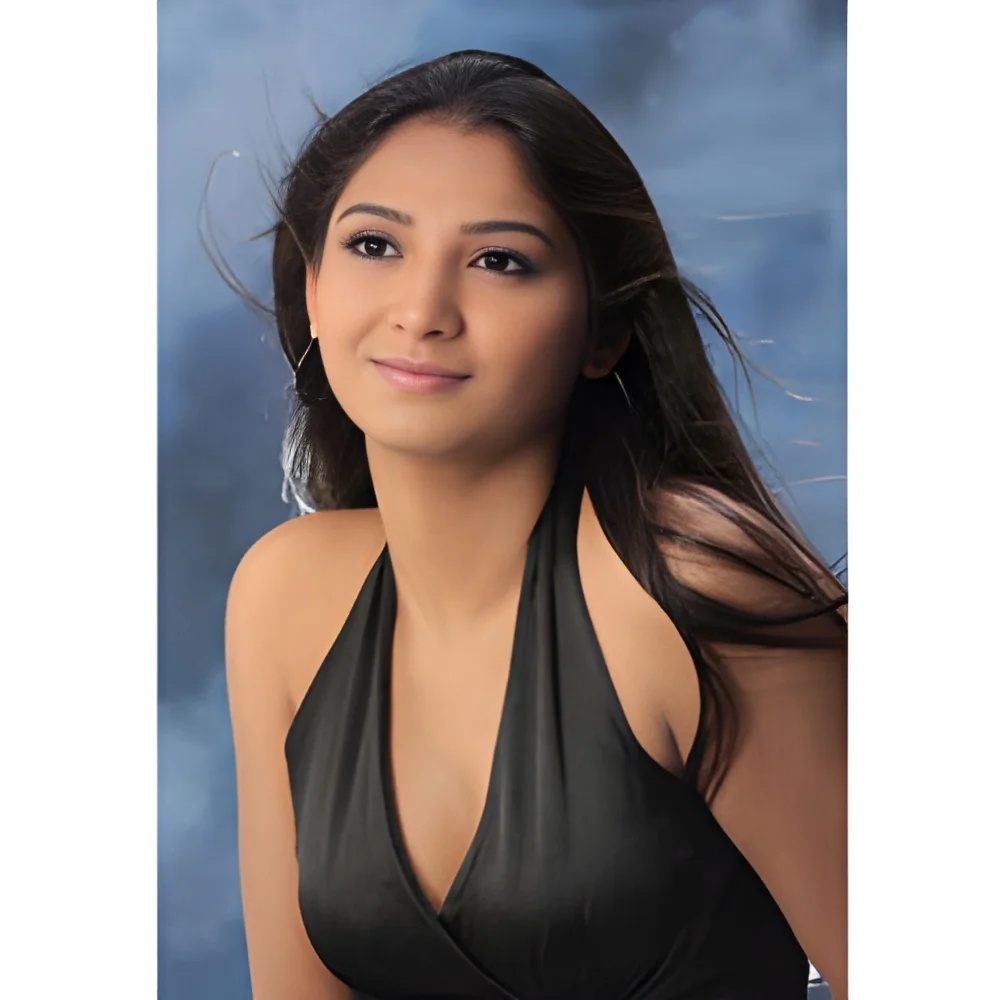
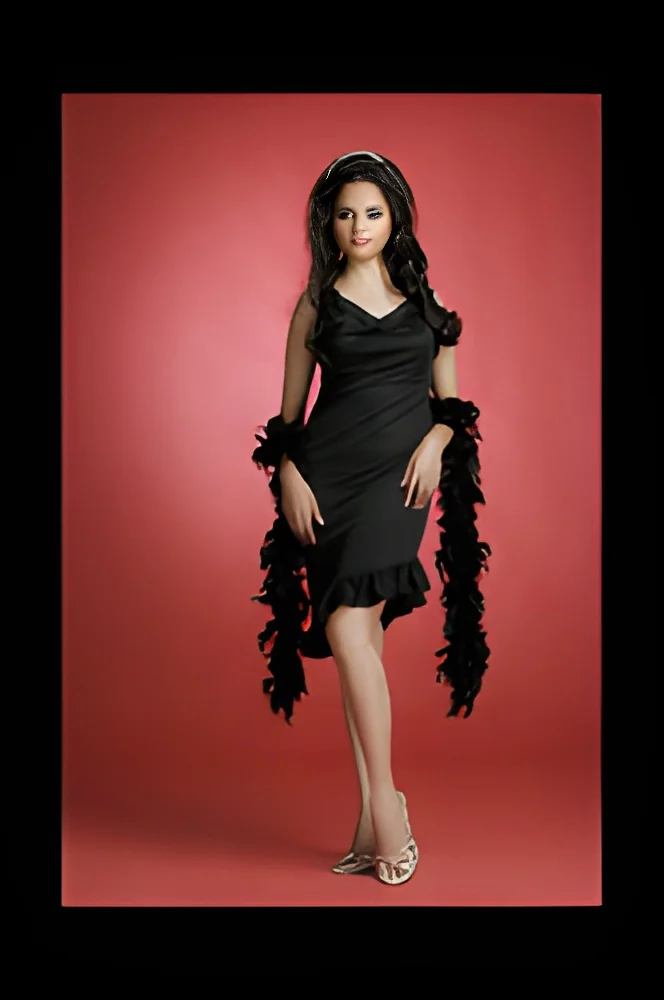
Fashion Brand Campaign Photography is a specialized branch of photography focused on visually representing fashion brands and their collections. It involves creating high-quality images that capture the essence of a brand's identity, style, and target audience. This type of photography is characterized by its artistic approach, often featuring models styled in the latest fashion trends, set against curated backgrounds that enhance the overall aesthetic.
The primary uses of Fashion Brand Campaign Photography include marketing and advertising campaigns, lookbooks, and editorial spreads. Businesses leverage these compelling visuals in various channels such as social media, websites, and print materials to attract and engage consumers. The images serve to communicate the brand's message, highlight new collections, and evoke emotional responses that drive purchasing decisions.
In an industry that is constantly evolving, Fashion Brand Campaign Photography remains relevant by adapting to changing consumer preferences and technological advancements. With the rise of digital marketing and social media, the demand for high-quality fashion imagery has surged, making it a vital tool for brands looking to differentiate themselves in a competitive market.
Key Features and Specifications
Fashion Brand Campaign Photography is defined by its unique characteristics and technical specifications that enhance the visual storytelling of fashion brands. Understanding these features is essential for brands looking to make an impact in the fashion industry.
Key specifications include:
1. Resolution
- High-resolution images are essential for print and digital applications.
- Typically, images are shot in resolutions of 300 DPI (dots per inch) or higher for quality reproduction.
2. Lighting Techniques
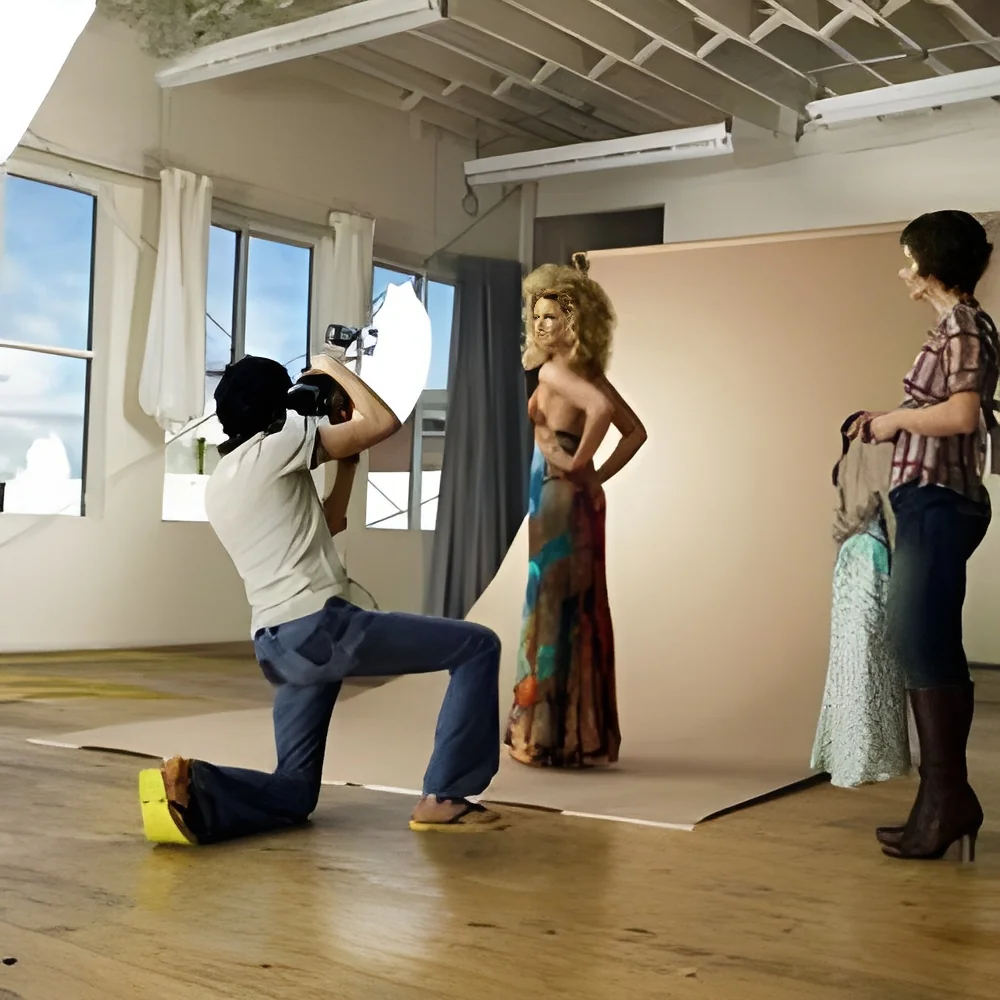
- Professional lighting setups are used to create desired moods and highlights.
- Use of natural light combined with artificial lighting is common to enhance visual appeal.
3. Equipment Quality
- High-end cameras and lenses are employed to ensure clarity and detail.
- Equipment often includes DSLRs or mirrorless cameras with a range of interchangeable lenses.
4. Styling and Direction
- Fashion stylists and art directors oversee styling choices and image composition.
- This includes selecting outfits, accessories, and props that align with brand aesthetics.
5. Editing and Post-Production
- Advanced editing techniques are applied to enhance colors, retouch images, and create a cohesive look.
- Software like Adobe Photoshop and Lightroom is commonly used.
6. Model Selection
- Diverse models are often chosen to represent the brand's target demographic.
- Consideration is given to body types, ethnicities, and styles that align with the brand's identity.
7. Location Scouting
- Thoughtfully chosen locations that complement the brand's image enhance the visual storytelling.
- Outdoor, studio, or urban settings can be selected based on campaign objectives.
In summary, these features and specifications play a crucial role in ensuring that Fashion Brand Campaign Photography meets industry standards and effectively communicates a brand's message.
Common Applications and Use Cases
Fashion Brand Campaign Photography is employed across various industries to showcase products and brands in visually engaging ways.
1. Retail Fashion: Retail brands utilize campaign photography for lookbooks and advertisements to promote seasonal collections and attract customers through visual storytelling.
2. E-commerce: Online fashion retailers rely on high-quality images to enhance product listings, ensuring customers can see items in detail before making purchases.
3. Magazines and Editorials: Fashion magazines feature campaign photography in editorial spreads, showcasing trends and offering style inspiration to readers.
4. Social Media Marketing: Brands leverage striking images for social media campaigns, creating visually appealing content that resonates with followers and boosts engagement.
5. Influencer Collaborations: Fashion brands often partner with influencers who use campaign photography to promote products, reaching wider audiences through authentic endorsements.
6. Fashion Shows: Campaign photography is also used in promotional materials for fashion shows, highlighting collections and creating buzz within the industry.
7. Brand Storytelling: Companies utilize these visuals in storytelling campaigns, emphasizing their brand values and mission through compelling imagery.
Product Variants and Subcategories
Fashion Brand Campaign Photography encompasses a range of styles and approaches, reflecting the diversity within the fashion industry.
Classic Campaign Photography
This variant focuses on traditional looks and setups that emphasize the clothing and accessories being showcased. It often features clean backgrounds and structured compositions.
Lifestyle Campaign Photography
This style captures models in real-life scenarios, showcasing how fashion fits into everyday life. It aims to create an emotional connection with the audience.
Editorial Campaign Photography
Often found in magazines, this variant tells a story through a series of images. It typically features creative concepts and artistic direction that push fashion boundaries.
Benefits and Advantages
Choosing Fashion Brand Campaign Photography offers numerous advantages that can significantly impact a brand's market presence.
Key benefits include:
1. Enhanced Brand Image: High-quality visuals elevate a brand's perception, positioning it as a leader in the fashion industry.
2. Increased Engagement: Compelling photography attracts attention and encourages interaction on social media platforms and websites.
3. Improved Sales: Effective imagery can lead to higher conversion rates by enticing customers to make purchases.
4. Versatile Use: Images can be utilized across multiple marketing channels, including digital ads, print materials, and social media.
5. Emotional Connection: Well-crafted visuals evoke emotions, helping consumers relate to the brand and fostering loyalty.
6. Storytelling Capability: Campaign photography allows brands to tell their story visually, communicating their values and identity through imagery.
Buying Guide for B2B Buyers
When sourcing Fashion Brand Campaign Photography, buyers should consider several key factors to ensure they select the right service provider for their needs.
1. Quality Assessment: Evaluate the quality of a photographer's portfolio to ensure their style aligns with your brand's vision. Look for consistency in image quality and creativity.
2. Supplier Verification: Conduct thorough research to verify the credibility of potential suppliers. Check for reviews, previous work with reputable brands, and professionalism in communication.
3. Pricing and MOQ: Understand the pricing structure and minimum order quantities required by the photographer. Ensure that the costs align with your budget and project scope.
4. Delivery and Lead Times: Discuss timelines for project completion and delivery of images. Clear communication on deadlines is essential to meet marketing schedules.
5. Compliance Requirements: Be aware of any legal or compliance needs related to photography, such as model releases or copyright agreements.
Compliance and Certifications
Fashion Brand Campaign Photography must adhere to several compliance standards and industry certifications to ensure quality and safety.
Relevant quality standards such as ISO 9001 provide a framework for consistent quality management processes in photography services. This ensures that all aspects of the photography, from concept to execution, meet established quality benchmarks.
Industry certifications, such as CE marking, indicate compliance with health, safety, and environmental protection standards. Photographers and studios often seek these certifications to demonstrate their commitment to maintaining high operational standards.
Safety and testing requirements are critical, especially when working with models and on location. Photographers must adhere to safety protocols to ensure the well-being of all participants during shoots.
Additionally, regional compliance considerations may vary based on local laws and regulations governing photography. Awareness of these requirements helps in mitigating risks associated with photography projects.
Why Source Fashion Brand Campaign Photography from Pepagora?
Pepagora offers a trusted platform for sourcing Fashion Brand Campaign Photography, providing businesses with several key advantages.
Verified Supplier Network: Pepagora connects buyers with a network of verified suppliers, ensuring that photographers have a proven track record of delivering high-quality work.
Streamlined RFQ Process: The platform simplifies the request for quotation process, allowing buyers to easily receive and compare quotes from multiple suppliers, saving time and effort.
Trade Assurance and Support: Pepagora provides buyer protection through trade assurance, ensuring that transactions are secure and that buyers receive the services promised.
Regional Coverage: With a strong presence in India, GCC, and Southeast Asia, Pepagora offers regional coverage that facilitates connections between buyers and local suppliers, enhancing accessibility and convenience.
By choosing Pepagora, businesses can confidently source Fashion Brand Campaign Photography that aligns with their marketing objectives and brand identity.

 IN
IN