
 IN
Instant Noodles & Pasta
5 products available
What are Instant Noodles & Pasta?
Instant noodles and pasta are convenient food products that are pre-cooked and dehydrated, allowing for quick preparation. Instant noodles usually consist of wheat flour, water, and various flavorings, while pasta can be made from durum wheat semolina and water. Both products are designed for rapid cooking, typically requiring only a few minutes to prepare by adding boiling water or cooking in a microwave.
These products are widely used across various sectors, including food service, retail, and catering. They serve as a fast meal solution for busy consumers and are often utilized in institutional settings such as schools and hospitals. Businesses can also use them as ingredients in more complex dishes, enhancing the versatility of their offerings.
The market for instant noodles and pasta has expanded significantly over the years, driven by rising consumer demand for convenience foods. In addition to traditional flavors, manufacturers are increasingly introducing gourmet and health-conscious options. The growth of food delivery services and changing eating habits also contribute to the relevance of instant noodles and pasta in the current food industry landscape.
Key Features and Specifications
Instant noodles and pasta come with several key features that make them attractive to consumers and businesses alike. These features often include ease of preparation, long shelf life, and a wide variety of flavors and styles. The specifications of these products vary based on the manufacturer and target market.
Key specifications include:
1. Product Type
- Instant noodles are typically available in various forms, including cup noodles, packet noodles, and fried or non-fried options.
2. Cooking Time
- Instant noodles usually require 3 to 5 minutes of cooking time, while pasta may take 7 to 12 minutes, depending on the type.
3. Shelf Life
- Products generally have a shelf life ranging from 6 months to 2 years, depending on storage conditions.
4. Packaging Options
- Available in single-serve cups, bulk packets, and family-sized bags to meet diverse consumer needs.
5. Nutritional Information
- Products may contain various levels of protein, carbohydrates, and fats, often detailed on packaging for consumer transparency.
6. Flavor Variants
- Instant noodles can be found in flavors such as chicken, beef, seafood, and vegetarian, catering to different taste preferences.
7. Gluten-Free Options
- Some brands offer gluten-free noodles made from rice or other alternative grains.
8. Fortified Varieties
- Certain products are enriched with vitamins and minerals to enhance their nutritional value.
In summary, the specifications of instant noodles and pasta reflect a balance of convenience, variety, and quality, making them suitable for a wide range of applications.
Common Applications and Use Cases
Instant noodles and pasta serve various industries, demonstrating their versatility and adaptability.
1. Food Service Industry: Restaurants and cafes use instant noodles and pasta as base ingredients for quick meals, allowing for rapid meal preparation without compromising quality.
2. Retail Sector: Supermarkets and grocery stores stock a wide variety of instant noodles and pasta, appealing to busy consumers looking for easy meal solutions.
3. Catering Services: Catering businesses often include instant noodles and pasta in their menus, providing a quick and filling option for events and gatherings.
4. Educational Institutions: Schools and universities benefit from instant noodles as a cost-effective and easy meal option for students.
5. Healthcare Facilities: Hospitals and care homes utilize instant noodles and pasta for easy preparation and to accommodate dietary restrictions.
6. Military and Emergency Services: Instant noodles and pasta are popular in field rations due to their long shelf life and ease of preparation, making them ideal for emergency situations.
7. Convenience Stores: These products are commonly sold in convenience stores, catering to on-the-go consumers looking for quick meal options.
Product Variants and Subcategories
The diversity of instant noodles and pasta products allows for various options in the market, catering to different consumer preferences.
Traditional Instant Noodles: These noodles are often pre-fried and come with flavoring packets. They are quick to prepare and offer a range of flavors suitable for different tastes.
Whole Wheat Pasta: This variant focuses on health-conscious consumers. Made from whole wheat flour, it provides higher fiber content and is popular among those looking to maintain a balanced diet.
Rice Noodles: Popular in Asian cuisine, these gluten-free noodles are made from rice flour. They are ideal for consumers with gluten intolerance and are versatile for various dishes.
Egg Noodles: Made from wheat flour and eggs, these noodles are rich in flavor and used in many traditional recipes. They appeal to consumers seeking authentic, hearty meals.
Instant Pasta Bowls: These single-serve options come in convenient bowls and are designed for quick preparation. They often include vegetables and sauces for a complete meal.
Benefits and Advantages
Instant noodles and pasta offer numerous benefits that make them appealing to both consumers and businesses.
1. Convenience: These products are quick and easy to prepare, making them ideal for busy lifestyles and time-sensitive meal situations.
2. Cost-Effectiveness: Instant noodles and pasta are generally affordable, allowing consumers and businesses to manage food costs effectively.
3. Versatility: They can be used in a variety of dishes, from soups to stir-fries, allowing for creative meal options.
4. Long Shelf Life: With proper storage, these products can last for months, reducing food waste and ensuring availability.
5. Wide Variety: The diverse flavors and styles cater to various consumer preferences and dietary requirements, enhancing market appeal.
6. Nutritional Options: Many brands offer fortified or whole grain varieties, providing healthier choices for consumers.
Buying Guide for B2B Buyers
When sourcing instant noodles and pasta, it is essential for B2B buyers to consider several key factors to ensure they make informed purchasing decisions.
1. Quality Assessment: Evaluate the quality of products by reviewing samples and checking for consistency in texture, flavor, and ingredients. Look for certifications that indicate compliance with food safety standards.
2. Supplier Verification: Conduct due diligence on potential suppliers by checking references and reviewing their production practices. Ensure they have a reliable track record in delivering quality products.
3. Pricing and MOQ: Compare pricing between suppliers and understand their minimum order quantities. This helps in negotiating favorable terms and managing inventory effectively.
4. Delivery and Lead Times: Discuss logistics with suppliers to understand their delivery capabilities and lead times. Timely delivery is crucial for maintaining inventory levels and meeting customer demand.
5. Compliance Requirements: Be aware of any regional compliance and regulatory requirements that may affect the sourcing of instant noodles and pasta. Ensure that the products meet local food safety standards.
Compliance and Certifications
Compliance and certifications are critical aspects of sourcing instant noodles and pasta. Relevant quality standards such as ISO 9001 and HACCP are often adopted by manufacturers to ensure quality control and food safety.
ISO 9001 establishes criteria for a quality management system, aimed at ensuring consistent product quality. HACCP, or Hazard Analysis Critical Control Points, focuses on identifying and managing potential hazards in food production.
Manufacturers may also seek CE certification, which demonstrates compliance with European health and safety regulations. This can enhance product credibility in international markets.
Safety and testing requirements are essential for ensuring that food products are safe for consumption. This includes regular testing for contaminants and adherence to good manufacturing practices.
Regional compliance considerations vary, and businesses should be familiar with local regulations that may influence the sourcing and distribution of instant noodles and pasta.
Why Source Instant Noodles & Pasta from Pepagora?
Pepagora provides a trusted platform for sourcing instant noodles and pasta, offering several key advantages that benefit B2B buyers.
Verified Supplier Network: Pepagora connects buyers with a network of verified suppliers, ensuring that businesses can source quality products from reputable manufacturers. This verification process helps mitigate risk and ensures reliability in supply chains.
Streamlined RFQ Process: The request for quotation (RFQ) system simplifies the sourcing process, allowing buyers to easily obtain quotes from multiple suppliers. This transparency aids in better pricing and informed decision-making.
Trade Assurance and Support: Pepagora offers trade assurance programs that protect buyers against potential issues, providing an additional layer of security in transactions. Their support team is also available to assist with any inquiries or challenges faced during the sourcing process.
Regional Coverage: With a strong presence in India, the GCC, and Southeast Asia, Pepagora facilitates access to a diverse range of instant noodles and pasta products, catering to various market needs and preferences. This geographic reach helps businesses stay competitive in the expanding food market.

 India
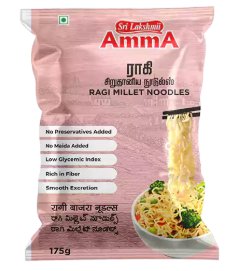
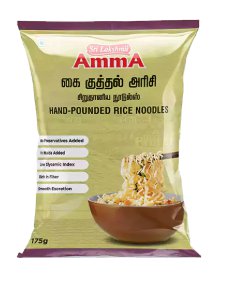
 United Arab Emirates
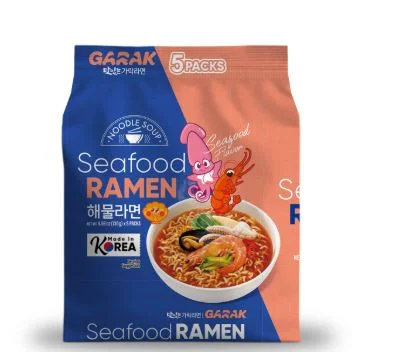
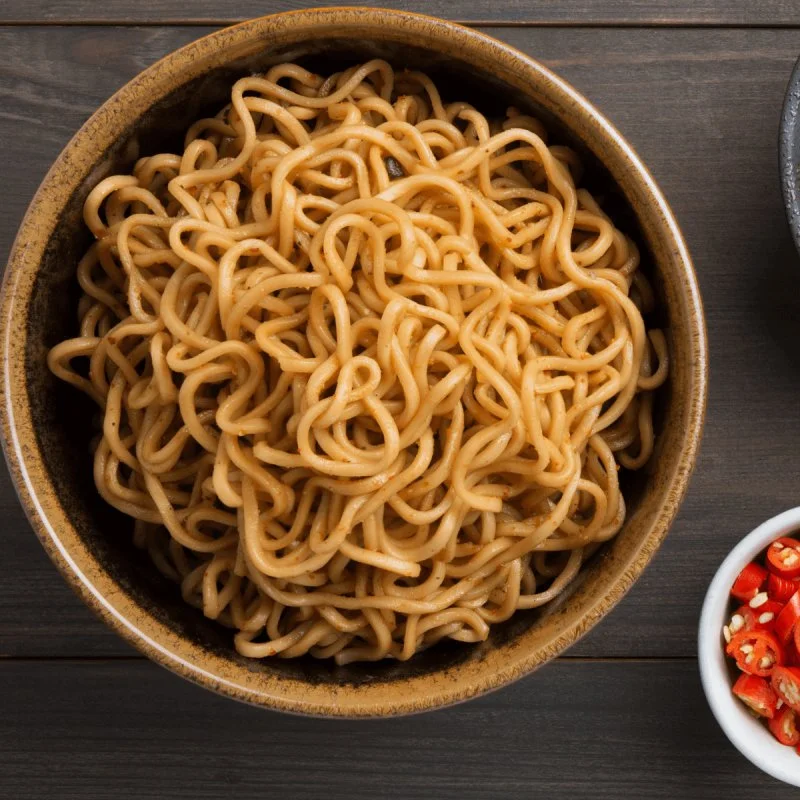

Frequently Asked Questions
What are Instant Noodles & Pasta?
Instant noodles and pasta are pre-cooked or dried products that can be prepared quickly by adding hot water or cooking briefly. They are popular for their convenience and variety of flavors, making them a staple in many households.
What are the different types of Instant Noodles & Pasta?
There are several types of instant noodles and pasta available in the market, including cup noodles, packet noodles, and various shapes of pasta like macaroni and spaghetti. They may also come in different flavors and nutritional profiles, catering to diverse consumer preferences.
How do I choose the right Instant Noodles & Pasta?
Choosing the right instant noodles and pasta depends on factors such as taste preferences, dietary requirements, and cooking time. It is advisable to consider the ingredients, flavor options, and nutritional content to find a product that meets your needs.
What are the standard specifications for Instant Noodles & Pasta?
Standard specifications for instant noodles and pasta typically include moisture content, protein content, and shelf life. These specifications ensure product quality and safety, which are critical for both manufacturers and consumers.
What is the price range for Instant Noodles & Pasta?
The price range for instant noodles and pasta can vary widely based on brand, packaging, and quality. Generally, you can find products priced from as low as INR 10 to INR 100 per pack, depending on the type and brand.
What quality standards apply to Instant Noodles & Pasta?
Quality standards for instant noodles and pasta are governed by food safety regulations, which may include parameters for hygiene, nutritional value, and labeling. Manufacturers are often required to comply with standards set by the Food Safety and Standards Authority of India (FSSAI).
Where can I find Instant Noodles & Pasta suppliers in India?
You can find instant noodles and pasta suppliers in India through B2B marketplaces like Pepagora, local trade shows, and industry directories. Additionally, searching online can help you identify manufacturers and wholesalers in the region.
Can Instant Noodles & Pasta be customized?
Yes, many manufacturers offer customization options for instant noodles and pasta, allowing clients to specify flavors, ingredients, and packaging designs. This can be beneficial for businesses looking to create unique products that cater to specific markets.
What is the typical minimum order quantity for Instant Noodles & Pasta?
The typical minimum order quantity (MOQ) for instant noodles and pasta varies by supplier, but it often ranges from 500 to 1,000 units. It's advisable to check with individual manufacturers for their specific MOQ requirements.
What is the typical lead time for Instant Noodles & Pasta?
The typical lead time for instant noodles and pasta can vary based on the supplier and order size, but it generally ranges from 1 to 4 weeks. Factors such as production capacity and shipping logistics can also affect delivery times.
Why Businesses Trust Pepagora
Thousands of companies trust Pepagora to source smarter and sell faster
Expand Your Sales Globally

Source Smarter,Grow Faster
