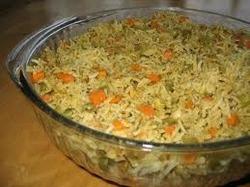
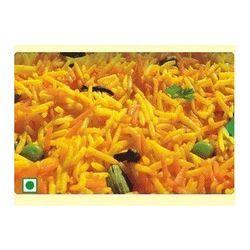
𝗪𝗵𝗮𝘁 𝗮𝗿𝗲 𝗜𝗻𝗱𝗶𝗮𝗻 𝗧𝗿𝗮𝗱𝗶𝘁𝗶𝗼𝗻𝗮𝗹 𝗥𝗧𝗘?
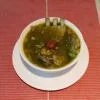
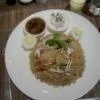
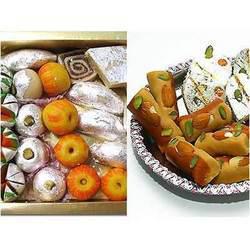
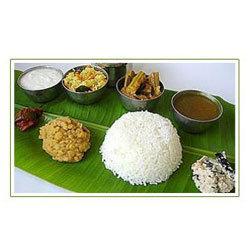
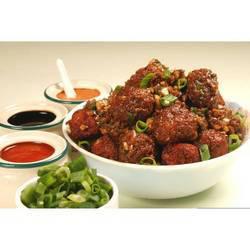
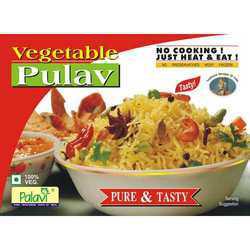
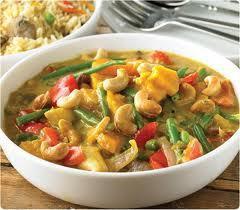
Indian Traditional Ready-to-Eat (RTE) meals encompass a broad range of pre-prepared food products that are deeply rooted in India's rich culinary heritage. These meals are designed to provide convenience without compromising on the authentic taste and nutritional value that Indian cuisine is renowned for. Typically, they include a variety of dishes such as curries, rice, and snacks that can be consumed directly after heating or sometimes even without any preparation.
The primary uses of Indian Traditional RTE are in sectors such as hospitality, catering, and retail. Businesses in these industries often seek out these products for their ease of use, extended shelf life, and ability to meet the demands of busy consumers looking for quick meal solutions. The market for Indian Traditional RTE is growing rapidly, driven by increasing urbanization, changing lifestyles, and a rising preference for convenient meal options among consumers.
In a broader industry context, Indian Traditional RTE meals play a significant role in the globalization of Indian cuisine. They not only cater to domestic consumers but also appeal to international markets looking for authentic Indian flavors. The growing trend of online food delivery services and the demand for ethnic foods in various regions further enhance the market potential for these products.
𝗞𝗲𝘆 𝗙𝗲𝗮𝘁𝘂𝗿𝗲𝘀 𝗮𝗻𝗱 𝗦𝗽𝗲𝗰𝗶𝗳𝗶𝗰𝗮𝘁𝗶𝗼𝗻𝘀
Indian Traditional RTE products come with several key features that highlight their quality and convenience. These specifications are essential for B2B buyers to understand the value and applicability of the products in various settings.
Key specifications include:
1. Authentic Recipe:
- Crafted using traditional methods and ingredients.
- Ensures the preservation of original taste and flavor.
2. Shelf Life:
- Typically ranges from six months to two years.
- Allows for long-term storage and reduced waste.
3. Packaging:
- Vacuum-sealed or retort pouches.
- Designed to maintain freshness and prevent spoilage.
4. Nutritional Content:
- Balanced meals with appropriate levels of protein, carbohydrates, and fats.
- Fortified with essential vitamins and minerals.
5. Preparation Method:
- Ready to eat after heating in a microwave or boiling water.
- Minimal preparation time required.
6. Portion Size:
- Available in single-serve and family-pack sizes.
- Suitable for various consumer needs.
7. Variety:
- Includes vegetarian and non-vegetarian options.
- Diverse flavors and regional specialties.
8. Compliance Standards:
- Adheres to food safety regulations.
- Certified by relevant authorities, ensuring consumer trust.
In summary, the key features and specifications of Indian Traditional RTE meals make them an attractive option for businesses looking to offer convenient and authentic meal solutions to their customers.
𝗖𝗼𝗺𝗺𝗼𝗻 𝗔𝗽𝗽𝗹𝗶𝗰𝗮𝘁𝗶𝗼𝗻𝘀 𝗮𝗻𝗱 𝗨𝘀𝗲 𝗖𝗮𝘀𝗲𝘀
Indian Traditional RTE meals find application across various industries, each benefiting from their unique characteristics.
1. Hospitality: Hotels and restaurants utilize these meals to provide guests with authentic Indian cuisine without the need for extensive kitchen facilities.
2. Catering: Event caterers use RTE options for large gatherings and functions where quick meal service is essential.
3. Retail: Grocery stores and supermarkets stock these products to cater to busy consumers seeking convenient meal options.
4. Healthcare: Hospitals and nursing homes offer RTE meals to patients requiring easy-to-digest, nutritious food.
5. Education: Schools incorporate RTE meals into their lunch programs, providing students with balanced meals.
6. Armed Forces: Military organizations utilize RTE meals for deployment and training exercises where cooking facilities may be limited.
7. Travel and Transportation: Airlines and transport services provide RTE meals to passengers for convenience during long journeys.
𝗣𝗿𝗼𝗱𝘂𝗰𝘁 𝗩𝗮𝗿𝗶𝗮𝗻𝘁𝘀 𝗮𝗻𝗱 𝗦𝘂𝗯𝗰𝗮𝘁𝗲𝗴𝗼𝗿𝗶𝗲𝘀
Indian Traditional RTE meals come in a variety of product forms, catering to diverse consumer preferences and needs.
Vegetarian Meals:
These meals include popular dishes such as paneer tikka, vegetable biryani, and dal makhani. They are crafted for those seeking meat-free options while still enjoying rich flavors.
Non-Vegetarian Meals:
This variant features dishes like chicken curry, mutton biryani, and fish fry. These meals are designed for consumers who prefer meat-based dishes and desire authentic tastes.
Snack Packs:
These are smaller meal options or side dishes, such as samosas and pakoras, ideal for on-the-go consumption or as accompaniments to main meals. They cater to the growing snacking trend.
Regional Specialties:
This category includes meals representing various Indian regions, such as South Indian dosas or North Indian chole bhature. These meals provide consumers with a taste of regional diversity.
𝗕𝗲𝗻𝗲𝗳𝗶𝘁𝘀 𝗮𝗻𝗱 𝗔𝗱𝘃𝗮𝗻𝘁𝗮𝗴𝗲𝘀
Choosing Indian Traditional RTE meals offers several distinct advantages for businesses and consumers alike.
Key benefits include:
1. Convenience: Meals can be consumed with minimal preparation, making them ideal for busy lifestyles.
2. Authentic Taste: Preserves traditional flavors, providing a genuine Indian culinary experience.
3. Long Shelf Life: Extended storage capabilities reduce waste and allow for bulk purchasing.
4. Nutritional Value: Balanced meals meet dietary needs, supporting health-conscious consumers.
5. Variety: A wide range of options caters to different tastes and dietary preferences.
6. Cost-Effective: Reduces kitchen labor and food preparation costs for businesses.
𝗕𝘂𝘆𝗶𝗻𝗴 𝗚𝘂𝗶𝗱𝗲 𝗳𝗼𝗿 𝗕𝟮𝗕 𝗕𝘂𝘆𝗲𝗿𝘀
When sourcing Indian Traditional RTE meals, B2B buyers should consider several key factors to ensure they make informed purchasing decisions.
1. Quality Assessment: Evaluate the quality of ingredients and the authenticity of recipes. Look for products that meet established food safety standards.
2. Supplier Verification: Vet suppliers to ensure they have a good track record and can provide consistent quality and timely delivery.
3. Pricing and MOQ: Understand pricing structures and minimum order quantities to align with budget constraints and inventory needs.
4. Delivery and Lead Times: Discuss logistics and expected lead times to ensure that products arrive in a timely manner to meet demand.
5. Compliance Requirements: Ensure that the products comply with local food safety regulations and industry standards to avoid potential legal issues.
𝗖𝗼𝗺𝗽𝗹𝗶𝗮𝗻𝗰𝗲 𝗮𝗻𝗱 𝗖𝗲𝗿𝘁𝗶𝗳𝗶𝗰𝗮𝘁𝗶𝗼𝗻𝘀
Indian Traditional RTE products are subject to various compliance standards and certifications that ensure their quality and safety in the market.
Relevant quality standards include ISO 9001, which focuses on maintaining high-quality management systems. Additionally, HACCP (Hazard Analysis Critical Control Point) certifications are crucial for identifying and controlling food safety risks throughout the production process.
Industry certifications like CE mark indicate compliance with health, safety, and environmental protection standards within the European Economic Area. These certifications assure buyers of the product's quality and safety.
Safety and testing requirements are essential to guarantee that the meals are free from contaminants and meet nutritional specifications. Furthermore, regional compliance considerations must be adhered to, ensuring products meet local regulations and consumer safety standards.
𝗪𝗵𝘆 𝗦𝗼𝘂𝗿𝗰𝗲 𝗜𝗻𝗱𝗶𝗮𝗻 𝗧𝗿𝗮𝗱𝗶𝘁𝗶𝗼𝗻𝗮𝗹 𝗥𝗧𝗘 𝗳𝗿𝗼𝗺 𝗣𝗲𝗽𝗮𝗴𝗼𝗿𝗮?
Pepagora provides a trusted platform for sourcing Indian Traditional RTE meals, offering several key advantages that facilitate smooth and reliable transactions.
Verified Supplier Network: Pepagora has an extensive network of verified suppliers, ensuring that buyers can source products from trusted manufacturers who adhere to high-quality standards.
Streamlined RFQ Process: The request for quotation (RFQ) system simplifies the sourcing process, allowing buyers to receive competitive quotes from multiple suppliers quickly.
Trade Assurance and Support: Pepagora offers trade assurance measures that protect buyers' investments, providing peace of mind during the purchasing process.
Regional Coverage: With a strong presence in India and expansion into the GCC and Southeast Asia, Pepagora connects buyers with suppliers across multiple regions, enhancing accessibility to quality Indian Traditional RTE meals.

 IN
IN
 India
India