
 IN
INHypertension & Cardiac Care Monitoring
2 products available
What are Hypertension & Cardiac Care Monitoring?
Key Features and Specifications
Common Applications and Use Cases
Product Variants and Subcategories
Benefits and Advantages
Buying Guide for B2B Buyers
Compliance and Certifications
Why Source Hypertension & Cardiac Care Monitoring from Pepagora?

Frequently Asked Questions
What are Hypertension & Cardiac Care Monitoring?
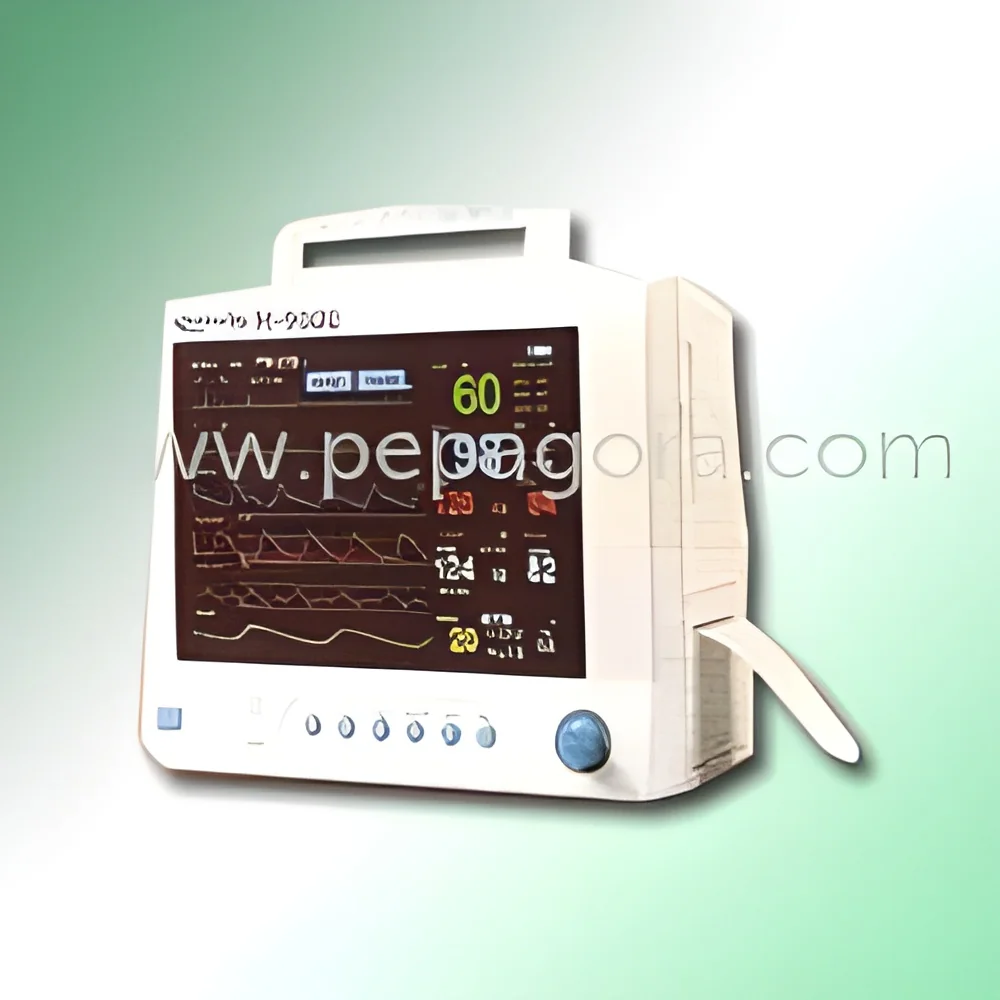
Hypertension & Cardiac Care Monitoring refers to the systematic observation and assessment of blood pressure and heart health to manage conditions related to hypertension and other cardiac issues. This includes the use of various devices and technologies to track vital signs and ensure appropriate medical intervention when necessary.
What are the different types of Hypertension & Cardiac Care Monitoring?
The different types of Hypertension & Cardiac Care Monitoring include manual blood pressure monitors, digital blood pressure monitors, Holter monitors, and ECG machines. Each type serves a specific purpose, ranging from routine blood pressure checks to continuous heart monitoring.
How do I choose the right Hypertension & Cardiac Care Monitoring?
To choose the right Hypertension & Cardiac Care Monitoring, consider factors such as accuracy, ease of use, and additional features like data storage or connectivity options. It is also advisable to consult with healthcare professionals for recommendations based on individual health needs.
What are the standard specifications for Hypertension & Cardiac Care Monitoring?
Standard specifications for Hypertension & Cardiac Care Monitoring devices typically include measurement range, accuracy level, battery life, and display type. It is important to ensure that the device meets the relevant medical standards for reliability and precision.
What is the price range for Hypertension & Cardiac Care Monitoring?
The price range for Hypertension & Cardiac Care Monitoring devices varies widely depending on the type and features, generally ranging from INR 1,000 to INR 30,000. Basic models tend to be more affordable, while advanced monitoring systems with additional functionalities can be more expensive.
What quality standards apply to Hypertension & Cardiac Care Monitoring?
Quality standards for Hypertension & Cardiac Care Monitoring devices are governed by regulatory authorities such as the Bureau of Indian Standards (BIS) and international certifications like ISO. Compliance with these standards ensures that the devices are safe, reliable, and effective for clinical use.
Where can I find Hypertension & Cardiac Care Monitoring suppliers in India?
Hypertension & Cardiac Care Monitoring suppliers in India can be found through various channels, including online B2B marketplaces like Pepagora, medical equipment trade shows, and industry directories. It is advisable to evaluate suppliers based on their reputation, product quality, and customer reviews.
Can Hypertension & Cardiac Care Monitoring be customized?
Yes, some manufacturers offer customization options for Hypertension & Cardiac Care Monitoring devices to meet specific clinical requirements or branding needs. Customization may include modifications to design, functionality, or packaging.
What is the typical minimum order quantity for Hypertension & Cardiac Care Monitoring?
The typical minimum order quantity (MOQ) for Hypertension & Cardiac Care Monitoring devices varies by supplier and product type, often ranging from 10 to 100 units. It is important to check with individual suppliers for their specific MOQ policies.
What is the typical lead time for Hypertension & Cardiac Care Monitoring?
The typical lead time for Hypertension & Cardiac Care Monitoring devices can range from a few days to several weeks, depending on the supplier, product availability, and order quantity. It is advisable to confirm lead times at the time of order placement.
Why Businesses Trust Pepagora
Thousands of companies trust Pepagora to source smarter and sell faster
Expand Your Sales Globally

Source Smarter,Grow Faster
