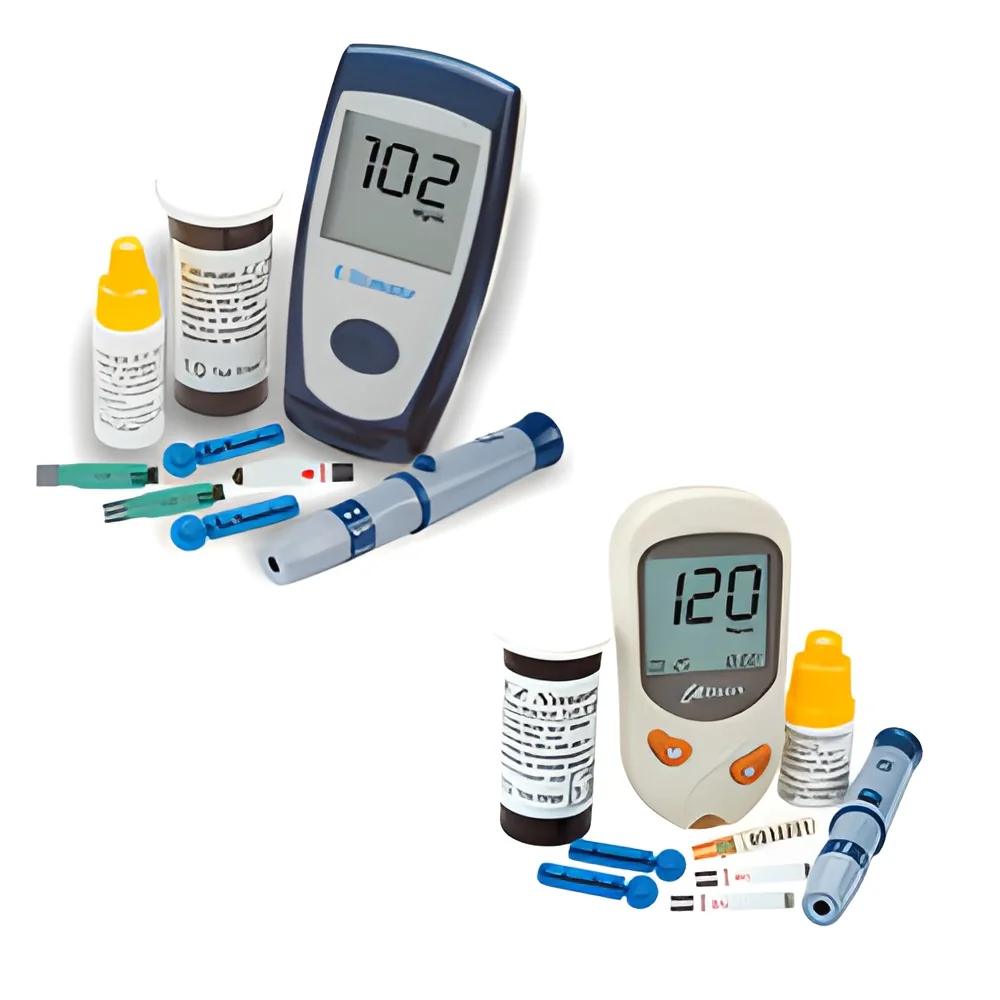
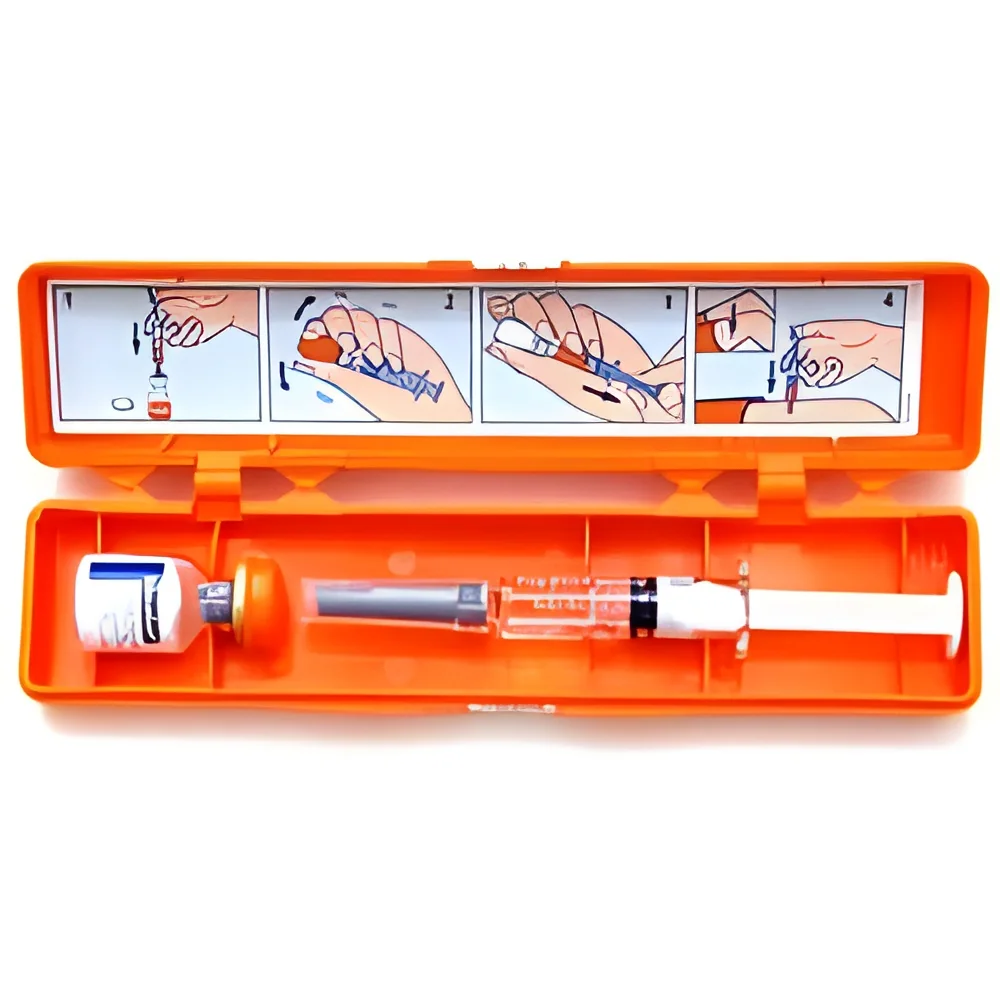
𝗪𝗵𝗮𝘁 𝗮𝗿𝗲 𝗛𝗼𝗺𝗲 𝗛𝗲𝗮𝗹𝘁𝗵𝗰𝗮𝗿𝗲 𝗦𝗲𝗿𝘃𝗶𝗰𝗲𝘀?
Home Healthcare Services refer to a wide range of medical and non-medical services provided to individuals in their homes. These services are designed to support patients who require assistance due to illness, injury, or age-related conditions. They can include skilled nursing care, physical therapy, occupational therapy, and personal care services. Home healthcare aims to improve the quality of life for patients while allowing them to remain in the comfort of their homes.
These services are primarily utilized by hospitals, rehabilitation centers, and private individuals seeking care for themselves or their loved ones. Home Healthcare Services are beneficial for managing chronic illnesses, recovering from surgeries, and providing end-of-life care. The industry has seen significant growth due to the increasing aging population and the desire for more personalized care options. The market is also driven by advancements in technology that facilitate remote monitoring and communication between healthcare providers and patients.
As the demand for Home Healthcare Services continues to rise, businesses must adapt to meet the evolving needs of their clients. This includes offering flexible, reliable, and comprehensive services that align with industry standards and regulatory requirements.
𝗞𝗲𝘆 𝗙𝗲𝗮𝘁𝘂𝗿𝗲𝘀 𝗮𝗻𝗱 𝗦𝗽𝗲𝗰𝗶𝗳𝗶𝗰𝗮𝘁𝗶𝗼𝗻𝘀
Home Healthcare Services encompass a variety of features that enhance patient care and service delivery. These specifications ensure that healthcare providers can meet diverse patient needs effectively.
Key specifications include:
1. Skilled Nursing Services
- Includes medication management, wound care, and patient education.
- Typically provided by licensed nurses.
2. Physical Therapy
- Aims to improve mobility, strength, and overall function.
- Delivered by licensed physical therapists during in-home sessions.
3. Occupational Therapy
- Focuses on helping patients regain independence in daily activities.
- Tailored to individual patient needs and goals.
4. Personal Care Assistance
- Non-medical support such as bathing, grooming, and companionship.
- Provided by trained caregivers to enhance daily living.
5. Home Health Aide Services
- Support for daily tasks and companionship.
- Essential for patients needing assistance with daily routines.
6. Telehealth Services
- Remote consultations and monitoring through digital platforms.
- Increases access to healthcare professionals.
7. Chronic Disease Management
- Programs designed to monitor and manage long-term health conditions.
- Includes education and support for lifestyle changes.
8. Care Coordination
- Ensures effective communication among healthcare providers.
- Aids in creating comprehensive care plans for patients.
Home Healthcare Services are vital for ensuring patients receive appropriate care while maintaining their independence at home.
𝗖𝗼𝗺𝗺𝗼𝗻 𝗔𝗽𝗽𝗹𝗶𝗰𝗮𝘁𝗶𝗼𝗻𝘀 𝗮𝗻𝗱 𝗨𝘀𝗲 𝗖𝗮𝘀𝗲𝘀
Home Healthcare Services are utilized across various sectors to address specific patient needs.
1. Elderly Care: Services are tailored to assist seniors with daily activities and medical needs, promoting independence and improving quality of life.
2. Post-Surgery Recovery: Patients recovering from surgery benefit from in-home physical and occupational therapy to regain strength and mobility safely.
3. Chronic Illness Management: Individuals with chronic conditions such as diabetes or heart disease receive ongoing support and monitoring from healthcare professionals.
4. Palliative Care: Patients with serious illnesses benefit from specialized care focused on pain management and emotional support in a familiar environment.
5. Rehabilitation Services: Home-based rehabilitation helps patients recover from injuries or strokes with personalized therapy programs.
6. Pediatric Care: Children with medical needs can receive specialized care at home, allowing for family involvement and comfort.
7. Mental Health Services: Support for individuals dealing with mental health issues through therapy and counseling in the home setting.
Home Healthcare Services play a crucial role in various industries by providing tailored solutions that facilitate patient recovery and well-being.
𝗣𝗿𝗼𝗱𝘂𝗰𝘁 𝗩𝗮𝗿𝗶𝗮𝗻𝘁𝘀 𝗮𝗻𝗱 𝗦𝘂𝗯𝗰𝗮𝘁𝗲𝗴𝗼𝗿𝗶𝗲𝘀
Home Healthcare Services are diverse to meet the unique needs of different patients. Each variant offers specialized care tailored to specific health requirements.
Skilled Nursing Care
This variant includes services provided by registered nurses who offer medical support and monitoring. Skilled nursing care is essential for patients with complex medical needs requiring regular assessment and intervention.
Physical Therapy Services
This variant focuses on rehabilitation through physical treatment methods. Physical therapists work with patients to enhance mobility and strength, addressing specific injuries or chronic conditions.
Occupational Therapy Services
This variant emphasizes helping patients regain daily living skills. Occupational therapists customize programs for individuals recovering from injuries or managing disabilities, ensuring they can perform essential tasks independently.
Personal Care Services
This variant provides non-medical assistance with daily activities such as bathing, dressing, and meal preparation. Personal care services are crucial for individuals who need support but wish to maintain their independence at home.
𝗕𝗲𝗻𝗲𝗳𝗶𝘁𝘀 𝗮𝗻𝗱 𝗔𝗱𝘃𝗮𝗻𝘁𝗮𝗴𝗲𝘀
Home Healthcare Services offer numerous benefits that enhance patient care and support families.
Key benefits include:
1. Personalized Care: Services are tailored to individual patient needs, ensuring a customized approach to health and wellness.
2. Enhanced Comfort: Patients receive care in their familiar home environment, which can lead to improved emotional well-being.
3. Cost-Effectiveness: Home healthcare is often more affordable than hospital stays or assisted living facilities, reducing financial burden on families.
4. Increased Independence: Patients can maintain their independence while receiving necessary care, promoting a sense of dignity and self-worth.
5. Family Involvement: Home healthcare allows family members to be more involved in the care process, fostering stronger relationships and support.
6. Improved Outcomes: Studies show that patients receiving home care often experience better health outcomes due to personalized attention and consistent monitoring.
Home Healthcare Services are designed to maximize patient comfort and well-being while providing essential support.
𝗕𝘂𝘆𝗶𝗻𝗴 𝗚𝘂𝗶𝗱𝗲 𝗳𝗼𝗿 𝗕𝟮𝗕 𝗕𝘂𝘆𝗲𝗿𝘀
When sourcing Home Healthcare Services, several key factors should be considered to ensure the selection of the right provider.
1. Quality Assessment: Evaluate the quality of services by reviewing patient testimonials, service certifications, and outcomes. Look for providers with a proven track record of excellence.
2. Supplier Verification: Conduct thorough background checks on potential providers. Verify their licenses, certifications, and compliance with regulatory requirements to ensure reliable service delivery.
3. Pricing and MOQ: Understand the pricing structure and minimum order quantities. This information is crucial for budgeting and ensuring that services align with financial capabilities.
4. Delivery and Lead Times: Consider the logistics of service delivery, including response times and the availability of healthcare professionals. Timely care is essential for patient satisfaction.
5. Compliance Requirements: Ensure that the provider adheres to necessary regulations and industry standards. Compliance with health and safety regulations is vital for maintaining quality care.
𝗖𝗼𝗺𝗽𝗹𝗶𝗮𝗻𝗰𝗲 𝗮𝗻𝗱 𝗖𝗲𝗿𝘁𝗶𝗳𝗶𝗰𝗮𝘁𝗶𝗼𝗻𝘀
Home Healthcare Services are subject to various compliance standards and certifications that ensure safety and quality.
Relevant quality standards include ISO 9001, which emphasizes quality management systems and continuous improvement in service delivery. HACCP focuses on food safety in healthcare contexts where nutrition is a concern. Good Distribution Practice (GDP) ensures that pharmaceutical products are handled properly throughout the supply chain.
Industry certifications, such as CE marking, indicate compliance with European health, safety, and environmental protection standards. This certification is particularly relevant for medical devices and products used in home healthcare.
Safety and testing requirements are crucial to ensure that services meet the highest standards of care. Providers must implement rigorous protocols to protect patient health and safety.
Regional compliance considerations may vary, with specific regulations applicable in different countries or regions. Understanding these requirements is essential for maintaining compliance and ensuring quality service delivery.
𝗪𝗵𝘆 𝗦𝗼𝘂𝗿𝗰𝗲 𝗛𝗼𝗺𝗲 𝗛𝗲𝗮𝗹𝘁𝗵𝗰𝗮𝗿𝗲 𝗦𝗲𝗿𝘃𝗶𝗰𝗲𝘀 𝗳𝗿𝗼𝗺 𝗣𝗲𝗽𝗮𝗴𝗼𝗿𝗮?
Pepagora offers a trusted platform for sourcing Home Healthcare Services, bringing several key advantages to B2B buyers.
Verified Supplier Network: Pepagora connects buyers with a network of verified suppliers who meet stringent quality and compliance standards. This ensures that businesses can trust the services they procure.
Streamlined RFQ Process: The platform simplifies the request for quotation (RFQ) process, making it easy for buyers to obtain competitive quotes from multiple suppliers. This efficiency saves time and resources.
Trade Assurance and Support: Pepagora provides trade assurance, offering buyers protections throughout the sourcing process. This support includes assistance with dispute resolution and ensuring that suppliers deliver as promised.
Regional Coverage: With a presence in India, the GCC, and Southeast Asia, Pepagora offers geographic reach that facilitates sourcing from various regions. This broad coverage allows businesses to find the best local and international providers for their needs.
By choosing Pepagora, businesses can confidently source Home Healthcare Services that meet their requirements and uphold high standards of quality and care.

 IN
IN