Key Features and Specifications
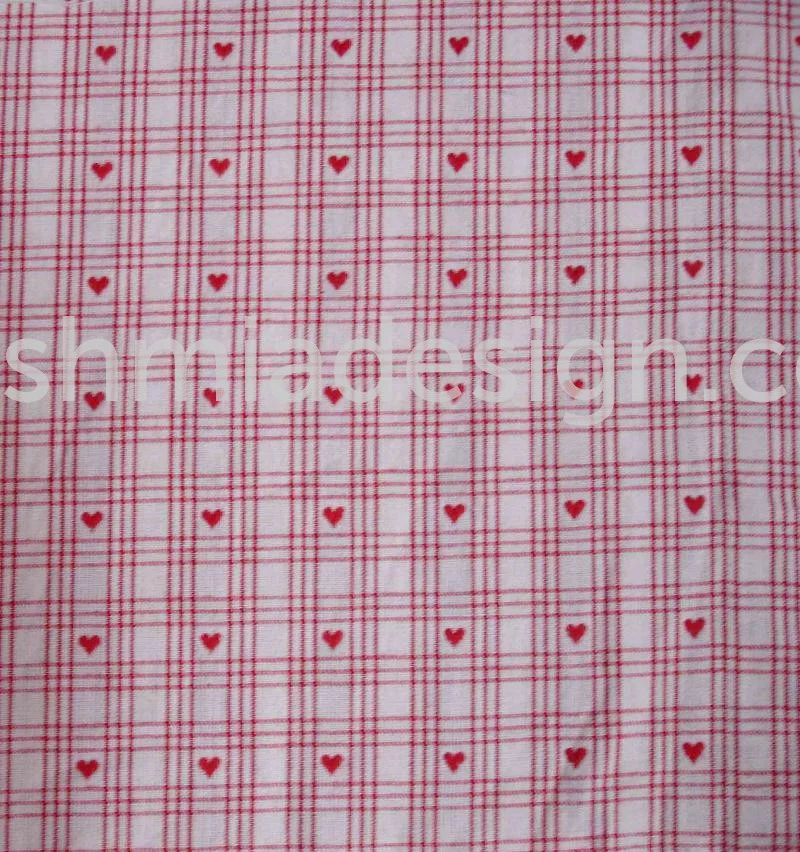
Home textile embroidery products, such as curtains and cushions, offer a range of features and specifications that cater to diverse customer needs. These specifications ensure that the products not only look good but also perform well in various environments.
Key specifications include:
1. Material Quality
- Often made from cotton, polyester, or blends
- Durability and ease of maintenance are critical parameters
2. Embroidery Techniques
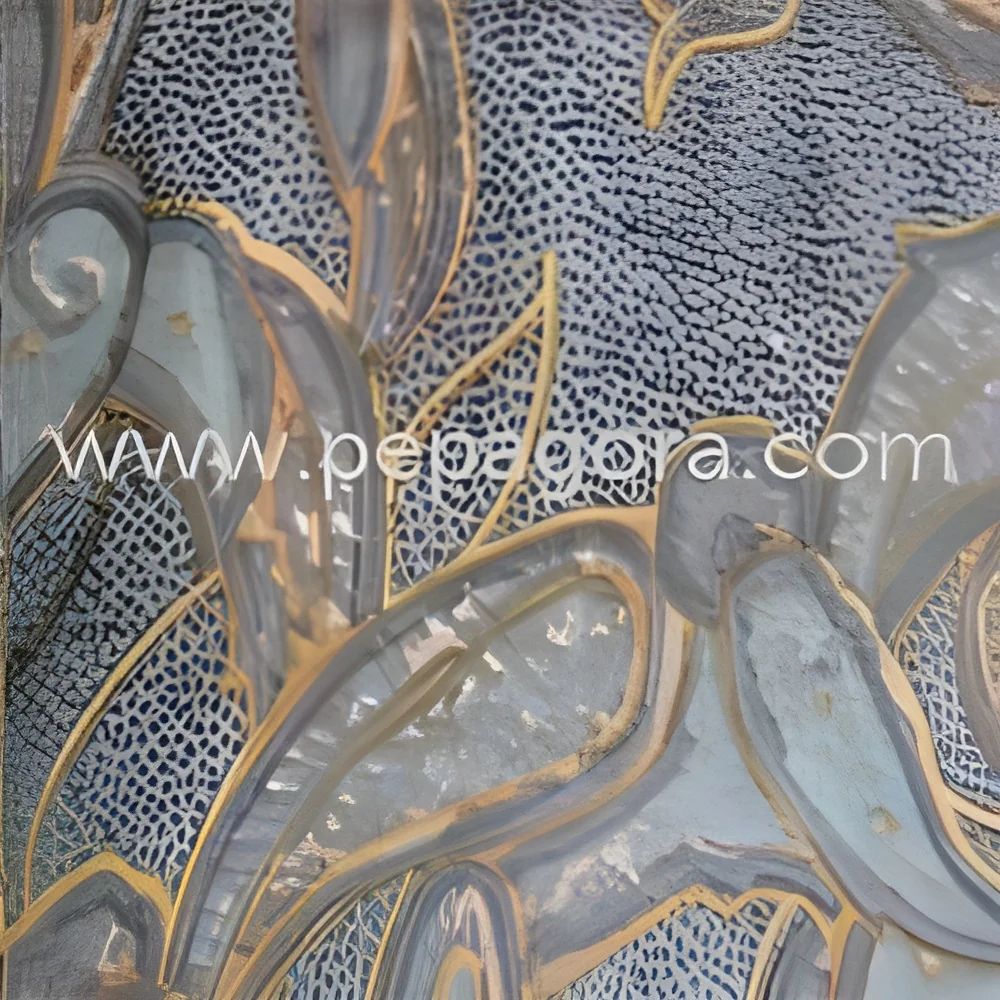
- Various methods including machine and hand embroidery
- Options for custom designs and patterns
3. Dimensions
- Available in various sizes to fit different spaces
- Custom size options may be available
4. Color Options
- Wide range of colors to match decor themes
- Availability of colorfast materials
5. Care Instructions
- Machine washable or dry clean only
- Guidelines for maintaining fabric quality
6. Fire Retardancy
- Compliance with safety standards for commercial use
- Important for hospitality and public spaces
7. Customization Options
- Personalized designs available for branding
- Flexibility in design and color choices
8. Sustainability Features
- Eco-friendly fabric options may be available
- Recycled materials and sustainable production processes
In summary, the features and specifications of home textile embroidery products are designed to meet the functional and aesthetic needs of various applications, ensuring customer satisfaction and compliance with industry standards.
Common Applications and Use Cases
Home textile embroidery products see extensive use across several industries. They are versatile and can be tailored to meet specific needs.
1. Interior Design: Designers use embroidered curtains and cushions to enhance the visual appeal of residential and commercial spaces, adding texture and personality.
2. Hospitality: Hotels and restaurants incorporate these textiles to create a welcoming atmosphere, often opting for custom designs to reflect their brand identity.
3. Retail: Retail spaces use embroidered items to showcase their products and elevate the shopping experience, making it more engaging for customers.
4. Event Planning: Event organizers use these textiles to create themed decorations for weddings, corporate events, and parties, adding a touch of elegance and sophistication.
5. Healthcare: Healthcare facilities utilize embroidered textiles for patient rooms and waiting areas to promote comfort and a pleasant environment.
6. Education: Schools and universities may use these products in common areas and dormitories, creating a home-like environment for students.
7. Corporate Spaces: Businesses incorporate embroidered textiles in offices and meeting rooms to enhance professionalism and comfort.
Product Variants and Subcategories
Home textile embroidery products are diverse, offering various options to suit different styles and applications.
Embroidered Curtains
These curtains come in numerous styles, patterns, and fabrics. They can be customized for specific window sizes and are designed to provide both beauty and functionality, enhancing light control and privacy.
Embroidered Cushions
Cushions feature unique embroidery designs that add a decorative touch to sofas, chairs, and beds. They can be made in various shapes and sizes, catering to different interior decor themes.
Embroidered Table Linens
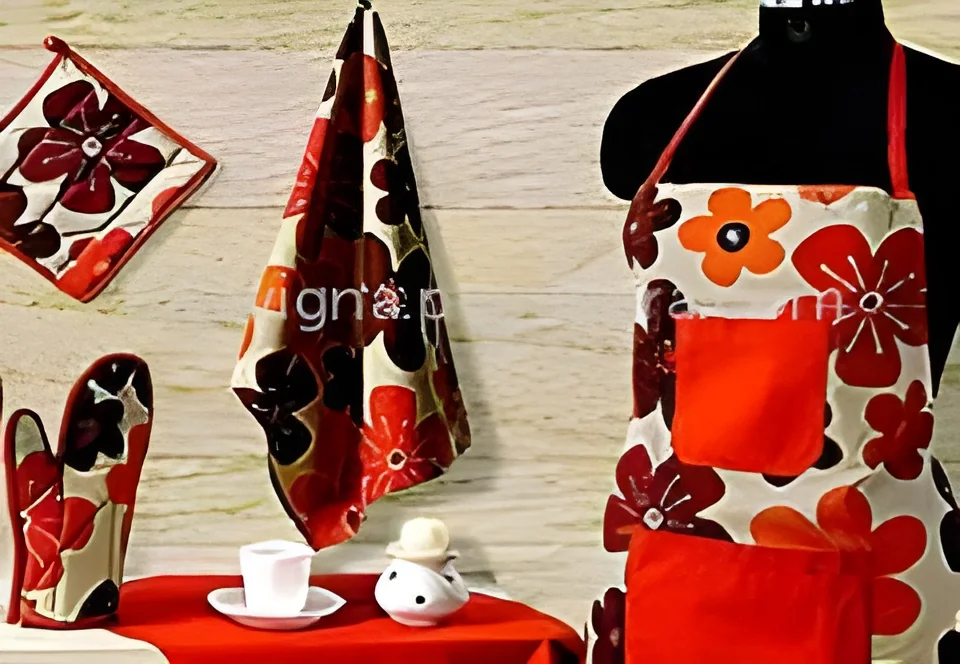
Table linens adorned with embroidery can elevate dining experiences in both home and restaurant settings. They are available in various materials and can be customized to match specific themes.
Embroidered Bed Covers
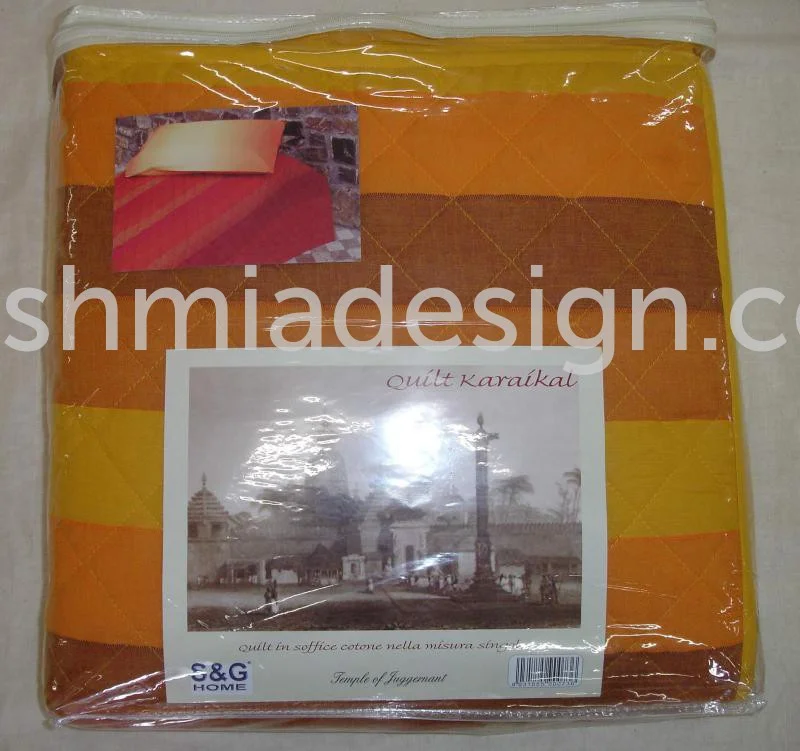
Bed covers with intricate embroidery can add a luxurious feel to bedrooms. They offer both warmth and style, making them ideal for residential and hospitality applications.
Benefits and Advantages
Home textile embroidery products come with several benefits that appeal to both consumers and businesses.
1. Aesthetic Appeal: Embroidered textiles enhance the visual attractiveness of spaces, allowing for personalized decor that reflects individual styles.
2. Customization: Businesses can create unique designs that align with their branding, offering customers tailored solutions that stand out.
3. Quality and Durability: High-quality materials and craftsmanship ensure long-lasting products that maintain their appearance over time.
4. Versatility: These products are suitable for various applications across different industries, making them a flexible choice for businesses.
5. Comfort: Cushions provide added comfort and support, making spaces more inviting for guests and residents.
6. Easy Maintenance: Many embroidered textiles are designed to be machine washable or easy to care for, ensuring convenience for users.
Buying Guide for B2B Buyers
When sourcing home textile embroidery products, businesses should consider several key factors to ensure they make informed decisions.
1. Quality Assessment: Buyers should evaluate the quality of materials and craftsmanship. Checking for durability and design integrity is essential.
2. Supplier Verification: Vetting suppliers is crucial for ensuring reliability. Buyers should look for established companies with positive reviews and a solid track record.
3. Pricing and MOQ: Understanding cost structures and minimum order quantities is important for budget planning. Buyers should compare prices across suppliers to find the best value.
4. Delivery and Lead Times: Consideration of logistics is essential. Buyers should confirm delivery timelines and ensure they align with project schedules.
5. Compliance Requirements: Buyers need to be aware of regulatory standards relevant to their industry, including safety and quality certifications, to ensure product compliance.
Compliance and Certifications
Compliance and certifications play an essential role in the home textile embroidery industry.
Manufacturers often adhere to quality standards such as ISO 9001, ensuring consistent quality management processes. This standard helps companies maintain high production standards and customer satisfaction.
In addition to quality management, certifications like CE are important for products sold in specific markets, particularly in Europe. This certification indicates that products meet safety and environmental protection standards.
Safety and testing requirements are critical, especially for textiles used in commercial settings like hospitality and healthcare. Compliance with these standards ensures that the products are safe for public use.
Regional compliance considerations may vary, so businesses should familiarize themselves with local regulations that impact textile products. This knowledge helps avoid potential legal issues and ensures smooth market entry.
Why Source Home Textile Embroidery (Curtains, Cushions) from Pepagora?
Pepagora offers a reliable platform for sourcing home textile embroidery products, providing several key advantages for B2B buyers.
Verified Supplier Network: Pepagora maintains a network of verified suppliers, ensuring that buyers connect with reputable manufacturers. This network helps mitigate risks associated with sourcing.
Streamlined RFQ Process: The platform features a streamlined request for quotation (RFQ) system, simplifying the process for buyers. This feature allows for quick comparisons and efficient sourcing.
Trade Assurance and Support: Pepagora provides trade assurance and support, protecting buyers during transactions. This assurance builds confidence in sourcing activities and fosters long-term relationships.
Regional Coverage: With a geographic reach that includes India, the GCC, and Southeast Asia, Pepagora connects buyers with suppliers across a vast market. This coverage ensures diverse product offerings and competitive pricing.
By choosing Pepagora, businesses can access a wide range of home textile embroidery products while benefiting from a trustworthy sourcing experience.

 IN
IN