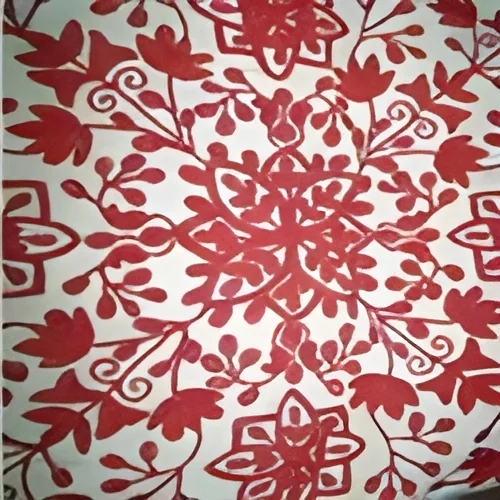
Key Features and Specifications
Appliqué embroidery services offer a range of features that cater to diverse customer needs. These specifications help businesses understand the capabilities and options available when selecting a service provider.
Key specifications include:
1. Fabric Types
- Various fabrics can be used, including cotton, polyester, and blends.
- Each fabric type offers different textures and durability.
2. Thread Options
- A selection of thread types, including polyester and rayon, is available.
- Thread colors can be customized to match specific branding requirements.
3. Design Complexity
- Services can handle simple to intricate designs based on customer needs.
- The ability to replicate detailed logos and artwork is a key feature.
4. Stitch Count
- Stitch count can vary significantly based on the design.
- Higher stitch counts typically result in more detailed and durable designs.
5. Digital File Format Compatibility
- Common formats accepted include DST, EMB, and JPG.
- Facilitates easier design input and processing.
6. Turnaround Time
- Standard turnaround times can range from a few days to several weeks.
- Rush orders may be available for urgent projects.
7. Minimum Order Quantities (MOQ)
- Many providers have a MOQ, which can vary based on the complexity of the design.
- Understanding MOQ is essential for budget planning.
8. Quality Assurance Processes
- Quality checks are often in place during production.
- Ensures consistency and adherence to design specifications.
In summary, understanding these specifications helps businesses select the right appliqué embroidery services that meet their specific needs and quality standards.
Common Applications and Use Cases
Appliqué embroidery services find applications across various industries, enhancing both functionality and aesthetics.
1. Apparel: Custom designs are often used for uniforms, promotional clothing, and personalized garments. These services enable businesses to showcase their brand effectively.
2. Home Furnishings: Products such as cushions, curtains, and table linens benefit from appliqué embroidery, adding decorative elements while also enhancing durability.
3. Event Promotions: Banners, flags, and promotional items can utilize appliqué techniques to create eye-catching displays that draw attention at trade shows and events.
4. Accessories: Hats, bags, and patches often feature appliqué designs, allowing for personalized and branded accessories that appeal to consumers.
5. Sports Teams: Team uniforms and merchandise commonly incorporate appliqué embroidery for jersey numbers, logos, and other elements that promote team spirit.
6. Gifts and Memorabilia: Customized gifts, such as quilts and blankets, often include appliqué designs, making them special keepsakes for recipients.
7. Schools and Organizations: Many educational institutions use appliqué embroidery for school uniforms and merchandise, fostering a sense of community and identity.
Product Variants and Subcategories
Appliqué embroidery services can encompass a variety of styles and techniques, allowing for diverse applications.
Standard Appliqué
This variant involves the straightforward application of fabric shapes onto a base fabric. The design is typically outlined with a decorative stitch, which can be customized for different color and texture combinations.
Reverse Appliqué
In this technique, the base fabric is cut away to reveal a contrasting fabric underneath. This method allows for unique design elements and is often used in artistic applications.
3D Appliqué
3D appliqué adds depth to designs by using foam or other materials to create a raised effect. This variant is popular for logos and text on hats and jerseys.
Layered Appliqué
Layered appliqué involves multiple fabric layers to create complex designs. This technique allows for greater creativity and detail in custom projects.
Benefits and Advantages
Utilizing appliqué embroidery services offers several advantages for businesses seeking quality textile solutions.
Key benefits include:
1. Customization: Businesses can create unique designs tailored to their branding needs, enhancing brand visibility.
2. Durability: Appliqué embroidery provides a strong and lasting bond between fabrics, ensuring longevity in products.
3. Versatility: The technique can be applied to various materials and products, making it suitable for diverse applications.
4. Aesthetic Appeal: Appliqué adds visual interest and texture to products, making them more attractive to consumers.
5. Cost-Effectiveness: Bulk orders can lead to reduced costs, making it an economical choice for businesses needing many items.
6. Quick Turnaround: Many providers offer efficient production times, allowing businesses to meet tight deadlines.
Buying Guide for B2B Buyers
When sourcing appliqué embroidery services, businesses should consider several critical factors to ensure they select the right provider.
1. Quality Assessment: Look for suppliers with a proven track record of high-quality work. Request samples to evaluate stitching quality and fabric compatibility.
2. Supplier Verification: It is essential to vet potential suppliers through reviews and references. Ensure they have a reliable reputation in the market.
3. Pricing and MOQ: Understand the pricing structure and minimum order quantities. This information is crucial for budgeting and planning.
4. Delivery and Lead Times: Inquire about delivery schedules and lead times to ensure timely receipt of products. Factor in potential delays during peak seasons.
5. Compliance Requirements: Verify that suppliers adhere to relevant industry standards and regulations. Compliance ensures quality and safety in the final products.
Compliance and Certifications
Appliqué embroidery services must adhere to various quality standards and certifications to ensure safety and reliability. One of the most recognized standards is ISO 9001, which outlines the requirements for a quality management system. This certification ensures that companies consistently meet customer expectations and regulatory requirements.
Additionally, CE certification is essential for products sold in European markets, indicating compliance with health, safety, and environmental protection standards. Depending on the industry, other certifications such as HACCP may be relevant, particularly in food-related applications.
Companies must also consider safety and testing requirements specific to their products. This includes ensuring that materials used in appliqué embroidery meet safety standards to prevent hazards. Furthermore, regional compliance considerations may vary, so it is vital to understand local regulations that could impact product suitability in different markets.
Why Source Appliqué Embroidery Services from Pepagora?
Pepagora provides a trusted platform for sourcing appliqué embroidery services, offering several key advantages to B2B buyers.
The verified supplier network ensures that businesses have access to reliable providers who meet high standards for quality and service. Each supplier is carefully vetted, allowing buyers to have confidence in their sourcing decisions.
The streamlined RFQ process simplifies the quotation system, making it easy for businesses to request and compare offers from multiple suppliers. This efficiency saves time and helps in making informed choices quickly.
Trade assurance and support further enhance the buyer experience by providing protection throughout the transaction. This assurance helps mitigate risks associated with sourcing and ensures that businesses receive their orders as expected.
Lastly, Pepagora's regional coverage across India, the GCC, and Southeast Asia enables businesses to connect with suppliers that are geographically convenient. This broad reach helps facilitate smoother logistics and faster delivery times, ensuring that companies can meet their operational needs effectively.

 IN
IN