What are High-Fashion Garment Exporters?
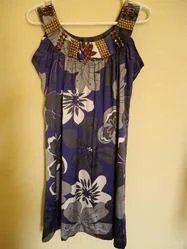
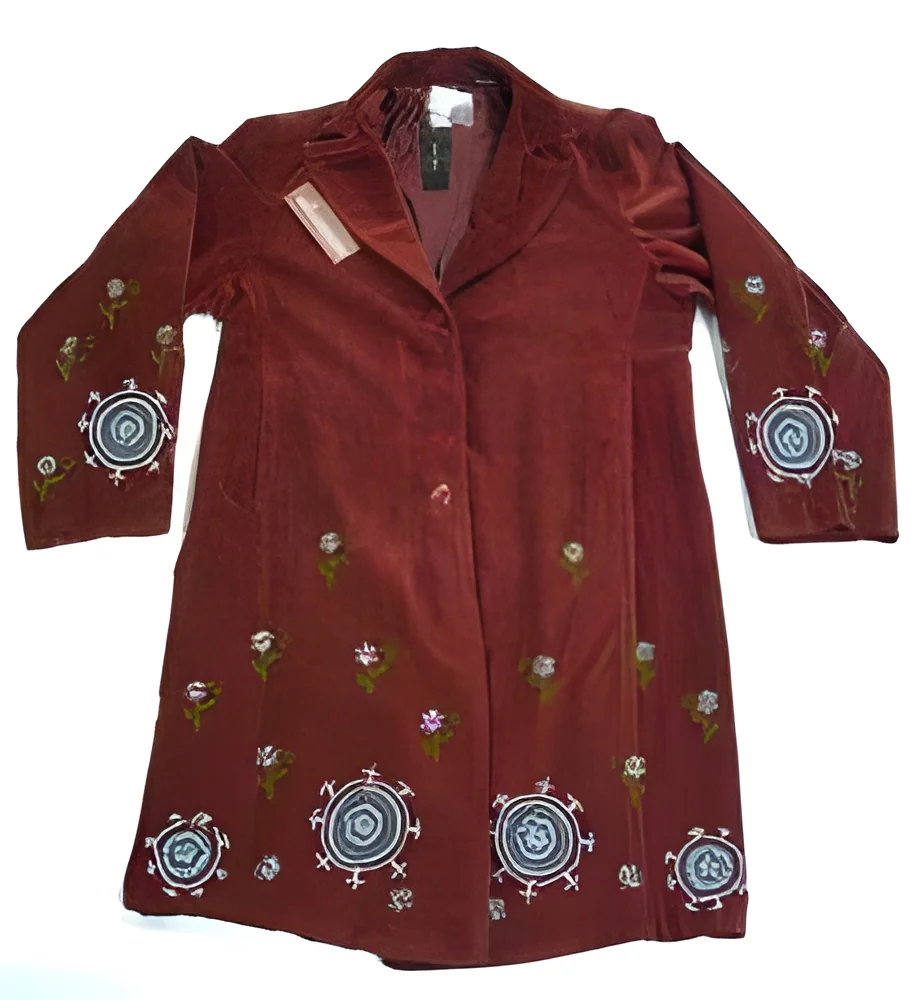
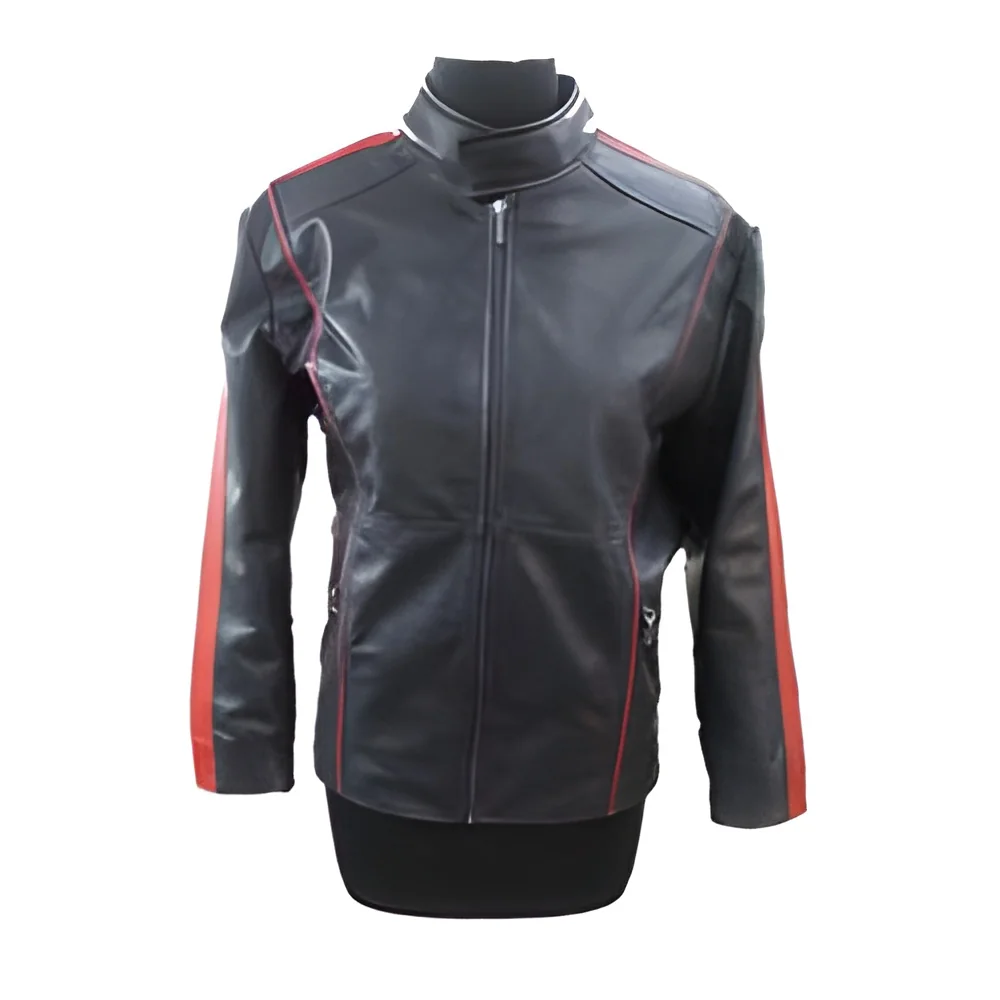
High-Fashion Garment Exporters are specialized businesses that produce and sell premium clothing designed with contemporary trends and high-quality materials. These exporters cater to fashion companies, retailers, and wholesalers looking for unique apparel that meets the standards of luxury markets. The garments typically include formal wear, casual wear, and bespoke items that reflect current fashion aesthetics.
The primary use of High-Fashion Garment Exporters is to supply high-end fashion brands with garments that can be sold in global markets. These exporters often collaborate with designers and brands to create exclusive collections that emphasize craftsmanship and design innovation. They play a crucial role in helping fashion businesses maintain a competitive edge by providing access to unique styles, fabrics, and manufacturing techniques.
In the context of the apparel industry, High-Fashion Garment Exporters are highly relevant as they contribute to the dynamic nature of fashion trends. With the global fashion market continually evolving, these exporters help brands adapt to changing consumer preferences and seasonal demands. They also facilitate the entry of emerging designers into the market, fostering creativity and diversity within the fashion landscape.
Key Features and Specifications
High-Fashion Garment Exporters are characterized by several key features that enhance their offerings. These specifications ensure that the garments meet industry standards and satisfy the demands of high-end consumers.
Key specifications include:
1. Material Quality
- High-end fabrics like silk, wool, and cotton blends
- Durable construction for longevity
2. Design Flexibility
- Customization options available for brands
- Ability to produce limited edition collections
3. Production Capacity
- Scalable production to meet varying order sizes
- Efficient manufacturing processes to ensure timely delivery
4. Compliance with Fashion Trends
- Regular updates on fashion trends and styles
- In-house design teams that create innovative designs
5. Ethical Sourcing
- Commitment to sustainable and ethical production methods
- Transparent supply chain practices
6. Global Distribution Network
- Established logistics for international shipping
- Partnerships with freight and logistics companies
7. Quality Assurance Programs
- Rigorous testing and quality checks for each batch
- Adherence to industry standards and certifications
8. Customer Support and Service
- Dedicated teams for client communication and support
- Post-sale services to address any concerns
These features highlight the importance of quality and adaptability in the high-fashion garment export sector.
Common Applications and Use Cases
High-Fashion Garment Exporters serve a diverse range of industries and applications, making them an integral part of the fashion supply chain.
1. Retail Fashion: High-fashion garment exporters supply clothing to retail brands that sell directly to consumers. This includes department stores and boutique shops that require unique and trendy apparel.
2. High-End Fashion Brands: These exporters work closely with luxury fashion brands to provide exclusive collections that highlight innovative designs and quality craftsmanship.
3. Event and Costume Design: Exporters often collaborate with event planners and costume designers to create bespoke garments for specific events, including fashion shows and themed parties.
4. Online Fashion Retailers: E-commerce platforms rely on high-fashion garment exporters to provide unique pieces that can attract online shoppers seeking exclusive styles.
5. Promotional Clothing: Companies may source high-fashion garments for promotional events or corporate branding, ensuring that their staff represents the brand stylishly.
6. Fashion Collaborations: Exporters often participate in collaborations with designers, offering limited-edition pieces that draw attention in the fashion community.
7. Sustainable Fashion Initiatives: Many exporters are now involved in sustainable fashion projects, supplying eco-friendly garments to brands focusing on ethical consumerism.
Product Variants and Subcategories
High-Fashion Garment Exporters offer a variety of product variants to cater to different market needs and preferences.
Even though specific subcategories are not available, typical variants may include:
Luxury Casual Wear: This category includes relaxed, stylish clothing suitable for everyday wear, made from high-quality fabrics with a focus on comfort and design.
Formal Attire: This variant encompasses tailored garments designed for formal events, such as suits, dresses, and evening wear, often featuring intricate detailing and premium materials.
Seasonal Collections: Exporters may create seasonal lines that align with fashion trends, offering garments that reflect current styles and color palettes.
Bespoke Services: Certain exporters offer bespoke tailoring services, allowing brands to create unique pieces tailored to individual customer specifications.
Benefits and Advantages
Sourcing from High-Fashion Garment Exporters presents several benefits to businesses in the fashion industry.
Key benefits include:
1. Access to Unique Designs: High-fashion garment exporters provide access to exclusive designs that can set brands apart from competitors.
2. Quality Craftsmanship: These exporters often emphasize high-quality materials and workmanship, ensuring that garments meet luxury standards.
3. Customization Options: Many exporters offer tailored solutions, allowing brands to create unique collections that cater to their specific audience.
4. Scalability: Exporters can adjust production levels according to demand, helping businesses manage inventory effectively.
5. Industry Expertise: By working with experienced exporters, brands can leverage knowledge about current fashion trends and consumer preferences.
6. Efficient Logistics: Established logistics networks facilitate timely delivery, helping brands maintain a steady supply of new products.
Buying Guide for B2B Buyers
When sourcing High-Fashion Garment Exporters, businesses should consider several critical factors to ensure successful partnerships.
1. Quality Assessment: Evaluate the quality of materials and craftsmanship. Request samples to assess the finish and durability of garments before placing large orders.
2. Supplier Verification: Conduct thorough background checks on potential suppliers to verify their reputation and reliability. Look for reviews and references from previous clients.
3. Pricing and MOQ: Understand the pricing structure and minimum order quantities (MOQ). Compare quotes from multiple exporters to find competitive pricing without compromising quality.
4. Delivery and Lead Times: Discuss logistics and expected lead times for production and shipping. Ensure that the exporter can meet your timelines to avoid delays.
5. Compliance Requirements: Be aware of the regulatory requirements in your region. Ensure that the exporter adheres to necessary legal and safety standards to avoid compliance issues.
Compliance and Certifications
High-Fashion Garment Exporters must adhere to various compliance and certification standards to ensure the quality and safety of their products. One of the most recognized standards is ISO 9001, which focuses on quality management systems that ensure consistent quality in manufacturing processes.
Additionally, exporters may hold certifications such as CE, which indicates conformity with health, safety, and environmental protection standards. These certifications are essential for gaining trust and credibility in the global market.
Safety and testing requirements are crucial, particularly for garments that may come into contact with the skin. Exporters must ensure that their products are free from harmful substances and comply with safety regulations.
Regional compliance considerations may also vary, with different countries having specific requirements regarding labeling, safety, and environmental impact. Understanding these regulations is vital for successful export operations.
Why Source High-Fashion Garment Exporters from Pepagora?
Pepagora offers a trusted platform for sourcing High-Fashion Garment Exporters, providing several key advantages for businesses seeking reliable partners in the fashion industry.
Verified Supplier Network: Pepagora has a robust process for verifying suppliers, ensuring that businesses can connect with reputable exporters who maintain high standards of quality and service.
Streamlined RFQ Process: The platform simplifies the request for quotation (RFQ) process, making it easier for buyers to compare offers and select the best options for their needs.
Trade Assurance and Support: Pepagora provides trade assurance and buyer protection, giving businesses peace of mind when engaging with new exporters. This support helps mitigate risks associated with international trade.
Regional Coverage: With a strong presence in India, the GCC, and Southeast Asia, Pepagora offers extensive geographic reach, allowing businesses to explore a diverse range of high-fashion garments from various markets.

 IN
IN
 India
India