
 IN
Frozen Samosas & Spring Rolls
1 products available
What are Frozen Samosas & Spring Rolls?
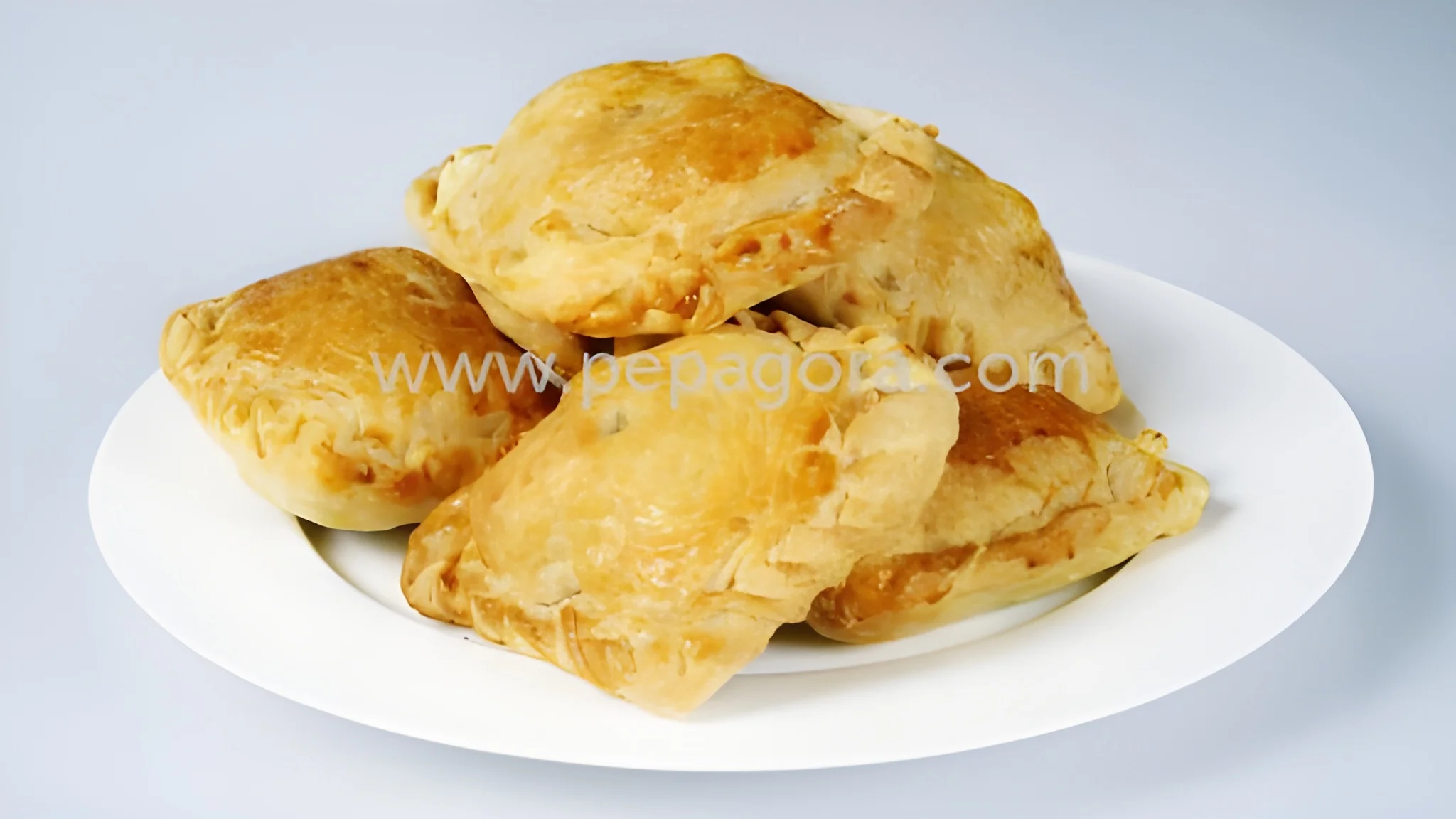
Frozen samosas and spring rolls are popular snack foods that originate from various culinary traditions. Samosas are typically triangular pastries filled with spiced potatoes, peas, or meat, while spring rolls are thin wrappers filled with vegetables or meat, often served with dipping sauces. Both products are pre-cooked and then frozen, making them convenient for quick preparation and serving.
These frozen items are commonly used in restaurants, catering services, and food service operations. They can be served as appetizers, snacks, or part of a larger meal. Their versatility allows businesses to offer a variety of flavors and styles, appealing to different customer preferences. The growing demand for ready-to-eat food options in the hospitality industry has further increased the relevance of frozen samosas and spring rolls in the market.
With the rise of global cuisine and the increasing popularity of Asian and Indian foods, frozen samosas and spring rolls have become significant products in the frozen food market. They are easily accessible, and their shelf life makes them ideal for inventory management in commercial kitchens. This relevance positions them well within the competitive landscape of the food industry.
Key Features and Specifications
Frozen samosas and spring rolls come with a range of key features that make them appealing to businesses. These specifications ensure product quality and consistency, essential for customer satisfaction.
Key specifications include:
1. Filling Variety
- Options include vegetarian, meat, and seafood fillings.
- Customizable to meet specific taste preferences.
2. Size and Shape
- Available in various sizes, typically ranging from small bite-sized to larger portions.
- Standard shapes include triangular for samosas and cylindrical for spring rolls.
3. Cooking Method
- Suitable for frying, baking, or air frying.
- Quick cooking time, typically between 10 to 15 minutes.
4. Packaging
- Individually frozen to maintain quality and prevent clumping.
- Available in bulk packaging for commercial use.
5. Shelf Life
- Typically 12 to 18 months when stored at recommended temperatures.
- Requires proper storage conditions to maintain freshness.
6. Allergens
- Clearly labeled for common allergens such as gluten, soy, or nuts.
- Important for food safety and compliance.
7. Nutritional Information
- Detailed nutritional profiles to assist businesses in menu planning.
- Options for low-calorie and healthier versions.
These specifications highlight the importance of quality and versatility in frozen samosas and spring rolls, making them suitable for a variety of culinary applications.
Common Applications and Use Cases
Frozen samosas and spring rolls are utilized in numerous sectors, reflecting their versatility and appeal.
1. Restaurants: Used as appetizers or snack items on menus, often served with dipping sauces.
2. Catering Services: Ideal for events and parties, providing easy-to-serve options that cater to diverse tastes.
3. Food Trucks: Popular street food items that can be quickly prepared and served to customers on the go.
4. Supermarkets: Sold in frozen food aisles, allowing consumers to enjoy these snacks at home.
5. Cafeterias: Frequently offered in schools and workplaces as quick meal options.
6. Buffets: A staple in buffet settings, providing variety to the dining experience.
7. Food Delivery Services: Increasingly included in meal kits and delivery menus, appealing to busy consumers.
These applications demonstrate the broad market potential for frozen samosas and spring rolls across various food service environments.
Product Variants and Subcategories
Frozen samosas and spring rolls come in diverse variants to cater to different culinary preferences and dietary needs.
Vegetarian Samosas: These samosas feature a filling primarily made of spiced potatoes and peas, appealing to vegetarian customers. They are widely popular in Indian cuisine and often served with mint or tamarind chutney.
Chicken Spring Rolls: Filled with seasoned chicken and vegetables, these spring rolls offer a savory option for meat lovers. They are often served with sweet and sour sauce or chili garlic sauce.
Prawn Spring Rolls: These offer a seafood variant filled with prawns and crunchy vegetables. They provide a unique flavor profile and are popular in Asian cuisine.
Mini Samosas: Smaller-sized samosas designed for snacks or appetizers. They are perfect for parties and events where bite-sized options are preferred.
These variants showcase the adaptability of frozen samosas and spring rolls, making them suitable for a wide range of consumers.
Benefits and Advantages
Frozen samosas and spring rolls offer numerous benefits for businesses.
1. Convenience: Easy to prepare, requiring minimal cooking time, making them ideal for busy kitchens.
2. Versatility: Suitable for a variety of menus, from casual dining to fine dining, appealing to diverse customer preferences.
3. Cost-Effectiveness: Economical for businesses, as they reduce preparation time and labor costs.
4. Long Shelf Life: Extended storage capabilities allow for better inventory management and reduced waste.
5. Customization: Ability to tailor fillings and flavors to meet specific market demands and trends.
6. Consistent Quality: Frozen products ensure uniformity in taste and presentation, enhancing customer satisfaction.
These advantages make frozen samosas and spring rolls a smart choice for businesses seeking to enhance their menu offerings.
Buying Guide for B2B Buyers
When sourcing frozen samosas and spring rolls, several factors should be considered for optimal purchasing decisions.
1. Quality Assessment: Evaluate products based on taste, texture, and freshness. Conduct taste tests and review samples to ensure they meet your standards.
2. Supplier Verification: Research and vet potential suppliers for reliability and quality. Look for suppliers with positive reviews and established reputations.
3. Pricing and MOQ: Understand the pricing structure and minimum order quantities. Compare multiple suppliers to ensure competitive pricing.
4. Delivery and Lead Times: Confirm logistics capabilities, including delivery schedules and lead times. Ensure they align with your inventory needs.
5. Compliance Requirements: Be aware of food safety regulations and certifications required for your region. Ensure that suppliers adhere to relevant compliance standards.
Considering these factors will help buyers make informed decisions when sourcing frozen samosas and spring rolls.
Compliance and Certifications
When dealing with frozen samosas and spring rolls, compliance with relevant quality standards is crucial. Common standards include ISO 9001 for quality management systems, which ensures that suppliers maintain consistent product quality.
HACCP (Hazard Analysis and Critical Control Points) is another important standard, focusing on food safety and risk management throughout the production process. This ensures that products are safe for consumption and produced in hygienic conditions.
Additionally, certifications such as CE demonstrate that products meet European safety, health, and environmental protection requirements. These certifications are vital for businesses looking to assure their customers of product safety.
Safety testing requirements may include microbiological testing, allergen testing, and shelf-life studies to ensure products remain safe and of high quality during their intended shelf life. Regional compliance considerations may vary, so it is essential for businesses to be aware of local regulations governing food products.
Why Source Frozen Samosas & Spring Rolls from Pepagora?
Pepagora provides a trusted platform for sourcing frozen samosas and spring rolls, offering several key advantages to buyers.
Verified Supplier Network: Pepagora ensures that all suppliers are thoroughly vetted, providing buyers with peace of mind. This network helps businesses find reliable sources for high-quality products.
Streamlined RFQ Process: The request for quotation process is designed to be straightforward, allowing buyers to quickly receive pricing and product information from multiple suppliers. This efficiency helps businesses make faster purchasing decisions.
Trade Assurance and Support: Pepagora offers trade assurance services, protecting buyers in their transactions. This support includes assistance with disputes and ensuring quality delivery.
Regional Coverage: With a presence in India, the GCC, and Southeast Asia, Pepagora connects buyers with suppliers across diverse regions. This enables businesses to tap into various markets and expand their reach.
By choosing Pepagora, businesses can streamline their sourcing efforts for frozen samosas and spring rolls while ensuring high-quality products and reliable suppliers.


Frequently Asked Questions
What are Frozen Samosas & Spring Rolls?
Frozen Samosas and Spring Rolls are popular snacks and appetizers made from dough filled with various ingredients like vegetables, meat, or lentils. They are pre-cooked and then frozen to maintain freshness, allowing for quick preparation and convenience in cooking.
What are the different types of Frozen Samosas & Spring Rolls?
There are various types of Frozen Samosas and Spring Rolls, including vegetarian, chicken, and paneer options. Additionally, they can vary by size and flavor, with some being spiced or wrapped in different types of pastry.
How do I choose the right Frozen Samosas & Spring Rolls?
Choosing the right Frozen Samosas and Spring Rolls involves considering factors like filling type, size, and cooking method. It’s also important to review ingredient lists for allergens and personal dietary preferences.
What are the standard specifications for Frozen Samosas & Spring Rolls?
Standard specifications for Frozen Samosas and Spring Rolls typically include size dimensions, weight, and shelf life. Additionally, they should meet food safety regulations and be packed in a way that maintains quality during freezing.
What is the price range for Frozen Samosas & Spring Rolls?
The price range for Frozen Samosas and Spring Rolls can vary widely depending on the type, brand, and packaging. Generally, they can range from ₹100 to ₹500 per kilogram, depending on quality and supplier.
What quality standards apply to Frozen Samosas & Spring Rolls?
Quality standards for Frozen Samosas and Spring Rolls include compliance with food safety regulations, proper handling during production, and adherence to specified ingredients. Additionally, they should be free from harmful additives and contaminants.
Where can I find Frozen Samosas & Spring Rolls suppliers in India?
You can find Frozen Samosas and Spring Rolls suppliers in India through B2B marketplaces like Pepagora.com, food trade shows, and local food distributors. It's advisable to compare several suppliers to ensure quality and price.
Can Frozen Samosas & Spring Rolls be customized?
Yes, many manufacturers allow for customization of Frozen Samosas and Spring Rolls. You can request specific fillings, sizes, or packaging options based on your requirements.
What is the typical minimum order quantity for Frozen Samosas & Spring Rolls?
The typical minimum order quantity (MOQ) for Frozen Samosas and Spring Rolls can vary by supplier but often ranges from 10 to 50 kilograms. It's best to check with specific suppliers for their MOQ policies.
What is the typical lead time for Frozen Samosas & Spring Rolls?
The typical lead time for Frozen Samosas and Spring Rolls can vary depending on the supplier and order size, but it generally ranges from 1 to 3 weeks. Factors such as customization and shipping distance can also affect lead times.
Why Businesses Trust Pepagora
Thousands of companies trust Pepagora to source smarter and sell faster
Expand Your Sales Globally

Source Smarter,Grow Faster
