
 IN
Floor Cushions
1 products available
What are Floor Cushions?
Floor cushions are specialized seating solutions designed to provide comfort and support while sitting directly on the ground. They are typically made from a variety of materials, including foam, cotton, and polyester, which create a soft yet durable surface. Floor cushions come in various shapes, sizes, and thicknesses, catering to different preferences and settings. Their design allows for easy mobility and storage, making them suitable for both indoor and outdoor use.
These cushions are primarily used in settings where traditional seating options may not be available or practical. They are popular in homes, offices, educational institutions, and recreational areas. Businesses often utilize floor cushions in waiting rooms, play areas, or casual meeting spaces to encourage a relaxed atmosphere. The versatility of floor cushions also makes them ideal for events, workshops, and gatherings, where flexible seating arrangements are needed.
In the current market, the demand for floor cushions is growing, driven by trends in minimalism and flexible workspaces. Companies recognize the benefits of providing comfortable seating options that can adapt to various environments, enhancing user experience. As more businesses focus on creating inviting spaces, floor cushions have become an essential product in the furniture and decor industry.
Key Features and Specifications
Floor cushions come with a range of features that enhance their usability and comfort. Understanding these specifications is crucial for businesses looking to invest in quality seating solutions.
Key specifications include:
1. Material Composition
- Typically made from foam, cotton, or polyester
- Ensures durability and comfort
2. Size Options
- Available in various dimensions to suit different spaces
- Common sizes range from 18 inches to 36 inches in diameter
3. Thickness Variability
- Thickness can range from 2 inches to 6 inches
- Provides options for different comfort levels
4. Weight Capacity
- Can support varying weights depending on design
- Generally accommodates up to 250 lbs
5. Color Choices
- Available in a variety of colors and patterns
- Allows for customization to match decor
6. Maintenance Requirements
- Covers are often removable and washable
- Some cushions are water-resistant for outdoor use
7. Eco-Friendly Options
- Certain models are made from sustainable materials
- Appeals to environmentally conscious buyers
8. Safety Certifications
- Many cushions meet safety standards, such as CE certification
- Ensures compliance with quality regulations
In summary, floor cushions are versatile products with features that cater to various business needs. Understanding these specifications is vital for making informed purchasing decisions.
Common Applications and Use Cases
Floor cushions are utilized across multiple industries, showcasing their adaptability and functionality.
1. Hospitality Industry: Hotels and restaurants use floor cushions to create cozy lounge areas or outdoor seating, enhancing the guest experience.
2. Education Sector: Schools and daycare centers employ floor cushions in classrooms and play areas, promoting comfort and flexible seating arrangements for children.
3. Corporate Offices: Businesses incorporate floor cushions in informal meeting spaces or break rooms to encourage collaboration and relaxation among employees.
4. Event Planning: Event organizers use floor cushions for seating at parties, festivals, and workshops, providing a casual and comfortable atmosphere.
5. Home Decor: Interior designers recommend floor cushions as versatile seating solutions in living rooms, playrooms, and outdoor spaces, adding style and comfort.
6. Wellness Centers: Yoga studios and wellness retreats utilize floor cushions for meditation and relaxation areas, enhancing the overall experience for participants.
7. Retail Spaces: Merchants use floor cushions in stores to create inviting spaces for customers to sit and engage with products, promoting longer visits.
Product Variants and Subcategories
Floor cushions come in various styles and designs, offering options to meet diverse customer needs.
Traditional Floor Cushions: These cushions feature a classic square or round shape and provide basic comfort and support. They are often designed with vibrant colors and patterns to enhance aesthetic appeal.
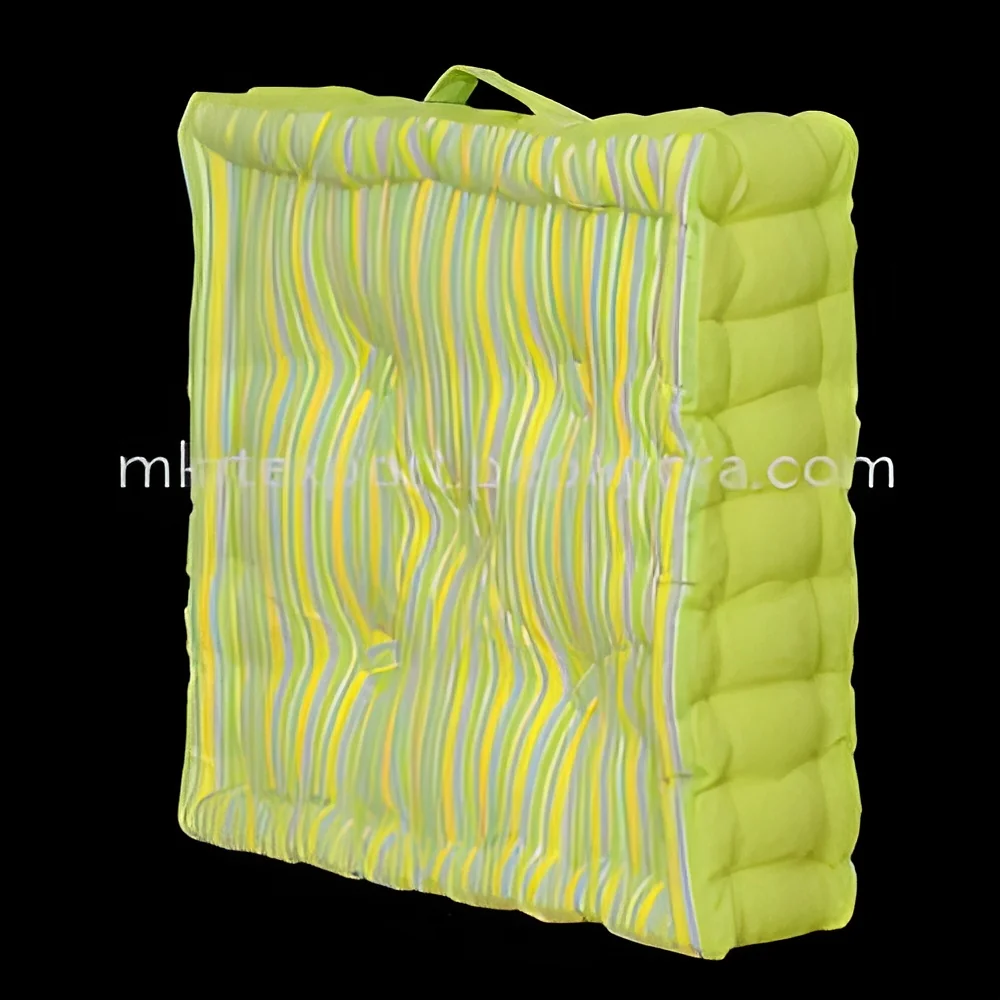
Portable Floor Cushions: Lightweight and easy to carry, these cushions are ideal for outdoor events, picnics, or travel. They often come with handles for easy mobility and storage.
Decorative Floor Cushions: Designed with unique patterns and textures, these cushions serve both functional and decorative purposes. They can enhance the visual appeal of any room while providing comfortable seating.
Multi-purpose Floor Cushions: These versatile cushions can be used in various settings, such as seating, footrests, or even as side tables. Their adaptability makes them a valuable addition to any space.
Benefits and Advantages
Investing in floor cushions provides numerous advantages for businesses and organizations.
Key benefits include:
1. Enhanced Comfort: Floor cushions provide a soft surface for seating, which can improve user comfort during prolonged sitting.
2. Space Efficiency: Their compact design allows for easy storage and flexibility in arranging seating layouts, making them ideal for smaller spaces.
3. Versatility: Floor cushions can be used in a variety of settings, from casual home environments to professional offices and event spaces.
4. Aesthetic Appeal: With numerous colors and designs available, floor cushions can enhance the visual appeal of any area, contributing to a welcoming atmosphere.
5. Easy Maintenance: Many floor cushions are designed with removable covers that can be easily washed, ensuring cleanliness and longevity.
6. Cost-Effectiveness: Floor cushions are often more affordable than traditional seating solutions, making them an economical choice for businesses.
Buying Guide for B2B Buyers
When sourcing floor cushions for your business, several factors should be considered to ensure you make the best decision.
1. Quality Assessment: Evaluate the materials used in the cushions to ensure they meet durability and comfort standards. Look for cushions with reinforced seams and high-quality fillings.
2. Supplier Verification: Vet suppliers to confirm their reliability and reputation in the market. Check for customer reviews and industry certifications to ensure quality.
3. Pricing and MOQ: Understand the pricing structure and minimum order quantities (MOQ) required by suppliers. Compare prices across different suppliers to find the best deal that meets your budget.
4. Delivery and Lead Times: Discuss logistics with suppliers to determine delivery times and ensure they align with your project timelines. Consider potential delays and plan accordingly.
5. Compliance Requirements: Check for any regulatory compliance needed for floor cushions in your industry. Ensure that the products meet safety standards and certifications relevant to your business.
Compliance and Certifications
Floor cushions must adhere to various quality standards and regulations to ensure safety and reliability.
Relevant quality standards include ISO 9001, which focuses on quality management systems, and HACCP, which emphasizes food safety in environments where cushions might be used.
Industry certifications, such as CE, indicate that the product meets European safety and health requirements, making it suitable for various applications.
Additionally, safety and testing requirements are essential to ensure that the materials used in floor cushions do not pose any health risks.
Regional compliance considerations may vary, so it is crucial to understand the specific regulations that apply in your area to avoid any legal issues.
Why Source Floor Cushions from Pepagora?
Pepagora offers an exceptional platform for sourcing floor cushions, presenting several key advantages for B2B buyers.
Verified Supplier Network: Our extensive network of verified suppliers ensures that you receive high-quality products from trustworthy sources. Each supplier undergoes a rigorous vetting process to guarantee reliability and performance.
Streamlined RFQ Process: Pepagora simplifies the request for quotation (RFQ) process, allowing buyers to easily compare offers from multiple suppliers. This transparency helps you make informed purchasing decisions.
Trade Assurance and Support: We prioritize buyer protection through trade assurance programs, ensuring that your transactions are secure. Our dedicated support team is available to assist with any inquiries or issues that may arise.
Regional Coverage: With a strong presence in India, the GCC, and Southeast Asia, Pepagora provides extensive geographic coverage, making it easier for businesses to access quality floor cushions regardless of location.
By choosing Pepagora, you can confidently source the floor cushions that best meet your needs while enjoying the benefits of a trusted platform.



Frequently Asked Questions
What are Floor Cushions?
Floor cushions are soft, padded seating options designed for use on the floor. They provide comfort and support for various activities such as lounging, meditation, or casual gatherings.
What are the different types of Floor Cushions?
There are several types of floor cushions, including traditional square or round shapes, larger poufs, and ergonomic designs for specific activities. Additionally, they can vary in thickness, material, and firmness to cater to different preferences.
How do I choose the right Floor Cushions?
When selecting floor cushions, consider factors such as size, shape, material, and intended use. It is also important to evaluate the cushion's firmness and whether it complements your existing decor.
What are the standard specifications for Floor Cushions?
Standard specifications for floor cushions typically include dimensions, material composition, weight capacity, and care instructions. Common materials include cotton, polyester, and foam, with a variety of filling options.
What is the price range for Floor Cushions?
The price range for floor cushions can vary widely based on size, material, and design. Generally, you can expect to find options ranging from INR 500 to INR 5,000 or more per piece.
What quality standards apply to Floor Cushions?
Quality standards for floor cushions often include durability, safety, and comfort. Look for cushions that meet industry standards for material safety and have passed quality control tests for long-lasting use.
Where can I find Floor Cushions suppliers in India?
You can find floor cushion suppliers in India through B2B marketplaces like Pepagora.com, trade shows, and local fabric or home decor shops. It is advisable to check supplier credentials and product reviews before making a purchase.
Can Floor Cushions be customized?
Yes, many manufacturers offer customization options for floor cushions, including sizes, shapes, colors, and materials. Customization can help meet specific design preferences or functional needs.
What is the typical minimum order quantity for Floor Cushions?
The typical minimum order quantity (MOQ) for floor cushions can vary by supplier, but it often ranges from 10 to 50 pieces. It is best to check with individual suppliers for their specific MOQ requirements.
What is the typical lead time for Floor Cushions?
The typical lead time for floor cushions can range from 2 to 6 weeks, depending on factors such as customization, order size, and supplier capabilities. Always confirm lead times with your supplier before placing an order.
Why Businesses Trust Pepagora
Thousands of companies trust Pepagora to source smarter and sell faster
Expand Your Sales Globally

Source Smarter,Grow Faster
