What are Decorative Throw Cushions?
Decorative throw cushions are soft, padded accessories designed to enhance the aesthetic appeal of spaces such as homes, offices, and public areas. These cushions come in various shapes, sizes, and materials, enabling them to complement different interior design themes. They serve not only as decorative elements but also provide comfort and support for users.
In a business context, decorative throw cushions are widely used in the hospitality industry, including hotels, restaurants, and cafes, to create inviting atmospheres. Additionally, they are popular in corporate environments where they can brighten up meeting rooms and lounge areas. With the growing trend of personalization in interior design, businesses increasingly recognize the importance of these cushions in enhancing customer experience and satisfaction.
The market for decorative throw cushions is expanding, driven by rising consumer interest in home decor and an increase in disposable income. Businesses are continually seeking innovative designs and materials to stay competitive in this vibrant industry. Understanding the significance of decorative throw cushions can provide companies with opportunities to enhance their product offerings and improve customer engagement.
Key Features and Specifications
Decorative throw cushions come with a variety of features and specifications that cater to different needs and preferences. These specifications are crucial for businesses looking to make informed purchasing decisions.
Key specifications include:
1. Material Type
- Cushions can be made from various materials, including cotton, polyester, velvet, and linen.
- Each material offers different durability, comfort, and care requirements.
2. Filling Type
- Common filling materials include polyester fiber, foam, and down feathers.
- The choice of filling affects the cushion's firmness and overall comfort.
3. Size Options
- Available sizes typically range from 16x16 inches to 24x24 inches or more.
- Size selection can influence the visual impact and functionality in a space.
4. Design and Patterns
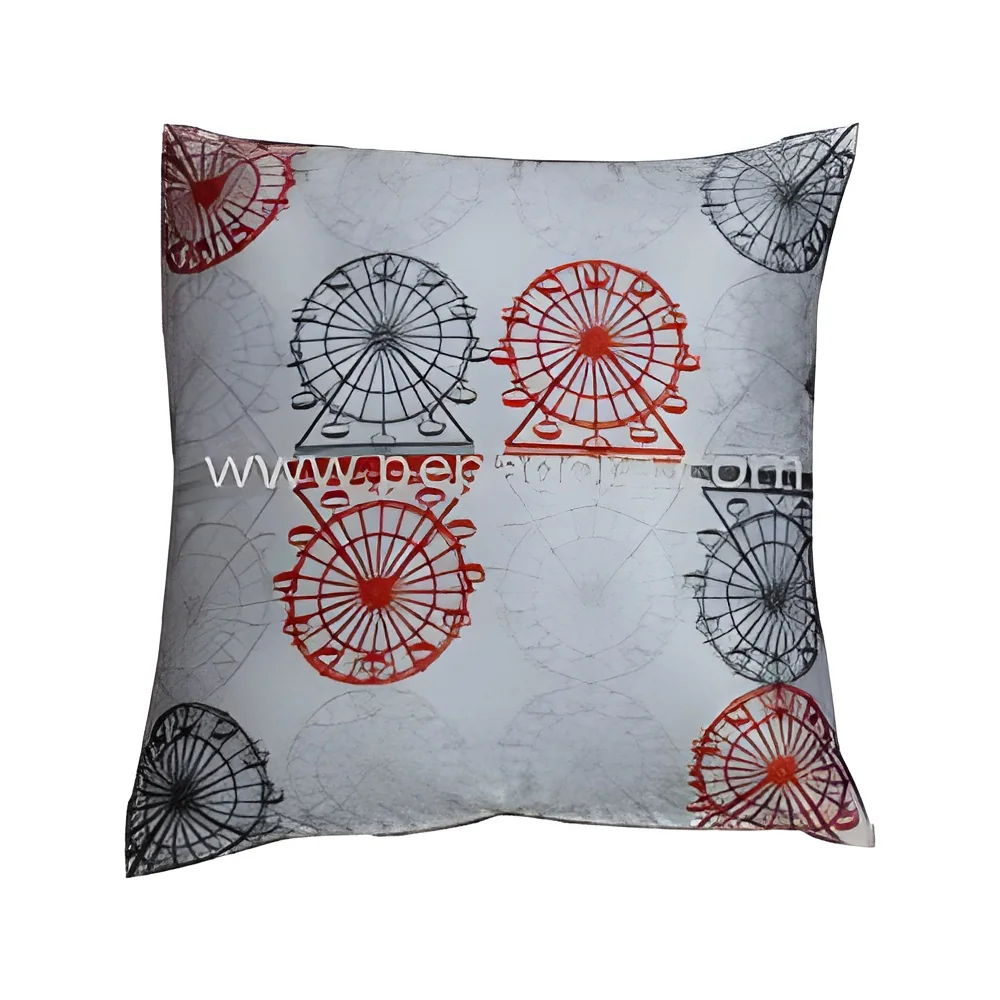
- Decorative throw cushions come in a wide array of designs, including solid colors, patterns, and textures.
- Custom designs can often be requested to suit specific branding or aesthetic needs.
5. Care Instructions
- Many cushions are machine washable, while others may require spot cleaning.
- Understanding care requirements is essential for maintaining product longevity.
6. Weight and Density
- Cushions vary in weight depending on materials used and filling density.
- Heavier cushions may offer more stability on furniture.
7. Price Range
- The cost of decorative throw cushions can vary widely based on materials and design complexity.
- Businesses should consider their budget when sourcing these items.
8. Compliance with Safety Standards
- Certain cushions may meet safety standards related to flammability and material toxicity.
- Compliance ensures products are safe for consumer use.
In summary, understanding key features and specifications helps businesses select the right decorative throw cushions that align with their branding and customer expectations.
Common Applications and Use Cases
Decorative throw cushions are versatile products that find applications across various industries.
1. Hospitality Industry: Hotels and restaurants use decorative throw cushions to enhance guest comfort and create inviting atmospheres. These cushions can be found in lobbies, dining areas, and guest rooms.
2. Corporate Offices: Many businesses utilize decorative cushions in break rooms and lounges to improve employee comfort and aesthetic appeal. They can also be used in conference rooms to create a more relaxed environment.
3. Retail Spaces: Retailers often use decorative throw cushions to display their brand identity and attract customers. These cushions can be incorporated into visual merchandising displays to create a welcoming shopping experience.
4. Interior Design: Interior designers leverage decorative throw cushions to add color and texture to their projects. They are essential tools for transforming spaces and achieving desired design themes.
5. Educational Institutions: Schools and universities may incorporate decorative cushions in common areas and lounges to provide a comfortable environment for students and staff.
6. Event Planning: Decorative throw cushions are often used in event settings, such as weddings and corporate functions, to enhance the ambiance and comfort of seating arrangements.
7. Home Decor: Homeowners frequently use decorative cushions in living rooms, bedrooms, and outdoor spaces to personalize their homes and create inviting atmospheres.
Product Variants and Subcategories
Decorative throw cushions come in various styles and designs, allowing for a diverse range of options to meet different customer preferences.
Classic Style
Classic throw cushions feature traditional designs and patterns, often with elegant fabrics. They are ideal for formal settings and can complement vintage and classic decor themes.
Modern Style
Modern throw cushions emphasize clean lines and minimalist designs, often using bold colors or geometric patterns. These cushions suit contemporary and urban interiors.
Textured Cushions
Textured throw cushions incorporate materials like knits, weaves, or 3D designs. They add depth and interest to spaces and are popular in bohemian and eclectic decor styles.
Outdoor Cushions
Outdoor decorative cushions are made from weather-resistant materials, making them suitable for patios and gardens. They often feature vibrant colors and patterns to enhance outdoor settings.
Customizable Cushions
Some suppliers offer customizable decorative cushions that allow businesses to choose fabric, design, and size. This option is beneficial for branding purposes and creating unique products.
Benefits and Advantages
The adoption of decorative throw cushions presents several benefits for businesses and consumers alike.
1. Aesthetic Appeal: Decorative cushions enhance the visual appeal of spaces. They provide an opportunity for creativity and personalization in interior design.
2. Comfort Enhancement: These cushions add comfort to seating arrangements, making spaces more inviting and user-friendly, which can improve customer satisfaction.
3. Versatility: Decorative throw cushions are versatile and can be used in various settings, from homes to commercial spaces. This flexibility makes them a valuable addition to any decor.
4. Easy Maintenance: Many decorative cushions are designed for easy care, often being machine washable or requiring minimal upkeep. This feature is crucial for businesses in hospitality and retail.
5. Brand Identity: Customizable options allow businesses to reflect their brand identity through design and color choices. This can enhance brand recognition and customer loyalty.
6. Affordability: Decorative throw cushions are relatively affordable compared to other decor elements, making them accessible for businesses looking to enhance their spaces without significant investment.
Buying Guide for B2B Buyers
When sourcing decorative throw cushions, businesses should consider several important factors to ensure they make informed decisions.
1. Quality Assessment: Evaluate the quality of materials and craftsmanship. High-quality cushions are durable and maintain their appearance over time, which is essential for commercial use.
2. Supplier Verification: Vet suppliers thoroughly to ensure reliability and quality. Look for reviews, certifications, and product samples to assess their reputation and offerings.
3. Pricing and MOQ: Understand the pricing structure and minimum order quantities (MOQ). This information helps businesses manage budgets and inventory effectively.
4. Delivery and Lead Times: Inquire about delivery schedules and lead times. Reliable suppliers should provide timely updates and clear timelines for order fulfillment.
5. Compliance Requirements: Familiarize yourself with any compliance requirements related to safety and materials. Ensure that the cushions meet industry standards to avoid potential issues.
Compliance and Certifications
Compliance and certifications are essential aspects of sourcing decorative throw cushions. Adhering to relevant quality standards ensures that products are safe and reliable.
Many manufacturers seek compliance with ISO 9001, a standard that outlines criteria for a quality management system. This certification indicates a commitment to quality and consistency in production processes.
Additionally, industry certifications such as CE mark may apply, particularly in the European market. This certification signifies that products meet health, safety, and environmental protection standards.
Safety and testing requirements are critical, especially for products used in public spaces. Manufacturers should conduct thorough testing for flammability and chemical safety to ensure consumer protection.
Regional compliance considerations may vary, and businesses should verify local regulations regarding materials and safety standards to ensure compliance across different markets.
Why Source Decorative Throw Cushions from Pepagora?
Pepagora offers a robust platform for sourcing decorative throw cushions, providing several key advantages for businesses.
Verified Supplier Network: Pepagora features a network of verified suppliers, ensuring that businesses can access high-quality products and reliable service. This verification process helps mitigate risks associated with sourcing.
Streamlined RFQ Process: The platform simplifies the request for quotation (RFQ) process, allowing businesses to receive multiple quotes from suppliers efficiently. This feature saves time and facilitates better pricing negotiations.
Trade Assurance and Support: Pepagora offers trade assurance, providing buyers with protection throughout the purchasing process. This support instills confidence in transactions and ensures a smoother buying experience.
Regional Coverage: Pepagora has a wide geographic reach, covering markets in India, the GCC, and Southeast Asia. This broad coverage enables businesses to find suppliers that meet their specific regional needs, enhancing convenience and accessibility.

 IN
IN