What are Fire-Resistant Safes?
Fire-resistant safes are secure storage solutions designed to protect valuable documents, electronic media, and other important items from fire damage. These safes are constructed with specialized materials that can withstand high temperatures for a specified duration, ensuring that the contents remain safe even in the event of a fire. The level of fire resistance is typically measured in time, with safes rated to endure flames for varying periods, such as 30 minutes, 60 minutes, or even longer.
These safes are primarily used in businesses and organizations that need to protect sensitive information and assets. Common applications include financial institutions, law firms, medical facilities, and government agencies. By providing a secure environment for important documents and data, fire-resistant safes help mitigate risks associated with fire hazards. In the current market, the demand for such products has grown due to increasing awareness of fire safety and the need for disaster preparedness.
Key Features and Specifications
Fire-resistant safes come with several essential features and specifications that ensure their effectiveness in protecting contents from fire damage. The following specifications are key to understanding the capabilities of these safes.
1. Fire Resistance Rating
- Indicates the duration a safe can withstand fire exposure.
- Typical ratings include 30, 60, or 120 minutes.
2. Locking Mechanism
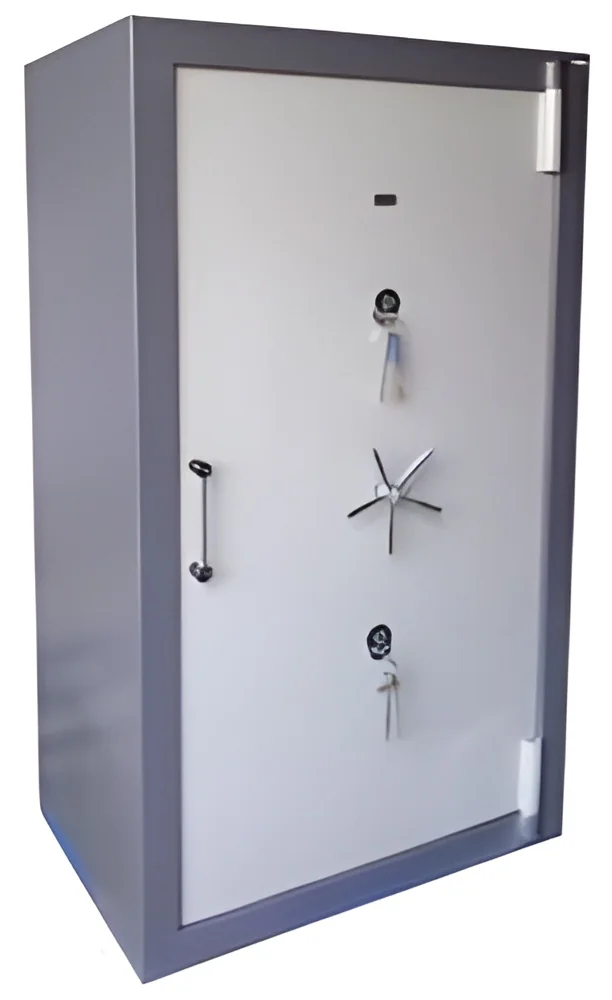
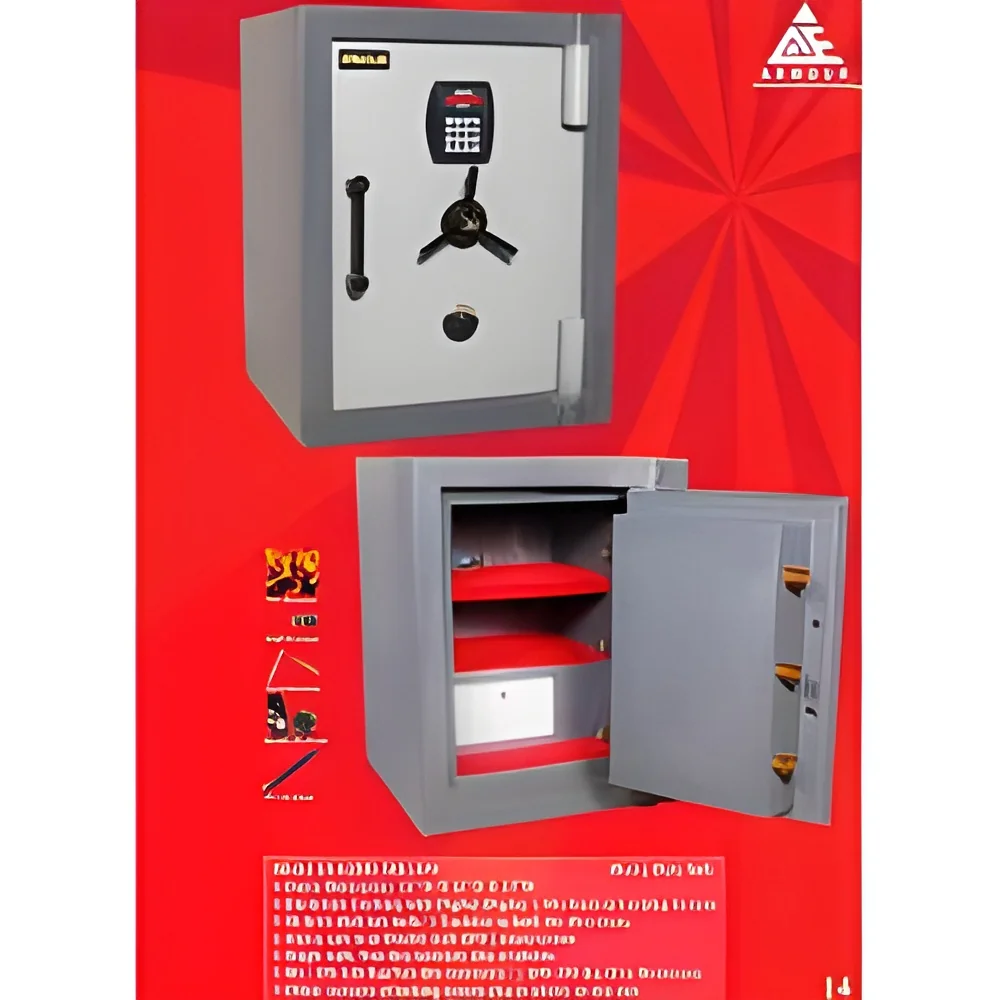
- Features may include key locks, combination locks, or electronic keypads.
- Ensures unauthorized access is prevented.
3. Size and Weight
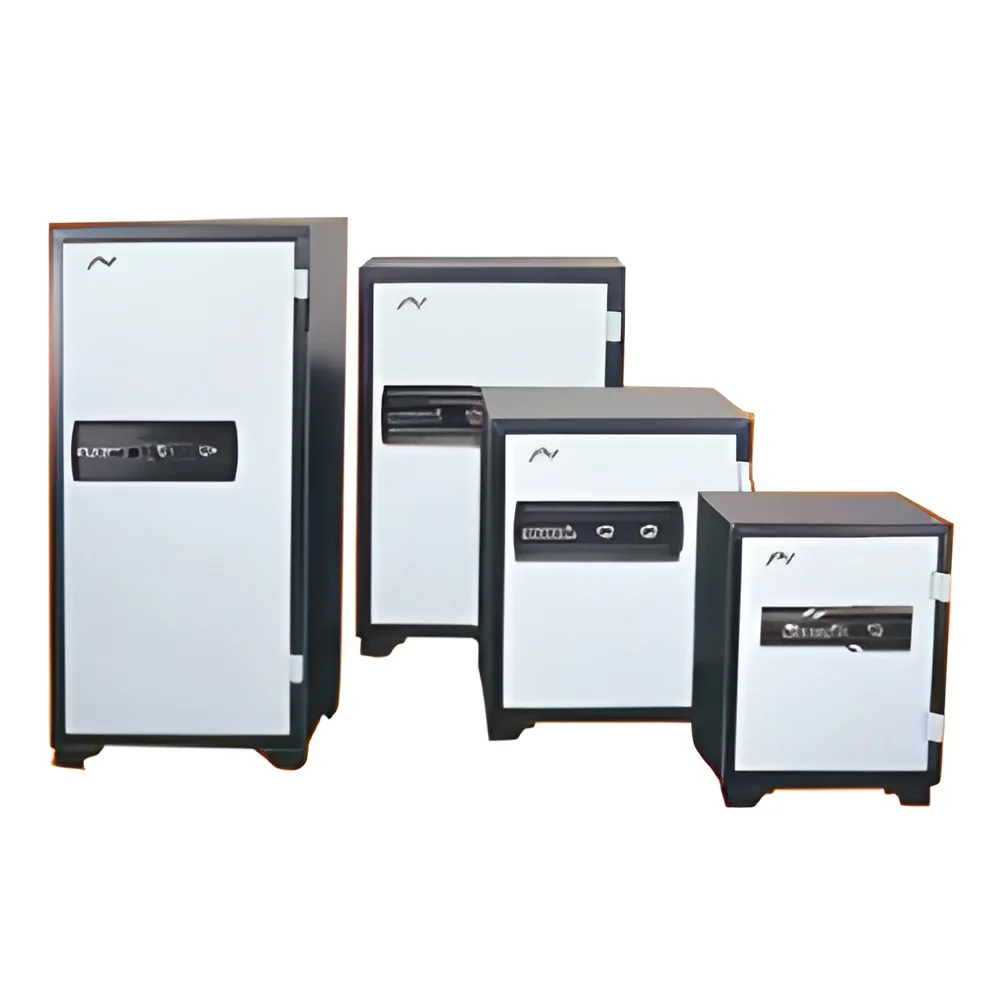
- Available in various sizes to accommodate different storage needs.
- Weight can vary significantly based on the safe's construction and size.
4. Waterproof Features
- Some models also offer waterproofing to protect against water damage during firefighting efforts.
- Ratings may vary, often measured in inches of water resistance.
5. Internal Organization
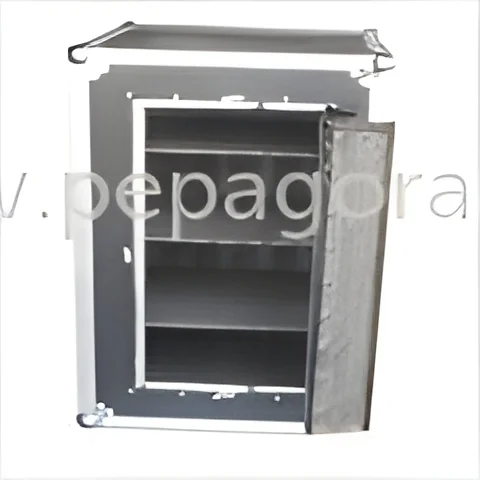
- Shelves, drawers, and compartments may be included for better organization.
- Allows for efficient storage of documents and valuables.
6. Material Construction
- Made from heavy-gauge steel and insulation materials to enhance fire resistance.
- Quality of materials directly influences overall security.
7. Certification
- Many safes are certified by recognized testing laboratories, ensuring compliance with industry standards.
- Look for certifications like CE to ensure quality and reliability.
8. Warranty
- Manufacturers often provide warranties that cover defects and performance.
- Warranties may vary in length based on the manufacturer and model.
In summary, understanding the features and specifications of fire-resistant safes is crucial for making an informed purchasing decision, ensuring that the safe meets the specific needs of the user.
Common Applications and Use Cases
Fire-resistant safes are utilized across various industries to safeguard sensitive information and valuable assets.
1. Financial Institutions: Banks and credit unions use fire-resistant safes to store cash, important financial documents, and backup data. This ensures that critical records are protected against fire damage.
2. Legal Firms: Law offices rely on these safes to secure case files, client documents, and sensitive information that must be preserved in the event of a fire.
3. Healthcare Facilities: Hospitals and clinics use fire-resistant safes to protect patient records, medical equipment, and sensitive data from potential fire hazards.
4. Government Agencies: Various government departments use fire-resistant safes to secure vital records and confidential information, ensuring continuity in operations during disasters.
5. Educational Institutions: Schools and universities store academic records and administrative documents in fire-resistant safes to protect them from fire-related incidents.
6. Manufacturing Companies: Manufacturers use these safes to secure trade secrets, intellectual property documents, and other sensitive business information.
7. Retail Businesses: Retailers often store cash, inventory records, and employee information in fire-resistant safes to mitigate risks associated with fire damage.
Product Variants and Subcategories
Fire-resistant safes come in various configurations, each tailored for different security needs and applications.
Commercial Fire-Resistant Safes
These safes are designed for businesses and often feature higher fire ratings and larger storage capacities. They may include advanced locking mechanisms to enhance security.
Residential Fire-Resistant Safes
Ideal for home use, these safes offer a combination of fire protection and security for personal documents, jewelry, and cash. They are typically smaller and more compact.
Media Fire-Resistant Safes
Specifically designed for electronic media, these safes protect items such as hard drives, CDs, and USB drives from fire and heat damage. They often feature specialized insulation to maintain lower internal temperatures.
Portable Fire-Resistant Safes
These lightweight options are designed for easy transport, providing fire protection for valuables on the go. They are suitable for personal or professional use.
Benefits and Advantages
Investing in fire-resistant safes offers numerous benefits to businesses and individuals alike.
1. Enhanced Security: Fire-resistant safes provide an additional layer of security against theft and fire hazards, protecting valuable assets.
2. Peace of Mind: Knowing that important documents and items are safeguarded against fire damage offers significant peace of mind to users.
3. Compliance with Regulations: Many industries require secure storage solutions for sensitive information. Fire-resistant safes help businesses comply with such regulations.
4. Cost-Effectiveness: By protecting against potential fire losses, these safes can save businesses money in the long run.
5. Versatile Applications: Fire-resistant safes are suitable for various environments, including offices, homes, and industrial settings.
6. Customization Options: Many manufacturers offer customizable features, allowing businesses to choose safes that meet their specific needs.
Buying Guide for B2B Buyers
When sourcing fire-resistant safes, it is essential to consider several key factors to ensure a successful purchase.
1. Quality Assessment: Evaluate the manufacturer's reputation and product reviews. Look for certifications that verify the safe's fire resistance and overall quality.
2. Supplier Verification: Vet suppliers by checking their credentials and customer feedback. A reliable supplier should have a proven track record in delivering quality products.
3. Pricing and MOQ: Understand the pricing structure and minimum order quantities (MOQ) that suppliers offer. Compare prices among different suppliers to ensure competitive rates.
4. Delivery and Lead Times: Discuss logistics and lead times with suppliers to ensure timely delivery of your fire-resistant safes. Consider any potential delays in the supply chain.
5. Compliance Requirements: Be aware of local regulations regarding fire safety and storage. Ensure that the safes meet any compliance standards relevant to your industry.
Compliance and Certifications
Fire-resistant safes must meet various compliance regulations and industry standards to ensure their effectiveness and reliability.
Relevant quality standards include ISO 9001, which outlines criteria for a quality management system. Compliance with this standard indicates that the manufacturer has consistent processes in place to meet customer requirements.
Additionally, many fire-resistant safes are certified by recognized organizations such as CE, which signifies that the products meet European safety standards. This certification is crucial for businesses operating in regions with stringent regulatory requirements.
Safety and testing requirements are also important to consider. Safes undergo rigorous testing to determine their fire resistance ratings. These tests simulate extreme conditions to assess how well the safe protects its contents.
Regional compliance considerations may vary, so it is important to check local regulations concerning fire safety and secure storage. This ensures that the chosen safes comply with regional laws and standards.
Why Source Fire-Resistant Safes from Pepagora?
Pepagora serves as a trusted platform for sourcing fire-resistant safes, offering several key advantages to buyers.
Verified Supplier Network: Pepagora maintains a network of verified suppliers, ensuring that businesses can find reputable manufacturers that offer high-quality fire-resistant safes.
Streamlined RFQ Process: The request for quotation (RFQ) process on Pepagora is designed to be efficient, allowing buyers to compare prices and product specifications easily, streamlining the purchasing decision.
Trade Assurance and Support: Pepagora provides trade assurance, protecting buyers during transactions. This added layer of security helps foster confidence in the purchasing process.
Regional Coverage: With a geographic reach extending across India, the GCC, and Southeast Asia, Pepagora connects buyers with suppliers in various regions, facilitating access to fire-resistant safes that meet specific needs.
In summary, Pepagora is an excellent resource for businesses looking to source reliable fire-resistant safes, offering a combination of quality, support, and accessibility.

 IN
IN