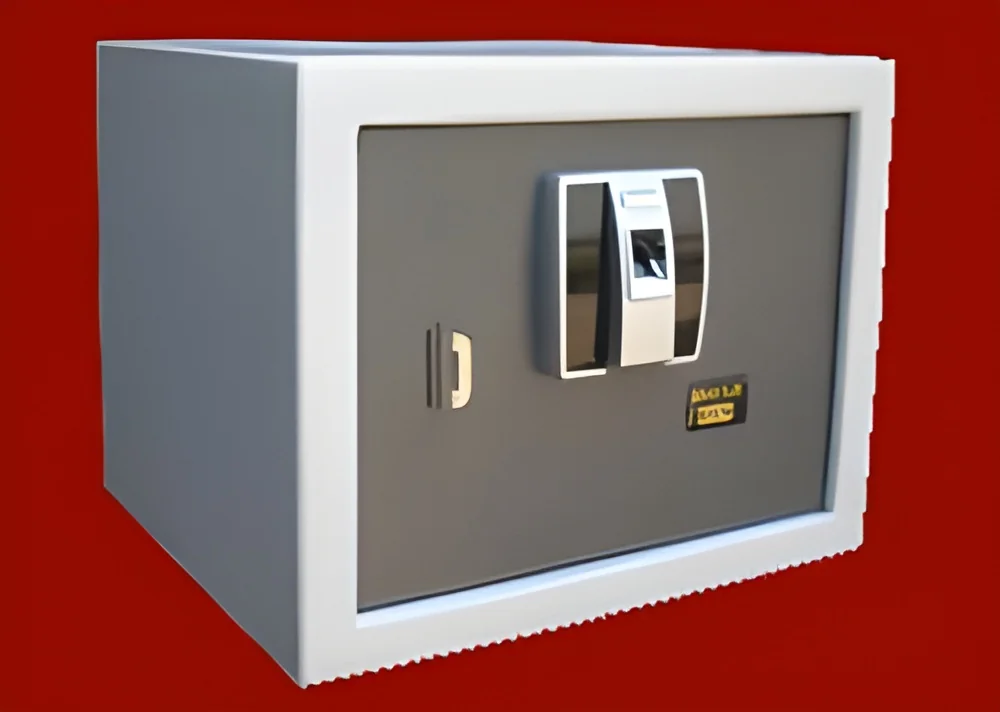
What are Biometric Safes?
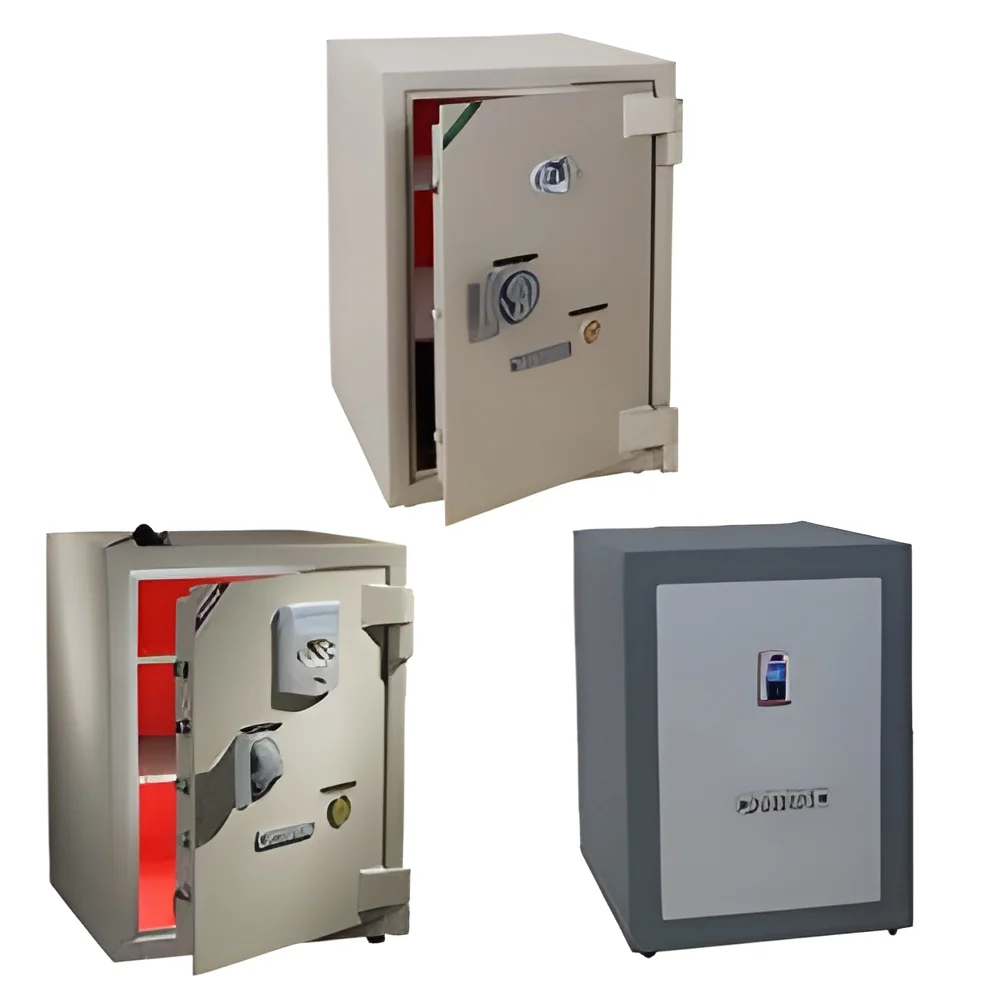
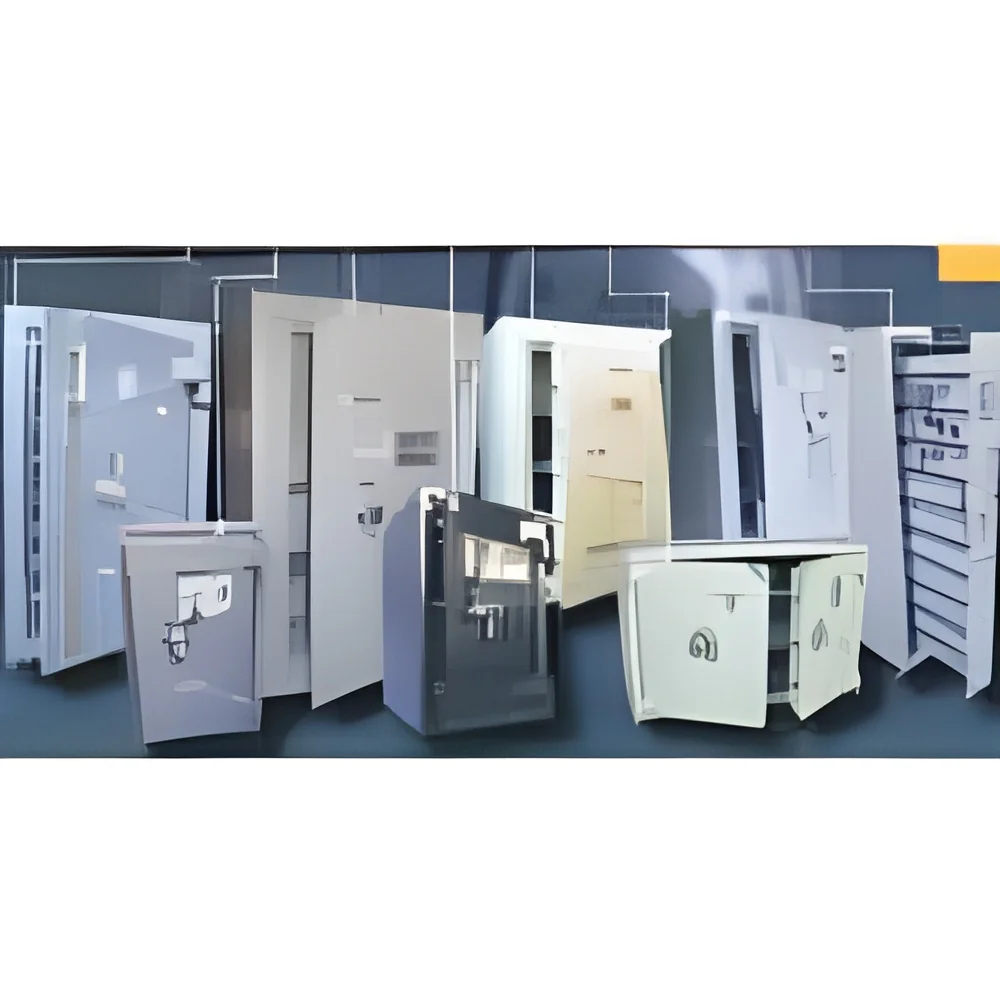
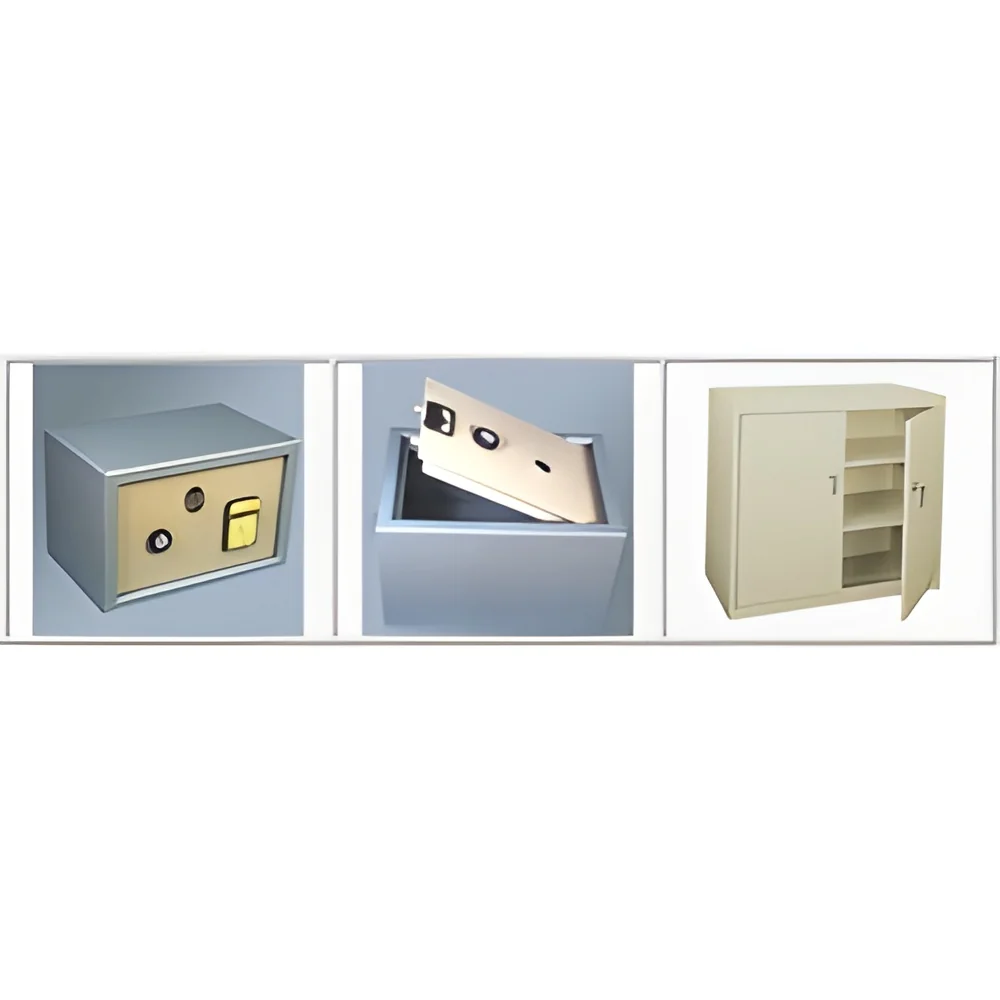
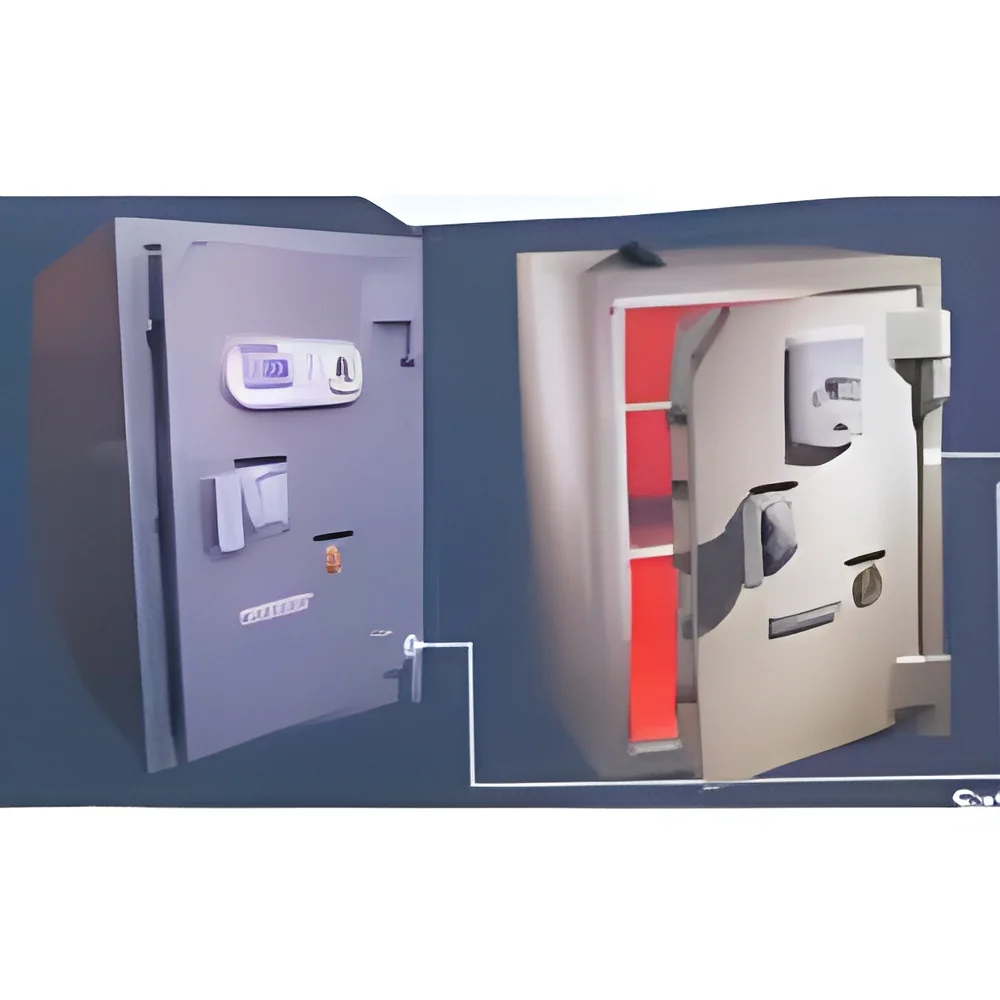
Biometric safes are advanced security solutions designed to protect valuable items through the use of biometric authentication technologies. These safes utilize unique biological traits, such as fingerprints or retinal scans, to grant access, ensuring that only authorized users can open them. This technology offers a significant upgrade over traditional keylocks and combination locks, as it eliminates the need for physical keys or memorized codes, thus enhancing convenience and security.
In business applications, biometric safes are commonly used in environments where the protection of sensitive information or valuable assets is critical. This includes financial institutions, government offices, healthcare facilities, and even personal storage in residential settings. By leveraging biometric technology, organizations can manage access control effectively, track usage, and reduce the risk of unauthorized entry. The growing demand for enhanced security measures in various sectors underscores the relevance of biometric safes in today's market.
The biometric safe market is evolving as businesses increasingly prioritize security. With the rise in cyber threats and physical theft, industries are turning to these high-tech solutions to safeguard their assets. This trend is amplified by technological advancements that make biometric systems more reliable and affordable. As a result, the market for biometric safes is expected to expand, driven by the need for secure, user-friendly, and efficient access control systems.
Key Features and Specifications
Biometric safes are built with a variety of features and specifications that enhance their security and usability. Understanding these specifications is crucial for businesses looking to invest in reliable security solutions.
Key specifications include:
1. Biometric Authentication Method
- Typically utilizes fingerprint recognition
- Some models may include facial recognition or iris scanning
2. Storage Capacity
- Varies by model, ranging from small personal safes to larger models capable of storing multiple items
- Measured in liters or cubic feet
3. Build Material
- Constructed from high-grade steel for durability
- Fire and water-resistant options available
4. Power Source
- Operates on batteries or can be plugged into an AC outlet
- Battery life can range from several months to years depending on usage
5. Locking Mechanism
- Features electronic locking with manual override options
- Some models include alarm systems for unauthorized access attempts
6. User Capacity
- Can store multiple fingerprints for different users
- Some models allow for guest access with temporary codes
7. Portability
- Options available for wall mounting or standalone use
- Lightweight designs facilitate easy transport
8. Warranty Period
- Typically comes with a manufacturer warranty ranging from one to five years
In summary, understanding these features and specifications can help businesses select the right biometric safe that meets their security needs.
Common Applications and Use Cases
Biometric safes find applications across a range of industries, providing tailored security solutions for different environments.
1. Financial Services: Banks and credit unions utilize biometric safes for secure storage of cash, documents, and sensitive customer information, ensuring only authorized personnel can access these assets.
2. Healthcare: Hospitals and clinics use biometric safes to protect confidential patient data and pharmaceutical supplies, helping them comply with privacy regulations and maintain patient trust.
3. Government: Various government agencies employ biometric safes to secure classified documents and sensitive equipment, minimizing the risk of data breaches and unauthorized access.
4. Education: Schools and universities adopt biometric safes to protect valuable equipment, such as technology assets and sensitive student records.
5. Retail: Retailers utilize biometric safes to secure cash drawers and high-value merchandise, reducing theft and ensuring safe transactions.
6. Home Security: Individuals use biometric safes for personal valuables, such as jewelry and important documents, offering peace of mind through advanced security measures.
7. Transportation: Airlines and shipping companies rely on biometric safes to store cargo manifests and sensitive items during transit, ensuring the security of high-value goods.
Product Variants and Subcategories
Biometric safes come in various designs and features to cater to diverse needs.
Fingerprint Biometric Safe: This variant uses advanced fingerprint scanning technology for access. It is ideal for personal use and small businesses, allowing multiple fingerprints to be stored for family or staff access.
Multi-User Biometric Safe: Designed for environments with several authorized users, this safe can store numerous fingerprints and provides audit trails for access history. It is commonly used in corporate settings and shared facilities.
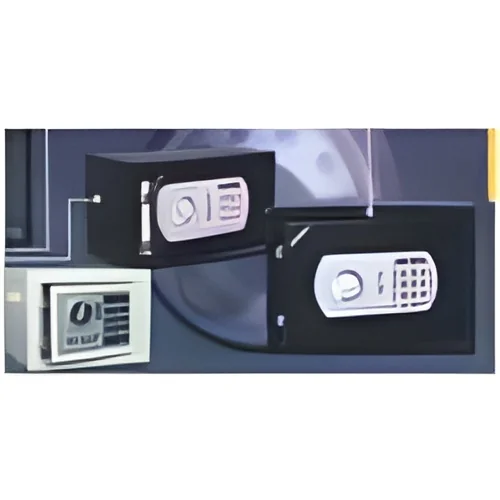
Portable Biometric Safe: Lightweight and compact, this variant is designed for easy transport. It is suitable for travelers who need secure storage for valuables on the go, such as cash, passports, and electronics.
Benefits and Advantages
Investing in biometric safes offers numerous advantages for businesses and individuals alike.
Key benefits include:
1. Enhanced Security: The use of biometric authentication significantly reduces the risk of unauthorized access compared to traditional locks.
2. Convenience: Users can access safes quickly without the need to remember combinations or carry keys, streamlining the process of retrieving important items.
3. Audit Capabilities: Many biometric safes provide features that allow users to track who accessed the safe and when, which is crucial for accountability in business settings.
4. Customization Options: Some biometric safes can be tailored to specific needs, including additional features such as alarms and remote monitoring.
5. Durability: Built with high-quality materials, biometric safes are designed to withstand tampering and environmental threats, ensuring long-term protection.
6. Compliance: Using biometric safes can help organizations meet regulatory requirements for data protection and physical security.
Buying Guide for B2B Buyers
When sourcing biometric safes, several key factors should be considered to ensure a sound investment.
1. Quality Assessment: It's essential to evaluate the build quality and materials used in biometric safes. Look for safes constructed from high-grade steel and those that meet recognized safety standards.
2. Supplier Verification: Vetting suppliers is crucial to ensure they are reputable and offer quality products. Check for reviews, certifications, and industry reputation before finalizing a supplier.
3. Pricing and MOQ: Understand the pricing structure and minimum order quantities (MOQ) for biometric safes. Comparing quotes from multiple suppliers can help identify the best deal.
4. Delivery and Lead Times: Consider the logistics involved in purchasing biometric safes, including delivery times and shipping costs. Confirm that the supplier can meet your timeline requirements.
5. Compliance Requirements: Ensure that the biometric safes meet any applicable regulatory and compliance standards for your industry. This may include certifications like CE or specific safety standards.
Compliance and Certifications
Biometric safes must adhere to various compliance and certification standards to ensure quality and safety.
Relevant quality standards include ISO 9001, which sets criteria for quality management systems. This standard ensures that manufacturers consistently produce safe and reliable products.
Additionally, many biometric safes carry the CE mark, indicating compliance with European safety and health regulations. This certification is essential for products intended for the European market.
Safety and testing requirements must also be met, particularly concerning the materials used in construction and the effectiveness of biometric features. Manufacturers should provide documentation proving that their products have undergone rigorous testing.
Regional compliance considerations can vary, so businesses should verify that the biometric safes comply with local regulations wherever they operate. This is especially important for businesses that operate in multiple countries.
Why Source Biometric Safes from Pepagora?
Pepagora provides a trusted platform for sourcing biometric safes, offering several key advantages to B2B buyers.
Verified Supplier Network: Pepagora ensures that all suppliers in its network are thoroughly vetted for quality and reliability. This gives buyers confidence in the products they choose.
Streamlined RFQ Process: The request for quotation (RFQ) system simplifies the procurement process. Buyers can easily compare multiple quotes and select the best options for their needs.
Trade Assurance and Support: Pepagora offers buyer protection through trade assurance, ensuring that purchases are secure. This includes support services to assist throughout the procurement process.
Regional Coverage: With a strong presence in India, the GCC, and Southeast Asia, Pepagora connects buyers to suppliers across these regions, facilitating access to a wide range of biometric safes tailored to local markets.

 IN
IN