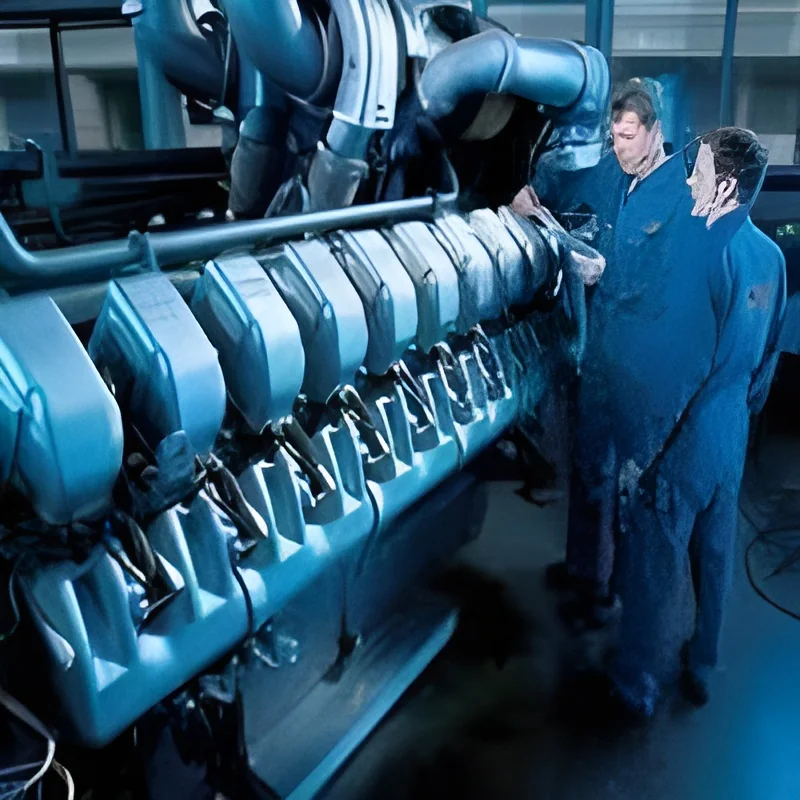
What are Emergency Maintenance Services?
Emergency Maintenance Services refer to the immediate repair and maintenance support provided to prevent or resolve unexpected equipment failures or operational disruptions in industrial settings. These services are vital for minimizing downtime and restoring normal operations as quickly as possible. Professionals in this field are equipped to handle a variety of emergencies that can arise in manufacturing, utilities, and other industrial environments.
These services are primarily used in situations where critical machinery or systems fail unexpectedly, potentially leading to significant financial losses or safety hazards. Industries such as manufacturing, energy, and healthcare rely heavily on these services to maintain operational integrity and ensure compliance with safety regulations. With the increasing reliance on technology and complex machinery, the demand for reliable emergency maintenance services has grown significantly.
In the current market, emergency maintenance services are becoming increasingly relevant due to the need for businesses to ensure continuous operations. As industries evolve and become more automated, the risks associated with equipment failures also rise. Therefore, having a robust emergency maintenance plan in place is essential for businesses looking to enhance their operational resilience.
Key Features and Specifications
Emergency Maintenance Services come with various key features that ensure quick and effective responses to industrial emergencies. These features are designed to address the unique needs of different industries while maintaining high standards of service.
Key specifications include:
1. Rapid Response Time
- Services typically promise a quick response within hours of a reported issue to minimize downtime.
- Many providers offer 24/7 availability to address emergencies at any time.
2. Skilled Technicians
- Technicians are usually trained and certified in various fields relevant to industrial maintenance.
- Continuous training ensures technicians are up to date with the latest technologies and techniques.
3. Comprehensive Diagnostic Tools
- Services often include advanced diagnostic equipment to identify and resolve issues effectively.
- Use of predictive maintenance technologies can help prevent future emergencies.
4. Flexible Service Plans
- Providers may offer tailored maintenance plans based on specific business needs.
- Options for both on-site and remote support can be available.
5. Quality Assurance
- Services typically adhere to strict quality control measures to ensure reliability and safety.
- Many providers follow industry standards and best practices in their operations.
6. Safety Compliance
- Emergency maintenance services often include adherence to safety regulations and protocols.
- Regular safety audits may be conducted to ensure compliance with industry standards.
In summary, emergency maintenance services are characterized by their rapid response capabilities, skilled personnel, and commitment to safety and quality, making them essential for industries that rely on continuous operation.
Common Applications and Use Cases
Emergency Maintenance Services are utilized across various industries to address unexpected equipment failures and operational disruptions.
1. Manufacturing: In the manufacturing sector, these services are critical for maintaining production lines. Quick repairs can prevent costly shutdowns and ensure that manufacturing processes remain efficient.
2. Energy: The energy sector relies on emergency maintenance to maintain the integrity of power generation and distribution systems. Failures in equipment can lead to significant outages, making timely repairs essential.
3. Healthcare: Hospitals and healthcare facilities require emergency maintenance for medical equipment and systems. Uninterrupted operation of critical machines can be a matter of life and death.
4. Transportation: Emergency maintenance services are vital for transportation logistics, ensuring that vehicles and machinery used in freight and passenger services operate safely and efficiently.
5. Food and Beverage: In the food industry, equipment failures can lead to product spoilage and compliance issues. Emergency services help maintain hygiene standards and operational continuity.
6. Chemical Processing: The chemical industry benefits from emergency maintenance to avoid hazardous incidents. Timely interventions help mitigate risks associated with chemical spills or equipment failures.
7. Construction: Construction sites often face unexpected equipment breakdowns. Emergency maintenance ensures that projects stay on schedule and within budget.
Product Variants and Subcategories
Emergency Maintenance Services can vary widely based on the specific needs of industries and businesses. Although there are no distinct subcategories available, some common variants can be recognized based on service offerings.
On-Site Emergency Services
These services involve sending technicians directly to the site of the equipment failure. This approach allows for immediate assessment and repair, minimizing downtime.
Remote Support Services
Some providers offer remote assistance, using technology to diagnose problems and guide on-site personnel through repairs. This can be especially useful for less critical issues or preliminary diagnostics.
Scheduled Emergency Maintenance
This variant involves pre-scheduled maintenance checks to anticipate and resolve potential issues before they escalate into emergencies. This proactive approach helps reduce the frequency of urgent repairs.
Benefits and Advantages
Emergency Maintenance Services offer numerous benefits that can enhance operational efficiency and reduce risks for businesses.
1. Minimized Downtime: Quick response times help businesses return to normal operations swiftly, reducing the financial impact of equipment failures.
2. Cost Efficiency: Preventing prolonged downtime can save significant costs associated with lost production and emergency repairs.
3. Enhanced Safety: Timely maintenance reduces the likelihood of accidents caused by equipment failures, promoting a safer work environment.
4. Improved Reliability: Regular emergency maintenance ensures that equipment remains in optimal condition, enhancing overall reliability and performance.
5. Expert Support: Access to skilled technicians means that issues are diagnosed and resolved by professionals with specialized knowledge.
6. Tailored Solutions: Many providers can customize their services to meet specific operational needs, ensuring that businesses receive the most relevant support.
Buying Guide for B2B Buyers
When considering Emergency Maintenance Services, several key factors should be evaluated to ensure the best fit for your business needs.
1. Quality Assessment: Look for providers that adhere to recognized quality standards and have a proven track record of reliable service. Customer reviews and case studies can provide insights into their performance.
2. Supplier Verification: It is essential to vet potential suppliers thoroughly. Check for certifications, industry experience, and references to ensure they are credible and capable of delivering quality services.
3. Pricing and MOQ: Understand the pricing structure and any minimum order quantities. Clarify what is included in the service agreement to avoid unexpected costs.
4. Delivery and Lead Times: Evaluate the provider's response times and availability. Quick lead times are crucial for emergency situations, so ensure they can meet your urgent needs.
5. Compliance Requirements: Be aware of any industry-specific regulations that may apply. Ensuring that your chosen provider meets these requirements is essential for legal and operational compliance.
Compliance and Certifications
Compliance and certifications play a crucial role in the delivery of Emergency Maintenance Services. Providers often adhere to relevant quality standards such as ISO 9001, which ensures a systematic approach to quality management. This standard helps organizations maintain consistent quality in their services.
Additionally, industry certifications like CE indicate that the services meet established safety and performance standards. These certifications are vital for ensuring that equipment and services comply with regulatory requirements, particularly in sectors like healthcare and manufacturing where safety is paramount.
Safety and testing requirements are also critical. Providers should conduct regular safety audits and adhere to testing protocols to ensure that all maintenance activities comply with health and safety regulations.
Regional compliance considerations are vital as well. Depending on the geographic area of operation, different regulations may apply. It is essential for businesses to partner with service providers who understand and comply with these local and regional standards.
Why Source Emergency Maintenance Services from Pepagora?
Pepagora offers a trusted platform for sourcing Emergency Maintenance Services, providing several advantages to businesses seeking these critical solutions.
Verified Supplier Network: Pepagora connects buyers with a network of verified suppliers. Each supplier is vetted for quality and reliability, ensuring that businesses can access top-tier service providers.
Streamlined RFQ Process: Pepagora simplifies the request for quotation process, allowing businesses to receive competitive offers from multiple suppliers. This efficiency helps buyers make informed decisions quickly.
Trade Assurance and Support: With trade assurance features, Pepagora ensures buyer protection throughout the procurement process. This support builds confidence for businesses in their sourcing decisions.
Regional Coverage: Pepagora's extensive geographic reach includes markets in India, the Gulf Cooperation Council, and Southeast Asia. This broad coverage allows businesses to find local suppliers who understand regional market dynamics and regulatory requirements.
In summary, Pepagora provides a comprehensive platform for sourcing Emergency Maintenance Services, ensuring that businesses can find reliable solutions tailored to their specific needs.

 IN
IN