
 IN
Repair & Maintenance Services
57 products available
𝗪𝗵𝗮𝘁 𝗮𝗿𝗲 𝗥𝗲𝗽𝗮𝗶𝗿 & 𝗠𝗮𝗶𝗻𝘁𝗲𝗻𝗮𝗻𝗰𝗲 𝗦𝗲𝗿𝘃𝗶𝗰𝗲𝘀?
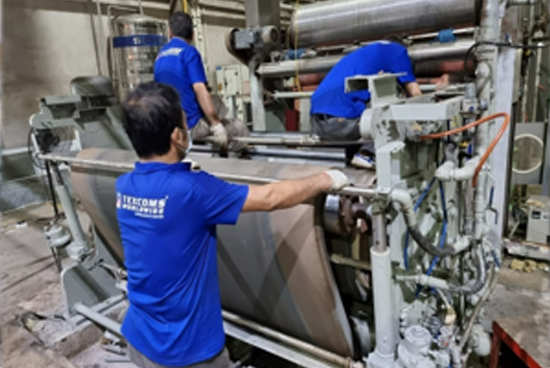
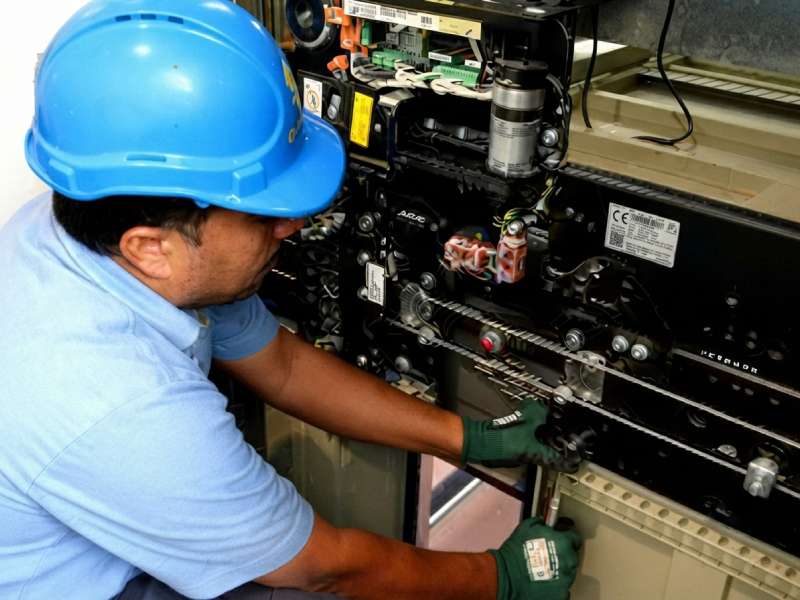
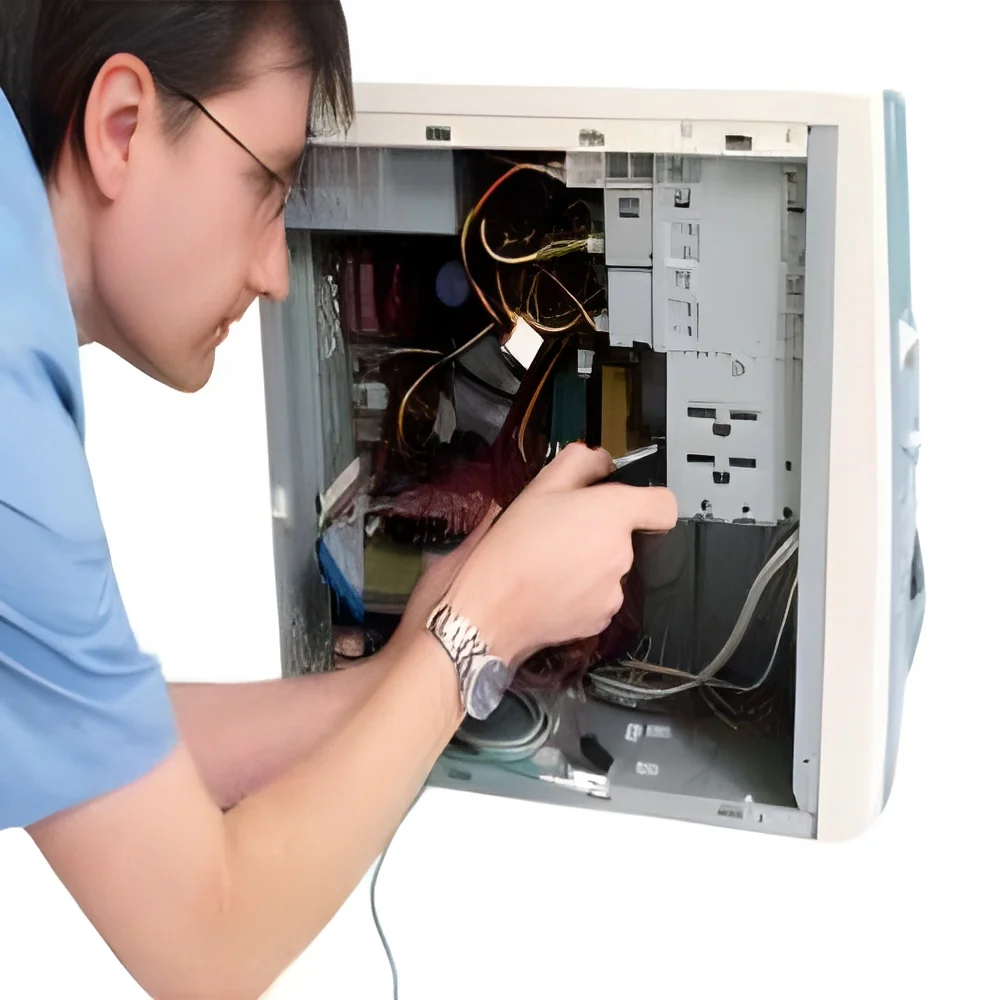
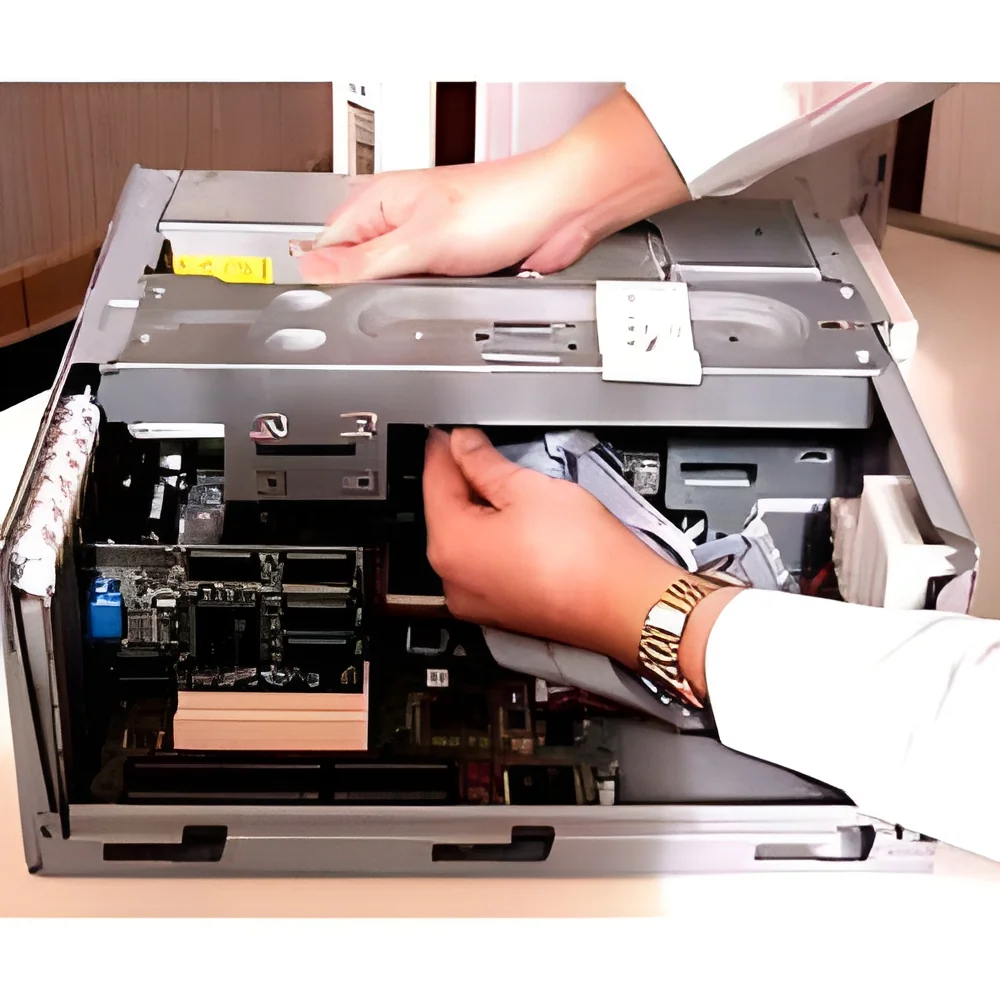
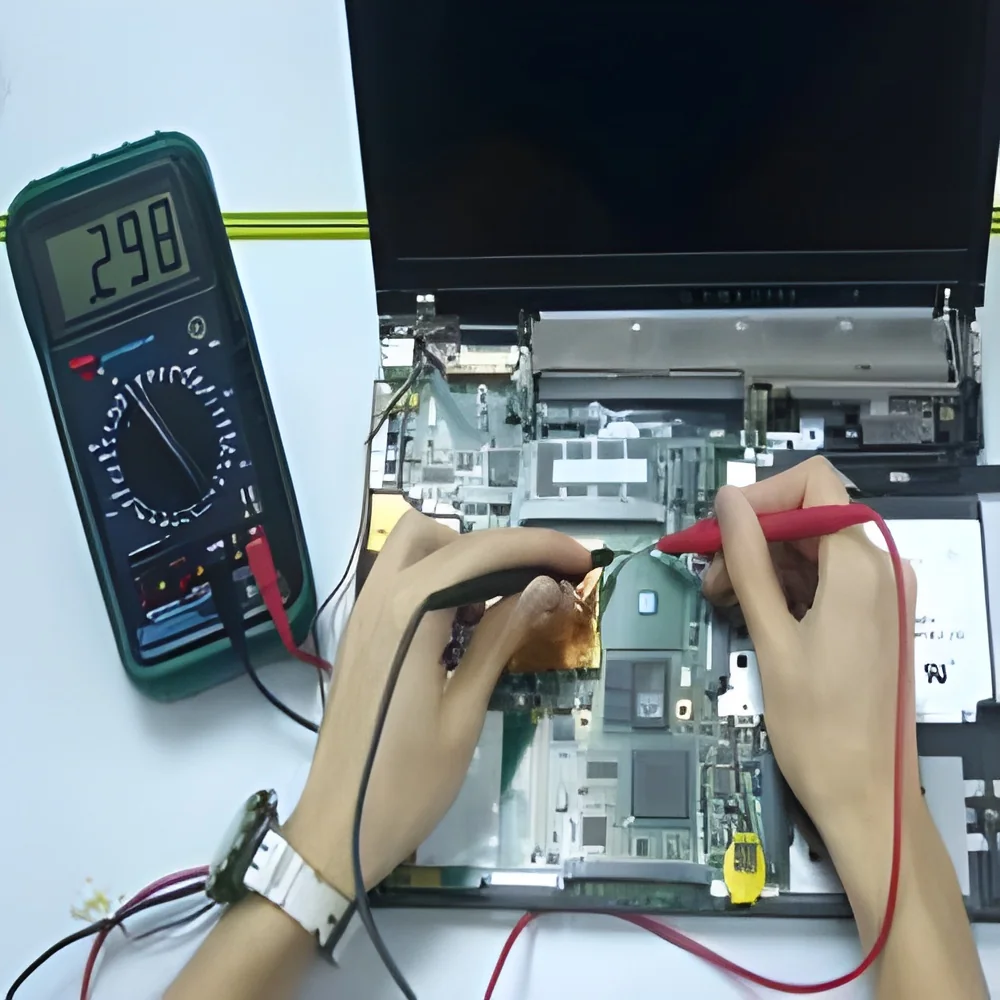
Repair and maintenance services encompass a range of activities designed to keep equipment, machinery, and systems in optimal working condition. These services can include routine inspections, preventive maintenance, and emergency repairs. The goal is to minimize downtime and extend the lifespan of assets, ensuring that operations remain efficient and cost-effective.
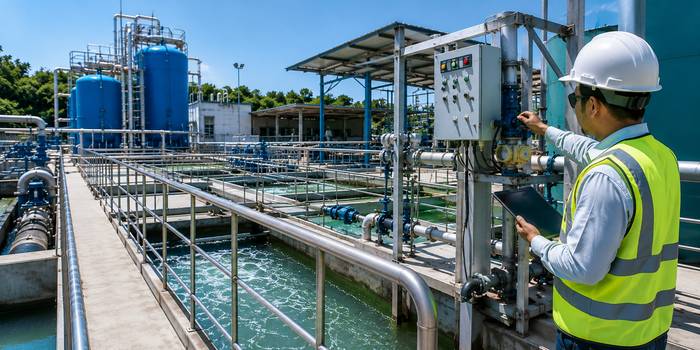
These services are vital across various sectors, including manufacturing, construction, healthcare, and transportation. Businesses rely on these services to maintain productivity and adhere to safety standards. By implementing a robust maintenance plan, organizations can prevent unexpected failures and reduce repair costs significantly.
In the current industrial landscape, the demand for repair and maintenance services is increasing. As companies invest in technology and equipment, the need for specialized services to maintain these assets also grows. This trend highlights the significance of partnering with reliable service providers who can deliver high-quality solutions tailored to specific industry needs.
𝗞𝗲𝘆 𝗙𝗲𝗮𝘁𝘂𝗿𝗲𝘀 𝗮𝗻𝗱 𝗦𝗽𝗲𝗰𝗶𝗳𝗶𝗰𝗮𝘁𝗶𝗼𝗻𝘀
Repair and maintenance services offer features that enhance operational efficiency and asset longevity. These services are designed to be flexible and scalable to meet various business needs.
Key specifications include:
1. Service Scope
- Comprehensive coverage of machinery and equipment
- Includes preventive, corrective, and emergency services
2. Response Time
- Rapid response to service requests
- Typically within 24 hours for urgent repairs
3. Skilled Workforce
- Technicians with specialized training and certifications
- Ongoing education to stay updated with industry standards
4. Equipment and Tools
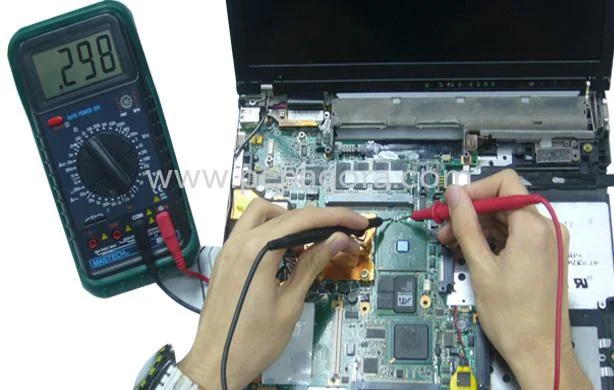
- Use of advanced diagnostic and repair tools
- Access to quality parts and components
5. Reporting and Documentation
- Detailed reports on maintenance activities
- Compliance documentation for regulatory requirements
6. Customizable Plans
- Tailored service agreements based on operational needs
- Options for scheduled or on-demand services
7. Warranty and Guarantees
- Assurance on the quality of services provided
- Coverage for parts and labor depending on the agreement
In summary, these features ensure that repair and maintenance services are effective, reliable, and suited to various industrial applications.
𝗖𝗼𝗺𝗺𝗼𝗻 𝗔𝗽𝗽𝗹𝗶𝗰𝗮𝘁𝗶𝗼𝗻𝘀 𝗮𝗻𝗱 𝗨𝘀𝗲 𝗖𝗮𝘀𝗲𝘀
Repair and maintenance services are essential across multiple industries, each with unique needs.
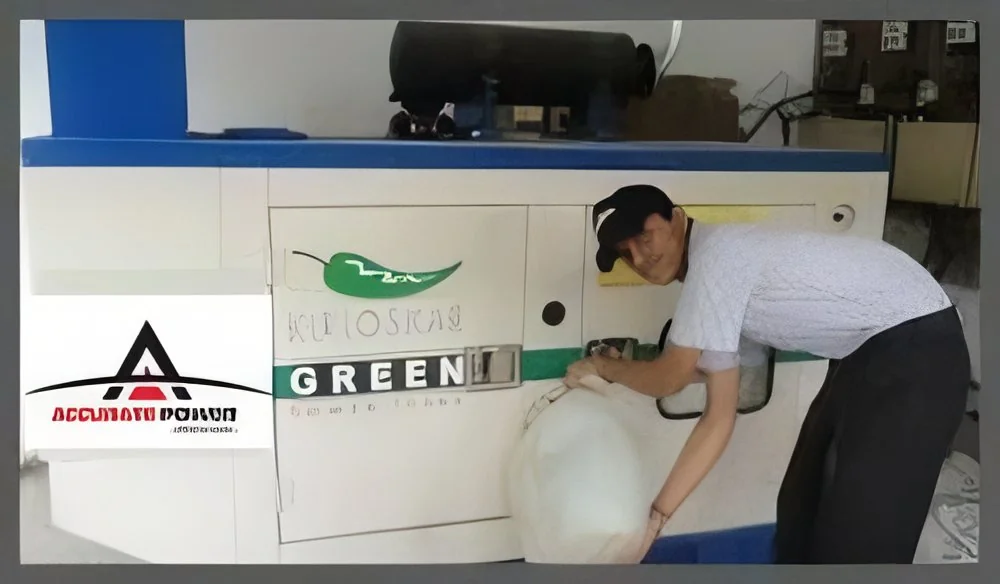
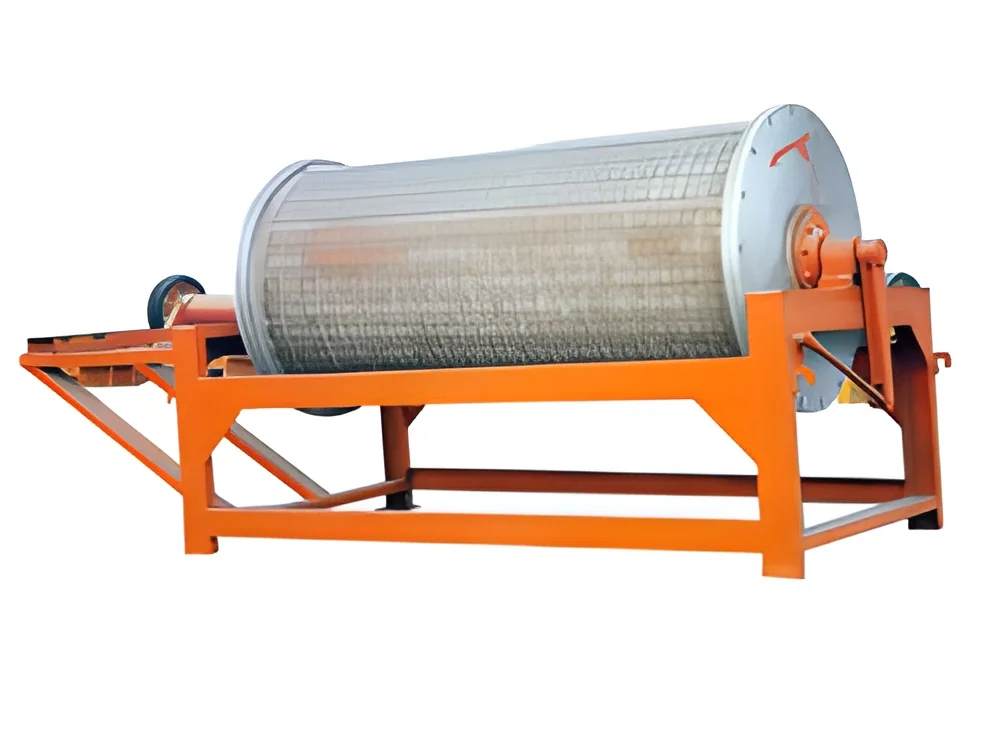
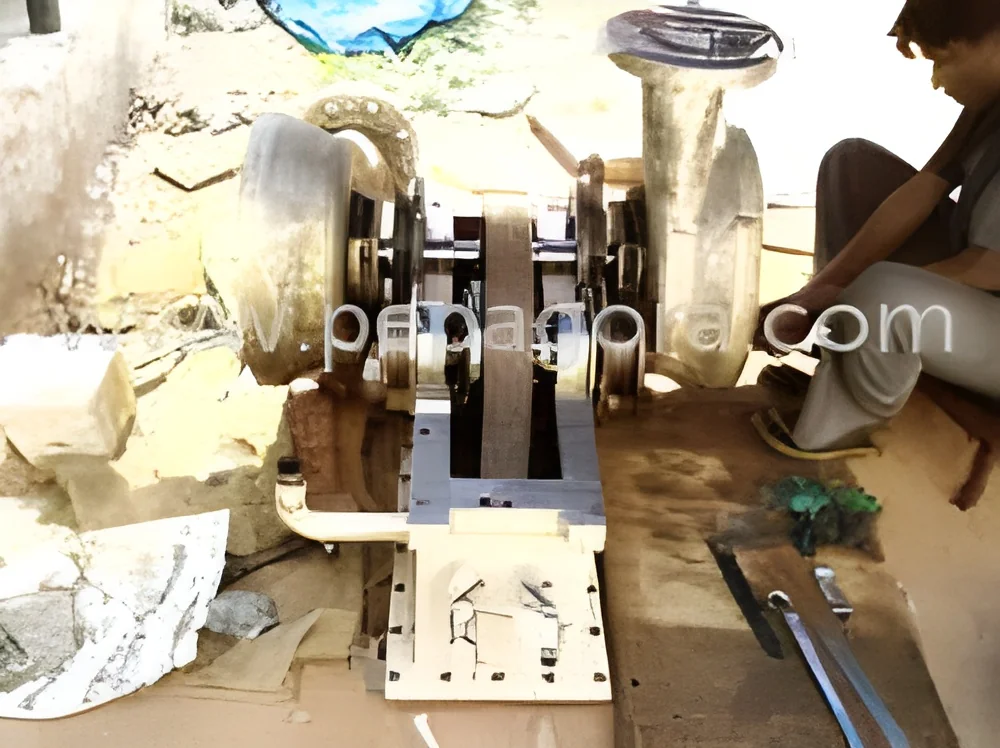
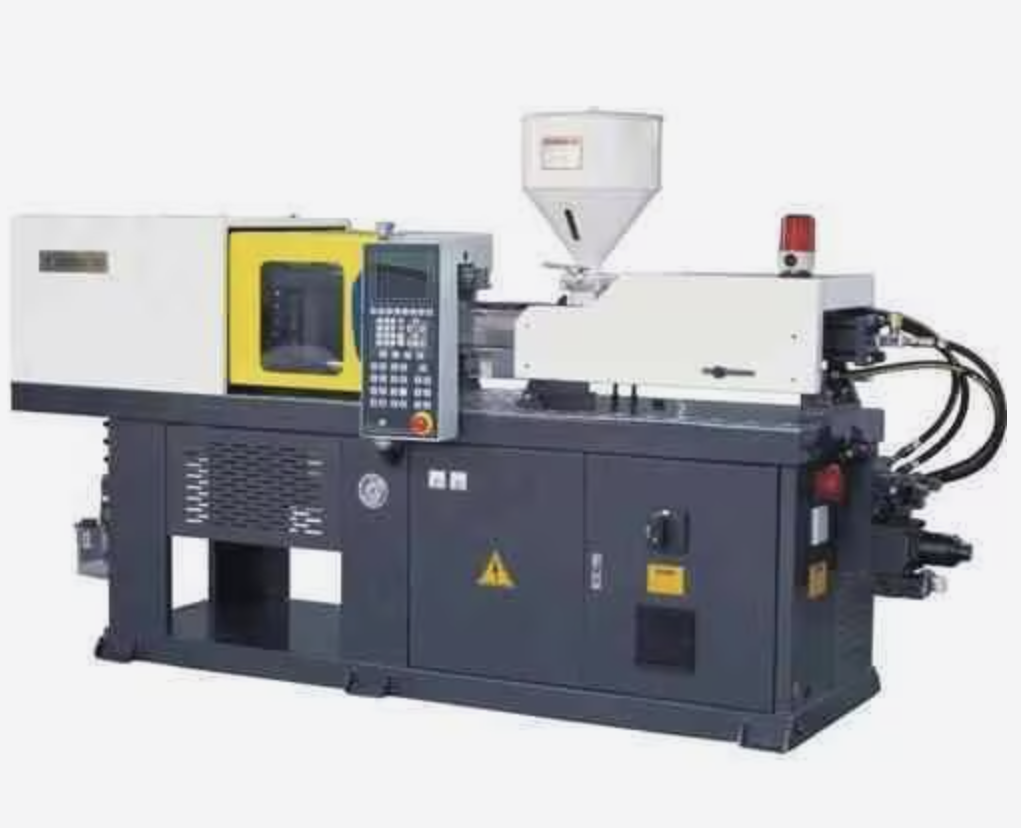
1. Manufacturing: Regular maintenance of machinery is crucial to avoid production delays and ensure quality output. Services may include equipment calibration and parts replacement.
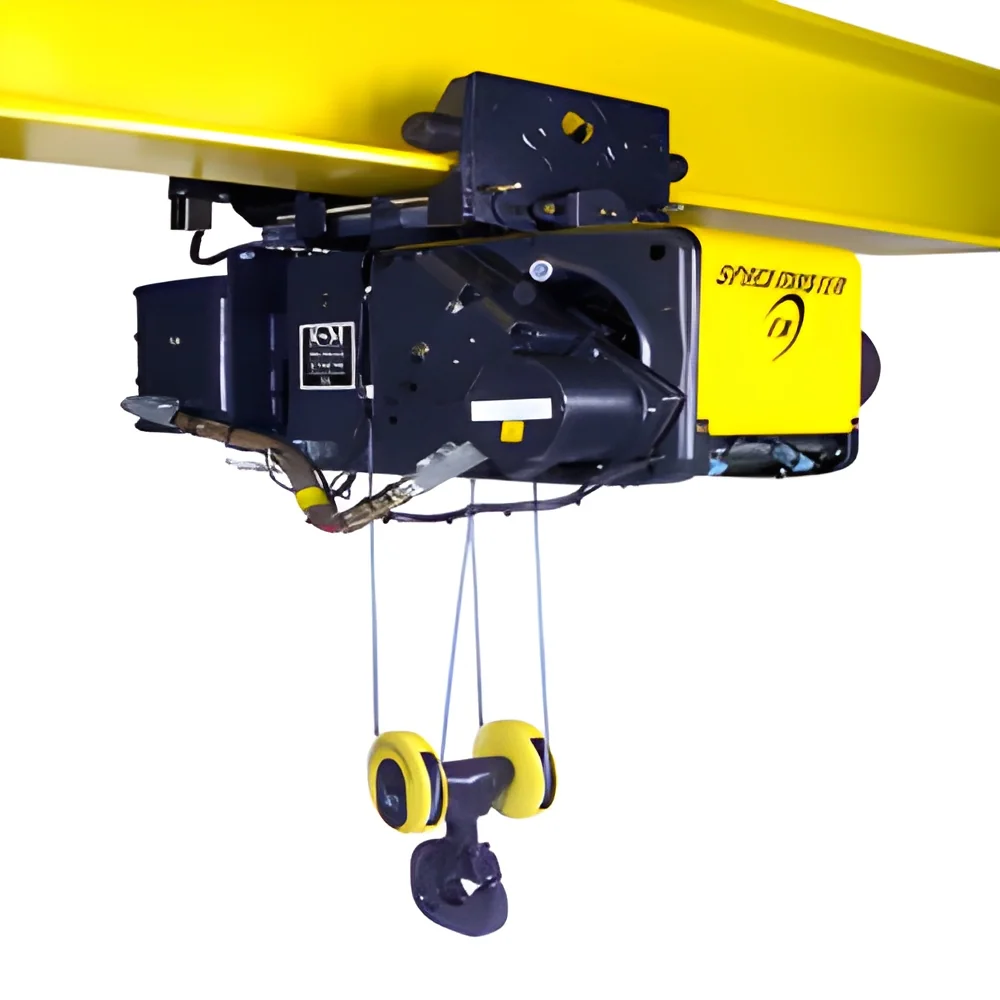
2. Construction: Heavy machinery and tools require ongoing inspection and repair to meet safety standards and project timelines. Services often involve hydraulic system repairs and equipment servicing.
3. Healthcare: Maintenance of medical equipment is vital for patient safety. Services include routine checks and emergency repairs of diagnostic and therapeutic devices.
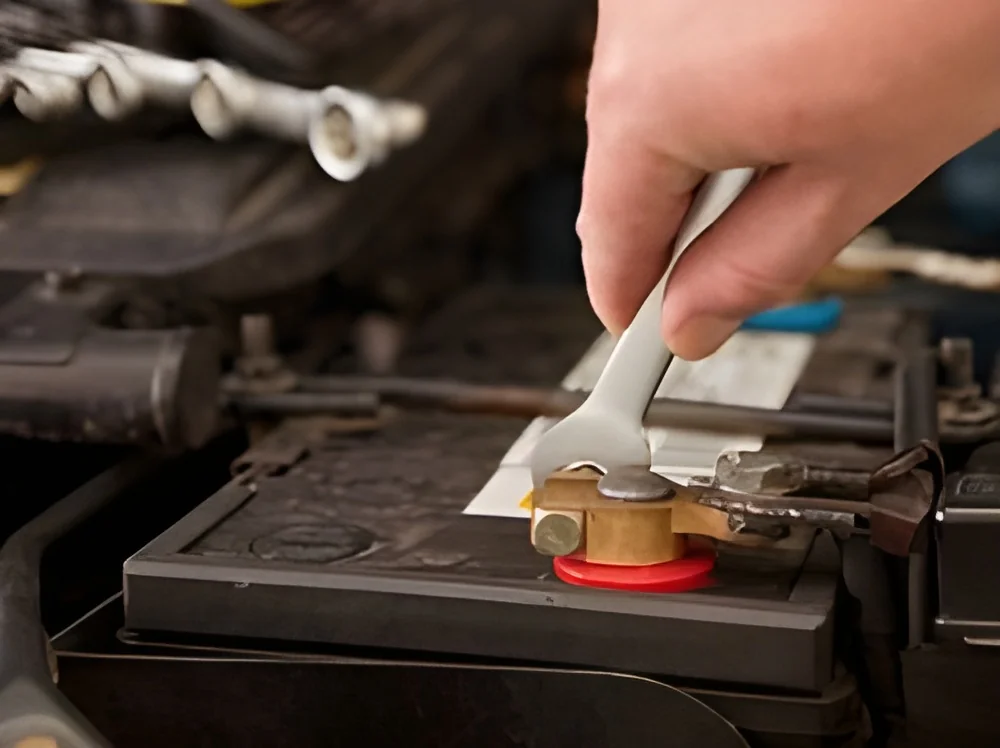
4. Transportation: Fleet maintenance services ensure vehicles operate safely and efficiently. This includes routine inspections, tire replacements, and engine repairs.
5. Hospitality: Facilities require ongoing maintenance to ensure guest satisfaction. Services can involve HVAC system repairs, plumbing maintenance, and electrical inspections.
6. Energy: Maintenance of power generation equipment is essential for operational reliability. Services include turbine inspections and preventive maintenance.
7. Agriculture: Farming equipment needs regular upkeep to maximize productivity. Services can include tractor repairs and irrigation system maintenance.
𝗣𝗿𝗼𝗱𝘂𝗰𝘁 𝗩𝗮𝗿𝗶𝗮𝗻𝘁𝘀 𝗮𝗻𝗱 𝗦𝘂𝗯𝗰𝗮𝘁𝗲𝗴𝗼𝗿𝗶𝗲𝘀
Repair and maintenance services come in various forms to meet diverse business requirements. Each variant is tailored to specific needs.
Preventive Maintenance Services
These services focus on regular inspections and maintenance tasks designed to prevent equipment breakdowns. They often include scheduled maintenance checks and routine servicing.
Emergency Repair Services
Provided when unexpected equipment failures occur, emergency repair services aim to quickly restore functionality. These services are critical in minimizing downtime and maintaining operational efficiency.
On-site vs. Off-site Services
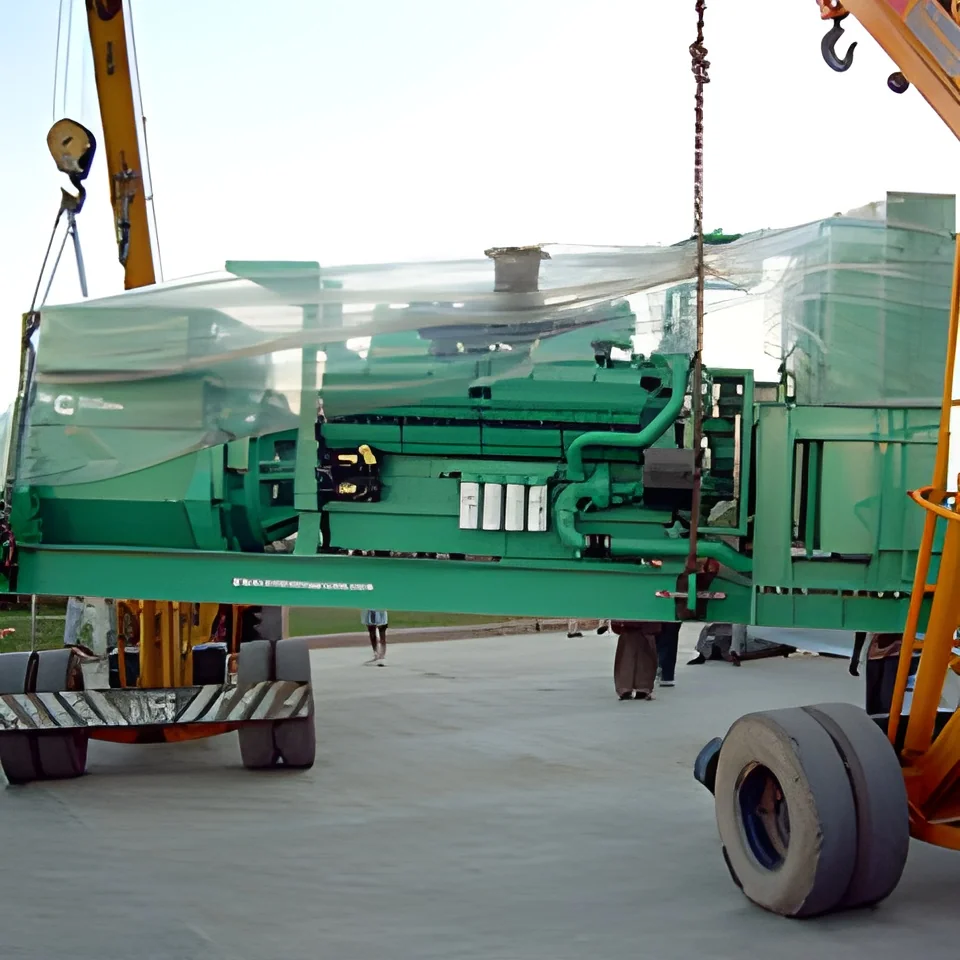
On-site services involve technicians performing repairs and maintenance at the client's location. Off-site services may require equipment to be transported for specialized repairs, depending on the complexity of the issue.
𝗕𝗲𝗻𝗲𝗳𝗶𝘁𝘀 𝗮𝗻𝗱 𝗔𝗱𝘃𝗮𝗻𝘁𝗮𝗴𝗲𝘀
Repair and maintenance services provide significant advantages to businesses aiming for operational excellence.
1. Increased Equipment Longevity: Regular maintenance helps extend the life of machinery, reducing the need for costly replacements.
2. Reduced Downtime: Timely repairs and preventive measures ensure that equipment continues to operate efficiently, minimizing disruptions.
3. Cost Savings: Investing in maintenance can lead to lower repair costs and reduced operational expenses over time.
4. Enhanced Safety: Regular servicing ensures compliance with safety regulations, reducing the risk of accidents and injuries.
5. Improved Productivity: Well-maintained equipment operates at peak efficiency, leading to higher productivity levels across operations.
6. Customizable Solutions: Services can be tailored to meet specific operational needs, providing flexibility for various industries.
𝗕𝘂𝘆𝗶𝗻𝗴 𝗚𝘂𝗶𝗱𝗲 𝗳𝗼𝗿 𝗕𝟮𝗕 𝗕𝘂𝘆𝗲𝗿𝘀
When sourcing repair and maintenance services, several factors should be considered to ensure optimal selection.
1. Quality Assessment: Evaluate the quality of services through customer reviews and case studies. Look for providers with a proven track record of reliability and excellence.
2. Supplier Verification: Vet potential suppliers by checking their certifications, experience, and client references. This helps ensure that they are qualified to meet industry standards.
3. Pricing and MOQ: Understand the pricing structure and any minimum order quantities. It's essential to find a balance between cost and quality to maximize value.
4. Delivery and Lead Times: Consider the expected lead times for service delivery to ensure it aligns with operational schedules. Timeliness is crucial in minimizing downtime.
5. Compliance Requirements: Ensure that the service provider is compliant with industry regulations and standards. This is vital for maintaining operational integrity and safety.
𝗖𝗼𝗺𝗽𝗹𝗶𝗮𝗻𝗰𝗲 𝗮𝗻𝗱 𝗖𝗲𝗿𝘁𝗶𝗳𝗶𝗰𝗮𝘁𝗶𝗼𝗻𝘀
Repair and maintenance services are subject to various quality standards and certifications that ensure reliability and safety.
ISO 9001 is a key standard that reflects a commitment to quality management systems. It ensures that service providers maintain consistent quality in their operations.
CE certification is also important, particularly for services involving equipment that must meet EU safety requirements. This certification indicates compliance with relevant health and safety regulations.
Safety and testing requirements vary by industry, but all service providers should adhere to established safety protocols to mitigate risks associated with equipment failure.
Regional compliance considerations may include local regulations and industry-specific standards. Ensuring that service providers meet these requirements is essential for operational continuity.
𝗪𝗵𝘆 𝗦𝗼𝘂𝗿𝗰𝗲 𝗥𝗲𝗽𝗮𝗶𝗿 & 𝗠𝗮𝗶𝗻𝘁𝗲𝗻𝗮𝗻𝗰𝗲 𝗦𝗲𝗿𝘃𝗶𝗰𝗲𝘀 𝗳𝗿𝗼𝗺 𝗣𝗲𝗽𝗮𝗴𝗼𝗿𝗮?
Pepagora offers a reliable platform for sourcing repair and maintenance services, providing several key advantages to businesses.
Verified Supplier Network: Pepagora connects buyers with a network of verified suppliers. Each supplier undergoes a vetting process to ensure they meet quality and service standards.
Streamlined RFQ Process: The platform simplifies the request for quotation process, allowing buyers to easily compare multiple service providers. This saves time and helps make informed decisions.
Trade Assurance and Support: Pepagora offers trade assurance, providing buyers with protection against potential issues. This support fosters trust in the sourcing process.
Regional Coverage: With a presence in India, the GCC, and Southeast Asia, Pepagora provides extensive regional coverage. This geographic reach ensures that businesses can find suitable service providers regardless of location.














Frequently Asked Questions
What are Repair & Maintenance Services?
Repair & Maintenance Services refer to a range of activities aimed at restoring and maintaining equipment, machinery, and infrastructure to ensure optimal operation. These services can encompass repairs, routine maintenance, and inspections across various industries.
What are the different types of Repair & Maintenance Services?
Different types of Repair & Maintenance Services include preventive maintenance, corrective maintenance, predictive maintenance, and emergency repairs. These services can apply to mechanical, electrical, and electronic systems, as well as building maintenance.
How do I choose the right Repair & Maintenance Services?
Choosing the right Repair & Maintenance Services involves assessing your specific needs, evaluating the service provider's experience, and checking for relevant certifications. It's also important to consider customer reviews and the provider's ability to respond quickly to emergencies.
What are the standard specifications for Repair & Maintenance Services?
Standard specifications for Repair & Maintenance Services often include compliance with industry regulations, adherence to safety standards, and detailed documentation of services performed. Additionally, service providers may offer warranties on their work to ensure quality.
What is the price range for Repair & Maintenance Services?
The price range for Repair & Maintenance Services can vary significantly based on the type of service, complexity, and location. Generally, service costs can range from a few hundred to several thousand Indian Rupees, depending on the specific requirements.
What quality standards apply to Repair & Maintenance Services?
Quality standards for Repair & Maintenance Services typically include ISO certifications and compliance with local safety regulations. Service providers should also follow best practices in maintenance management to ensure reliable and efficient service delivery.
Where can I find Repair & Maintenance Services suppliers in India?
You can find Repair & Maintenance Services suppliers in India through various online B2B marketplaces like Pepagora.com, industry directories, and trade shows. Networking with industry professionals and seeking referrals can also lead to reputable service providers.
Can Repair & Maintenance Services be customized?
Yes, Repair & Maintenance Services can often be customized to meet specific client needs and operational requirements. Service providers may offer tailored maintenance plans based on the type of equipment and the frequency of service required.
What is the typical minimum order quantity for Repair & Maintenance Services?
The typical minimum order quantity (MOQ) for Repair & Maintenance Services can vary widely depending on the service provider and the type of service requested. Some providers may have no MOQ, while others may require a minimum service contract duration.
What is the typical lead time for Repair & Maintenance Services?
The typical lead time for Repair & Maintenance Services varies based on the service type and provider's availability. Generally, lead times can range from a few hours for emergency services to several days or weeks for scheduled maintenance.
Why Businesses Trust Pepagora
Thousands of companies trust Pepagora to source smarter and sell faster
Expand Your Sales Globally

Source Smarter,Grow Faster
