
 IN
Electronic Digital Safes
5 products available
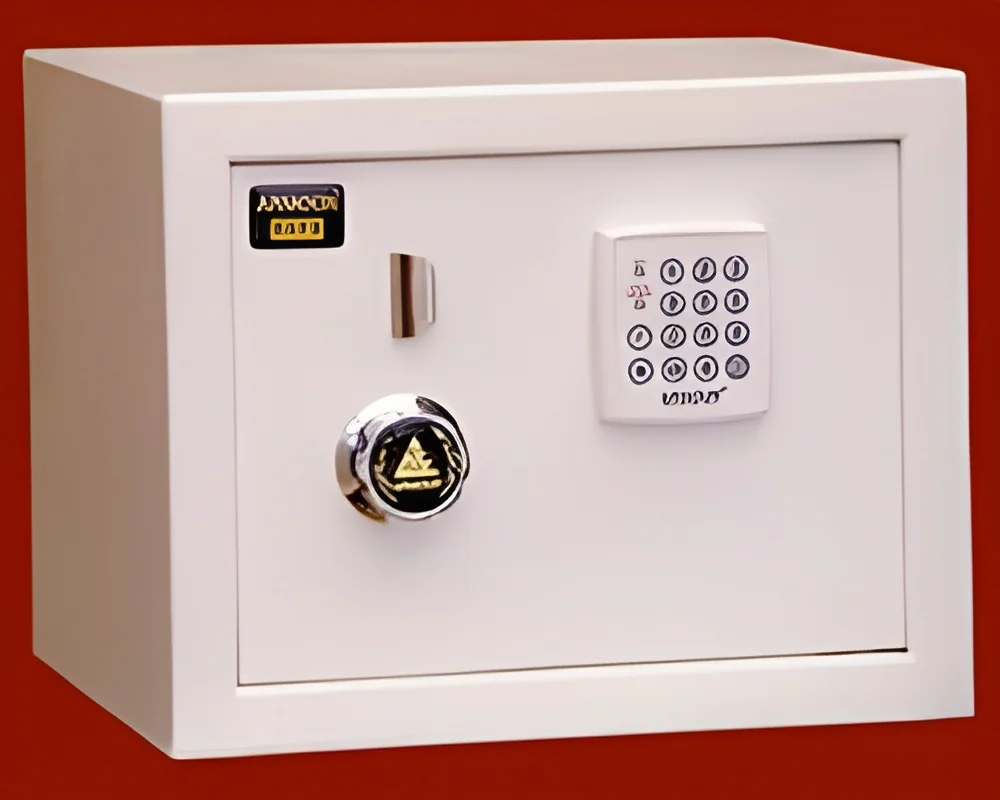
What are Electronic Digital Safes?
Electronic digital safes are secure storage devices designed to protect valuables, important documents, and sensitive information using advanced locking mechanisms. These safes utilize electronic keypads, biometric readers, or smart technologies to grant access, making them more user-friendly than traditional key-based safes. The electronic components allow for easy programming of access codes, enhancing both convenience and security.
These safes are widely used in various business applications, including offices, retail environments, hotels, and financial institutions. They are essential for safeguarding cash, confidential files, and personal belongings. The growing need for security solutions in commercial spaces highlights the relevance of electronic digital safes in today's market, as businesses increasingly prioritize the protection of their assets against theft and unauthorized access.
The market for electronic digital safes continues to expand, driven by the rising awareness of security risks and the demand for innovative safety solutions. As industries evolve, the need for reliable and efficient security measures becomes more critical, placing electronic digital safes at the forefront of protective technology.
Key Features and Specifications
Electronic digital safes come equipped with several key features that enhance their security and usability. Understanding these specifications is crucial for businesses looking to invest in reliable storage solutions.
Key specifications include:
1. Locking Mechanism
- Types include electronic keypads, biometric fingerprint scanners, and smart locks.
- Security levels vary based on technology used.
2. Size and Capacity
- Available in various sizes, accommodating different storage needs.
- Capacity can range from small personal safes to larger commercial options.
3. Material Composition
- Constructed from durable materials such as steel for enhanced resistance against tampering.
- Fire-resistant options may be available for additional protection.
4. Power Source
- Operated by batteries or AC power, with backup options in case of power failure.
- Battery life can vary, with most requiring replacement every few years.
5. Alarm System
- Some models feature built-in alarms that trigger after multiple unsuccessful access attempts.
- Alerts can include visual signals or audible alarms.
6. Interior Design
- May include adjustable shelves or compartments for organized storage.
- Soft interior linings can protect sensitive items from scratches.
7. Weight
- Heavier safes offer increased security, making them difficult to move.
- Weight can affect installation considerations.
8. Compliance Standards
- Some safes are designed to meet specific industry standards for quality and safety.
- Certifications can include CE marking for European compliance.
In summary, electronic digital safes provide a range of features and specifications that cater to various security needs, making them versatile options for businesses seeking effective storage solutions.
Common Applications and Use Cases
Electronic digital safes find applications across numerous industries, each benefitting from their unique security features.
1. Retail: Retailers utilize electronic digital safes to store cash and sensitive sales data securely. This helps reduce theft and improves overall inventory management.
2. Hospitality: Hotels and resorts use these safes in guest rooms, allowing guests to secure personal items while enjoying peace of mind during their stay.
3. Banking: Financial institutions rely on electronic digital safes for storing confidential documents and cash reserves, ensuring high levels of security and quick access when needed.
4. Education: Schools and universities utilize these safes to protect sensitive student records and valuable equipment, safeguarding essential materials from unauthorized access.
5. Healthcare: Medical facilities use electronic digital safes to secure patient records and prescription medications, maintaining confidentiality and compliance with regulations.
6. Manufacturing: Factories may use these safes to store intellectual property, sensitive designs, or valuable tools, protecting their competitive advantages.
7. Home and Personal Use: Individuals use electronic digital safes at home to safeguard personal documents, jewelry, and firearms, providing a secure environment for valuables.
Product Variants and Subcategories
Electronic digital safes come in various configurations to suit different security needs.
Home Safes: Designed for personal use, these safes are compact and ideal for securing valuables at home. They often feature user-friendly keypads and are available in fire-resistant models.
Commercial Safes: These are larger and more robust, intended for businesses. They may offer advanced locking mechanisms and higher weight for added security against theft.
Wall Safes: Installed within walls, these safes provide discreet storage options. They are often hidden and offer an added layer of security in residential and commercial settings.
Floor Safes: Designed to be embedded into the floor, these safes provide an extra level of concealment. They are typically used in commercial environments for securing larger amounts of cash or valuables.
Benefits and Advantages
Investing in electronic digital safes offers numerous benefits for businesses and individuals alike.
1. Enhanced Security: Electronic digital safes provide advanced locking mechanisms that significantly reduce the risk of unauthorized access.
2. User-Friendly Access: The ability to program codes or use biometric access simplifies the process of securing and retrieving items.
3. Versatility: Available in various sizes and configurations, these safes can meet a wide range of security needs across different industries.
4. Cost-Effective: By reducing theft and loss, electronic digital safes provide long-term savings for businesses and individuals.
5. Compliance Support: Many safes meet industry standards, helping businesses adhere to regulatory requirements for security and privacy.
6. Peace of Mind: Knowing that valuables are securely stored allows users to focus on their core activities without the worry of potential theft.
Buying Guide for B2B Buyers
When sourcing electronic digital safes, businesses should consider several key factors to ensure they make an informed decision.
1. Quality Assessment: Evaluate the materials and construction of the safes. Look for reputable brands that adhere to quality standards to ensure durability and reliability.
2. Supplier Verification: Conduct thorough research on potential suppliers. Verify their credentials, customer reviews, and industry reputation to guarantee trustworthy partnerships.
3. Pricing and MOQ: Understand the pricing structure for electronic digital safes and inquire about minimum order quantities. This can impact budget planning and overall procurement costs.
4. Delivery and Lead Times: Discuss logistics with suppliers, including estimated delivery times and shipping costs. Timely delivery is crucial for meeting business needs.
5. Compliance Requirements: Ensure that the chosen safes meet relevant regulatory compliance standards. This is particularly important in industries such as finance and healthcare.
Compliance and Certifications
Electronic digital safes must comply with various quality standards and certifications to ensure reliability and safety.
Relevant standards like ISO 9001 guarantee that manufacturers adhere to quality management practices, enhancing product reliability. Certifications such as CE indicate compliance with European safety, health, and environmental protection standards, assuring buyers of the product's quality.
Safety and testing requirements may include fire resistance, impact resistance, and tamper-proof features. Buyers should also consider regional compliance, as regulations may vary by country, affecting the suitability of certain safes for specific markets.
Why Source Electronic Digital Safes from Pepagora?
Pepagora offers a comprehensive platform for sourcing electronic digital safes, providing businesses with numerous advantages.
Verified Supplier Network: Pepagora ensures that all suppliers are thoroughly vetted, guaranteeing quality and reliability in the products offered.
Streamlined RFQ Process: The request for quotation (RFQ) system simplifies the procurement process, allowing businesses to easily compare offers and select the best option.
Trade Assurance and Support: Buyers benefit from trade assurance features that protect their purchases and provide support throughout the buying process, ensuring a smooth experience.
Regional Coverage: Pepagora's extensive network spans India, the GCC, and Southeast Asia, providing access to quality products from diverse markets, catering to the needs of businesses across these regions.

 India
 India
Frequently Asked Questions
What are Electronic Digital Safes?
Electronic Digital Safes are secure storage solutions that use electronic locks and digital keypads for access. They provide enhanced security for valuables, documents, and sensitive items, utilizing advanced technology to prevent unauthorized access.
What are the different types of Electronic Digital Safes?
The different types of Electronic Digital Safes include biometric safes, keypad safes, and smart safes. Biometric safes use fingerprint recognition, keypad safes require a numerical code, and smart safes can be controlled via mobile apps for added convenience.
How do I choose the right Electronic Digital Safes?
To choose the right Electronic Digital Safe, consider the size, security features, and intended use. Evaluate factors such as the level of security you need and whether you prefer biometric or keypad access, ensuring the safe meets your specific requirements.
What are the standard specifications for Electronic Digital Safes?
Standard specifications for Electronic Digital Safes typically include material construction, fire rating, locking mechanism type, and internal dimensions. Additionally, safes may have features such as backup keys, battery life, and emergency override options.
What is the price range for Electronic Digital Safes?
The price range for Electronic Digital Safes can vary significantly based on size and features, typically ranging from ₹5,000 to ₹50,000 or more. Higher-end models with advanced technology and larger capacities may cost significantly more.
What quality standards apply to Electronic Digital Safes?
Electronic Digital Safes should comply with relevant quality standards, such as ISI certification in India, which ensures safety and reliability. Additionally, look for safes that meet fire and burglary resistance ratings for enhanced protection.
Where can I find Electronic Digital Safes suppliers in India?
You can find Electronic Digital Safes suppliers in India through online B2B marketplaces, trade shows, and industry directories. Websites like Pepagora offer a comprehensive list of manufacturers and suppliers for your sourcing needs.
Can Electronic Digital Safes be customized?
Yes, many manufacturers offer customization options for Electronic Digital Safes, including size, color, and locking mechanisms. Customization allows businesses to tailor safes to their specific security requirements and preferences.
What is the typical minimum order quantity for Electronic Digital Safes?
The typical minimum order quantity (MOQ) for Electronic Digital Safes varies by supplier and can range from a single unit to several dozen. It's advisable to check with individual manufacturers for their specific MOQ policies.
What is the typical lead time for Electronic Digital Safes?
The typical lead time for Electronic Digital Safes can range from 2 to 6 weeks, depending on the supplier and whether the safe is standard or customized. It's important to confirm delivery timelines with the supplier when placing an order.
Why Businesses Trust Pepagora
Thousands of companies trust Pepagora to source smarter and sell faster
Expand Your Sales Globally

Source Smarter,Grow Faster
