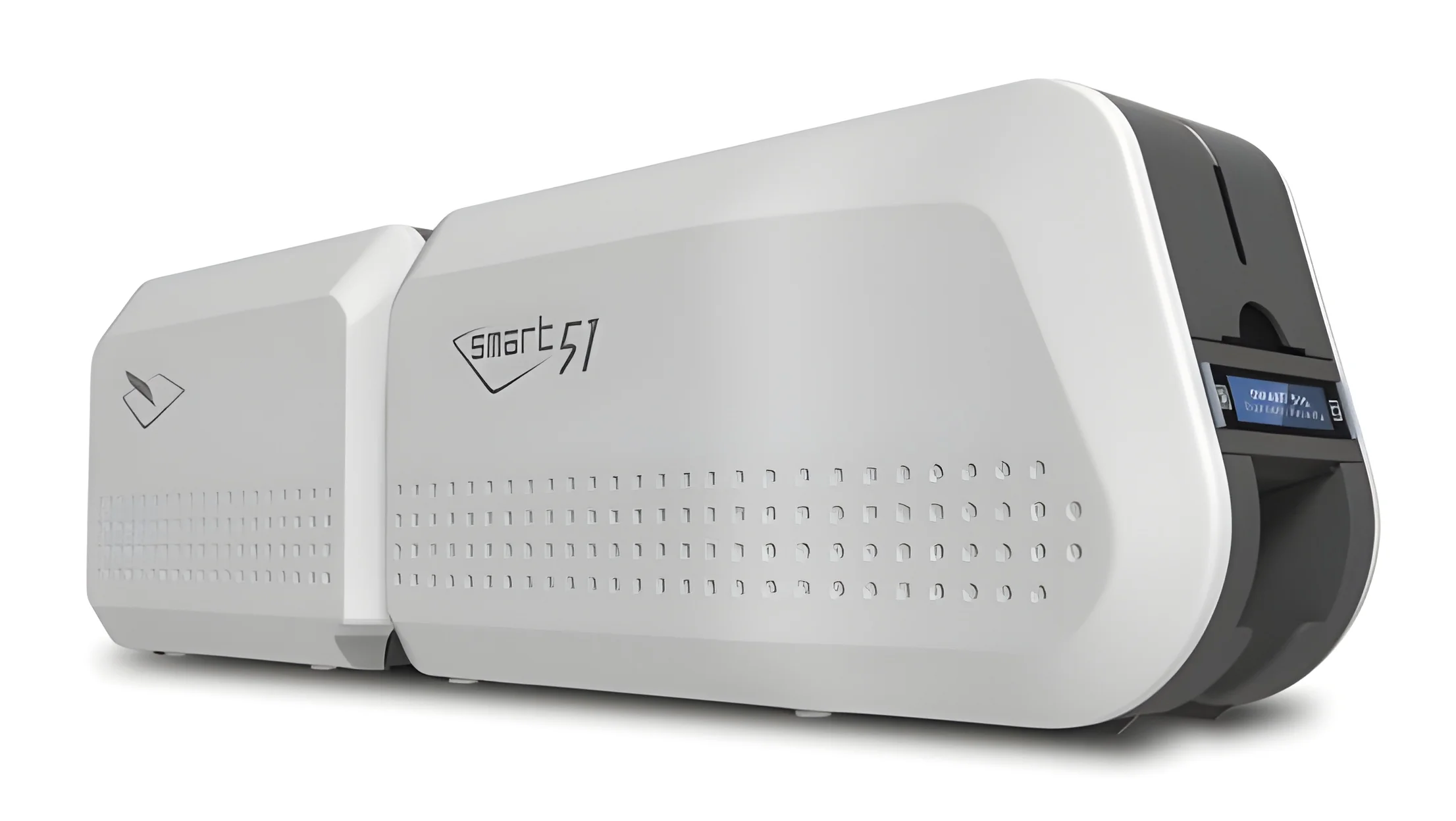
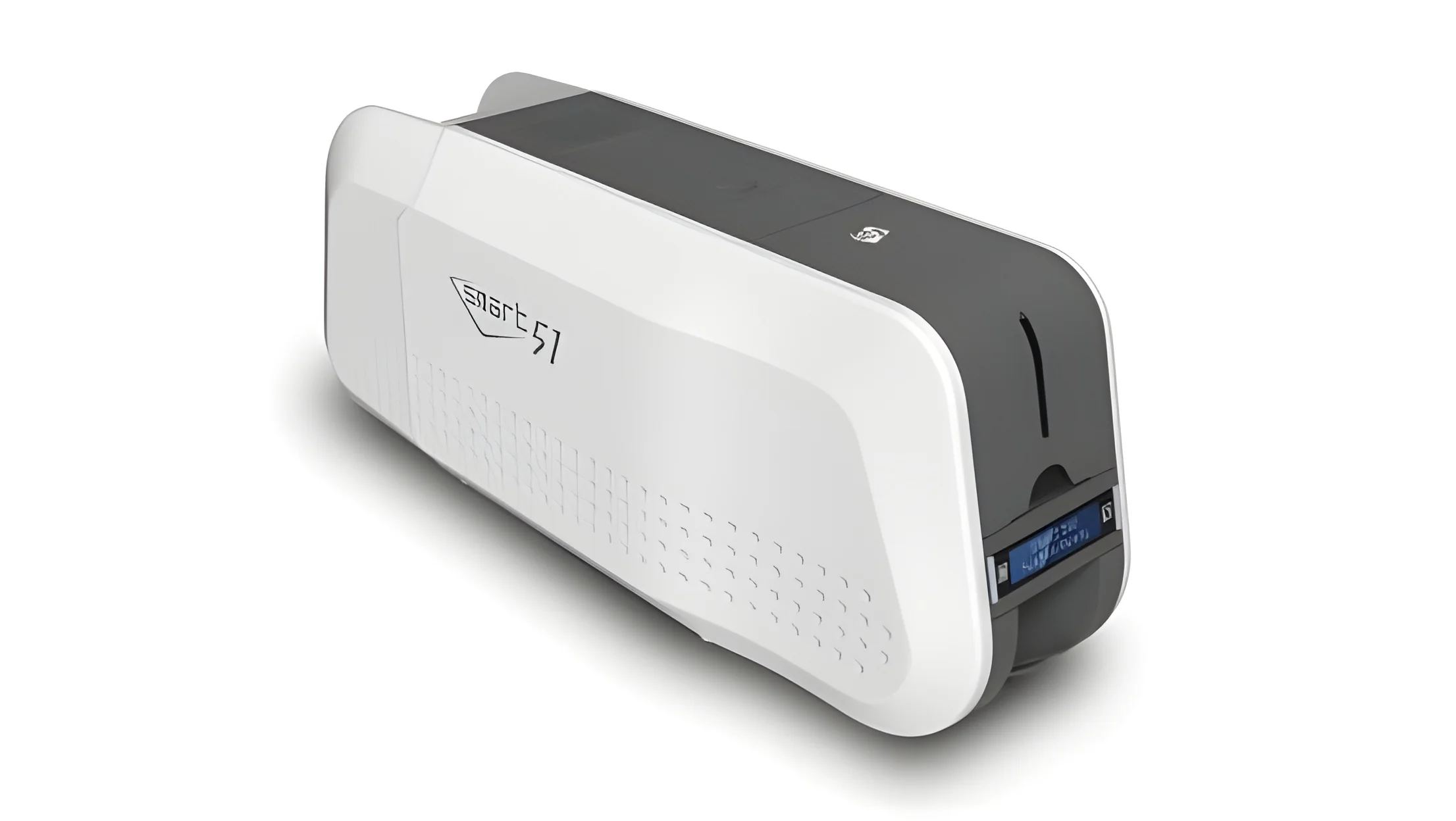
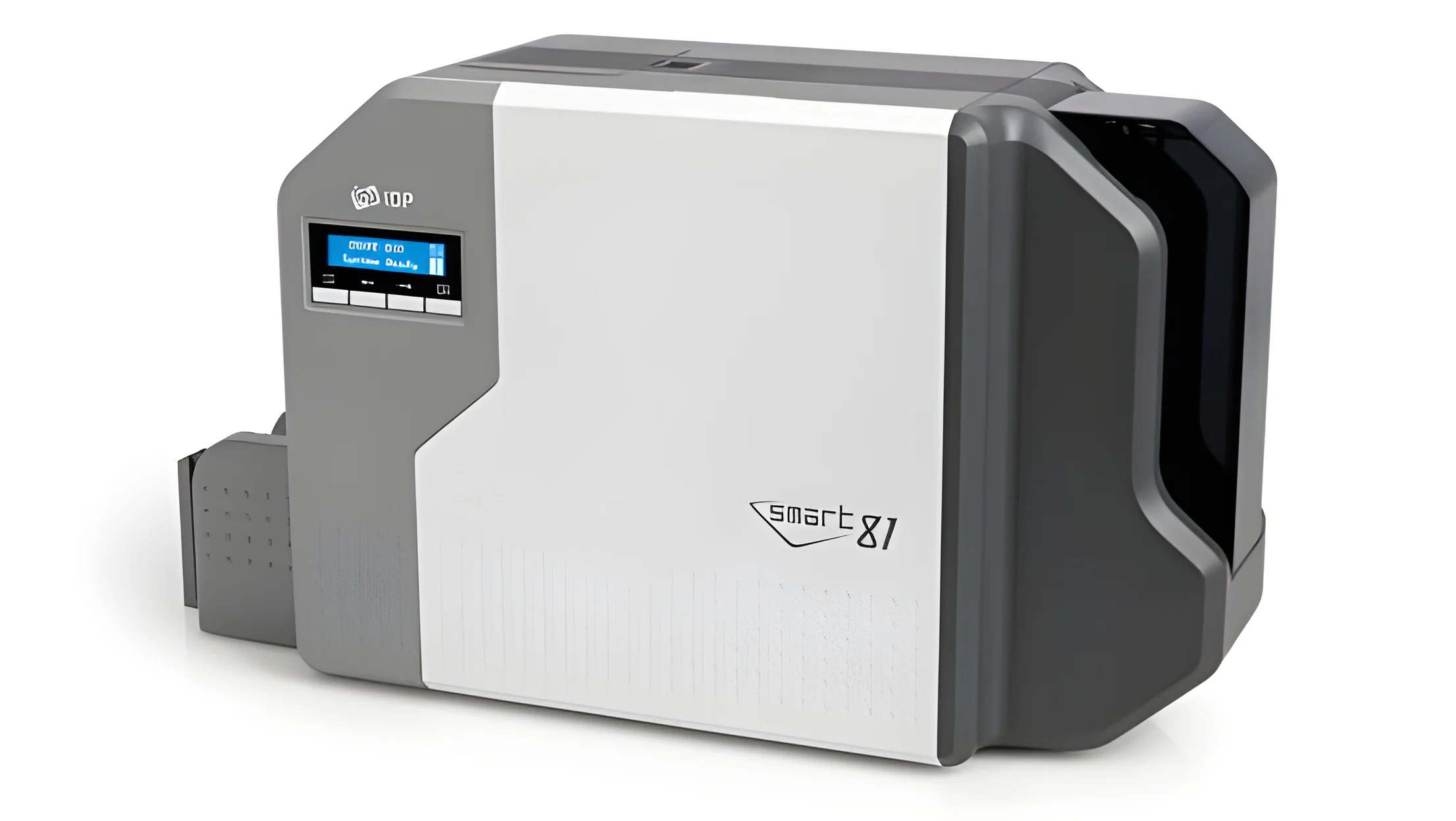
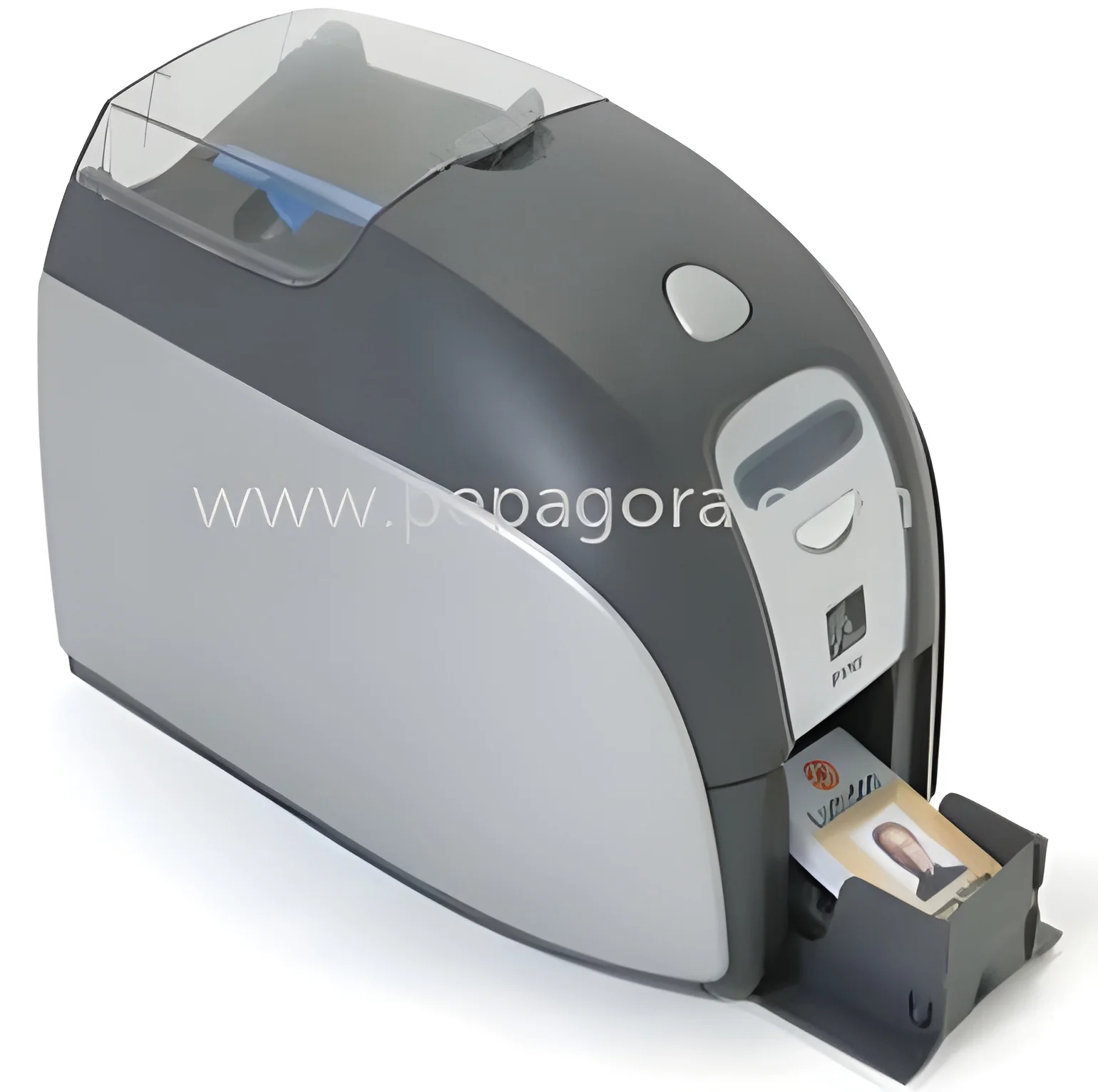
What are Dual-Sided ID Card Printers?
Dual-Sided ID Card Printers are specialized devices designed to print identification cards on both sides in a single pass. These printers utilize advanced technology to ensure high-quality printing, allowing businesses to produce cards that are durable, visually appealing, and secure. By eliminating the need to manually flip cards for printing, these printers enhance efficiency and reduce the time required for card production.
These printers are primarily used in various business applications, including employee identification, access control, event management, and membership cards. Organizations across different sectors, such as education, healthcare, and corporate environments, rely on dual-sided ID card printers for creating professional-grade identification solutions. As businesses increasingly prioritize security and brand identity, the demand for these printers continues to grow, making them a valuable asset in many industries.
In today’s market, dual-sided ID card printers are integral to enhancing operational workflows and ensuring compliance with security standards. Their ability to print detailed graphics, barcodes, and personal information makes them relevant in an era where identity verification is critical. With ongoing advancements in printing technology, these devices are becoming more accessible and affordable, further driving their adoption across various business sectors.
Key Features and Specifications
Dual-Sided ID Card Printers come equipped with a variety of features that enhance their functionality and usability. These specifications cater to different printing needs and ensure high-quality output.
Key specifications include:
1. Print Resolution
- Typically ranges from 300 to 600 dpi
- Ensures crisp and clear images on ID cards
2. Printing Speed
- Average printing speed of 120-150 cards per hour
- Fast production for large volume requirements
3. Connectivity Options
- USB and Ethernet connections for easy integration
- Some models may offer wireless connectivity
4. Card Thickness Compatibility
- Accepts standard card thicknesses ranging from 0.76 mm to 1 mm
- Ensures versatility for various card types
5. Input and Output Card Capacity
- Input hopper capacity of approximately 100 cards
- Output hopper capacity of around 30 cards
6. Encoding Options
- Supports magnetic stripe, smart card, and proximity card encoding
- Allows for additional security features on ID cards
7. Software Compatibility
- Compatible with various design software for custom card layouts
- User-friendly interfaces for ease of operation
8. Security Features
- Includes holographic overlaminates and UV printing options
- Enhances security against counterfeiting and tampering
In summary, these specifications provide businesses with the tools necessary to produce high-quality ID cards efficiently, meeting both aesthetic and security requirements.
Common Applications and Use Cases
Dual-Sided ID Card Printers are utilized across a wide range of industries, highlighting their versatility and importance in modern operations.
1. Education: Educational institutions use these printers for student ID cards, which often include photographs, identification numbers, and barcodes for library and cafeteria access.
2. Corporate: Companies rely on dual-sided printers to produce employee ID badges that display essential information, enhancing workplace security and identification.
3. Healthcare: Hospitals and clinics create patient identification cards that include medical information and insurance details, improving patient care and record-keeping.
4. Events and Conferences: Event organizers print attendee badges that feature detailed information, facilitating smooth check-ins and enhancing security measures.
5. Membership Organizations: Clubs and associations issue membership cards that display member details and benefits, promoting engagement within the community.
6. Government: Government agencies utilize these printers for issuing identification cards, ensuring compliance with regulatory standards and enhancing security.
7. Retail: Retailers create loyalty cards that encourage repeat business and track customer purchases, fostering brand loyalty and customer relationships.
Product Variants and Subcategories
Dual-Sided ID Card Printers come in various models, each tailored to meet specific business needs and preferences.
Standard Model
This model is designed for everyday use, offering reliable performance for organizations that require basic dual-sided printing. It features user-friendly interfaces and essential connectivity options for seamless integration into existing systems.
High-Volume Model
Engineered for businesses with extensive printing demands, this variant provides faster printing speeds and larger card capacity. It is ideal for organizations that need to produce a significant number of ID cards quickly and efficiently.
Compact Model
A space-saving design that is perfect for smaller offices or environments with limited space. Despite its size, it maintains high-quality printing capabilities and essential features.
Benefits and Advantages
Investing in Dual-Sided ID Card Printers offers numerous benefits that enhance business operations and security protocols.
Key benefits include:
1. Increased Efficiency: The ability to print on both sides in one pass significantly reduces the time needed for card production.
2. Enhanced Security: Dual-sided printing allows for the inclusion of security features such as barcodes and holograms, making it harder to duplicate cards.
3. Cost-Effective: Reducing the need for additional equipment and minimizing labor costs makes these printers a smart financial investment for businesses.
4. Customization: Organizations can create unique designs tailored to their branding or specific requirements, improving overall identity management.
5. User-Friendly Operation: Most models are designed with intuitive interfaces, making them easy to operate for users with varying levels of technical expertise.
6. Versatile Applications: These printers cater to a variety of industries, ensuring that businesses can meet their specific identification needs.
Buying Guide for B2B Buyers
When sourcing Dual-Sided ID Card Printers, it is essential for businesses to consider several key factors to ensure they make an informed purchase.
1. Quality Assessment: Look for printers that meet established quality standards. Consider factors such as print resolution, durability, and reliability to ensure long-lasting performance.
2. Supplier Verification: Vet suppliers by checking their credentials, customer reviews, and industry reputation. A reliable supplier can provide ongoing support and service.
3. Pricing and MOQ: Evaluate the pricing structure and minimum order quantities. This will help in budgeting and ensuring that the printer meets your business’s volume needs.
4. Delivery and Lead Times: Confirm the estimated delivery times and ensure they align with your operational timelines. Timely delivery is crucial for maintaining workflow efficiency.
5. Compliance Requirements: Ensure that the printers comply with industry regulations and standards relevant to your business. This is particularly important in sectors like healthcare and education.
Compliance and Certifications
Dual-Sided ID Card Printers must adhere to various compliance and certification standards to ensure quality and safety.
Relevant quality standards include ISO 9001, which focuses on quality management systems, ensuring that manufacturers maintain high standards in production processes. Additionally, industry-specific certifications such as CE indicate conformity with health, safety, and environmental protection standards within the European Economic Area.
Safety and testing requirements are crucial for ensuring that the printers operate safely and efficiently. Manufacturers should conduct rigorous testing to meet these safety standards, minimizing risks associated with equipment failure.
Regional compliance considerations may vary, so it is essential for businesses to be aware of local regulations and standards that apply to printing equipment in their respective regions.
Why Source Dual-Sided ID Card Printers from Pepagora?
Pepagora provides a trusted platform for sourcing Dual-Sided ID Card Printers with several key advantages that cater specifically to B2B buyers.
Verified Supplier Network: Pepagora connects buyers with a network of verified suppliers, ensuring that all listed vendors meet stringent quality and reliability standards. This reduces the risk of subpar products and enhances buyer confidence.
Streamlined RFQ Process: The platform offers a user-friendly request for quotation (RFQ) process, allowing businesses to compare multiple suppliers and their offerings quickly. This efficiency saves time and helps buyers make informed decisions.
Trade Assurance and Support: Pepagora provides trade assurance, protecting buyers against potential fraud or disputes. Additionally, dedicated support services assist buyers throughout the purchasing process, ensuring a smooth experience.
Regional Coverage: With a strong presence in India, the GCC, and Southeast Asia, Pepagora is well-positioned to serve businesses across these regions. This geographic reach enables buyers to access a diverse range of products and suppliers, catering to local market needs effectively.

 IN
IN
 India
India