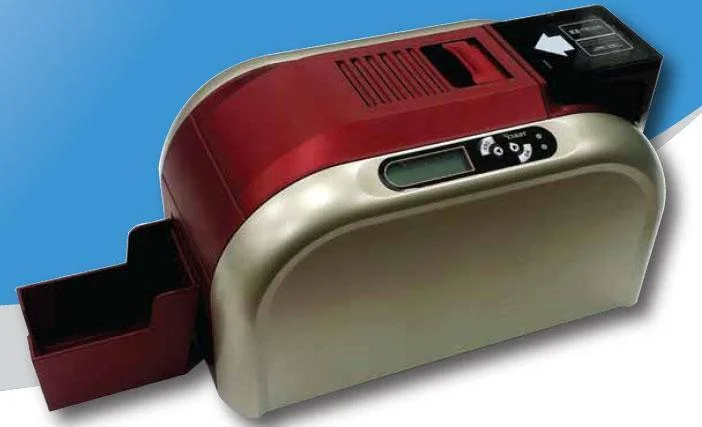
What are Laminating ID Card Printers?
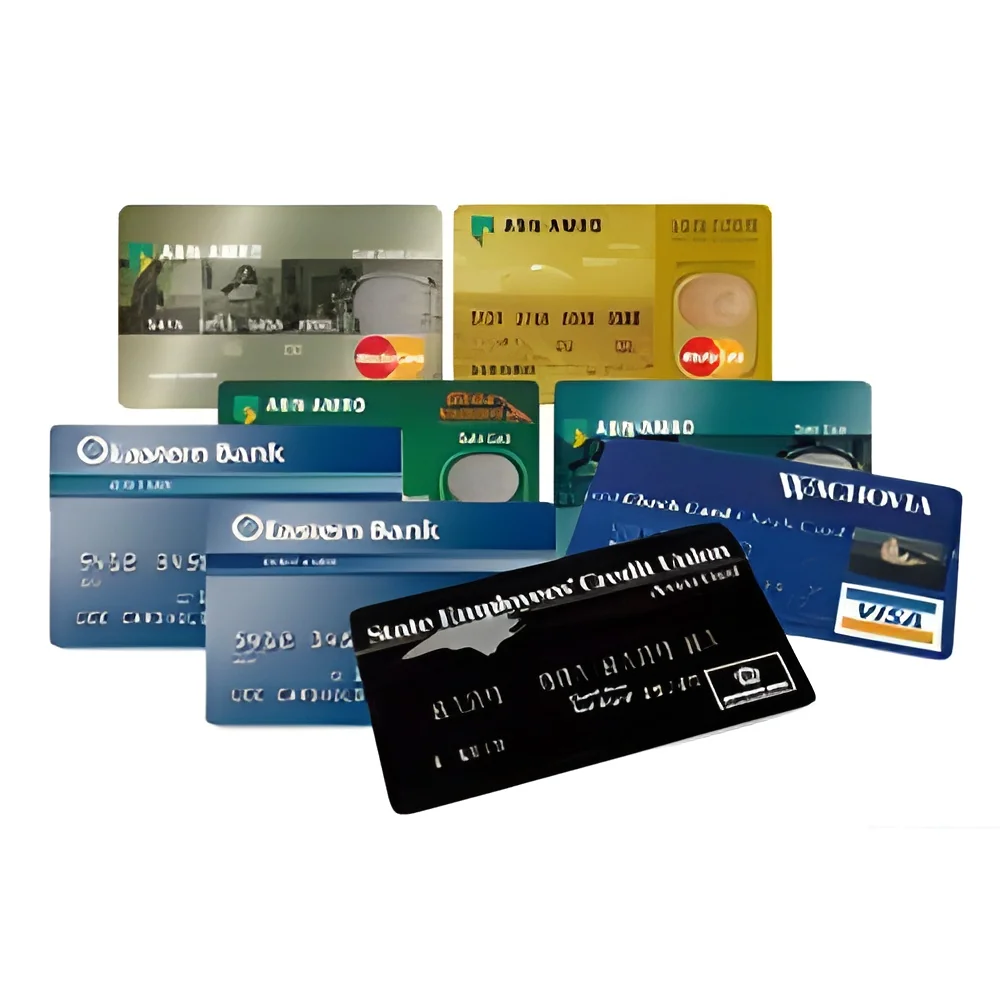
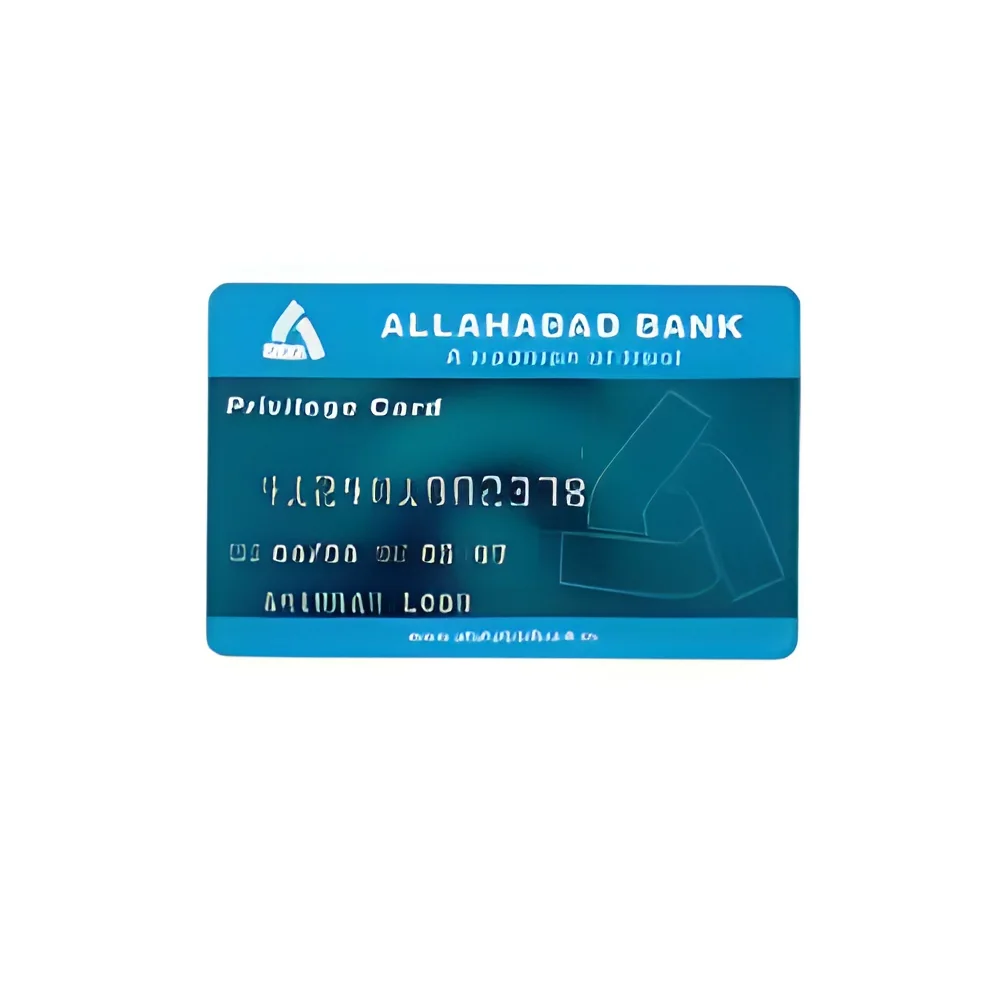
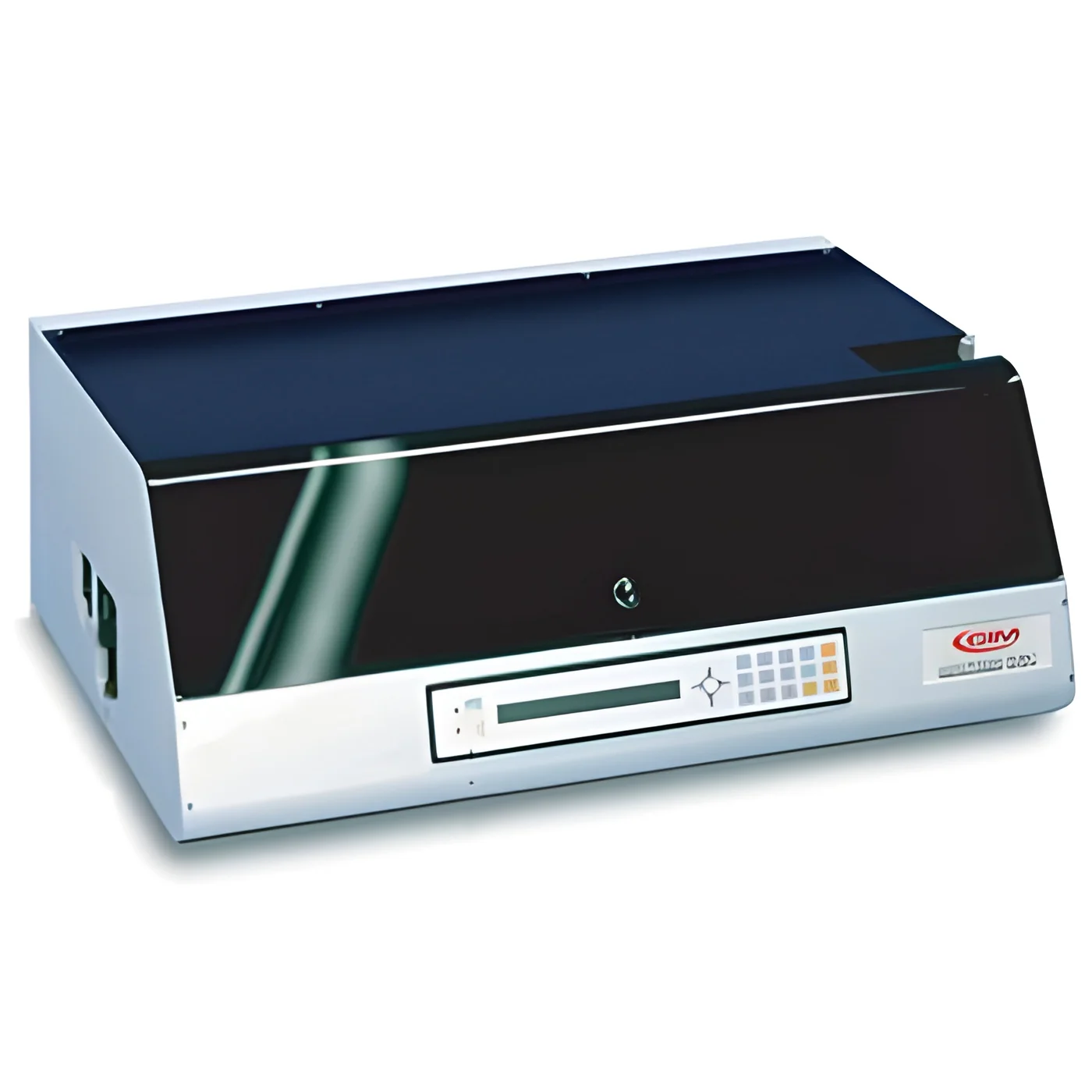
Laminating ID Card Printers are specialized devices designed for producing high-quality identification cards with a protective laminate layer. This lamination process enhances the durability and longevity of the cards, making them resistant to wear and tear. These printers utilize advanced technologies to provide sharp images and vivid colors, ensuring that the printed cards are visually appealing and professional in appearance.
The primary uses of Laminating ID Card Printers include the production of employee identification cards, access control cards, membership cards, and various other forms of identification for organizations. Businesses across multiple sectors, such as education, healthcare, and corporate environments, rely on these printers to create secure and easily recognizable ID cards. The ability to quickly produce customized cards on-site adds to their practicality, meeting the immediate needs of organizations.
In the current market, Laminating ID Card Printers are gaining traction due to the increasing demand for secure identification solutions. As businesses strive to enhance security measures and streamline operations, these printers play a critical role in ensuring that organizations can manage their identification processes efficiently.
Key Features and Specifications
Laminating ID Card Printers come equipped with a variety of features that enhance their performance and usability. Understanding the specifications of these printers is essential for businesses looking to invest in this technology.
Key specifications include:
1. Print Resolution
- Typically ranges from 300 to 600 DPI
- Higher resolution results in sharper, more detailed images
2. Print Speed
- Varies between models, generally between 20 to 200 cards per hour
- Faster printing reduces wait times for card production
3. Card Types Supported
- Compatible with PVC, composite, and other card materials
- Flexibility in card types enables diverse applications
4. Connectivity Options
- Commonly include USB, Ethernet, and wireless connectivity
- Facilitates integration with existing systems
5. Lamination Method
- Can be thermal or cold lamination
- Different methods affect the durability and finish of the cards
6. Input Hopper Capacity
- Typically holds between 100 to 250 cards
- Larger capacity reduces the frequency of refills
7. Software Compatibility
- Often includes proprietary software for design and management
- User-friendly interfaces simplify card creation
8. Warranty and Support
- Generally comes with a one to three-year warranty
- Availability of customer support can vary by manufacturer
These specifications highlight the capabilities of Laminating ID Card Printers, allowing businesses to choose models that best meet their needs.
Common Applications and Use Cases
Laminating ID Card Printers are utilized in various industries, providing solutions for secure identification needs.
1. Education: Schools and universities use these printers to create student IDs that enhance campus security and streamline access to facilities.
2. Healthcare: Hospitals and clinics produce staff identification badges to ensure secure access to sensitive areas and maintain patient safety.
3. Corporate: Businesses create employee ID cards for access control and identification, improving security and professional appearance.
4. Membership Organizations: Gyms and clubs issue membership cards to track and manage member access and benefits.
5. Events and Conferences: Event organizers print attendee badges to facilitate networking and ensure authorized access to specific areas.
6. Government: Agencies use ID card printers for employee badges and public service identification, ensuring compliance with security protocols.
7. Retail: Stores may issue loyalty cards for customer identification and rewards tracking.
Product Variants and Subcategories
Laminating ID Card Printers come in various models that cater to different business needs. Each variant offers unique features and benefits.
Standard Model
This model is designed for high-volume printing with robust security features. It is ideal for organizations requiring frequent production of ID cards.
Compact Model
A smaller, more portable option, this printer is perfect for businesses with limited space or those needing to print cards on the go.
Dual-Sided Model
This variant allows printing on both sides of the card, making it suitable for complex designs that require more information or graphics.
Mobile Model
Designed for flexibility, this printer can be used in different locations. It is particularly useful for temporary events or on-site card issuance.
Benefits and Advantages
Investing in Laminating ID Card Printers offers several key benefits for businesses.
1. Enhanced Security: Laminated ID cards are more difficult to forge, providing a higher level of security for organizations.
2. Durability: The lamination process protects cards from damage, extending their lifespan and reducing replacement costs.
3. On-Demand Printing: Organizations can produce ID cards as needed, eliminating delays associated with third-party printing services.
4. Customization: Businesses can easily design cards to reflect their branding and specific information requirements.
5. Cost-Effective: Over time, investing in a laminating printer can save money compared to outsourcing card production.
6. Improved Professionalism: High-quality ID cards enhance the professional image of an organization, fostering trust and recognition.
Buying Guide for B2B Buyers
When considering the purchase of Laminating ID Card Printers, it is important for B2B buyers to evaluate several key factors.
1. Quality Assessment: Look for printers that offer high-resolution printing and reliable performance. Check for user reviews and testimonials to gauge product quality.
2. Supplier Verification: Ensure that suppliers are reputable and have a track record of providing quality products and services. Request references or case studies.
3. Pricing and MOQ: Compare pricing across different models and consider minimum order quantities. Assess whether the investment aligns with your budget and needs.
4. Delivery and Lead Times: Inquire about delivery schedules and lead times to ensure timely receipt of equipment. Understand any potential delays.
5. Compliance Requirements: Verify that the products meet relevant industry standards and certifications, such as CE, to ensure safety and compliance.
Compliance and Certifications
Laminating ID Card Printers must adhere to various compliance and certification standards to ensure quality and safety. Relevant quality standards include ISO 9001, which outlines requirements for a quality management system, and HACCP, which focuses on food safety management in applicable industries.
Industry certifications, such as CE marking, indicate that the printers meet European safety, health, and environmental protection standards. These certifications ensure that the products are safe for use and comply with regional regulations.
Safety and testing requirements vary by region and application, so it is essential for businesses to verify compliance with local regulations. Understanding these requirements can help prevent legal issues and ensure that the printers operate safely and effectively.
Why Source Laminating ID Card Printers from Pepagora?
Pepagora serves as a trusted platform for sourcing Laminating ID Card Printers, offering several key advantages to buyers.
Verified Supplier Network: Pepagora takes pride in providing a network of verified suppliers. This ensures that buyers can access reliable products from reputable manufacturers.
Streamlined RFQ Process: The platform simplifies the request for quotation (RFQ) process, making it easier for buyers to receive competitive quotes and compare options efficiently.
Trade Assurance and Support: Pepagora offers trade assurance, providing buyers with protection during transactions, ensuring that their purchases are secure and supported.
Regional Coverage: With a broad geographic reach across India, the GCC, and Southeast Asia, Pepagora connects buyers with suppliers that can meet their specific needs effectively, regardless of location.

 IN
IN