𝗪𝗵𝗮𝘁 𝗮𝗿𝗲 𝗖𝗵𝗼𝗰𝗼𝗹𝗮𝘁𝗲-𝗖𝗼𝗮𝘁𝗲𝗱 𝗦𝗻𝗮𝗰𝗸𝘀?
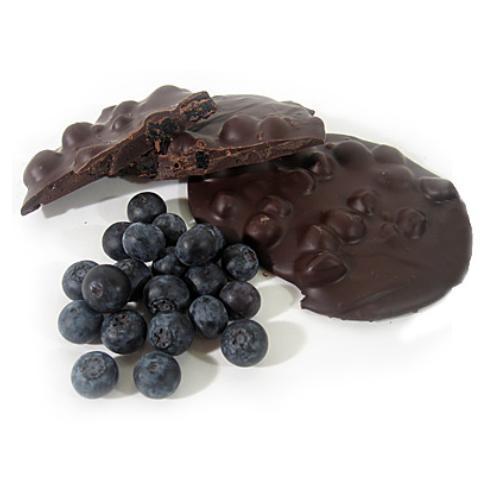
Chocolate-coated snacks are food items that are coated in a layer of chocolate, providing a sweet and indulgent flavor profile. These snacks can range from fruits and nuts to pretzels and biscuits, appealing to a wide audience. The combination of the crunchiness or chewiness of the underlying snack with the smooth richness of chocolate creates a popular treat for consumers.
In a business context, chocolate-coated snacks are often used as impulse purchases in retail environments, promoting higher sales volumes. They are also utilized in various food service sectors, including cafes, restaurants, and catering services. The versatility of these snacks makes them suitable for both casual and formal occasions, enhancing their marketability across different business segments.
The chocolate-coated snack industry has seen significant growth, driven by consumer demand for convenient and enjoyable snack options. As health-conscious trends rise, companies are increasingly innovating to include healthier ingredients, organic chocolate, and unique flavor combinations. The expanding market for chocolate-coated snacks offers numerous opportunities for businesses to cater to evolving consumer preferences.
𝗞𝗲𝘆 𝗙𝗲𝗮𝘁𝘂𝗿𝗲𝘀 𝗮𝗻𝗱 𝗦𝗽𝗲𝗰𝗶𝗳𝗶𝗰𝗮𝘁𝗶𝗼𝗻𝘀
Chocolate-coated snacks come with a variety of features and specifications that appeal to both consumers and businesses. Understanding these specifications helps in making informed purchasing decisions.
Key specifications include:
1. Flavor Variants
- Options may include dark chocolate, milk chocolate, and white chocolate.
- Custom flavor combinations can also be developed to suit customer preferences.
2. Ingredient Quality
- High-quality ingredients are essential for optimal taste and texture.
- Many products may use organic or sustainably sourced ingredients.
3. Shelf Life
- Typically, chocolate-coated snacks have a shelf life ranging from 6 months to 1 year.
- Proper storage conditions are necessary to maintain freshness.
4. Packaging Options
- Available in bulk, retail packs, and customizable packaging solutions.
- Packaging may include resealable bags or boxes for convenience.
5. Nutritional Information
- Products often include detailed nutritional labels to inform consumers.
- Options available for low-sugar, gluten-free, or vegan diets.
6. Production Methods
- Manufacturing processes can vary, including hand-crafted and mass-produced options.
- Quality control measures are in place to ensure consistency.
7. Compliance with Safety Standards
- Products must meet local food safety regulations and industry standards.
- Certifications such as CE may be required depending on the market.
In summary, the specifications of chocolate-coated snacks focus on flavor, quality, shelf life, and packaging. These factors significantly impact both consumer satisfaction and business viability.
𝗖𝗼𝗺𝗺𝗼𝗻 𝗔𝗽𝗽𝗹𝗶𝗰𝗮𝘁𝗶𝗼𝗻𝘀 𝗮𝗻𝗱 𝗨𝘀𝗲 𝗖𝗮𝘀𝗲𝘀
Chocolate-coated snacks serve a wide variety of industries, making them versatile products in the market.
1. Retail: These snacks are popular in supermarkets and convenience stores, often found in dedicated snack aisles to attract impulse buyers.
2. Food Services: Cafes and restaurants incorporate chocolate-coated snacks into their menus as dessert options or accompaniments to beverages.
3. Hospitality: Hotels and catering services often use chocolate-coated snacks as part of welcome gifts or dessert platters for events and conferences.
4. Corporate Gifting: Businesses frequently choose chocolate-coated snacks as corporate gifts due to their general appeal and indulgent nature.
5. Special Events: These snacks are a common feature at parties, weddings, and seasonal celebrations, providing guests with a sweet treat.
6. Health and Wellness: Brands are increasingly introducing healthier chocolate-coated snack options, targeting fitness centers and health-conscious consumers.
7. E-commerce: Online retailers capitalize on the growing trend of home delivery by offering a broad selection of chocolate-coated snacks.
𝗣𝗿𝗼𝗱𝘂𝗰𝘁 𝗩𝗮𝗿𝗶𝗮𝗻𝘁𝘀 𝗮𝗻𝗱 𝗦𝘂𝗯𝗰𝗮𝘁𝗲𝗴𝗼𝗿𝗶𝗲𝘀
Chocolate-coated snacks come in various forms, each catering to different tastes and market needs.
Nut Varieties
Chocolate-coated nuts are a popular variant, offering a combination of healthy fats and protein with the sweetness of chocolate. They are ideal for snacking and provide a satisfying crunch.
Fruit Varieties
Chocolate-covered fruits, such as strawberries and raisins, combine the natural sweetness of fruit with rich chocolate. These snacks appeal to those seeking a healthier indulgence.
Snack Combinations
Mixed chocolate-coated snacks combine various ingredients like pretzels, popcorn, and cookies. This variant is popular for sharing and is often found in party mix assortments.
𝗕𝗲𝗻𝗲𝗳𝗶𝘁𝘀 𝗮𝗻𝗱 𝗔𝗱𝘃𝗮𝗻𝘁𝗮𝗴𝗲𝘀
Sourcing chocolate-coated snacks provides several advantages for businesses and consumers alike.
Key benefits include:
1. Versatile Appeal: These snacks attract a wide demographic, making them suitable for various market segments.
2. Customization: Many suppliers offer options for customized flavors and packaging, allowing businesses to differentiate their products.
3. High Profit Margins: Chocolate-coated snacks often have strong profit margins, making them a lucrative addition to any product line.
4. Convenience: Easy to store and serve, these snacks fit well into modern lifestyles, catering to on-the-go consumers.
5. Seasonal Opportunities: They can be marketed for holidays and special occasions, increasing sales potential during peak seasons.
6. Healthier Options: The introduction of organic and health-focused varieties attracts health-conscious consumers, expanding the target market.
𝗕𝘂𝘆𝗶𝗻𝗴 𝗚𝘂𝗶𝗱𝗲 𝗳𝗼𝗿 𝗕𝟮𝗕 𝗕𝘂𝘆𝗲𝗿𝘀
When sourcing chocolate-coated snacks, there are several critical factors to consider for a successful procurement process.
1. Quality Assessment: Evaluate the quality of ingredients used in the snacks, ensuring they meet your company's standards and align with consumer preferences.
2. Supplier Verification: Vet suppliers for reliability and reputation within the industry. Look for reviews and testimonials to gauge their performance and product satisfaction.
3. Pricing and MOQ: Understand the pricing structure and minimum order quantities (MOQ) to ensure that the products fit within your budget and inventory needs.
4. Delivery and Lead Times: Discuss logistics with suppliers to establish delivery timelines that align with your operations, ensuring timely availability of products.
5. Compliance Requirements: Verify that the products meet relevant health and safety regulations and possess necessary certifications, such as CE, to avoid compliance issues.
𝗖𝗼𝗺𝗽𝗹𝗶𝗮𝗻𝗰𝗲 𝗮𝗻𝗱 𝗖𝗲𝗿𝘁𝗶𝗳𝗶𝗰𝗮𝘁𝗶𝗼𝗻𝘀
Chocolate-coated snacks must adhere to various quality standards and certifications to ensure safety and consumer trust.
Relevant quality standards include ISO 9001, which outlines requirements for a quality management system, and HACCP, which focuses on food safety management. Compliance with these standards helps manufacturers maintain consistent quality and minimize risks associated with food safety.
Industry certifications, such as CE, indicate that products meet European safety, health, and environmental protection standards. This certification is especially important for companies looking to export products to international markets.
Safety and testing requirements are crucial in the chocolate-coated snack industry. Regular testing for contaminants and adherence to safety protocols ensure that products are safe for consumption.
Regional compliance considerations may vary based on local laws and regulations. It is essential for businesses to stay informed about the specific compliance requirements in their target markets to ensure seamless operations.
𝗪𝗵𝘆 𝗦𝗼𝘂𝗿𝗰𝗲 𝗖𝗵𝗼𝗰𝗼𝗹𝗮𝘁𝗲-𝗖𝗼𝗮𝘁𝗲𝗱 𝗦𝗻𝗮𝗰𝗸𝘀 𝗳𝗿𝗼𝗺 𝗣𝗲𝗽𝗮𝗴𝗼𝗿𝗮?
Pepagora offers a trusted platform for sourcing chocolate-coated snacks, providing several key advantages for businesses.
Verified Supplier Network: Pepagora has a robust network of verified suppliers, ensuring that businesses can find reliable partners for their procurement needs. Each supplier undergoes a rigorous vetting process to guarantee product quality and service reliability.
Streamlined RFQ Process: The platform features an efficient Request for Quotation (RFQ) system, allowing buyers to easily compare offers from multiple suppliers. This transparency helps businesses make informed decisions based on their specific requirements.
Trade Assurance and Support: Pepagora provides buyer protection through trade assurance, ensuring that businesses can source products with confidence. The platform offers support throughout the purchasing process, helping to resolve issues swiftly.
Regional Coverage: With a focus on markets in India, the GCC, and Southeast Asia, Pepagora ensures extensive geographic reach. This allows businesses to tap into diverse markets and attract a broad customer base with their chocolate-coated snack offerings.

 IN
IN
 India
India