
 IN
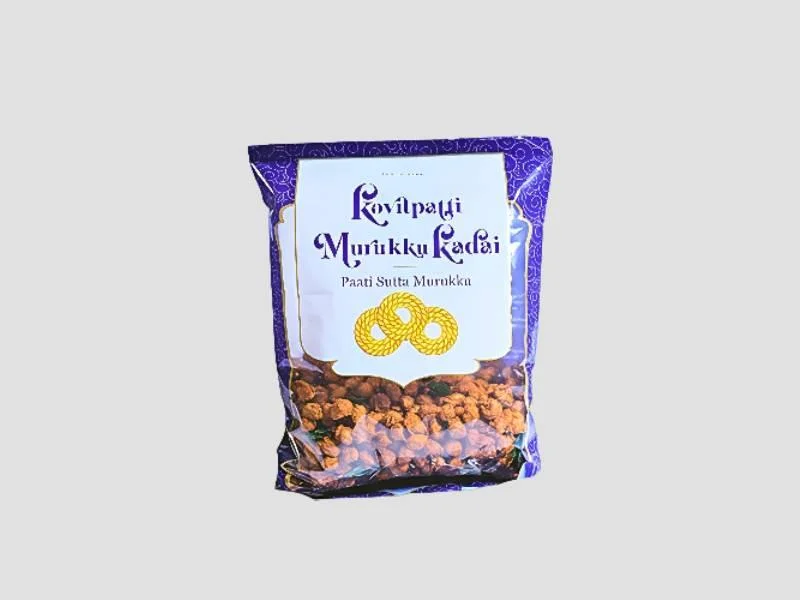
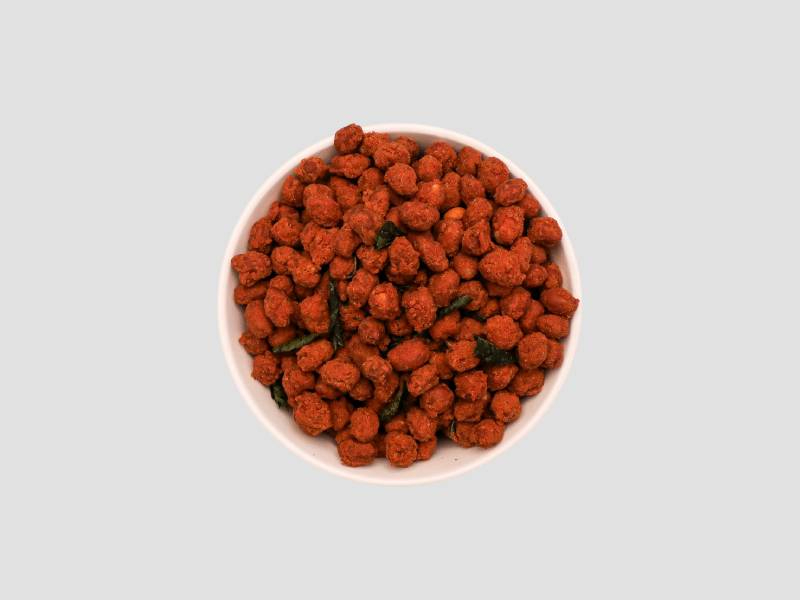
Masala Peanuts
4 products available
What are Masala Peanuts?
Masala peanuts are a popular snack made from roasted peanuts coated in a spicy and flavorful blend of seasonings. These snacks are often deep-fried or roasted to achieve a crunchy texture, making them a delightful treat for consumers. The seasoning typically includes spices such as chili powder, turmeric, and salt, which contribute to their vibrant flavor profile. Masala peanuts are enjoyed for their savory taste and nutritional benefits, including being a good source of protein and healthy fats.
In a business context, masala peanuts are widely used in the food industry as a snack option for various occasions, including parties, gatherings, and casual snacking. They can be packaged in bulk for retail or served in restaurants and cafes as an appetizer. The growing demand for savory snacks drives their popularity, making them a profitable product for manufacturers and distributors alike. The snack food market is continuously evolving, with masala peanuts fitting well into current trends of convenience and flavor.
As the global snack food industry expands, masala peanuts hold a significant place due to their cultural relevance in South Asian cuisine and their increasing acceptance in international markets. Businesses looking to diversify their product offerings can benefit from incorporating masala peanuts into their portfolios, catering to the growing appetite for exotic and flavorful snacks.
Key Features and Specifications
Masala peanuts come with a range of features and specifications that make them appealing to both consumers and suppliers. Understanding these specifications is crucial for businesses looking to source high-quality products.
Key specifications include:
1. Flavor Profile
- A blend of spices including chili, turmeric, and salt
- Variety of flavors to cater to different consumer preferences
2. Texture
- Crunchy and crispy mouthfeel
- Achieved through roasting or frying processes
3. Packaging Options
- Available in bulk or retail-ready packaging
- Customizable packaging solutions for branding
4. Shelf Life
- Typically ranges from 6 months to 1 year
- Dependent on storage conditions and packaging methods
5. Nutritional Information
- High in protein and healthy fats
- Low in carbohydrates, making it suitable for various diets
6. Compliance Standards
- Adherence to food safety regulations
- Certification for quality assurance (e.g., CE)
In summary, masala peanuts are characterized by their distinctive flavor, texture, and packaging options, making them a versatile product in the snack food sector.
Common Applications and Use Cases
Masala peanuts have a broad range of applications across various industries, serving as a versatile snack option.
1. Food Service Industry: In restaurants and cafes, masala peanuts can be served as an appetizer or bar snack, appealing to customers seeking flavorful bites.
2. Retail: Grocery stores and convenience shops often stock masala peanuts as a ready-to-eat snack, catering to busy consumers looking for quick and tasty options.
3. Catering: Event planners utilize masala peanuts as part of snack platters for gatherings, enhancing the overall culinary experience with their unique flavors.
4. Export Markets: As global demand for exotic snacks rises, masala peanuts are increasingly exported to international markets where they are gaining popularity.
5. Health and Wellness: Brands focusing on healthy snacking can market masala peanuts as a protein-rich option, appealing to health-conscious consumers.
6. Street Food: In many countries, masala peanuts are sold by street vendors, providing an authentic taste of local cuisine to residents and tourists alike.
7. Online Retail: E-commerce platforms are an emerging channel for masala peanuts, allowing consumers to purchase unique snack options conveniently from home.
Product Variants and Subcategories
Masala peanuts come in various forms to meet diverse consumer preferences.
Spicy Masala Peanuts: This variant features an extra kick of heat, appealing to those who enjoy bold flavors. They are perfect for consumers looking for a spicy snacking experience.
Sweet and Spicy Peanuts: Combining sweetness with spice, this variant caters to those who appreciate a balanced flavor profile. It can be marketed as a unique snack option that excites the palate.
Roasted Masala Peanuts: Offering a healthier alternative, these peanuts are lightly seasoned and roasted to retain their natural flavors while providing a satisfying crunch. This variant is ideal for health-conscious consumers.
Benefits and Advantages
Sourcing masala peanuts offers several benefits for businesses and consumers alike.
Key benefits include:
1. Flavor Variety: With a range of spices, masala peanuts cater to diverse taste preferences, making them a crowd-pleaser.
2. Nutritional Value: High protein content and healthy fats make them a nutritious snack option, appealing to health-conscious consumers.
3. Consumer Demand: The growing appetite for savory snacks ensures a steady market for masala peanuts, providing ample business opportunities.
4. Versatile Applications: Their use in various settings-restaurants, retail, and catering-broadens market reach and potential sales.
5. Customization Options: Businesses can tailor flavors and packaging to align with brand identity and target market preferences.
6. Easy to Store: Masala peanuts typically have a long shelf life, making them convenient for both suppliers and consumers.
Buying Guide for B2B Buyers
When sourcing masala peanuts, it is essential for B2B buyers to consider several factors to ensure quality and reliability.
1. Quality Assessment: Evaluate the quality of masala peanuts by examining ingredients, flavor profiles, and overall freshness. Conduct taste tests to ensure product consistency.
2. Supplier Verification: Vet suppliers to ensure they comply with industry standards and regulations. Look for established suppliers with positive reviews and certifications.
3. Pricing and MOQ: Understand the pricing structure and minimum order quantities (MOQ) for masala peanuts. Negotiate terms to achieve favorable pricing without compromising on quality.
4. Delivery and Lead Times: Clarify delivery schedules and lead times to ensure timely availability of products. Consider logistics and transportation methods when assessing suppliers.
5. Compliance Requirements: Ensure that the masala peanuts meet regional food safety and quality standards. Familiarize yourself with relevant regulations to avoid compliance issues.
Compliance and Certifications
Masala peanuts must meet various compliance and certification standards to ensure safety and quality.
Relevant quality standards include ISO 9001, which focuses on quality management systems. This certification ensures that suppliers maintain high manufacturing standards throughout their processes.
HACCP (Hazard Analysis and Critical Control Points) is another important standard that addresses food safety by identifying and controlling potential hazards in the production of food products. Compliance with HACCP helps ensure that masala peanuts are safe for consumption.
Additionally, masala peanuts may require CE certification, which signifies that the product meets European safety, health, and environmental protection standards.
Businesses should also be aware of regional compliance considerations, as food safety regulations can vary by country. Understanding these regulations helps ensure that the product is compliant in the intended market.
Why Source Masala Peanuts from Pepagora?
Pepagora provides a trusted platform for sourcing masala peanuts, offering several key advantages for B2B buyers.
One of the primary benefits is a verified supplier network, ensuring that buyers can connect with reputable manufacturers and distributors. This verification process adds a layer of security and confidence in sourcing quality products.
The streamlined RFQ process simplifies the quotation and procurement experience. Buyers can easily request quotes from multiple suppliers, allowing them to compare pricing and terms efficiently.
Pepagora also offers trade assurance and support, protecting buyers throughout the purchasing process. This support ensures that transactions are secure and that buyers receive the products as promised.
Lastly, Pepagora has a broad regional coverage, including India, GCC, and Southeast Asia. This geographic reach allows buyers to access a diverse range of masala peanut options tailored to different markets and consumer preferences.



Frequently Asked Questions
What are Masala Peanuts?
Masala Peanuts are roasted peanuts that are coated with a spicy and flavorful seasoning mix. They are a popular snack in India, often enjoyed as a crunchy treat or as an accompaniment to beverages.
What are the different types of Masala Peanuts?
There are various types of Masala Peanuts, including those with different spice blends such as cumin, chili powder, and turmeric. Some varieties may also include additional ingredients like garlic or onion powder for enhanced flavor.
How do I choose the right Masala Peanuts?
To choose the right Masala Peanuts, consider factors like the level of spiciness, flavor profile, and ingredient quality. Reviewing product labels and customer reviews can also help in making an informed decision.
What are the standard specifications for Masala Peanuts?
Standard specifications for Masala Peanuts typically include size, moisture content, and flavor profile. They should meet food safety standards and be free from contaminants to ensure quality and safety.
What is the price range for Masala Peanuts?
The price range for Masala Peanuts can vary significantly based on factors such as quality, packaging, and supplier. Generally, prices can range from INR 100 to INR 500 per kilogram.
What quality standards apply to Masala Peanuts?
Quality standards for Masala Peanuts often include compliance with FSSAI regulations in India, ensuring they are safe for consumption. Additionally, they should be evaluated for freshness, taste, and absence of harmful additives.
Where can I find Masala Peanuts suppliers in India?
You can find Masala Peanuts suppliers in India through B2B marketplaces like Pepagora.com, trade shows, and online directories. It's advisable to check supplier credentials and customer reviews before making a purchase.
Can Masala Peanuts be customized?
Yes, many manufacturers offer customization options for Masala Peanuts, allowing buyers to specify desired flavors, spice levels, and packaging. It is best to discuss customization possibilities directly with the supplier.
What is the typical minimum order quantity for Masala Peanuts?
The typical minimum order quantity (MOQ) for Masala Peanuts can vary by supplier but usually ranges from 10 to 50 kilograms. It's important to confirm the MOQ with the supplier before placing an order.
What is the typical lead time for Masala Peanuts?
The typical lead time for Masala Peanuts can range from a few days to a couple of weeks, depending on the supplier's inventory and production capacity. It's advisable to confirm the lead time when placing an order.
Why Businesses Trust Pepagora
Thousands of companies trust Pepagora to source smarter and sell faster
Expand Your Sales Globally

Source Smarter,Grow Faster
