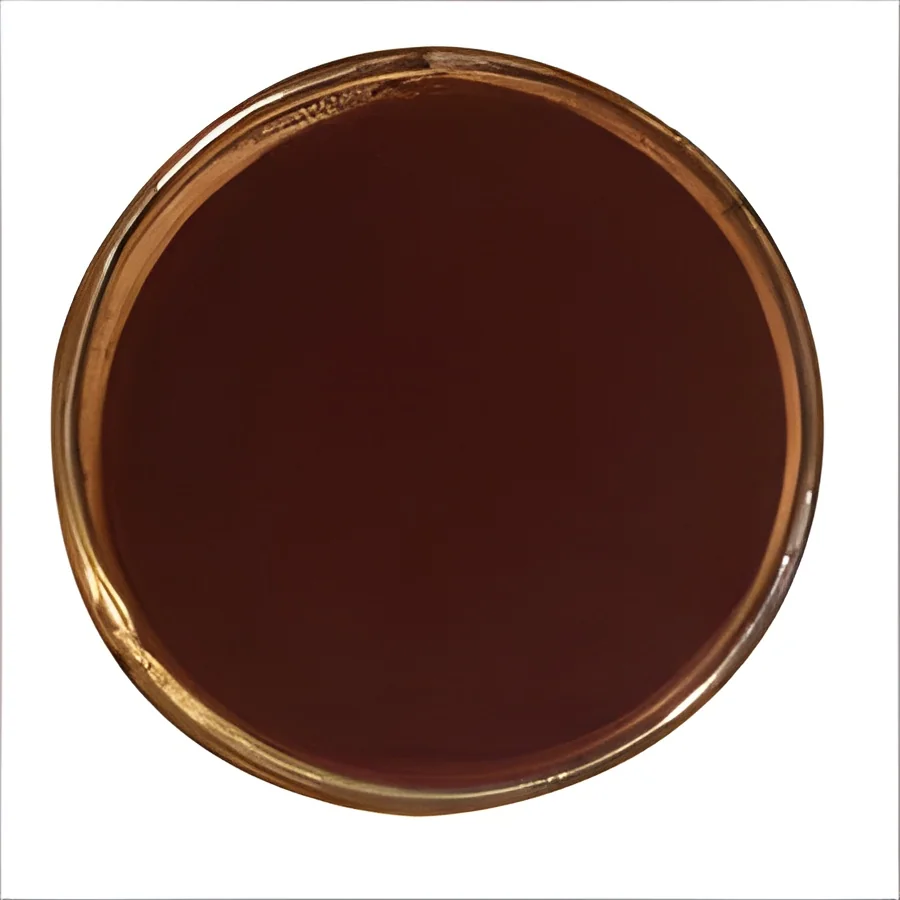
Key Features and Specifications
Chelated Iron products, specifically Fe-EDDHA and Fe-DTPA, offer unique features that enhance their performance in various applications. Understanding these specifications can help businesses choose the right product for their needs.
Key specifications include:
1. Solubility
- High solubility in water, allowing for easy application in irrigation systems and foliar sprays.
- Effectiveness across a wide pH range, particularly in alkaline soils for Fe-EDDHA.
2. Stability
- Fe-EDDHA exhibits superior stability compared to other iron chelates, maintaining effectiveness even in high pH conditions.
- Fe-DTPA is stable in neutral to slightly alkaline environments, making it suitable for various crops.
3. Iron Content
- Typically contains 6% to 12% iron by weight, ensuring adequate nutrient supply.
- The specific iron concentration can vary based on formulation and application.
4. Application Method
- Can be utilized through soil applications, foliar sprays, or fertigation systems.
- Compatibility with other nutrients and pesticides enhances overall nutrient management.
5. Shelf Life
- Extended shelf life under proper storage conditions, ensuring product effectiveness over time.
- Recommendations for storage include cool, dry places away from direct sunlight.
6. Environmental Safety
- Non-toxic and environmentally friendly, making it suitable for organic farming practices.
- Minimal risk of soil contamination when applied according to guidelines.
7. Packaging Options
- Available in various packaging sizes, catering to different scales of agricultural operations.
- Common forms include granules, powders, and liquid concentrates.
In summary, the key features and specifications of Chelated Iron products make them essential for enhancing plant health and ensuring optimal nutrient uptake.
Common Applications and Use Cases
Chelated Iron (Fe-EDDHA, Fe-DTPA) finds applications across various industries, primarily due to its effectiveness in addressing iron deficiencies in plants.
1. Agriculture: In crop production, chelated iron is used to prevent and correct iron chlorosis in a range of crops, including fruits, vegetables, and grains.
2. Horticulture: Gardeners and landscape professionals utilize chelated iron to enhance the growth and color of ornamental plants and lawns, particularly in nutrient-deficient soils.
3. Turf Management: Sports field and golf course managers apply chelated iron to maintain lush green turf, ensuring visual appeal and healthy grass growth.
4. Greenhouses: In controlled environments, chelated iron is crucial for delivering micronutrients effectively, promoting optimal growth conditions for various plants.
5. Hydroponics: Chelated iron is vital in hydroponic systems, where it supports plant nutrient requirements in soil-less growth mediums.
6. Floriculture: Flower growers use chelated iron to improve the color and quality of blooms, enhancing the value of floral products.
7. Industrial Applications: Chelated iron is used in certain industrial processes where iron supplementation is necessary for product formulation.
Product Variants and Subcategories
Chelated Iron products come in various forms, catering to specific agricultural needs and conditions. Each variant has unique features that enhance its utility.
Fe-EDDHA
Fe-EDDHA is known for its high stability in alkaline soils. It effectively delivers iron to plants, making it ideal for crops in regions with high pH levels. This variant is particularly beneficial for fruit trees and vegetables that require consistent iron availability.
Fe-DTPA
Fe-DTPA is suitable for slightly alkaline to neutral pH conditions. It is often used in turf management and ornamental horticulture. Its solubility and effectiveness make it a popular choice for a variety of crops, enhancing both growth and yield.
Benefits and Advantages
The use of Chelated Iron (Fe-EDDHA, Fe-DTPA) offers several benefits that enhance agricultural productivity and sustainability.
1. Improved Nutrient Absorption: Chelated iron ensures that plants can efficiently absorb iron, reducing the risk of deficiencies.
2. Enhanced Crop Quality: By preventing iron chlorosis, chelated iron supports healthier growth and better quality produce.
3. Versatility: Suitable for a wide range of crops and growing conditions, making it a valuable tool for farmers and gardeners.
4. Environmental Safety: Non-toxic formulations reduce the risk of environmental harm, supporting sustainable agricultural practices.
5. Cost-Effectiveness: By improving crop yields and quality, chelated iron can lead to higher returns on investment for farmers.
6. Compatibility: Can be mixed with other fertilizers and pesticides, enhancing overall nutrient management strategies.
Buying Guide for B2B Buyers
When sourcing Chelated Iron (Fe-EDDHA, Fe-DTPA), it is crucial for B2B buyers to consider various factors to ensure they make informed purchasing decisions.
1. Quality Assessment: Buyers should evaluate product quality based on solubility, stability, and iron content. Requesting certificates of analysis can help verify these aspects.
2. Supplier Verification: It is important to vet suppliers based on their reputation, industry experience, and customer reviews. Engaging with established suppliers can mitigate risks.
3. Pricing and MOQ: Understanding pricing structures and minimum order quantities is essential. Buyers should compare offers from multiple suppliers to ensure competitive pricing.
4. Delivery and Lead Times: Consider logistics and delivery timelines when placing orders. Establishing clear communication with suppliers regarding lead times can help manage expectations.
5. Compliance Requirements: Ensure that products meet any relevant regulatory standards and certifications. This may include checking for CE certification and other quality standards.
Compliance and Certifications
Compliance and certification are essential aspects of sourcing Chelated Iron (Fe-EDDHA, Fe-DTPA). Industry standards such as ISO 9001 ensure quality management systems are in place, promoting consistent product excellence. Certifications like CE indicate compliance with European safety and health regulations, making products more readily accepted in various markets.
Safety and testing requirements should also be considered. Products must undergo rigorous testing to ensure they meet safety standards for agricultural use. Additionally, regional compliance can vary, so understanding local regulations is vital for businesses operating in multiple jurisdictions.
Overall, adherence to quality standards and certifications not only enhances product trust but also ensures that businesses are compliant with industry regulations, ultimately benefiting end users.
Why Source Chelated Iron (Fe-EDDHA, Fe-DTPA) from Pepagora?
Pepagora offers a reliable platform for sourcing Chelated Iron (Fe-EDDHA, Fe-DTPA) with several competitive advantages.
Verified Supplier Network: Pepagora connects buyers with a network of verified suppliers, ensuring that all products meet high-quality standards. This reduces the risk associated with sourcing from unverified sources.
Streamlined RFQ Process: The Request for Quotation (RFQ) process is designed for efficiency, allowing buyers to quickly obtain quotes and compare options from multiple suppliers. This transparency aids in making informed purchasing decisions.
Trade Assurance and Support: Buyers benefit from trade assurance measures that protect their investments. Pepagora provides support throughout the purchasing process, ensuring a smooth transaction experience.
Regional Coverage: With a strong presence in regions such as India, the GCC, and Southeast Asia, Pepagora facilitates access to a diverse market. This geographic reach enables buyers to find the right suppliers for their specific needs.
By choosing Pepagora, businesses can enhance their sourcing efficiency while ensuring product quality and supplier reliability.

 IN
IN