
 IN
INBrand Activation & Promotional Events
16 products available
What are Brand Activation & Promotional Events?
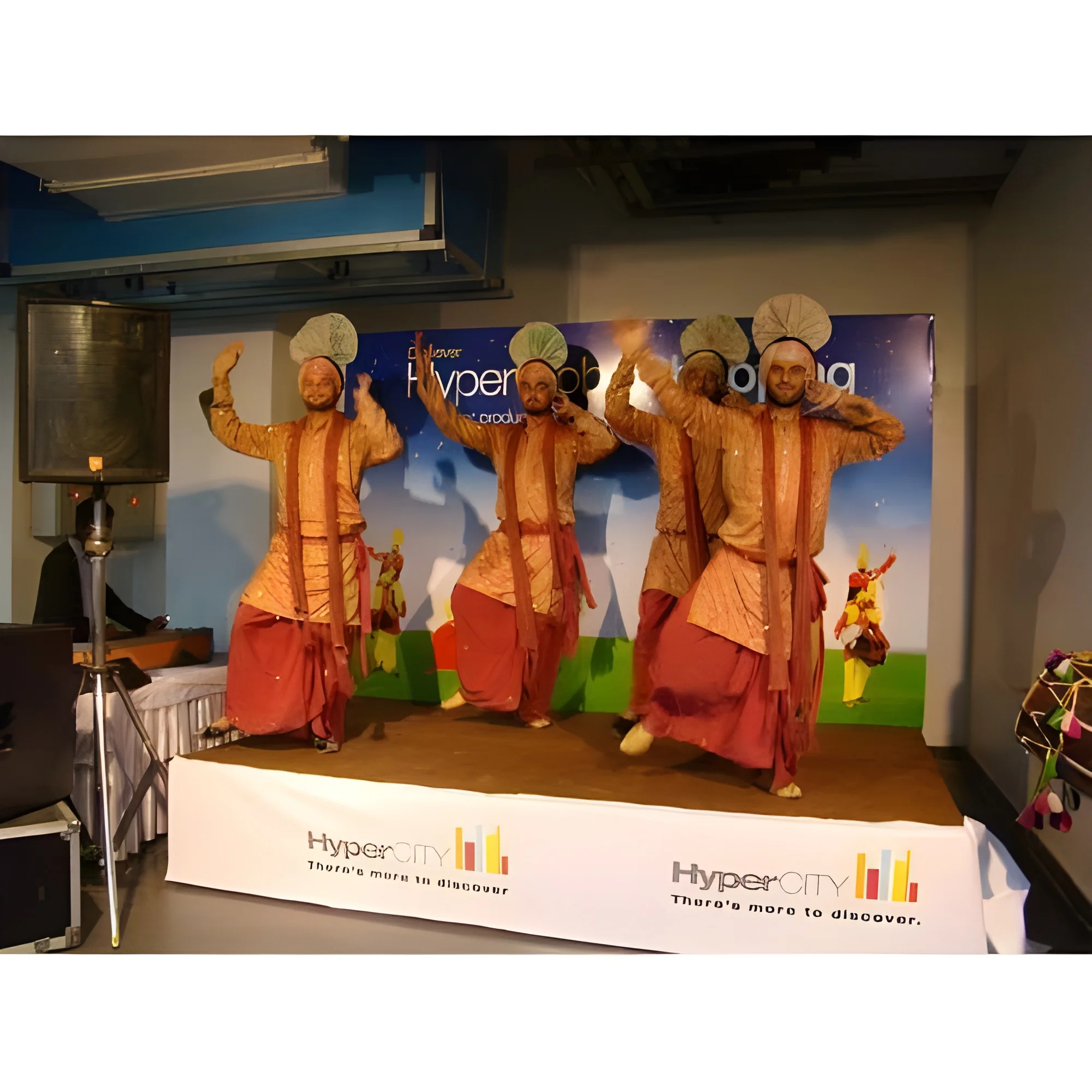
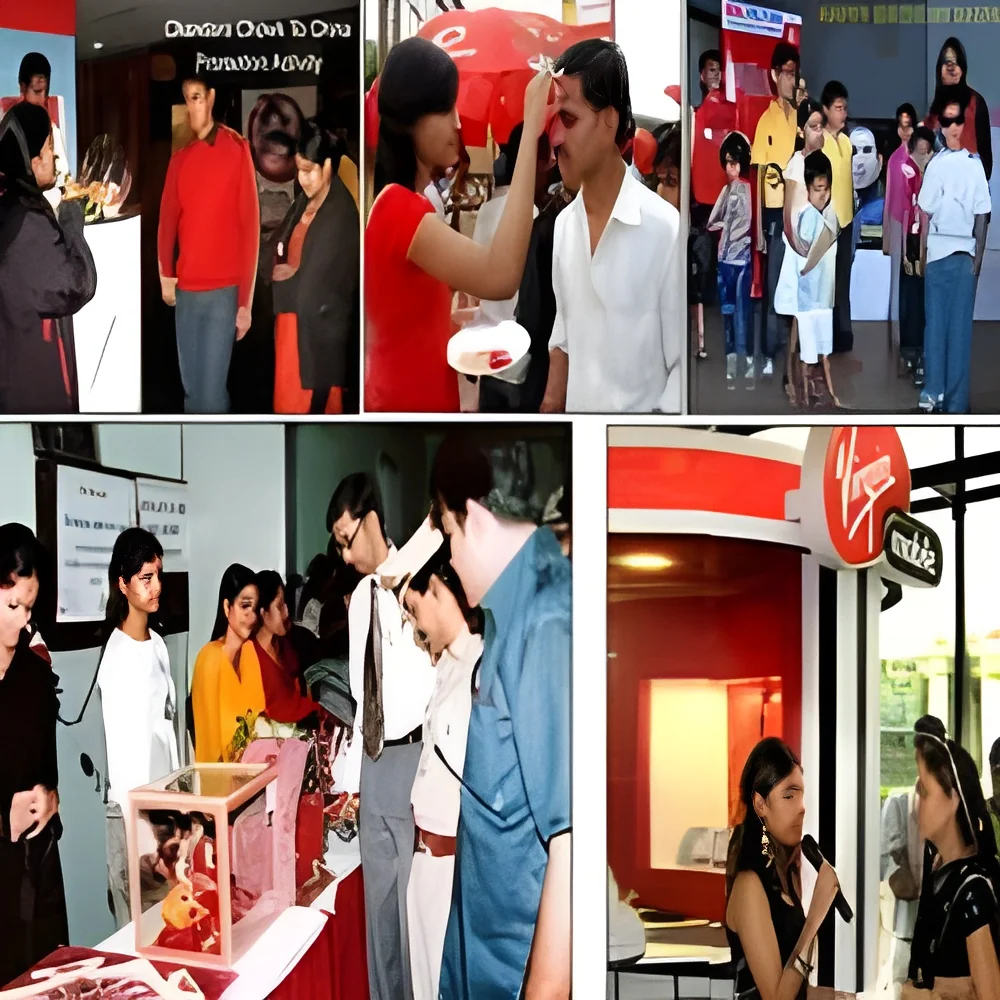
Brand Activation and Promotional Events are strategic marketing efforts designed to create a direct interaction between a brand and its target audience. These events aim to elevate brand awareness, engage consumers, and foster loyalty through memorable experiences. By combining traditional advertising methods with interactive elements, brands can effectively communicate their values, products, and services in a captivating manner.
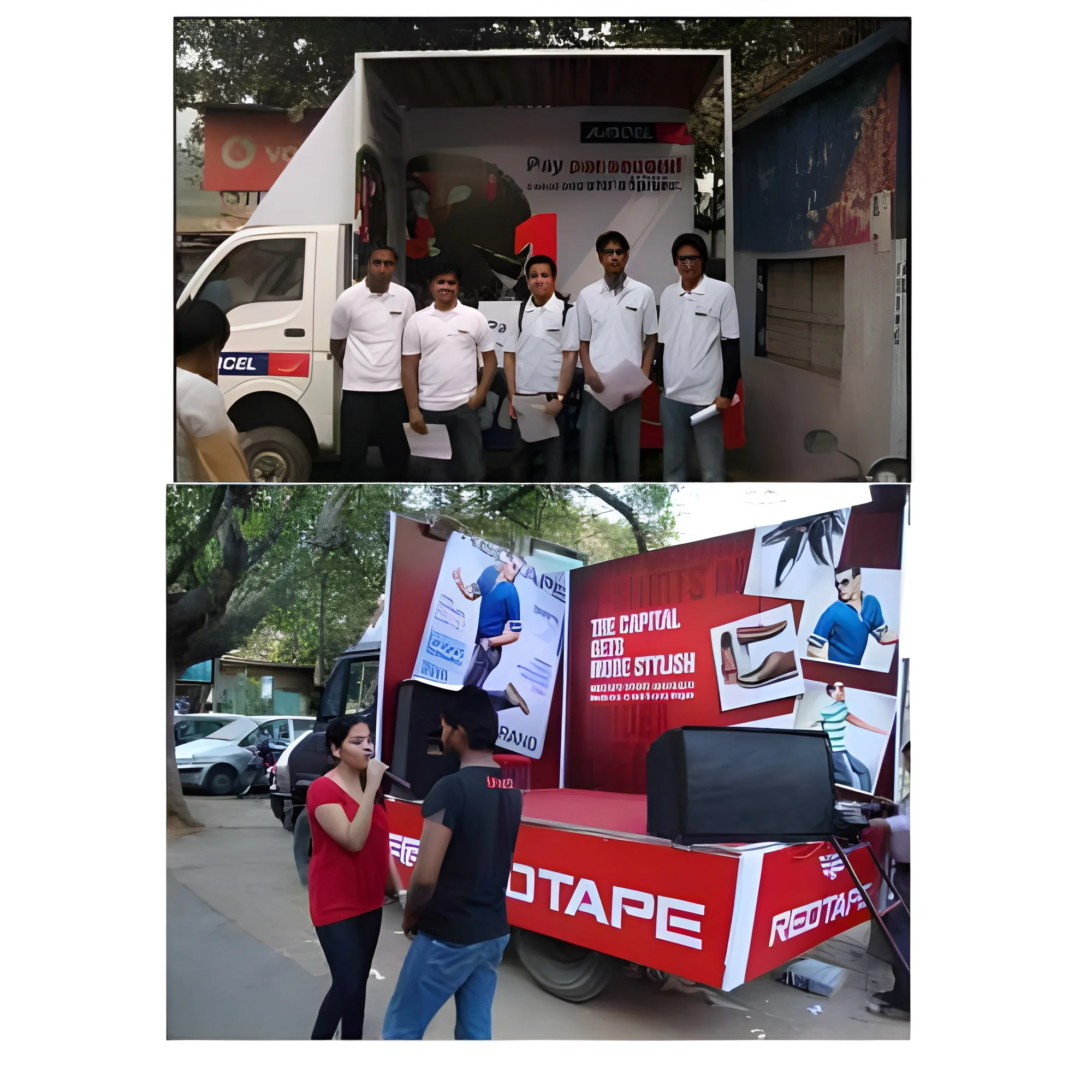
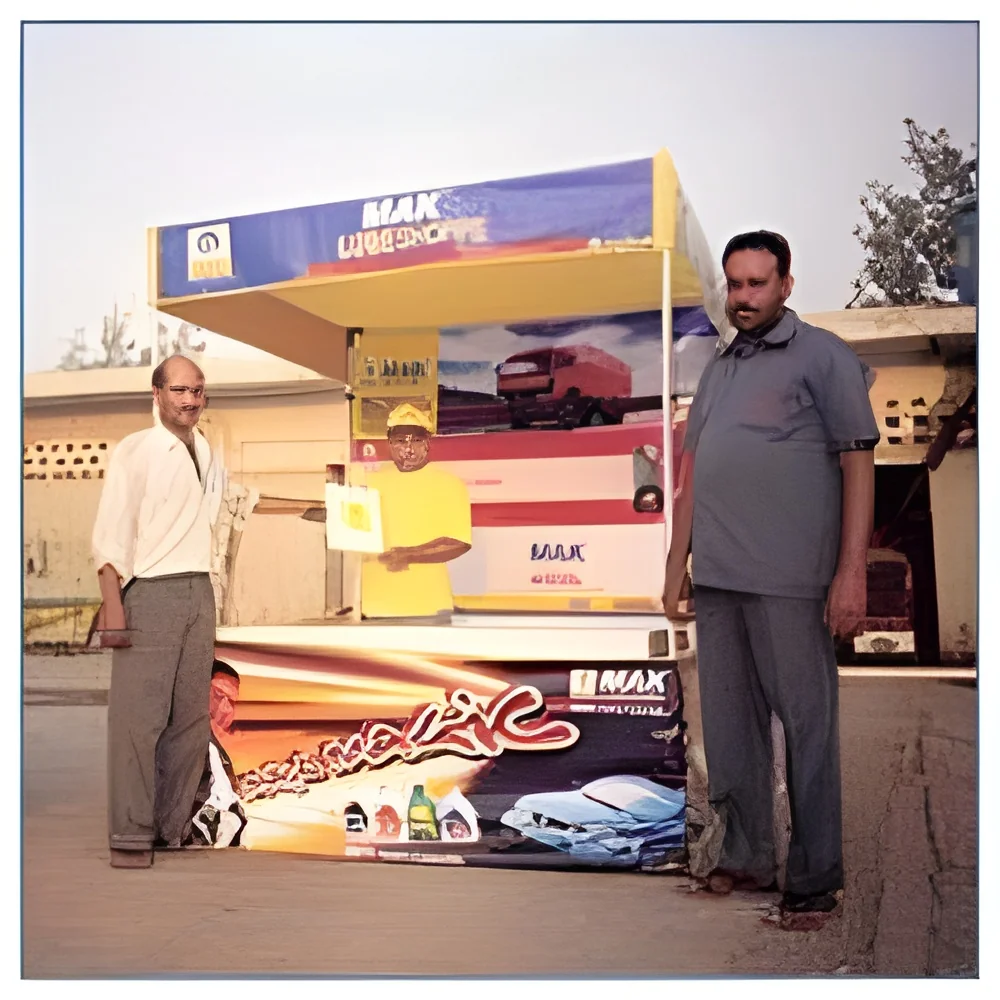
These events are used across various business applications, including product launches, trade shows, in-store promotions, and experiential marketing campaigns. They allow companies to showcase their offerings and highlight their unique selling propositions. This engagement not only helps in building strong customer relationships but also drives sales and market penetration. In a competitive landscape, effective brand activation can be the differentiator that sets a business apart, making it a crucial strategy for companies looking to enhance their market presence.
In terms of industry relevance, brand activation and promotional events are increasingly vital as consumer preferences shift toward experiences over products. Businesses across sectors-from consumer goods to technology-recognize the need to invest in such initiatives to connect with audiences on a deeper level. As market dynamics evolve, the significance of these events continues to grow, providing opportunities for brands to innovate and adapt.
Key Features and Specifications
When considering Brand Activation and Promotional Events, several key features and specifications define the effectiveness of these initiatives. These specifications are crucial for businesses aiming to ensure the success of their marketing efforts.
Key specifications include:
1. Engagement Strategies
- Innovative tactics to capture audience attention
- Integration of digital tools for interactive experiences
2. Audience Targeting
- Tailored approaches based on demographic insights
- Focus on reaching specific market segments
3. Venue Selection
- Options ranging from outdoor spaces to indoor exhibition centers
- Consideration of accessibility and audience capacity
4. Budget Management
- Defined cost structures for various event types
- Flexibility to accommodate different scales of events
5. Creative Design Elements
- Customizable branding opportunities
- Use of visually appealing materials to enhance impact
6. Follow-Up Mechanisms
- Strategies for post-event engagement
- Data collection for measuring success
7. Compliance Considerations
- Adherence to local regulations and standards
- Safety protocols for event execution
8. Measurement and Analytics
- Tools for evaluating event performance
- Metrics for assessing return on investment
In summary, understanding these specifications is essential for businesses to execute successful brand activation and promotional events that resonate with their target audiences.
Common Applications and Use Cases
Brand Activation and Promotional Events find utility across a variety of industries, each leveraging these initiatives to achieve distinct marketing goals.
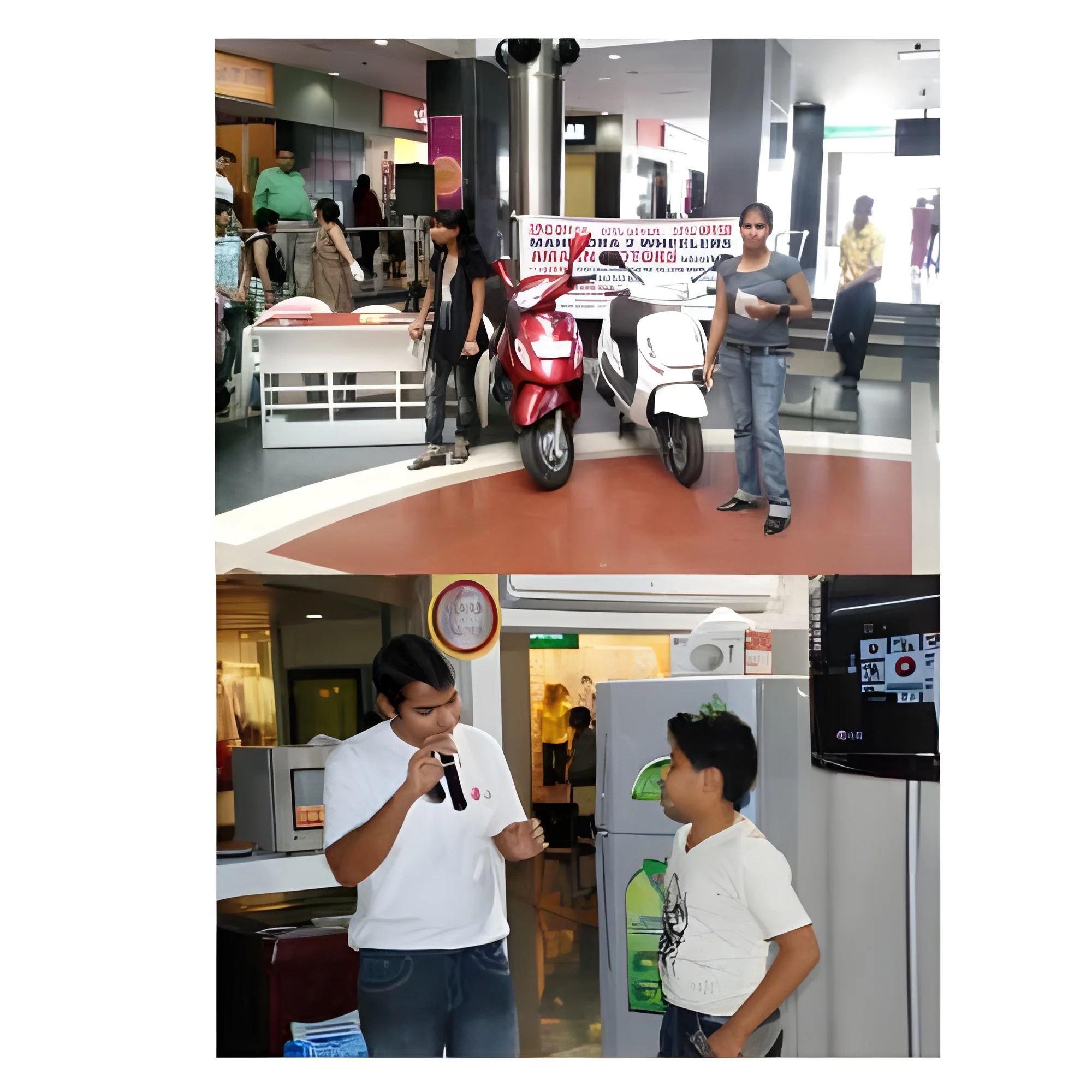
1. Retail: Retailers utilize promotional events to drive foot traffic and boost sales through special offers and product demonstrations.
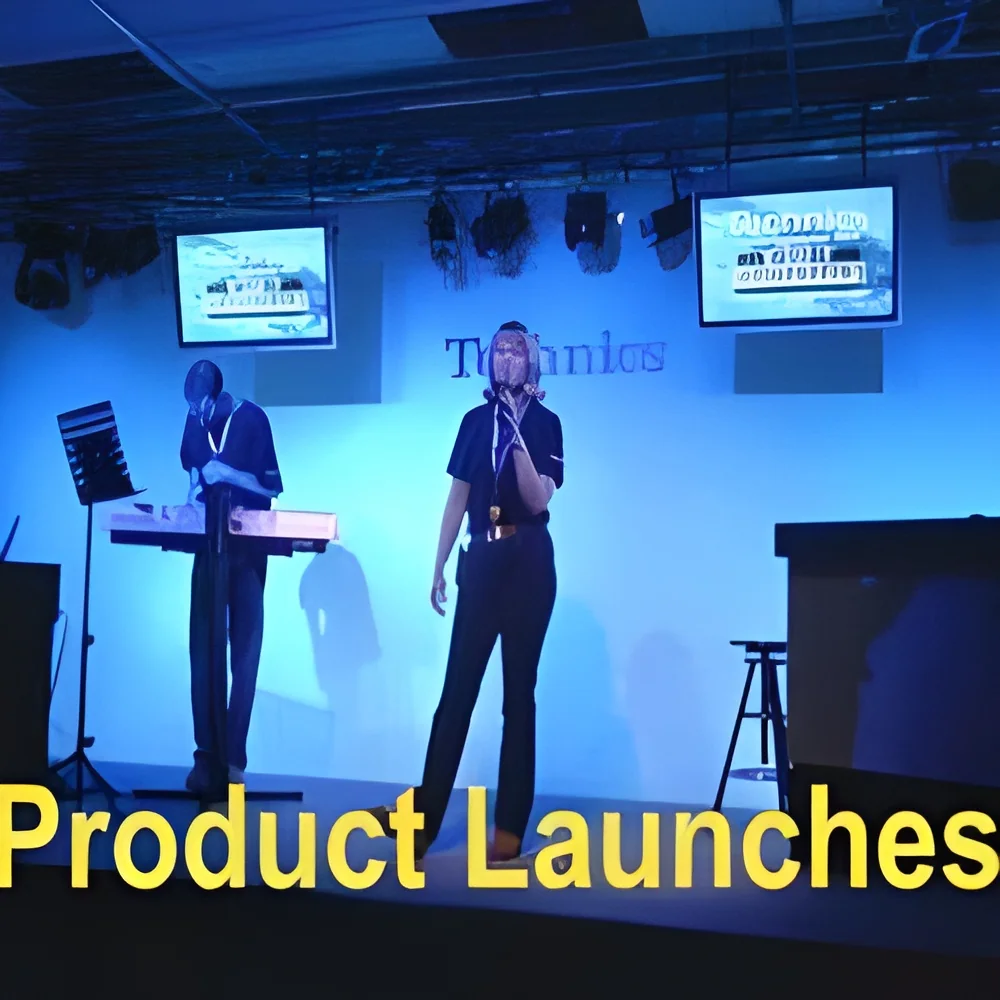
2. Technology: Tech companies often host launch events to unveil new products, providing hands-on experiences to showcase innovations.
3. Food and Beverage: Brands in this sector engage consumers through tasting events, creating opportunities for direct feedback and brand loyalty.
4. Automotive: Car manufacturers frequently organize test drive events, allowing customers to experience their vehicles firsthand while promoting new models.
5. Fashion: Fashion brands engage audiences during fashion shows and pop-up events, creating buzz and excitement around new collections.
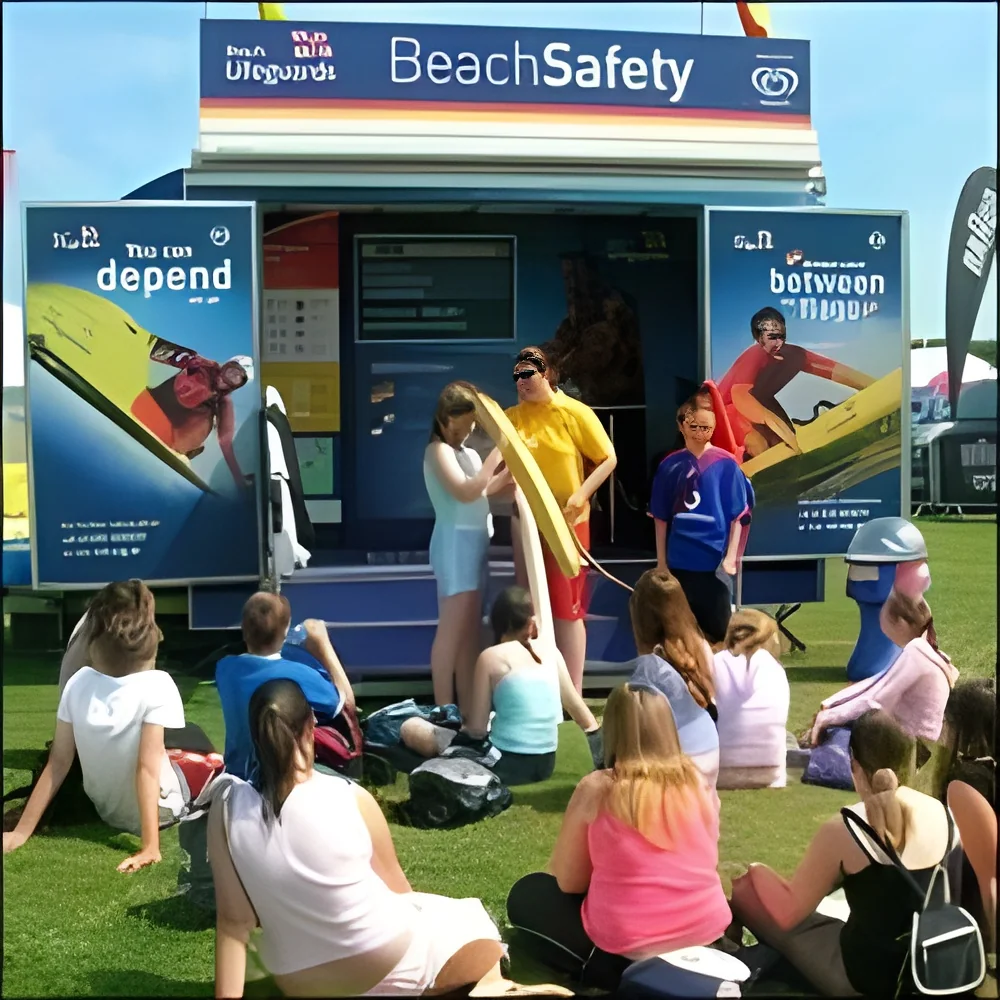
6. Health and Wellness: Companies in this industry host wellness fairs and fitness events to connect with health-conscious consumers and promote their products.
7. Entertainment: Movie studios and streaming services often organize premieres and fan events to create excitement around new releases.
Product Variants and Subcategories
The diversity of Brand Activation and Promotional Events allows businesses to select from various approaches tailored to their specific needs and goals. These variants can significantly impact engagement and brand perception.
Interactive Experience Events
These events focus on creating immersive experiences for participants, allowing them to engage with the brand in a hands-on manner. This can include workshops, demos, and interactive displays.
Themed Promotional Campaigns
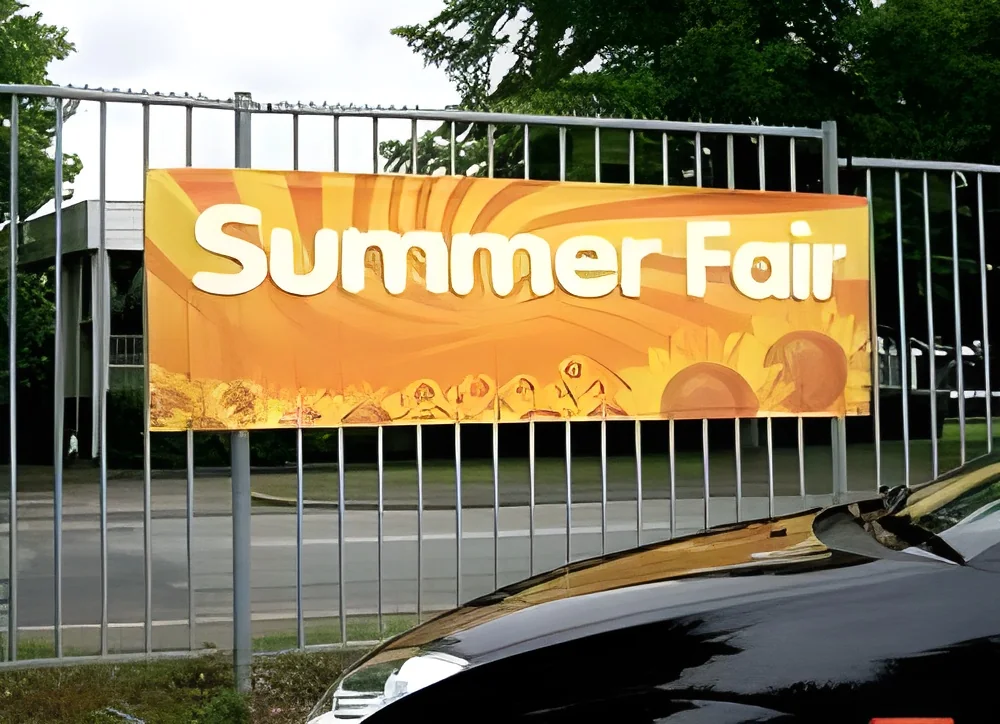
Themed events are designed around specific concepts or holidays, enhancing brand visibility and encouraging participation through creative storytelling.
Trade Shows and Expositions
Participating in trade shows enables businesses to showcase their products to a targeted audience while networking with industry professionals.
Sponsorship Opportunities
Brands can activate through sponsorship of local events or community initiatives, associating their name with positive experiences and increasing brand awareness.
Benefits and Advantages
Investing in Brand Activation and Promotional Events provides numerous advantages that can lead to significant business growth.
Key benefits include:
1. Enhanced Brand Awareness: Events create memorable experiences that help brands stand out in crowded markets.
2. Direct Consumer Engagement: These initiatives foster genuine interactions, allowing brands to connect with customers on a personal level.
3. Increased Sales Opportunities: Effective promotions can lead to immediate sales, driving revenue growth.
4. Valuable Market Insights: Events provide businesses with direct feedback from consumers, offering insights into preferences and behaviors.
5. Strengthened Customer Loyalty: Engaging experiences can build lasting relationships, encouraging repeat business and brand advocacy.
6. Differentiation from Competitors: Unique events can position a brand as an innovator, setting it apart from competitors.
Buying Guide for B2B Buyers
When sourcing Brand Activation and Promotional Events, it is essential for B2B buyers to consider several key factors to ensure a successful initiative.
1. Quality Assessment: Evaluate the quality of past events organized by potential suppliers. Look for case studies and testimonials that demonstrate effectiveness and creativity.
2. Supplier Verification: Vet suppliers thoroughly, checking their credentials, experience, and reputation in the industry to ensure reliability and professionalism.
3. Pricing and MOQ: Understand pricing structures and minimum order quantities that suppliers may impose. This ensures alignment with your budget and project scope.
4. Delivery and Lead Times: Discuss logistics, including delivery timelines for materials and setup. Timely execution is crucial for event success.
5. Compliance Requirements: Be aware of local regulations and safety standards that may apply to events. Ensuring compliance protects your brand and participants.
Compliance and Certifications
Compliance and certifications are critical components in the planning and execution of Brand Activation and Promotional Events. Adhering to relevant quality standards ensures that the events meet industry expectations and safety requirements.
Many businesses look for quality standards such as ISO 9001, which reflects a commitment to quality management systems. This certification assures clients that a company has consistent processes in place to deliver high-quality services.
Additionally, industry certifications like CE indicate compliance with European health, safety, and environmental protection standards. This certification is essential for companies looking to operate within the European market.
Safety and testing requirements must also be considered. This may involve assessing event venues for safety hazards and ensuring that all equipment meets regulatory standards.
Regional compliance considerations can vary significantly. Businesses should be aware of specific local laws that may impact event execution, including permits and insurance requirements.
Why Source Brand Activation & Promotional Events from Pepagora?
Pepagora offers a trusted platform for sourcing Brand Activation and Promotional Events, providing multiple advantages that enhance the buying experience.
Verified Supplier Network: Pepagora's platform connects buyers with a verified network of suppliers. This ensures that businesses can find reliable partners who have a proven track record in executing successful events.
Streamlined RFQ Process: The Request for Quotation (RFQ) process on Pepagora is designed to be efficient and user-friendly. Buyers can easily solicit quotes from multiple suppliers, facilitating quicker decision-making.
Trade Assurance and Support: Pepagora provides trade assurance, giving buyers confidence in their transactions. Support services are available to assist with any issues that may arise during the sourcing process.
Regional Coverage: With a presence in India, the GCC, and Southeast Asia, Pepagora offers extensive regional coverage. This geographic reach allows businesses to tap into diverse markets and engage with a broader audience base.



Frequently Asked Questions
What are Brand Activation & Promotional Events?
Brand Activation & Promotional Events are strategies designed to engage consumers and create brand awareness. These events aim to connect with the target audience through interactive experiences, promoting products or services effectively.
What are the different types of Brand Activation & Promotional Events?
Different types of Brand Activation & Promotional Events include product launches, experiential marketing, in-store promotions, and trade shows. Each type focuses on engaging consumers in unique ways to enhance brand visibility and customer interaction.
How do I choose the right Brand Activation & Promotional Events?
Choosing the right Brand Activation & Promotional Events involves understanding your target audience and the objectives of your campaign. Consider factors such as location, event type, and budget to ensure the event aligns with your brand goals.
What are the standard specifications for Brand Activation & Promotional Events?
Standard specifications for Brand Activation & Promotional Events may include venue requirements, equipment needs, and technical setups. Additionally, branding elements such as signage and promotional materials should adhere to your brand guidelines.
What is the price range for Brand Activation & Promotional Events?
The price range for Brand Activation & Promotional Events can vary widely based on the event's scale, location, and complexity. Smaller events may start from a few thousand rupees, while larger, more elaborate activations can go into lakhs.
What quality standards apply to Brand Activation & Promotional Events?
Quality standards for Brand Activation & Promotional Events typically include adherence to safety regulations, effective audience engagement, and professional execution. Suppliers should ensure that all materials and equipment meet industry standards.
Where can I find Brand Activation & Promotional Events suppliers in India?
You can find Brand Activation & Promotional Events suppliers in India through B2B marketplaces like Pepagora, trade shows, and industry directories. Researching online and attending networking events can also help you identify potential suppliers.
Can Brand Activation & Promotional Events be customized?
Yes, Brand Activation & Promotional Events can be customized to fit specific brand requirements and target audience preferences. Customization can include tailored themes, interactive activities, and personalized marketing materials.
What is the typical minimum order quantity for Brand Activation & Promotional Events?
The typical minimum order quantity (MOQ) for Brand Activation & Promotional Events depends on the supplier and the type of event. Generally, MOQs can range from a small batch for localized events to larger quantities for mass promotions.
What is the typical lead time for Brand Activation & Promotional Events?
The typical lead time for Brand Activation & Promotional Events can vary based on the complexity of the event and planning requirements. Generally, a lead time of 4 to 8 weeks is advisable for effective preparation and execution.
Why Businesses Trust Pepagora
Thousands of companies trust Pepagora to source smarter and sell faster
Expand Your Sales Globally

Source Smarter,Grow Faster
