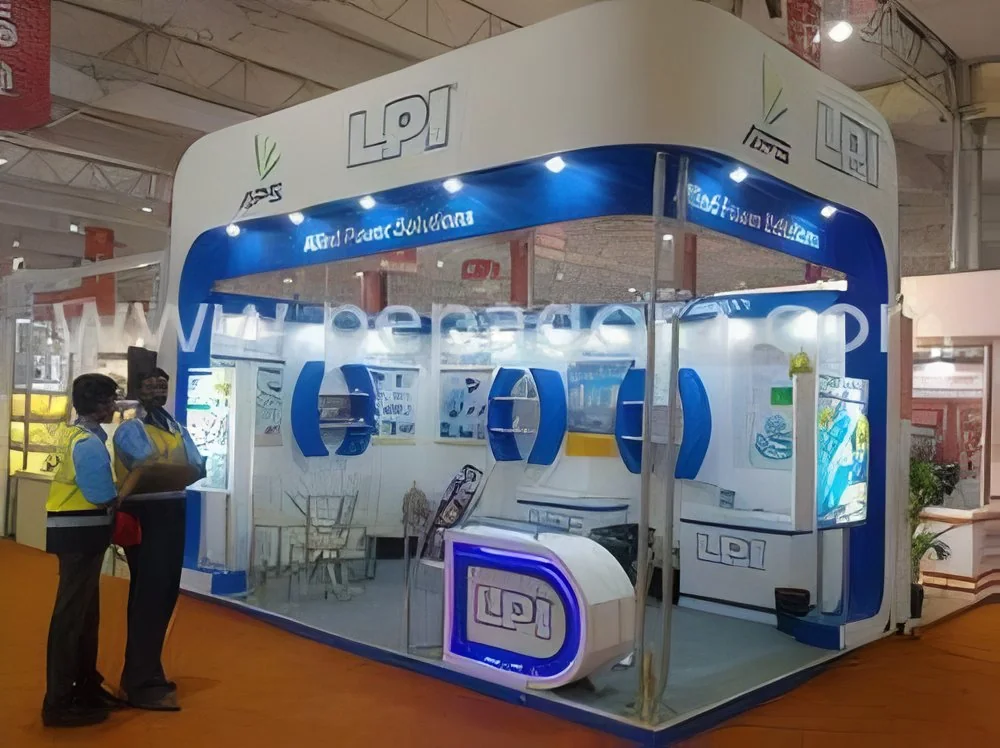
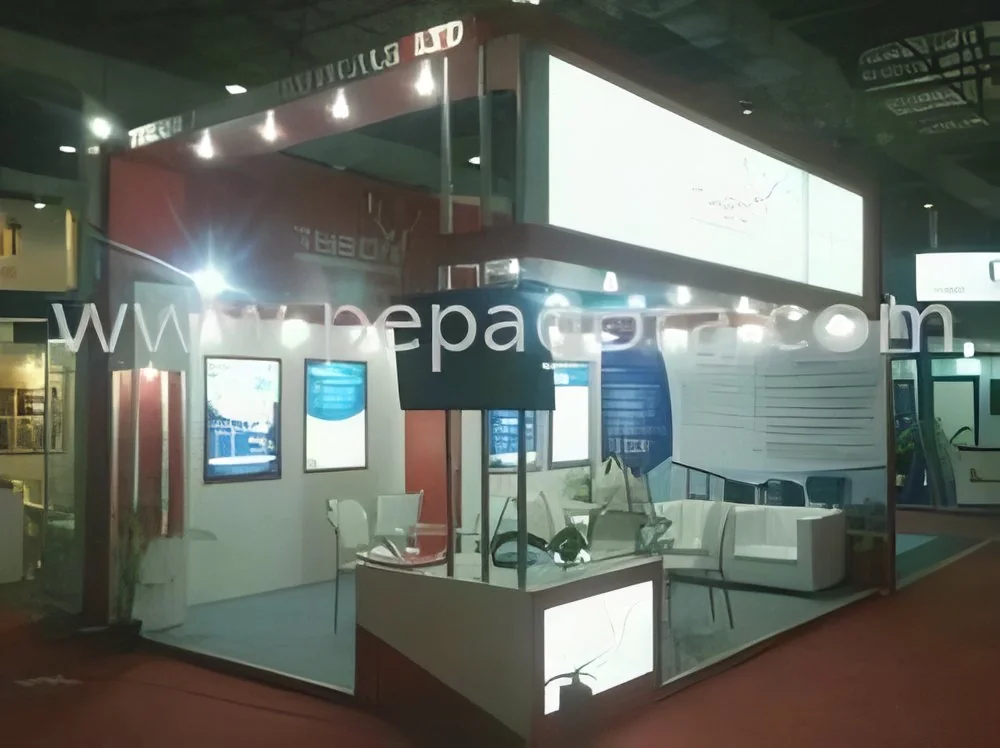
What are Exhibition & Trade Show Management?
Exhibition and trade show management refers to the strategic planning, organization, and execution of events that bring together businesses and consumers in a specific industry. These events serve as platforms for showcasing products, networking with potential clients, and generating leads. Effective management encompasses a variety of tasks, including venue selection, logistics coordination, marketing strategies, and on-site operations.
The primary use of exhibition and trade show management is to facilitate business-to-business interactions and foster relationships within industries. Companies leverage these events to display innovations, launch new products, and engage with their target audience. By participating in trade shows, businesses can enhance their visibility, gain industry insights, and establish their brand presence in competitive markets.
In today's rapidly evolving market, the relevance of exhibition and trade show management is significant. Industries such as technology, manufacturing, and retail rely heavily on these events to drive sales and foster connections. The global trade show market continues to grow, reflecting the importance of face-to-face interactions in building trust and credibility among stakeholders.
Key Features and Specifications
Exhibition and trade show management solutions encompass various features designed to streamline the planning and execution process. These solutions often include tools for registration management, attendee tracking, and event marketing.
Key specifications include:
1. Event Management Software
- Comprehensive software for planning and coordinating all aspects of an event
- Features include registration, scheduling, and attendee engagement tools
2. Venue Management
- Tools to assist in selecting, booking, and managing event venues
- Options for different types of venues to accommodate various event sizes
3. Budgeting Tools
- Features for creating and managing event budgets
- Financial tracking capabilities for expenses and revenues
4. Marketing Automation
- Tools for promoting events through email campaigns and social media
- Analytics to measure the effectiveness of marketing efforts
5. On-Site Check-In Solutions
- Technology for efficient registration and check-in processes
- Integration with mobile devices for real-time updates
6. Reporting and Analytics
- Tools for generating reports on attendee demographics and engagement
- Insights to help improve future events based on data collected
In summary, exhibition and trade show management solutions provide comprehensive features that enhance the planning and execution of successful events.
Common Applications and Use Cases
Exhibition and trade show management is utilized across various industries to meet specific goals and objectives.
1. Technology Industry: Companies in this sector use trade shows to unveil new products, engage with customers, and gain competitor insights. Events often focus on software, hardware, and emerging technologies.
2. Manufacturing Sector: Trade shows serve as an opportunity for manufacturers to showcase machinery, tools, and innovative production processes. Networking with suppliers and buyers is crucial for growth in this industry.
3. Retail Industry: Retailers participate in exhibitions to connect with suppliers and discover new products that can enhance their offerings. These events also provide a platform for brand visibility.
4. Healthcare Sector: Healthcare trade shows focus on medical devices, pharmaceuticals, and healthcare technologies. These events foster collaboration among professionals and organizations.
5. Food and Beverage Industry: Exhibitions in this sector highlight new food products, trends, and innovations. Networking among producers, distributors, and retailers is key to success.
6. Education Sector: Educational conferences and trade shows provide opportunities for institutions to showcase programs, technologies, and resources, while also connecting with prospective students and partners.
Product Variants and Subcategories
Exhibition and trade show management solutions come in various forms to meet the diverse needs of businesses.
Event Planning Software
This variant includes comprehensive tools for managing all aspects of an event from start to finish. It often features modules for budgeting, scheduling, and attendee engagement.
Virtual Event Platforms
These platforms facilitate online trade shows and exhibitions, allowing businesses to reach a global audience. Features often include live streaming, virtual booths, and networking opportunities.
On-Site Solutions
This variant focuses on enhancing the attendee experience at the event. It includes tools for registration, check-in, and real-time updates.
Benefits and Advantages
Choosing effective exhibition and trade show management solutions offers numerous advantages to businesses.
1. Improved Efficiency: Streamlined planning and logistics save time and reduce stress for event organizers.
2. Enhanced Engagement: Tools for marketing and attendee interaction foster better connections with potential clients.
3. Measurable Outcomes: Analytics and reporting features allow businesses to assess event success and make data-driven decisions for future events.
4. Increased Visibility: Participating in trade shows enhances brand exposure and market presence.
5. Networking Opportunities: These events provide valuable chances to connect with industry peers and potential customers.
6. Access to New Markets: Businesses can reach diverse audiences and explore international opportunities through trade shows.
Buying Guide for B2B Buyers
When sourcing exhibition and trade show management solutions, it is essential for B2B buyers to consider several key factors.
1. Quality Assessment: Evaluate the quality of the management software and tools offered. Look for user-friendly interfaces, customer support, and reliability in the solutions provided.
2. Supplier Verification: Vet potential suppliers to ensure they have a proven track record in the industry. Seek references and reviews from past clients to assess their credibility.
3. Pricing and MOQ: Understand the pricing structure and minimum order quantities. Compare costs among various suppliers to ensure competitive pricing aligned with your budget.
4. Delivery and Lead Times: Confirm the expected lead times for receiving products and services. Ensure that the timelines align with your event planning schedule.
5. Compliance Requirements: Review any regulatory or compliance standards that may apply to your event management processes, such as data protection and safety standards.
Compliance and Certifications
Exhibition and trade show management solutions must adhere to various compliance and certification standards to guarantee quality and safety.
Relevant quality standards include ISO 9001, which focuses on quality management systems, ensuring that organizations consistently meet customer and regulatory requirements. Additionally, compliance with HACCP (Hazard Analysis Critical Control Point) standards may be necessary for events in the food industry.
Certifications such as CE mark signify that products meet European safety, health, and environmental requirements. This is particularly important for solutions used in regulated industries.
Safety and testing requirements may vary by region, necessitating that suppliers stay informed about local regulations. Regional compliance considerations can include adherence to specific laws governing data protection, consumer rights, and industry-specific regulations.
Why Source Exhibition & Trade Show Management from Pepagora?
Pepagora provides a trusted platform for sourcing exhibition and trade show management solutions with several key advantages.
Verified Supplier Network: Pepagora connects buyers with a network of verified suppliers. This ensures that businesses have access to reliable and reputable partners for their event management needs.
Streamlined RFQ Process: The platform offers a simplified request for quotation (RFQ) process, making it easier for buyers to obtain competitive quotes from multiple suppliers quickly.
Trade Assurance and Support: Pepagora prioritizes buyer protection through trade assurance policies. This includes support for resolving disputes and ensuring a smooth transaction process.
Regional Coverage: With a presence in India, the Gulf Cooperation Council (GCC), and Southeast Asia, Pepagora provides extensive geographic reach. This allows businesses to connect with suppliers and manage events across diverse markets.

 IN
IN