
 IN
Base Layers & Thermal Sportswear
2 products available
What are Base Layers & Thermal Sportswear?
Base layers and thermal sportswear are specialized garments designed to provide insulation and comfort during physical activities in varying environmental conditions. Base layers function as the first layer of clothing, positioned directly against the skin, and are crafted to wick moisture away while maintaining warmth. Thermal sportswear, on the other hand, typically incorporates additional insulation to protect against colder temperatures, ensuring that athletes and outdoor enthusiasts can perform at their best.
These products are essential in various business applications, particularly in industries that require outdoor work, such as construction, logistics, and sports. They are widely used by professionals who need to maintain body heat and manage moisture while working in cold environments or engaging in strenuous activities. The relevance of base layers and thermal sportswear continues to grow as more industries recognize the importance of employee comfort and performance in extreme conditions.
The market for base layers and thermal sportswear is expanding, driven by increased awareness of the benefits of proper clothing in enhancing performance and safety. Companies are increasingly investing in high-quality thermal wear to ensure that their employees are well-equipped to handle the demands of their environments.
Key Features and Specifications
Base layers and thermal sportswear boast a range of features that enhance their functionality and comfort. Understanding these specifications is crucial for businesses looking to invest in high-quality garments for their teams.
Key specifications include:
1. Moisture-Wicking Technology
- Designed to draw sweat away from the body
- Keeps the skin dry and comfortable during physical exertion
2. Thermal Insulation
- Retains body heat in cold conditions
- Varies in thickness and material for different temperature needs
3. Breathability
- Allows air circulation to prevent overheating
- Essential for maintaining comfort during high-intensity activities
4. Stretchability
- Provides freedom of movement
- Often made from elastic materials for a snug fit
5. Odor Control
- Features antimicrobial properties to reduce odor buildup
- Enhances freshness during prolonged wear
6. Durability
- Made from robust materials to withstand harsh conditions
- Resistant to wear and tear, providing long-lasting use
7. Easy Care
- Machine-washable and quick-drying properties
- Reduces maintenance time for users
In summary, knowing these features helps businesses make informed decisions when selecting base layers and thermal sportswear for their needs.
Common Applications and Use Cases
Base layers and thermal sportswear find applications across various industries, tailored to meet specific demands.
1. Construction: Workers in cold climates use thermal wear to stay warm while performing outdoor tasks, ensuring safety and comfort.
2. Sports: Athletes and fitness enthusiasts wear base layers to enhance performance and regulate body temperature during training and competitions.
3. Logistics: Warehouse staff often require thermal clothing to maintain warmth in cold storage environments, allowing for efficient operation.
4. Outdoor Recreation: Hikers, skiers, and campers rely on base layers to provide warmth and moisture management during their activities in nature.
5. Emergency Services: First responders utilize thermal sportswear to remain warm during outdoor operations in extreme weather conditions.
6. Military: Personnel wear base layers designed for durability and thermal protection during field operations in varying climates.
7. Health Care: Medical professionals in cold environments use thermal wear to maintain comfort during long shifts.
Product Variants and Subcategories
Base layers and thermal sportswear come in various styles and designs to suit different needs.
Compression Base Layers: These garments fit tightly against the skin, enhancing blood circulation and reducing muscle fatigue during activities.
Insulated Thermal Wear: This variant features additional padding or insulation materials, ideal for extreme cold conditions, ensuring maximum warmth.
Long Sleeve and Short Sleeve Options: Available in both long and short sleeves, these options cater to varying temperature needs and personal preferences.
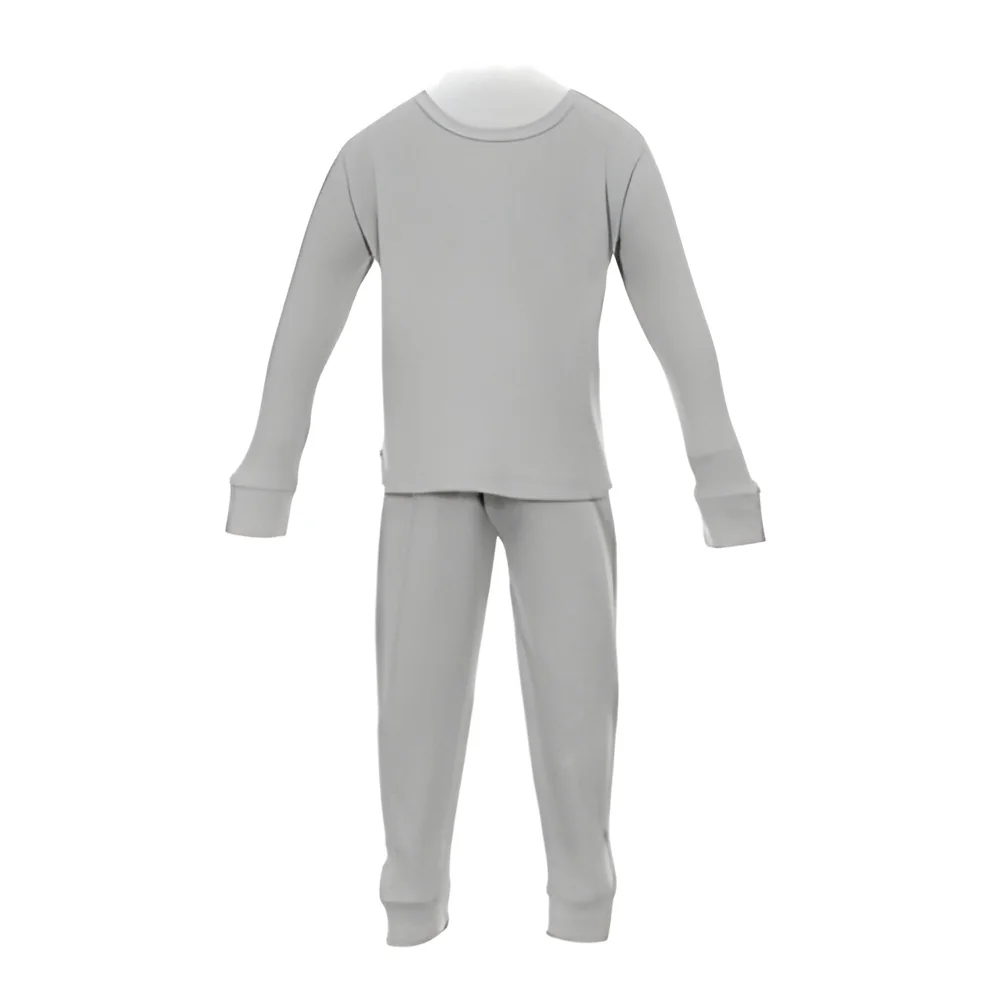
Pants and Tops: Base layer pants and tops are designed to work together, providing comprehensive coverage for the body, ensuring warmth from head to toe.
Benefits and Advantages
Investing in base layers and thermal sportswear offers numerous benefits for businesses and their workforce.
1. Enhanced Comfort: Proper thermal wear keeps employees comfortable, allowing them to focus on their tasks without distraction.
2. Improved Performance: Athletes and workers can perform better when they are warm and dry, leading to increased productivity.
3. Injury Prevention: By maintaining body heat, thermal wear helps prevent injuries associated with cold exposure, such as muscle strains.
4. Versatility: These garments can be used in a variety of settings, making them a valuable addition to any work wardrobe.
5. Cost-Effectiveness: High-quality thermal sportswear is durable, reducing the need for frequent replacements and long-term costs.
6. Safety Compliance: Providing appropriate clothing can help businesses meet safety regulations in cold work environments.
Buying Guide for B2B Buyers
When sourcing base layers and thermal sportswear, several factors must be considered to ensure the best choices are made.
1. Quality Assessment: Evaluate the materials and construction of garments to ensure they meet performance and durability standards.
2. Supplier Verification: Research and vet suppliers to ensure they have a good reputation and adhere to quality standards in manufacturing.
3. Pricing and MOQ: Understand pricing structures and minimum order quantities to budget effectively and meet business needs.
4. Delivery and Lead Times: Assess the supplier's logistics capabilities to ensure timely delivery, especially in peak seasons.
5. Compliance Requirements: Ensure that the products meet relevant industry standards and regulatory requirements for safety and quality.
Compliance and Certifications
Compliance and quality standards are critical in the manufacturing of base layers and thermal sportswear. Key standards include ISO 9001, which ensures consistent quality management systems, and CE certification, indicating conformity with health, safety, and environmental protection standards.
Manufacturers must also adhere to safety and testing requirements to confirm that their products perform as intended in real-world conditions. Additionally, regional compliance considerations may vary, requiring businesses to stay informed about specific regulations that apply in their target markets.
Why Source Base Layers & Thermal Sportswear from Pepagora?
Pepagora provides a trusted platform for sourcing base layers and thermal sportswear, offering several advantages that benefit B2B buyers.
Verified Supplier Network: Pepagora ensures that all suppliers are thoroughly vetted to maintain high standards of quality and reliability. This gives buyers confidence in their sourcing decisions.
Streamlined RFQ Process: The platform simplifies the request for quotation process, enabling businesses to receive competitive pricing quickly and efficiently, helping them make informed purchasing decisions.
Trade Assurance and Support: Pepagora offers trade assurance policies that protect buyers' investments, ensuring that products meet agreed-upon specifications and are delivered on time.
Regional Coverage: With a strong presence in India, the GCC, and Southeast Asia, Pepagora connects businesses with a diverse range of suppliers, facilitating access to quality thermal wear in various markets.



Frequently Asked Questions
What are Base Layers & Thermal Sportswear?
Base layers and thermal sportswear are specialized clothing items designed to be worn close to the skin during physical activities. They are made from moisture-wicking and insulating materials that help regulate body temperature, keeping the wearer warm in cold conditions and dry in warmer environments.
What are the different types of Base Layers & Thermal Sportswear?
The different types of base layers and thermal sportswear include tops, bottoms, and full-body suits, made from various materials such as merino wool, synthetic fibers, and blends. They can be categorized into lightweight, midweight, and heavyweight options, depending on the level of insulation and warmth required.
How do I choose the right Base Layers & Thermal Sportswear?
To choose the right base layers and thermal sportswear, consider the climate, activity level, and personal comfort preferences. Look for moisture-wicking properties, appropriate thickness, and fit to ensure optimal performance and comfort during your activities.
What are the standard specifications for Base Layers & Thermal Sportswear?
Standard specifications for base layers and thermal sportswear typically include material composition, weight (measured in grams per square meter), moisture-wicking capability, and thermal insulation ratings. Additionally, sizing specifications should ensure a snug fit for effective layering.
What is the price range for Base Layers & Thermal Sportswear?
The price range for base layers and thermal sportswear can vary widely based on brand, material, and functionality, typically ranging from INR 500 to INR 5,000 per item. High-performance options and branded products may fall on the higher end of this spectrum.
What quality standards apply to Base Layers & Thermal Sportswear?
Quality standards for base layers and thermal sportswear include durability, breathability, moisture management, and thermal efficiency. Products may also be tested for compliance with specific industry standards, such as ISO or ASTM, to ensure reliability and performance.
Where can I find Base Layers & Thermal Sportswear suppliers in India?
You can find base layers and thermal sportswear suppliers in India through online B2B marketplaces like Pepagora.com, trade shows, and local sporting goods retailers. Conducting a search for manufacturers and wholesalers in the textile and sportswear sectors will also yield potential suppliers.
Can Base Layers & Thermal Sportswear be customized?
Yes, many manufacturers offer customization options for base layers and thermal sportswear, including design, colors, and branding. Customization can be beneficial for businesses looking to create unique products or promotional items for their brand.
What is the typical minimum order quantity for Base Layers & Thermal Sportswear?
The typical minimum order quantity (MOQ) for base layers and thermal sportswear varies by supplier but generally ranges from 50 to 200 units per style. It's advisable to check with individual suppliers for their specific MOQs.
What is the typical lead time for Base Layers & Thermal Sportswear?
The typical lead time for base layers and thermal sportswear can range from 2 to 6 weeks, depending on factors such as order size, customization, and supplier location. Always confirm lead times with the supplier to ensure timely delivery.
Why Businesses Trust Pepagora
Thousands of companies trust Pepagora to source smarter and sell faster
Expand Your Sales Globally

Source Smarter,Grow Faster
