IN
IN₹
Apparel & Fashion
Description
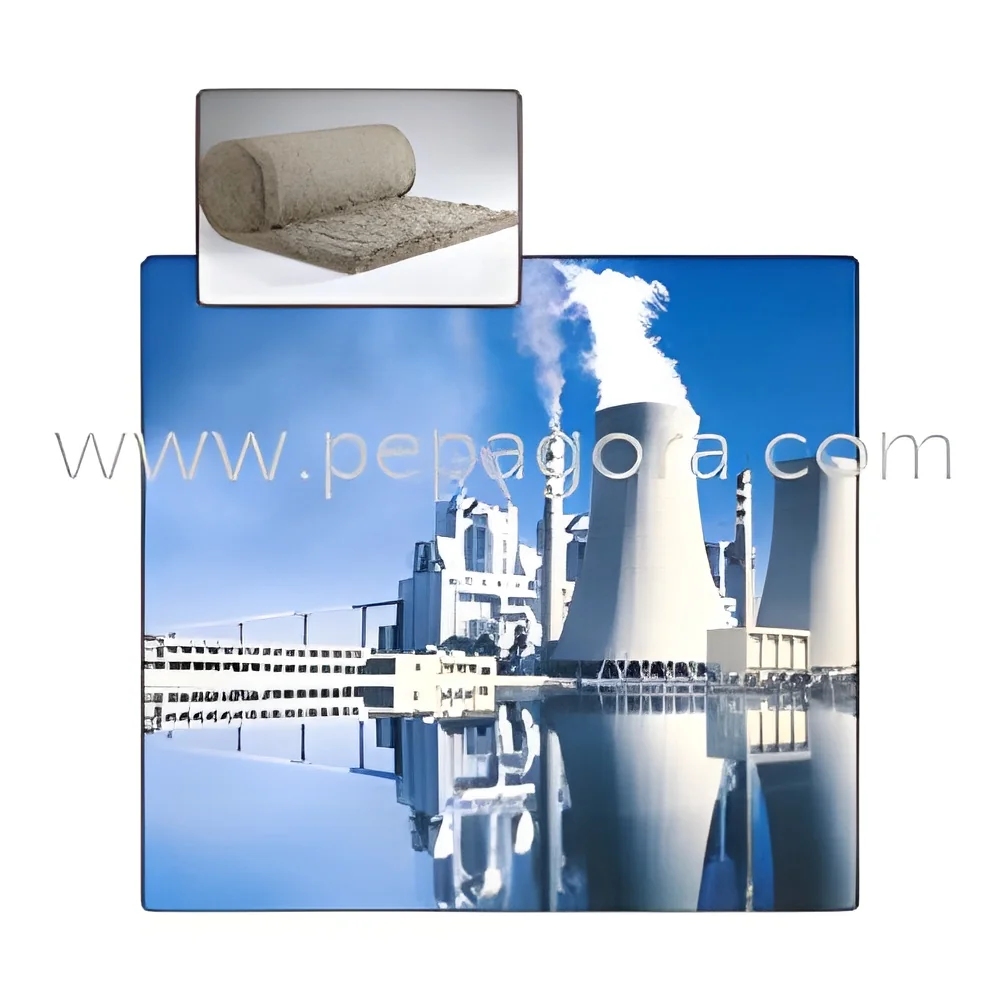
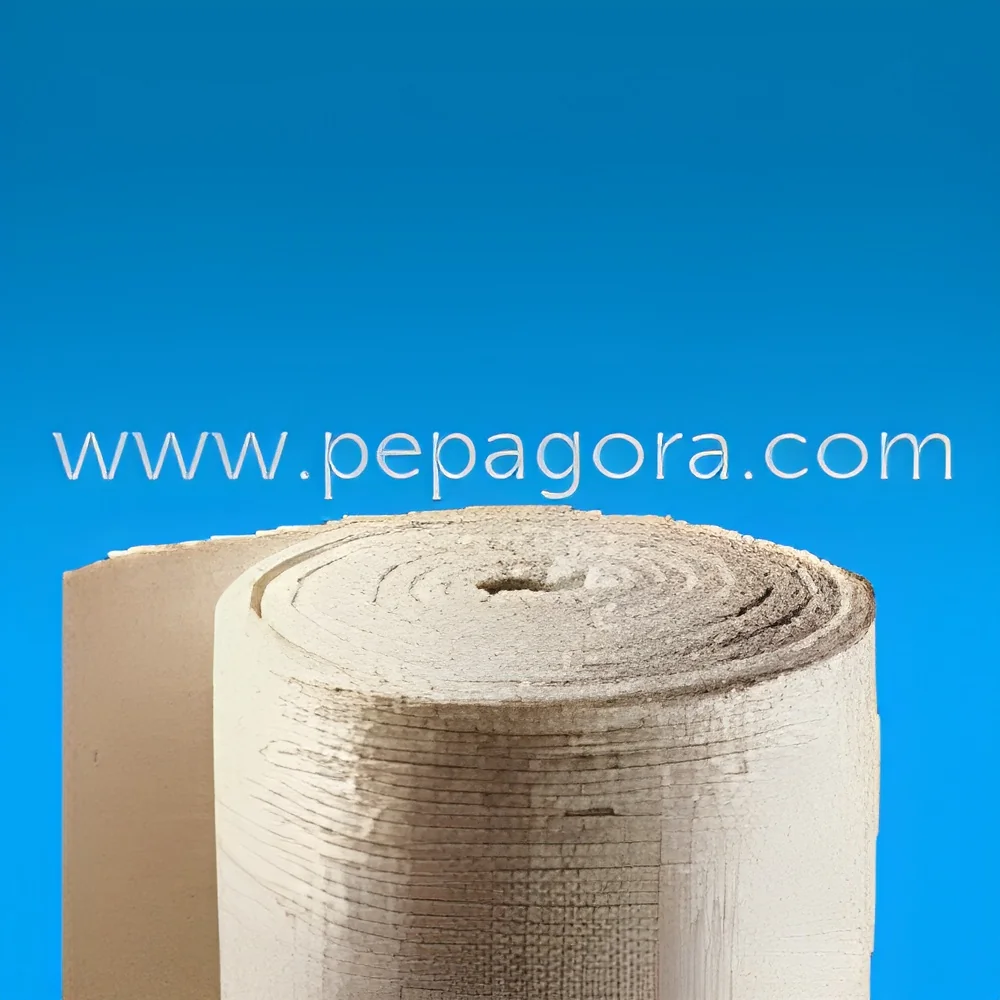
Industrial packing loose wool represents a fundamental sealing solution crafted from premium unbonded wool fibers. This natural material excels in creating secure seals and thermal barriers where synthetic alternatives prove inadequate. Its unique fibrous structure allows exceptional conformity to irregular surfaces, ensuring complete coverage and protection in demanding applications. Industrial operations worldwide trust loose wool for consistent performance in challenging environments, from high-temperature applications to heavy machinery components. The material's natural properties provide inherent resistance to heat compression and degradation, making it a preferred choice for professionals seeking reliable, long-lasting packing solutions that withstand operational stresses.

Multiple industries incorporate loose wool into their critical operations due to its versatile protective qualities and natural composition. The automotive sector relies on it for muffler insulation and exhau...
Industrial packing loose wool represents a fundamental sealing solution crafted from premium unbonded wool fibers. This natural material excels in creating secure seals and thermal barriers where synthetic alternatives prove inadequate. Its unique fibrous structure allows exceptional conformity to irregular surfaces, ensuring complete coverage and protection in demanding applications. Industrial operations worldwide trust loose wool for consistent performance in challenging environments, from high-temperature applications to heavy machinery components. The material's natural properties provide inherent resistance to heat compression and degradation, making it a preferred choice for professionals seeking reliable, long-lasting packing solutions that withstand operational stresses.

Multiple industries incorporate loose wool into their critical operations due to its versatile protective qualities and natural composition. The automotive sector relies on it for muffler insulation and exhaust system components where temperatures regularly exceed safe limits for synthetic materials. Manufacturing plants utilize loose wool for oven insulation and equipment packing, while plumbing and pipeline companies depend on it for flange gaskets and valve box sealing. Chemical processing facilities value its natural resistance to various substances, and construction companies apply it in industrial equipment requiring thermal management. This widespread adoption across sectors demonstrates the material's fundamental utility in maintaining operational safety, efficiency, and equipment longevity.

Businesses choosing loose wool gain significant value through reduced maintenance costs and extended equipment lifespan. The material's natural composition ensures consistent performance without the degradation common in synthetic alternatives, providing reliable sealing and insulation through numerous operational cycles. Its flexibility allows for perfect adaptation to specific industrial requirements, whether for standard flange sizes or specialized equipment configurations. The reliability of wool as a natural insulator translates to fewer replacements, less downtime, and improved safety compliance. These factors combine to deliver exceptional return on investment for operations prioritizing equipment protection, operational efficiency, and long-term performance reliability.

Key Features:
- Unbonded natural wool fibers providing superior flexibility and surface conformity
- High-temperature resistance suitable for demanding industrial applications
- Natural material composition ensuring consistent performance and reliability
- Excellent compression recovery maintaining seal integrity under pressure
- Adaptable packing suitable for various equipment specifications and requirements

Benefits:
- Superior thermal insulation protecting equipment from extreme temperatures
- Reliable sealing performance reducing maintenance needs and downtime
- Long-lasting material durability extending equipment service life
- Natural composition ensuring safety and environmental compatibility
- Cost-effective solution providing excellent value through reduced replacements
Specifications
| Additional Information | |
|---|---|
| Country of Origin | India |
Application
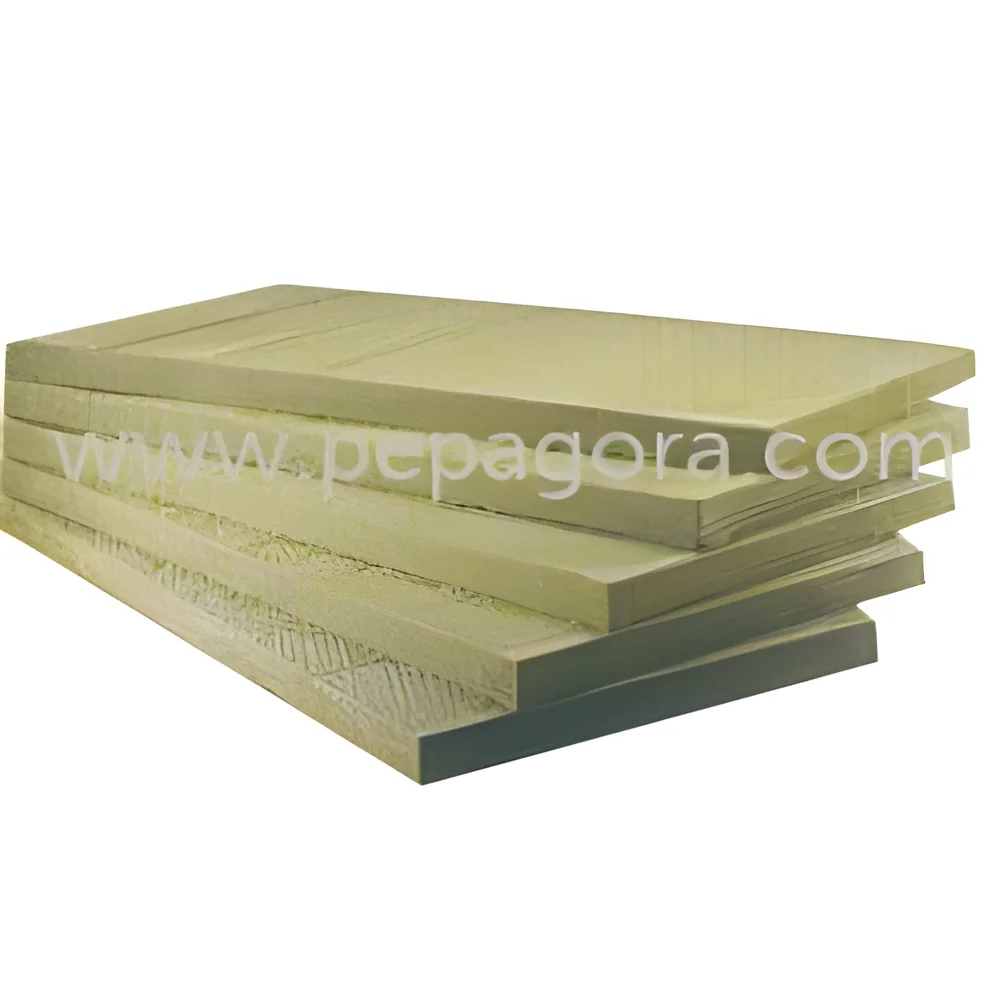
Industrial packing loose wool serves as an essential sealing material across multiple sectors due to its natural resilience and thermal properties. The unbonded structure allows flexible application in irregular spaces, creating effective seals in high-temperature environments where synthetic alternatives would degrade. This makes it indispensable for equipment requiring reliable thermal insulation and pressure containment in challenging conditions.
Manufacturers value this wool for its adaptability to various packing requirements and consistent performance under stress. It conforms perfectly to flange surfaces, valve assemblies, and muffler components without breaking down over time. Industries rely on this material for long-term reliability, reduced maintenance costs, and compliance with industrial safety standards across diverse applications and operating conditions.
- Flange gasket packing in pipeline systems and industrial plumbing installations
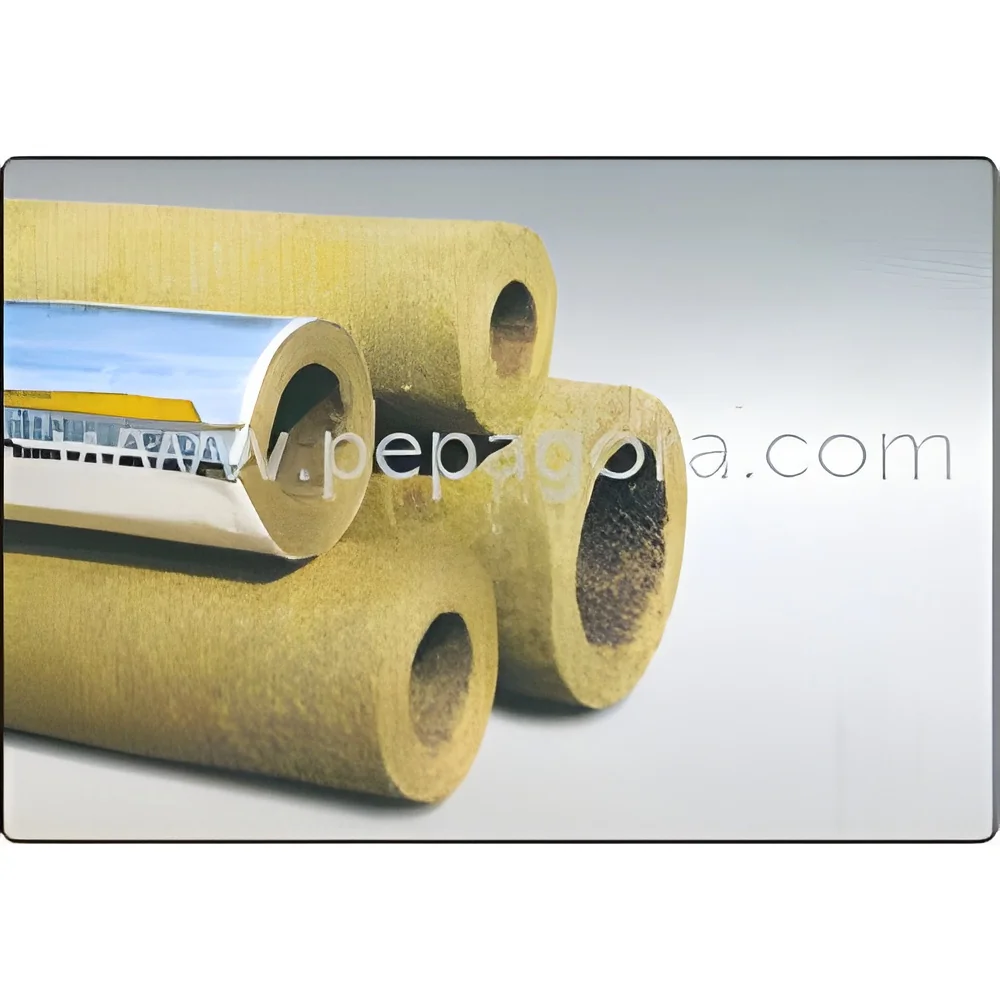
- Thermal insulation in automobile mufflers and exhaust system components
- Valve box sealing for chemical processing plants and water treatment facilities
- High-temperature oven insulation for manufacturing operations and food processing
- Industrial equipment packing for machinery protection and thermal management
Trade Details
| Available Stock | In Stock |
| Sample Availability | No |
Payment Terms
| Payment Terms |
|
Company Profile
Kavita Trading Co, Maharashtra
 Maharashtra, India
Maharashtra, IndiaTrading Company•Distributor / Wholesaler•Importer / Exporter
Factory Details
Factory SizeBelow 1000 sqm
Annual Production Capacity0
Industrial Packing Loose Wool For Flanges And Mufflers
Premium industrial packing loose wool for flanges and mufflers provides superior thermal insulation and sealing. Natural unbonded wool offers reliable performance in high-temperature applications and demanding industrial environments.
Min. Order Quantity: 1 unit
Shipping
Shipping fee and delivery date to be negotiated. Contact supplier now for more details.
Kavita Trading Co
 Maharashtra, India
Maharashtra, IndiaTrading Company