What are Attendance & HRMS Software?
Attendance and Human Resource Management System (HRMS) software is a comprehensive solution designed to streamline and automate the processes related to employee attendance, payroll, and human resource management. This software helps organizations manage employee time tracking, attendance records, leave management, and performance evaluations. By integrating various HR functions into one platform, it enhances efficiency and reduces administrative burdens.
These systems are primarily used by businesses to monitor employee attendance, calculate payroll, and maintain compliance with labor regulations. They facilitate accurate record-keeping, which is essential for both operational effectiveness and legal compliance. Additionally, HRMS software often includes features for performance management, recruitment, and employee self-service, making it a versatile tool for HR departments.
In the current market, Attendance and HRMS software is gaining traction across various industries, including manufacturing, healthcare, IT, and retail. The increasing need for efficient workforce management, coupled with advances in cloud technology, has made it easier for companies to adopt these solutions. As businesses continue to prioritize employee satisfaction and operational efficiency, the demand for robust HRMS software is expected to rise.
Key Features and Specifications
Attendance and HRMS software comes equipped with a variety of features that cater to the needs of modern businesses. These features help organizations automate routine tasks and gain insights into their workforce. Understanding the key specifications is crucial for selecting the right software.
Key specifications include:
1. Time Tracking
- Allows employees to clock in and out digitally.
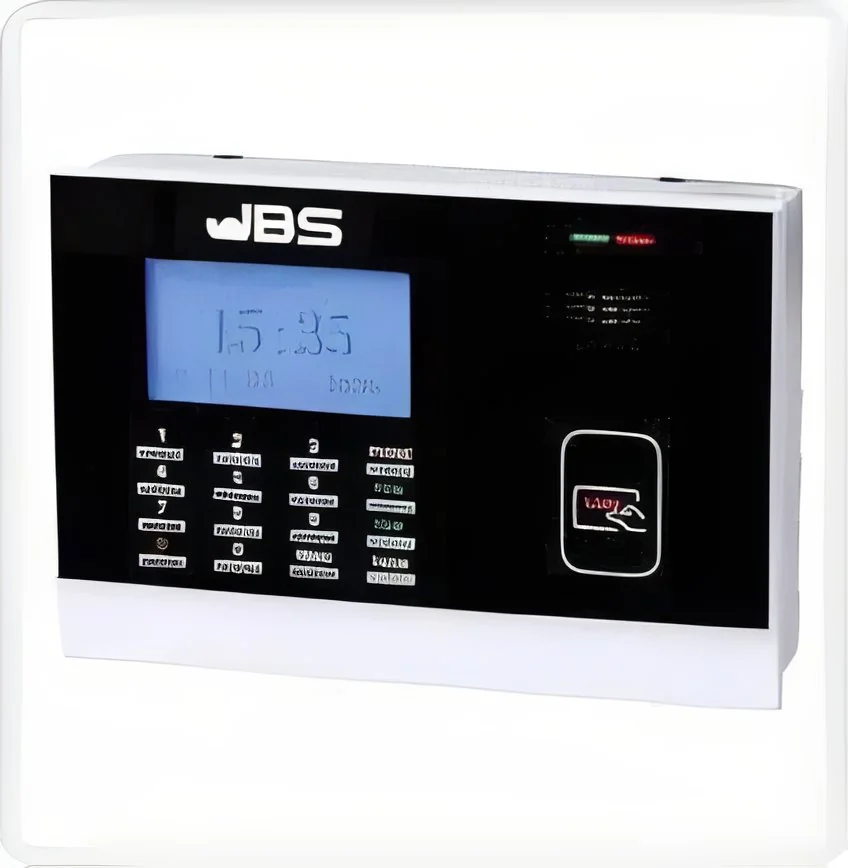
- Supports various input methods, such as web, mobile, and biometric systems.
2. Payroll Management
- Automates payroll calculations based on attendance data.
- Integrates with tax regulations and compliance requirements.
3. Leave Management
- Facilitates the submission and approval of leave requests.
- Tracks different types of leave, such as sick, vacation, and unpaid leave.
4. Performance Management
- Offers tools for evaluating employee performance.
- Supports goal setting and feedback mechanisms.
5. Employee Self-Service
- Empowers employees to access their data and manage personal information.
- Includes functionalities for updating contact details and viewing payslips.
6. Reporting and Analytics
- Provides real-time data analytics and reporting capabilities.
- Helps identify trends in employee attendance and performance.
7. Integration Capabilities
- Connects with other business systems, such as accounting and ERP software.
- Ensures seamless data flow across platforms.
8. Compliance Management
- Monitors compliance with labor laws and regulations.
- Provides alerts for upcoming compliance deadlines.
In summary, the key features and specifications of Attendance and HRMS software are designed to enhance the efficiency of HR processes while providing valuable insights into workforce management.
Common Applications and Use Cases
Attendance and HRMS software serves a variety of industries, each with specific applications that address unique workforce challenges.
1. Manufacturing: In manufacturing, this software helps track employee hours on the production floor, ensuring compliance with labor laws and optimizing labor costs.
2. Healthcare: Healthcare organizations use HRMS software to manage shift scheduling, track certifications, and ensure compliance with regulations while simplifying payroll processes.
3. IT: IT companies leverage this software to monitor remote employee attendance, manage project-based work hours, and streamline resource allocation.
4. Retail: Retail businesses utilize HRMS software to coordinate employee schedules, manage seasonal hiring, and optimize labor costs during peak seasons.
5. Education: Educational institutions apply this software to manage faculty attendance, track professional development, and streamline payroll for staff.
6. Hospitality: The hospitality industry benefits from HRMS software by managing shift rotations, tracking employee performance, and ensuring compliance with local labor laws.
7. Construction: Construction firms use this software to track hours worked on various projects, manage subcontractors, and ensure safety compliance.
Product Variants and Subcategories
Attendance and HRMS software is not a one-size-fits-all solution; it comes in various forms to meet diverse business needs.
Cloud-Based HRMS: This variant offers flexibility and accessibility, allowing users to access the system from anywhere with an internet connection. It is ideal for businesses with remote employees.
On-Premise HRMS: This variant is installed locally on a company's servers. It provides more control over data security and customization options, making it suitable for larger organizations with complex needs.
Mobile HRMS: A mobile-focused version of HRMS software enables employees to manage their attendance and access HR functions through smartphones. This variant is useful for businesses with a mobile workforce.
All-in-One HRMS: This comprehensive solution integrates various HR functions, including recruitment, performance management, and payroll, into one platform. It is ideal for organizations looking for a holistic approach to HR management.
Benefits and Advantages
Implementing Attendance and HRMS software brings numerous benefits to organizations.
Key benefits include:
1. Increased Efficiency: Automating administrative tasks reduces the time spent on manual processes, allowing HR teams to focus on strategic initiatives.
2. Enhanced Accuracy: By minimizing human error in attendance tracking and payroll calculations, the software ensures accurate records and compliance.
3. Improved Employee Satisfaction: Self-service features empower employees to manage their information, leading to higher engagement and satisfaction.
4. Data-Driven Insights: Reporting capabilities provide valuable insights into workforce trends, enabling informed decision-making.
5. Compliance Management: The software helps organizations stay compliant with labor laws and regulations, reducing the risk of legal issues.
6. Scalability: Many HRMS solutions can grow with the organization, accommodating changes in workforce size and complexity.
Buying Guide for B2B Buyers
When sourcing Attendance and HRMS software, several factors should be considered to ensure you choose the right solution for your organization.
1. Quality Assessment: Evaluate the software's features, user interface, and customer reviews to ensure it meets your business needs. Look for solutions that have a proven track record in your industry.
2. Supplier Verification: Vet potential suppliers by checking their credentials, customer testimonials, and support services. A reliable supplier should have a strong reputation in the market.
3. Pricing and MOQ: Consider the cost of the software, including any hidden fees, and assess the minimum order quantity. Ensure that the pricing structure aligns with your budget.
4. Delivery and Lead Times: Inquire about the implementation timeline and support during the transition phase. A clear understanding of lead times can help in planning.
5. Compliance Requirements: Confirm that the software meets relevant compliance standards for your industry, ensuring it can handle any regulatory needs.
Compliance and Certifications
Attendance and HRMS software must adhere to various compliance and certification standards to ensure quality and reliability.
Relevant quality standards include ISO 9001, which focuses on quality management systems, ensuring that organizations consistently provide products and services that meet customer and regulatory requirements.
Additionally, industry certifications such as CE indicate that the software meets European health, safety, and environmental protection standards. This certification is essential for software used in regulated industries.
Organizations should also consider safety and testing requirements when selecting software. Compliance with data protection regulations is crucial, especially in industries handling sensitive employee information.
Finally, regional compliance considerations may vary, so it is essential to ensure that the software meets local labor laws and industry-specific regulations.
Why Source Attendance & HRMS Software from Pepagora?
Pepagora offers a trusted platform for sourcing Attendance and HRMS software, providing several key advantages for B2B buyers.
Verified Supplier Network: Pepagora has a robust network of verified suppliers, ensuring that buyers can access high-quality products from reputable manufacturers. This network helps streamline the sourcing process and mitigate risks.
Streamlined RFQ Process: The platform simplifies the request for quotation (RFQ) process, allowing buyers to receive competitive quotes from multiple suppliers quickly. This efficiency saves time and enhances decision-making.
Trade Assurance and Support: Buyers benefit from trade assurance and dedicated support throughout the purchasing process. This protection fosters trust and confidence in transactions.
Regional Coverage: Pepagora's extensive reach across India, the GCC, and Southeast Asia provides buyers with access to a diverse range of suppliers and products. This regional coverage helps organizations find the right Attendance and HRMS software tailored to their specific needs.

 IN
IN