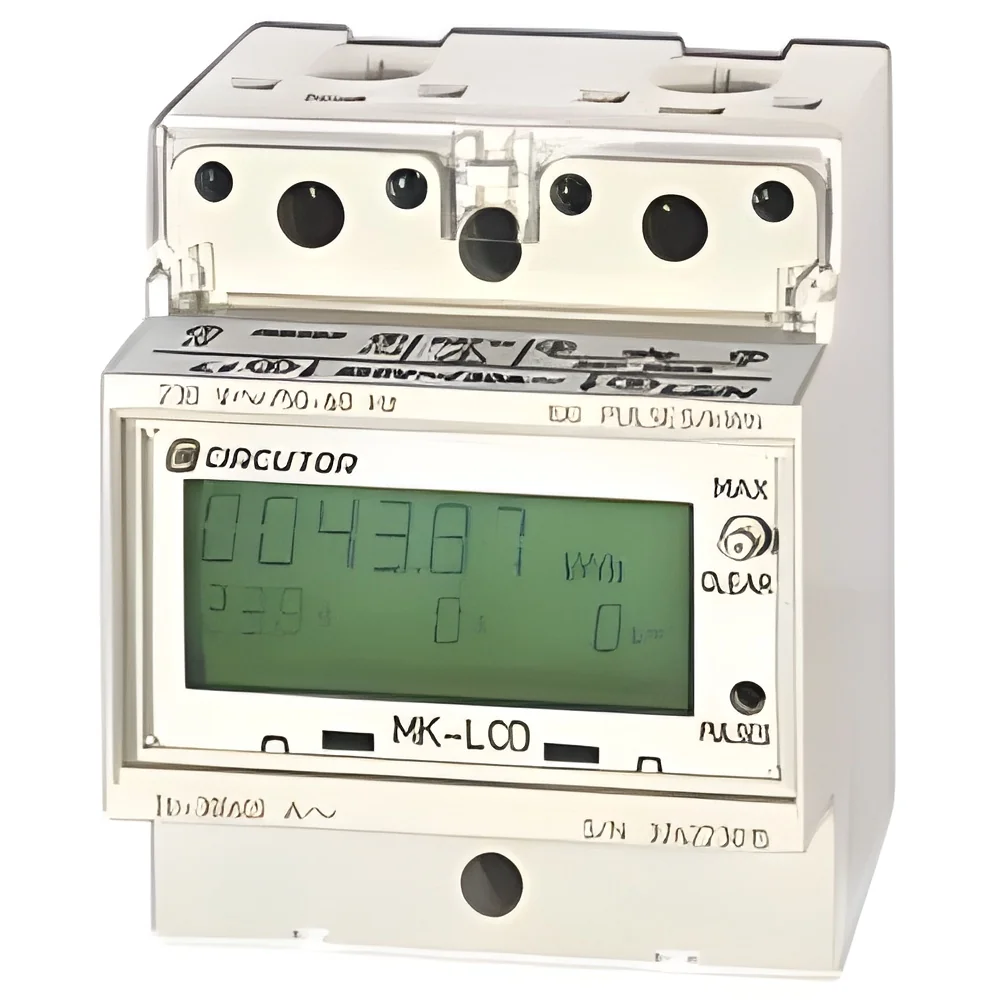
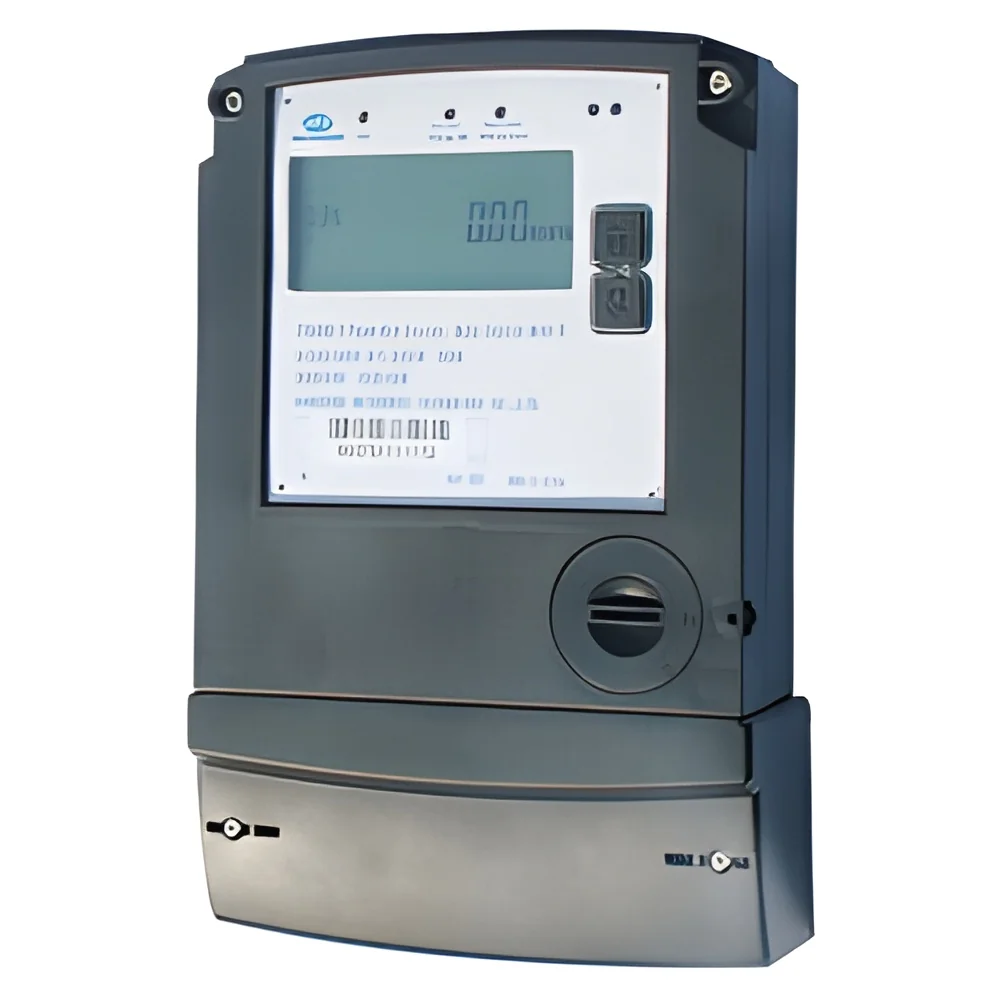
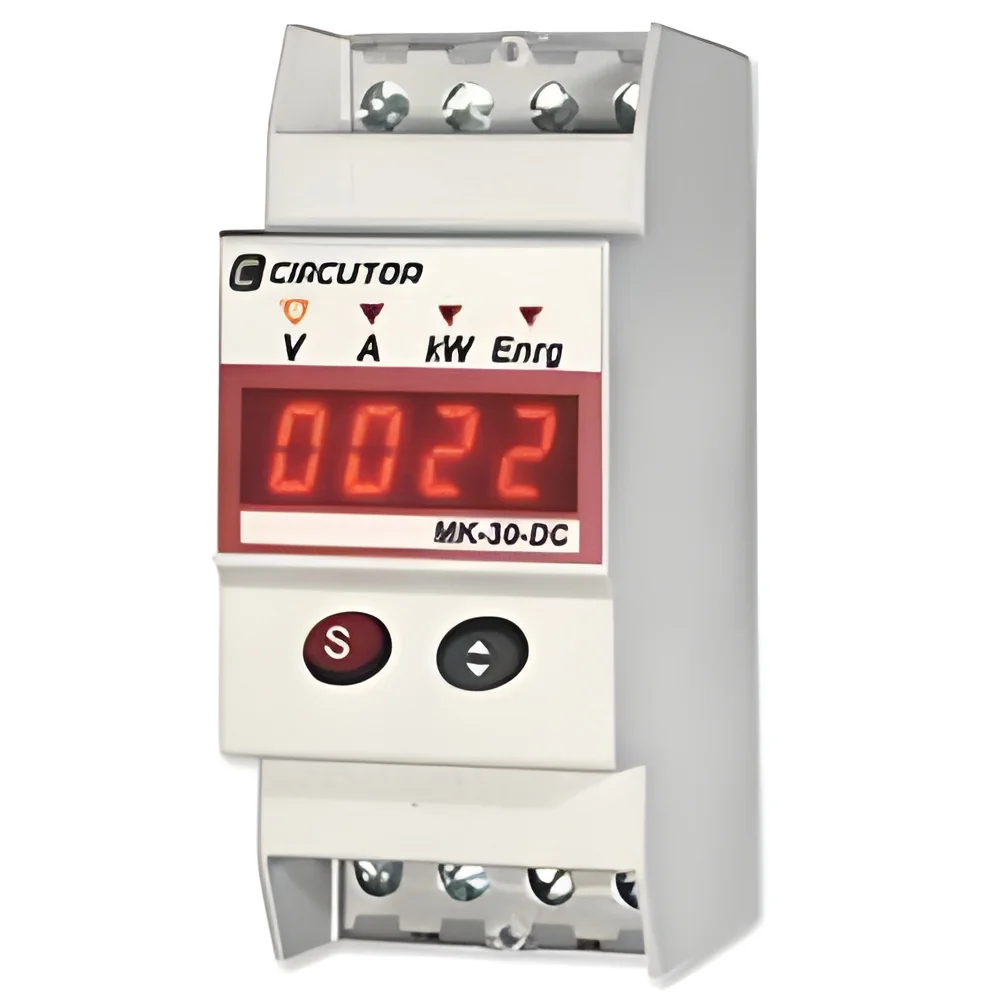
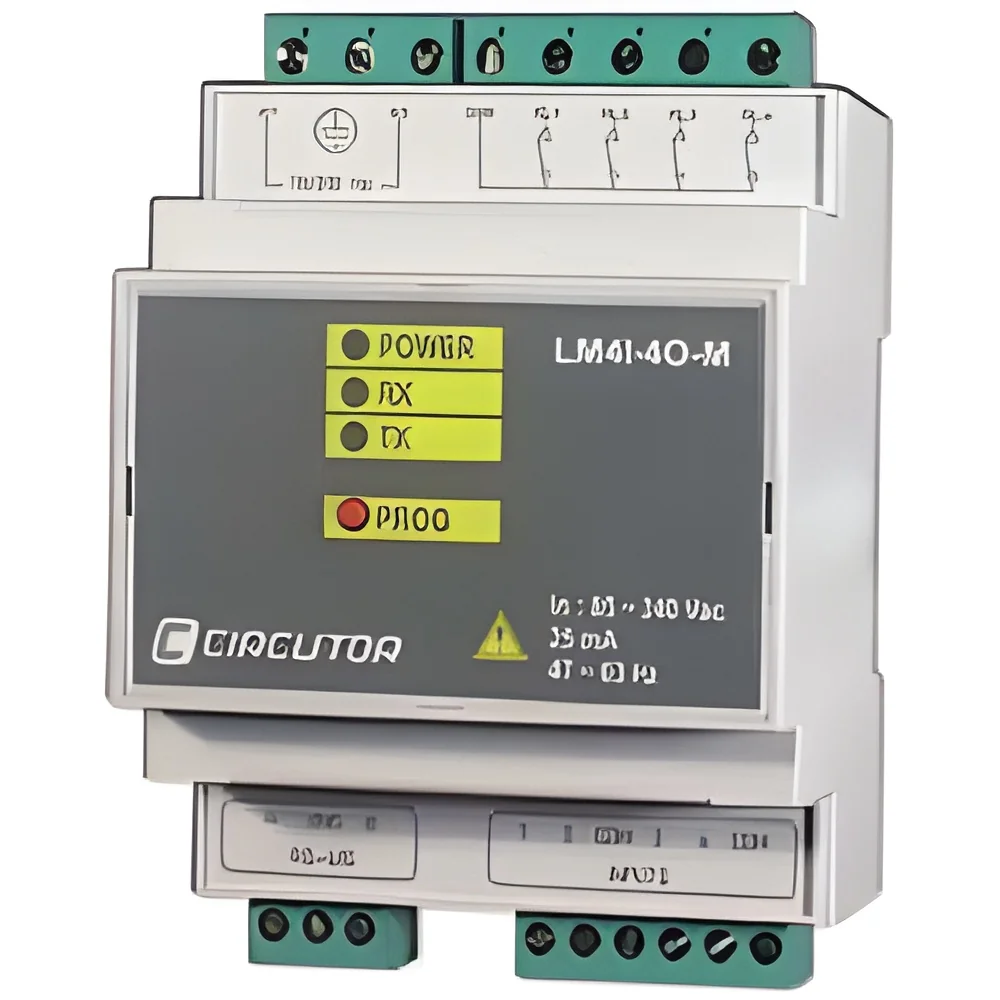
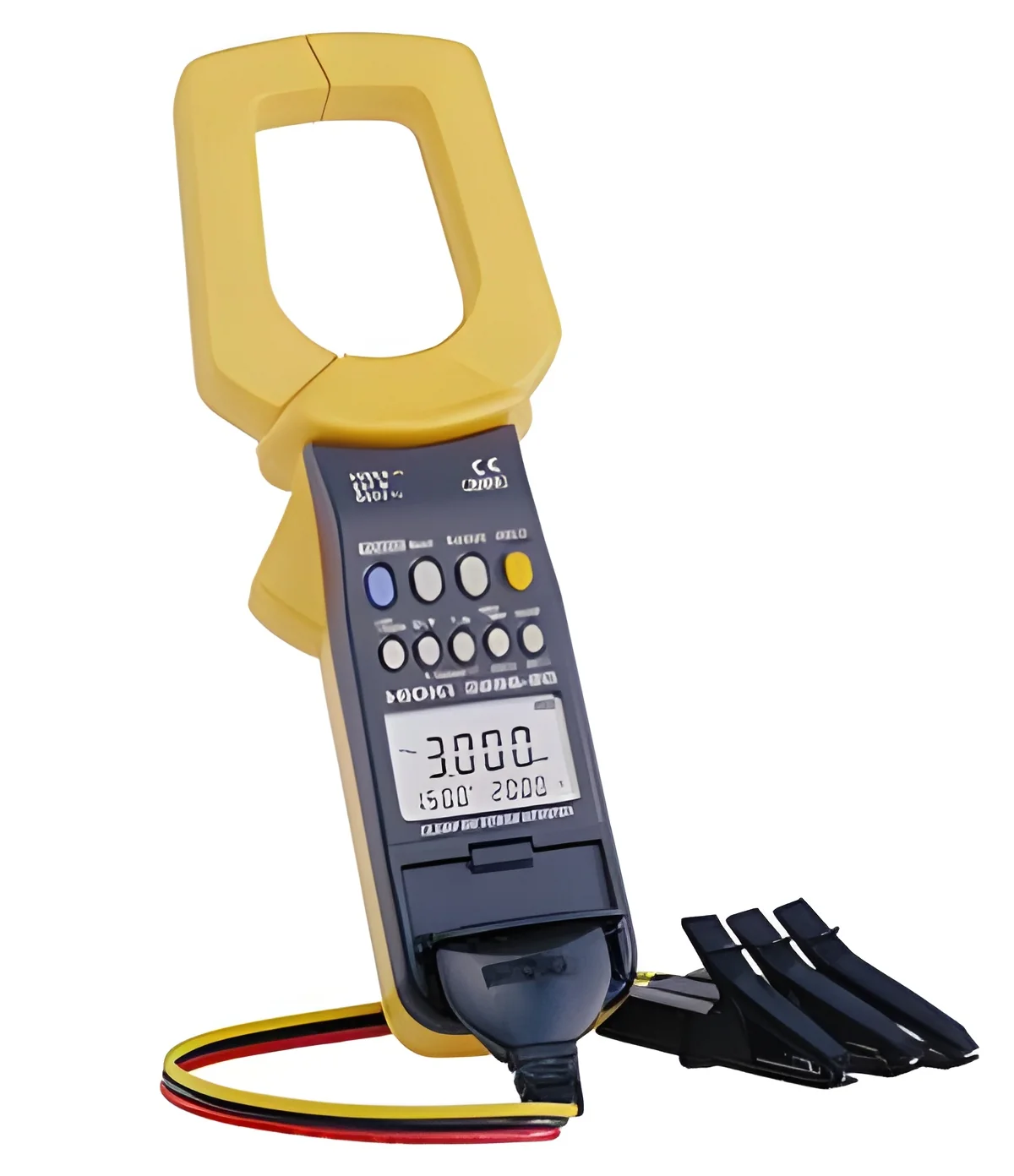
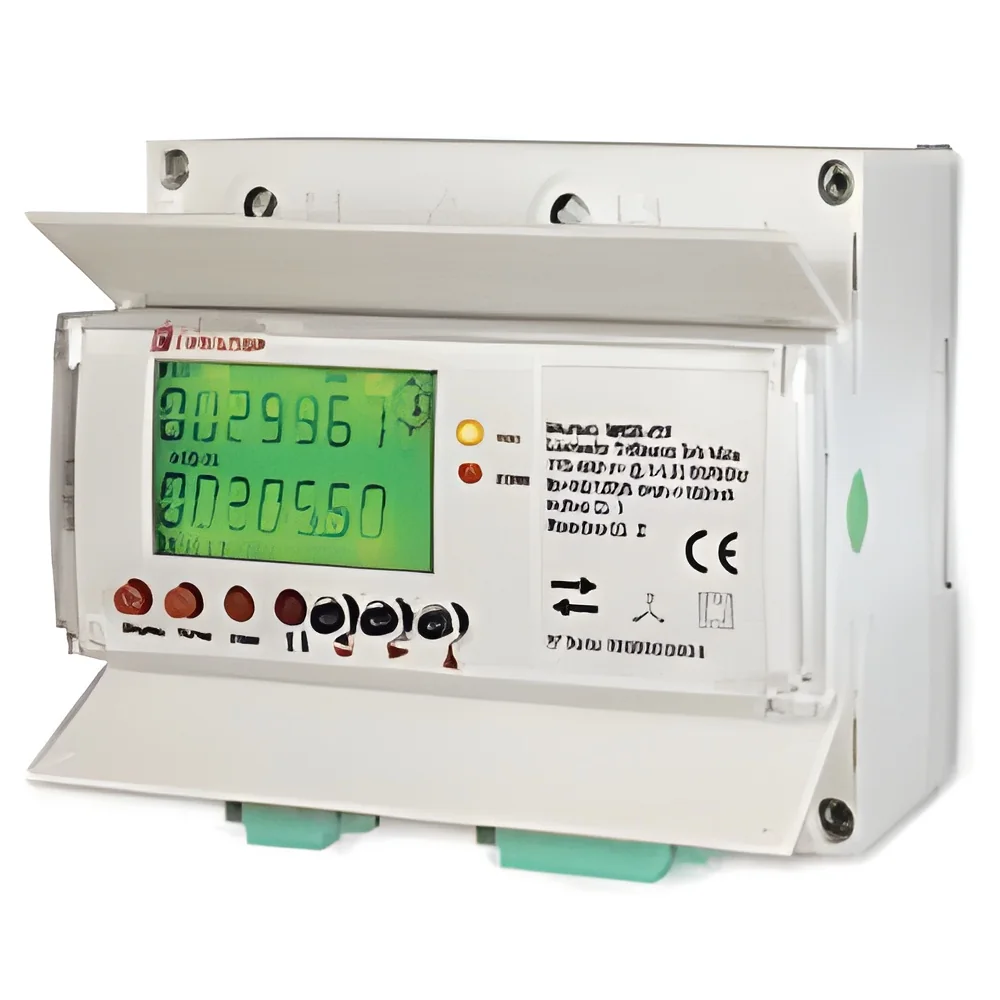
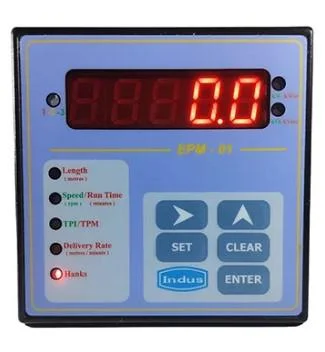
What are Energy Monitoring Systems?
Energy Monitoring Systems are advanced tools designed to track, analyze, and optimize energy consumption in various settings, including industrial, commercial, and residential environments. These systems utilize sensors and software to collect data on energy use, helping businesses identify inefficiencies and implement strategies to reduce energy costs. By monitoring real-time energy usage, organizations can make informed decisions about their energy consumption patterns.
The primary uses of Energy Monitoring Systems include enhancing energy efficiency, minimizing operational costs, and ensuring compliance with regulatory standards. Businesses can leverage this data to develop energy management strategies, leading to sustainability initiatives that improve their environmental footprint. The relevance of these systems is underscored by a growing emphasis on energy conservation and cost efficiency across industries, making them vital in today's market.
As organizations increasingly strive for sustainability, Energy Monitoring Systems have become essential tools for achieving energy efficiency goals. With the rise of smart technology, these systems are also evolving, integrating with building management systems and the Internet of Things (IoT) to provide comprehensive energy insights.
Key Features and Specifications
Energy Monitoring Systems come equipped with a variety of features that enhance their functionality and usability. These features enable businesses to effectively monitor and manage their energy consumption.
Key specifications include:
1. Real-Time Monitoring
- Provides instant data on energy usage.
- Allows for immediate response to inefficiencies.
2. Data Analytics
- Offers in-depth analysis of energy consumption patterns.
- Supports trend identification for better forecasting.
3. Integration Capabilities
- Compatible with existing building management systems.
- Facilitates seamless communication between devices.
4. User-Friendly Interface
- Intuitive dashboards for easy access to data.
- Customizable views to suit user preferences.
5. Alerts and Notifications
- Sends alerts for unusual energy consumption.
- Notifies users about potential issues.
6. Reporting Features
- Generates detailed reports on energy usage.
- Aids in compliance and regulatory reporting.
7. Historical Data Storage
- Retains past energy consumption data for analysis.
- Enables long-term trend analysis.
8. Remote Access
- Allows users to monitor energy usage from anywhere.
- Supports mobile and web-based access.
In summary, these specifications enhance the functionality and effectiveness of Energy Monitoring Systems, providing users with essential tools for efficient energy management.
Common Applications and Use Cases
Energy Monitoring Systems are utilized across a broad range of industries to optimize energy consumption and reduce costs.
1. Manufacturing: These systems help manufacturers track energy use in machinery and processes, identifying areas for efficiency improvements.
2. Commercial Buildings: In office settings, energy monitoring helps manage lighting, heating, and cooling systems, leading to significant cost savings.
3. Retail: Retailers use energy monitoring to assess energy consumption patterns across multiple locations, allowing for centralized energy management.
4. Healthcare: Hospitals and clinics benefit from these systems by ensuring critical systems operate efficiently while managing high energy demands.
5. Education: Schools and universities utilize energy monitoring to manage energy use in buildings, promoting sustainability and cost savings.
6. Data Centers: Energy monitoring is essential for data centers, where managing cooling and power consumption is critical for operational efficiency.
7. Hospitality: Hotels employ these systems to optimize energy use in guest rooms, restaurants, and common areas, enhancing guest experience while reducing costs.
Product Variants and Subcategories
Energy Monitoring Systems come in various configurations to meet diverse business needs.
Basic Energy Monitors: These entry-level systems provide essential monitoring capabilities, allowing businesses to track energy consumption without extensive features. They are suitable for small businesses looking to start their energy management journey.
Advanced Energy Management Systems: These comprehensive systems include features like data analytics, integration capabilities, and reporting functions. They are ideal for larger organizations that require detailed energy insights and management.
Wireless Energy Monitoring Systems: Offering flexibility in installation, these systems use wireless technology to monitor energy consumption without the need for extensive wiring. They are perfect for businesses seeking a quick and efficient setup.
Benefits and Advantages
Energy Monitoring Systems offer numerous advantages to businesses aiming to improve their energy efficiency.
Key benefits include:
1. Cost Savings: By identifying inefficiencies, businesses can reduce energy costs significantly.
2. Enhanced Efficiency: These systems provide insights that lead to better energy management and operational efficiency.
3. Sustainability: Energy Monitoring Systems support sustainability initiatives by helping organizations lower their carbon footprint.
4. Regulatory Compliance: They assist businesses in meeting energy compliance standards and regulations.
5. Improved Decision Making: Access to real-time data allows for informed decision-making regarding energy usage and investments.
6. Increased Reliability: Continuous monitoring helps prevent equipment failures and reduces downtime.
Buying Guide for B2B Buyers
When sourcing Energy Monitoring Systems, several key factors should be considered to ensure optimal selection.
1. Quality Assessment: Evaluate the quality of the systems by considering manufacturer reputation, user reviews, and performance history.
2. Supplier Verification: Vet suppliers through background checks, references, and industry certifications to ensure reliability and trustworthiness.
3. Pricing and MOQ: Understand the pricing structure and minimum order quantities to align with budget constraints and business needs.
4. Delivery and Lead Times: Clarify logistics details, including delivery timelines and shipping options, to avoid operational delays.
5. Compliance Requirements: Investigate any regulatory compliance required for energy monitoring systems, ensuring they meet industry standards.
Compliance and Certifications
Energy Monitoring Systems are subject to various quality standards and certifications that ensure their reliability and safety.
ISO 9001 is a relevant quality standard that focuses on quality management systems, ensuring that manufacturers maintain a high level of quality in their products.
Additionally, the CE marking indicates that the product complies with European health, safety, and environmental protection standards. This certification is vital for businesses operating within or exporting to the European market.
Safety and testing requirements are also critical to ensure that the systems are safe for use in various applications. Companies should ensure that their energy monitoring systems have undergone rigorous testing to verify their reliability and performance.
Regional compliance considerations may also play a role, as different regions may have specific regulations governing energy monitoring systems.
Why Source Energy Monitoring Systems from Pepagora?
Pepagora offers a trusted platform for sourcing Energy Monitoring Systems, providing several advantages that enhance the purchasing experience.
The Verified Supplier Network ensures that all suppliers meet stringent criteria for quality and reliability. This network allows businesses to connect with reputable manufacturers, reducing the risk associated with procurement.
The Streamlined RFQ Process simplifies the quotation system, enabling buyers to easily request prices and compare options from multiple suppliers. This feature saves time and effort in the sourcing process.
Trade Assurance and Support provide buyers with added protection, ensuring that transactions are secure and that support is available for any issues that may arise.
Finally, Pepagora's Regional Coverage extends across India, the GCC, and Southeast Asia, ensuring that businesses in these areas have access to quality Energy Monitoring Systems tailored to their specific needs.

 IN
IN