
 IN
Anti-Cellulite Creams
2 products available
What are Anti-Cellulite Creams?
Anti-cellulite creams are topical products designed to reduce the appearance of cellulite on the skin. Cellulite is a common cosmetic condition characterized by dimpled skin, often occurring on the thighs, hips, and abdomen. These creams typically contain a combination of active ingredients aimed at improving skin texture and firmness, promoting circulation, and breaking down fat deposits.
The primary uses of anti-cellulite creams are in the beauty and wellness industries. They are marketed to consumers looking for solutions to improve skin appearance and reduce the visibility of cellulite. Businesses such as spas, salons, and wellness centers often incorporate these creams into their offerings, providing clients with treatments that enhance skin appearance and boost confidence.
The market for anti-cellulite creams has grown significantly in recent years, driven by increasing consumer awareness about body image and personal care. This growth has led to a variety of formulations and brands competing in the marketplace, catering to different consumer preferences and price points.
Key Features and Specifications
Anti-cellulite creams come with a range of features designed to appeal to different market segments. These specifications help businesses identify the right products for their needs.
Key specifications include:
1. Active Ingredients
- Common ingredients include caffeine, retinol, and natural extracts.
- These ingredients are known for their ability to enhance skin elasticity and promote fat breakdown.
2. Texture and Absorption
- Creams may vary in texture from lightweight gels to thicker creams.
- Fast absorption rates are often preferred for ease of use and consumer satisfaction.
3. Packaging Options
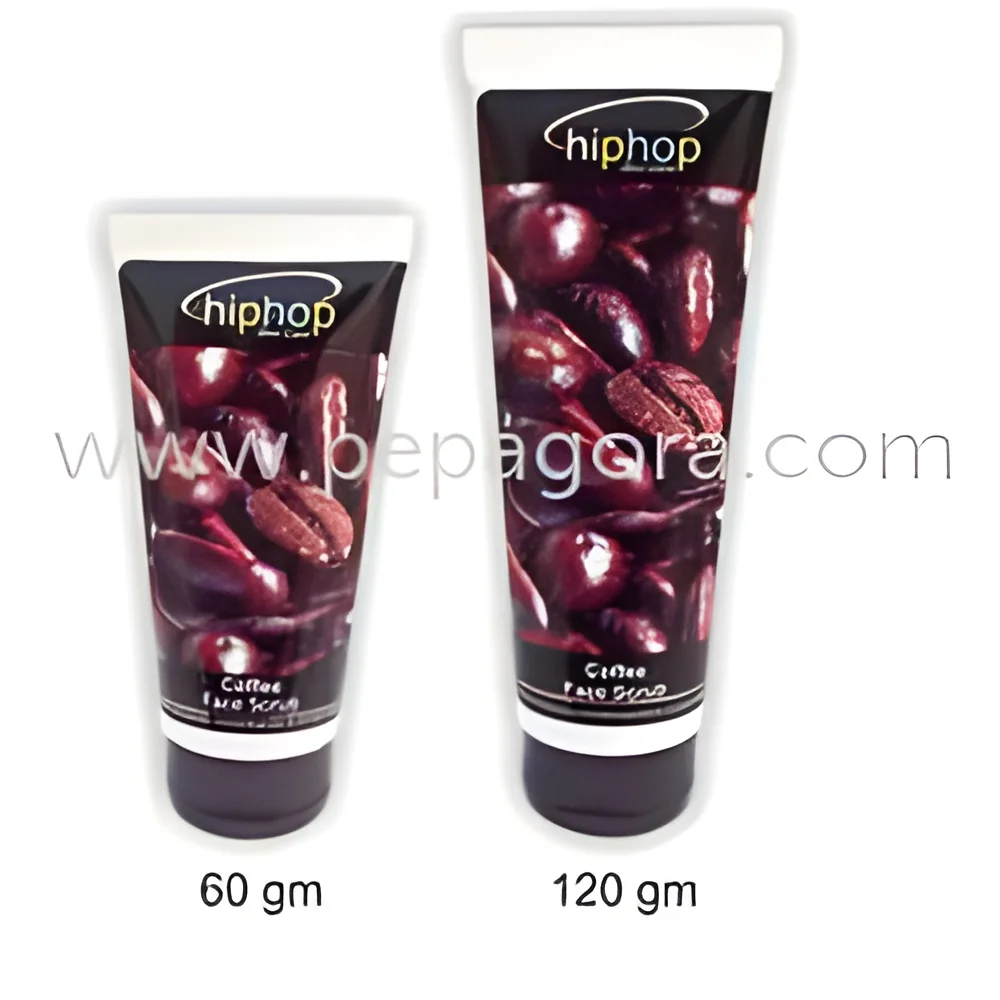
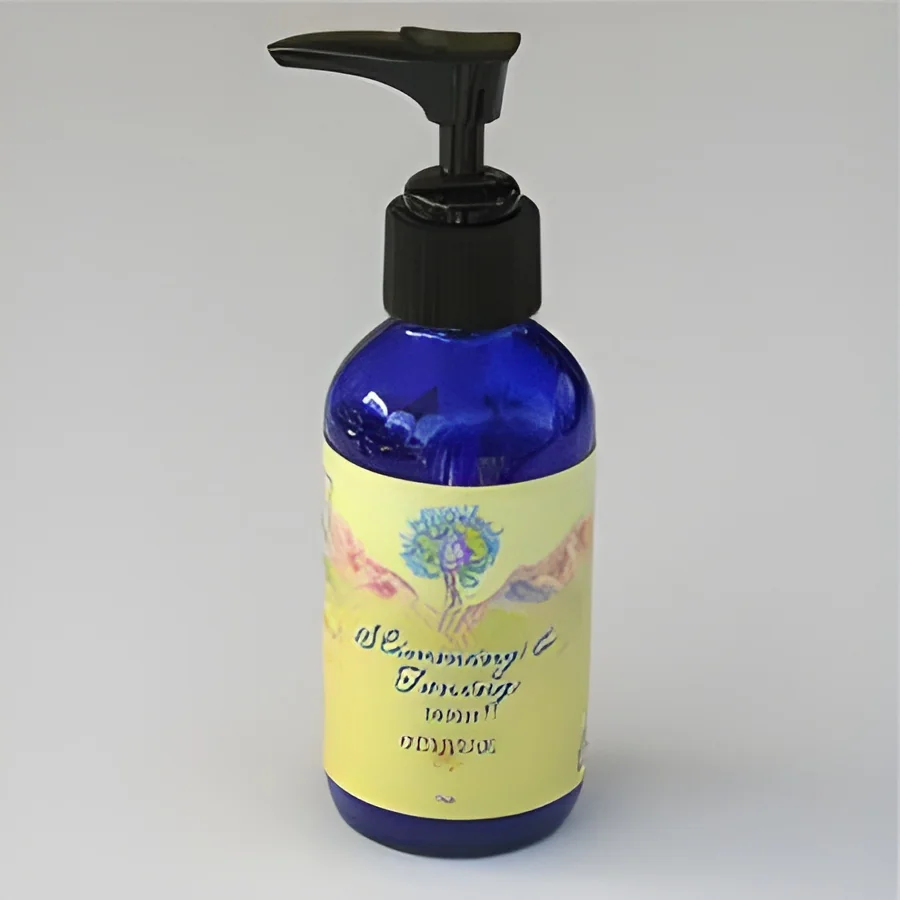
- Available in tubes, jars, or pump dispensers.
- Packaging design can influence consumer choice and brand perception.
4. Shelf Life
- Typically, the shelf life of anti-cellulite creams can range from 12 to 24 months.
- Proper storage conditions can affect product longevity and efficacy.
5. Dermatological Testing
- Many brands conduct dermatological testing to ensure safety and effectiveness.
- Testing results can enhance product credibility and consumer trust.
6. Fragrance Options
- Some creams are available in scented or unscented formulations.
- Fragrance can affect user experience and satisfaction.
7. Vegan and Cruelty-Free Certifications
- Increasingly, consumers are looking for vegan and cruelty-free products.
- Certifications can appeal to ethically conscious buyers.
8. Price Range
- Prices can vary widely based on brand and formulation.
- Typical price ranges may start from budget-friendly to premium offerings.
In summary, the key features and specifications of anti-cellulite creams are designed to meet diverse customer needs and market demands, making it essential for businesses to understand these elements when sourcing products.
Common Applications and Use Cases
Anti-cellulite creams serve various industries, each with unique applications.
1. Beauty Salons: Salons use anti-cellulite creams in treatments aimed at improving skin appearance and providing clients with a spa-like experience.
2. Spas: Many spas incorporate these creams into body treatments, often combined with massage techniques to enhance absorption and effectiveness.
3. Retail: Cosmetic retailers stock a variety of anti-cellulite creams to meet consumer demand for personal care products that address body image concerns.
4. Fitness Centers: Gyms and fitness centers may offer these creams as part of post-workout skincare routines, promoting skin health alongside physical fitness.
5. Dermatology Clinics: Some clinics recommend anti-cellulite creams as part of a broader skincare regimen for clients seeking to improve skin texture.
6. E-commerce Platforms: Online retailers have become significant players in the distribution of anti-cellulite creams, offering a wide range of products to consumers.
7. Health and Wellness Events: Trade shows and wellness fairs often feature anti-cellulite creams, allowing brands to showcase their products to potential buyers.
Product Variants and Subcategories
The diversity in anti-cellulite creams allows businesses to cater to various consumer preferences and needs.
Hydrating Anti-Cellulite Creams: These formulations not only target cellulite but also focus on moisturizing the skin. They often contain ingredients like hyaluronic acid to enhance skin hydration.
Firming Anti-Cellulite Creams: Designed to promote skin firmness, these creams typically include collagen-boosting ingredients that help improve elasticity and reduce the appearance of sagging skin.
Cooling Anti-Cellulite Gels: These gels provide a refreshing sensation upon application. They are often marketed for their invigorating properties and are popular among active individuals.
Warmth-Activated Anti-Cellulite Creams: These creams generate warmth upon application, which can enhance blood circulation in the target areas, potentially improving the results of the treatment.
Benefits and Advantages
Anti-cellulite creams offer several key benefits to consumers and businesses alike.
1. Improved Skin Appearance: Regular use can lead to smoother skin and reduced visibility of cellulite, enhancing overall body confidence.
2. Easy Application: The topical nature of these creams makes them easy to use, allowing consumers to integrate them into their daily routines.
3. Versatile Use: These creams can be used in conjunction with other treatments, such as massages or body wraps, amplifying their effectiveness.
4. Variety of Formulations: With numerous options available, businesses can cater to diverse consumer preferences, including vegan and cruelty-free choices.
5. Market Demand: As body image awareness continues to grow, the demand for anti-cellulite products is likely to increase, offering businesses a profitable opportunity.
6. Customizable Offerings: Brands can develop unique formulations or packaging to stand out in a competitive market, appealing to niche segments.
Buying Guide for B2B Buyers
When sourcing anti-cellulite creams, businesses should consider several important factors.
1. Quality Assessment: Evaluate the quality of ingredients and formulation. Look for products that have been dermatologically tested and have positive reviews from end-users.
2. Supplier Verification: Ensure that suppliers are reputable and have a track record of providing reliable products. Check for certifications and customer feedback.
3. Pricing and MOQ: Assess pricing structures and minimum order quantities. Consider negotiating terms that align with your business model and budget constraints.
4. Delivery and Lead Times: Understand the delivery schedules and lead times to ensure timely availability of products for your business needs.
5. Compliance Requirements: Be aware of any regulatory compliance that applies to cosmetics in your region. Ensure that suppliers meet these requirements to avoid potential legal issues.
Compliance and Certifications
Anti-cellulite creams must adhere to relevant quality standards and certifications to ensure safety and efficacy.
Common quality standards include ISO 9001, which focuses on quality management systems, and HACCP, which outlines food safety standards that can also be relevant for cosmetic products. Compliance with GDP (Good Distribution Practice) is essential to maintain product integrity throughout the supply chain.
Industry certifications such as UL and CE signify that products meet specific safety and performance criteria. These certifications can enhance consumer trust and credibility in the marketplace.
Safety and testing requirements are critical for anti-cellulite creams. Brands should conduct thorough testing to ensure that their products are safe for consumer use. This includes dermatological testing and stability testing to confirm that the product remains effective over its shelf life.
Regional compliance considerations may vary, so businesses should familiarize themselves with local regulations governing cosmetic products. This understanding will help ensure that products meet safety and labeling requirements, avoiding potential regulatory challenges.
Why Source Anti-Cellulite Creams from Pepagora?
Pepagora provides a trusted platform for sourcing anti-cellulite creams, offering several key advantages to B2B buyers.
Verified Supplier Network: Pepagora has established a network of verified suppliers, ensuring that businesses can source products from reputable manufacturers. This verification process helps mitigate risks associated with quality and reliability.
Streamlined RFQ Process: The request for quotation system simplifies the sourcing process. Buyers can easily submit their requirements and receive competitive quotes from multiple suppliers, facilitating informed decision-making.
Trade Assurance and Support: Pepagora offers trade assurance, providing buyers with protection against potential issues such as delivery delays or product quality concerns. This support enhances buyer confidence in their sourcing decisions.
Regional Coverage: With a strong presence in regions like India, the GCC, and Southeast Asia, Pepagora can connect businesses with local suppliers, reducing shipping times and costs. This regional focus enables buyers to tap into emerging markets and expand their product offerings effectively.

Frequently Asked Questions
What are Anti-Cellulite Creams?
Anti-Cellulite Creams are topical products designed to reduce the appearance of cellulite on the skin. They typically contain active ingredients that help to improve skin elasticity, increase blood flow, and break down fat deposits beneath the skin.
What are the different types of Anti-Cellulite Creams?
There are several types of Anti-Cellulite Creams, including those with caffeine, retinol, and herbal extracts. Each type may target cellulite in different ways, such as improving circulation or promoting fat breakdown.
How do I choose the right Anti-Cellulite Creams?
To choose the right Anti-Cellulite Cream, consider your skin type, the ingredients, and any specific concerns you may have. It's also helpful to read customer reviews and consult with a dermatologist for personalized recommendations.
What are the standard specifications for Anti-Cellulite Creams?
Standard specifications for Anti-Cellulite Creams typically include pH level, viscosity, and concentration of active ingredients. Additionally, they should comply with safety and dermatological testing standards.
What is the price range for Anti-Cellulite Creams?
The price range for Anti-Cellulite Creams can vary significantly based on brand and formulation, typically ranging from INR 300 to INR 3000 per unit. Bulk purchases or wholesale options may offer better pricing.
What quality standards apply to Anti-Cellulite Creams?
Anti-Cellulite Creams should meet quality standards set by regulatory authorities such as the Bureau of Indian Standards (BIS) and the Food and Drug Administration (FDA). These standards ensure safety, efficacy, and labeling accuracy.
Where can I find Anti-Cellulite Creams suppliers in India?
You can find Anti-Cellulite Creams suppliers in India through B2B marketplaces like Pepagora, trade shows, and industry directories. Online platforms often provide a comprehensive list of manufacturers and their product offerings.
Can Anti-Cellulite Creams be customized?
Yes, many suppliers offer customization options for Anti-Cellulite Creams, allowing buyers to specify ingredients, packaging, and branding. It is advisable to discuss your requirements directly with the manufacturer.
What is the typical minimum order quantity for Anti-Cellulite Creams?
The typical minimum order quantity (MOQ) for Anti-Cellulite Creams can vary by supplier but generally ranges from 100 to 1000 units. It is best to check with individual manufacturers for their specific MOQs.
What is the typical lead time for Anti-Cellulite Creams?
The typical lead time for Anti-Cellulite Creams can range from 2 to 6 weeks, depending on factors such as order size, customization, and supplier location. Always confirm lead times with your supplier before placing an order.
Why Businesses Trust Pepagora
Thousands of companies trust Pepagora to source smarter and sell faster
Expand Your Sales Globally

Source Smarter,Grow Faster
