
 IN
Women's personal care products
97 products available
𝗪𝗵𝗮𝘁 𝗮𝗿𝗲 𝗪𝗼𝗺𝗲𝗻’𝘀 𝗽𝗲𝗿𝘀𝗼𝗻𝗮𝗹 𝗰𝗮𝗿𝗲 𝗽𝗿𝗼𝗱𝘂𝗰𝘁𝘀?
Women’s personal care products encompass a wide range of items designed specifically for the hygiene and grooming needs of women. This category includes products such as skincare creams, body washes, shampoos, deodorants, and menstrual hygiene products. These items are formulated to cater to the unique physiological and dermatological needs of women, ensuring optimal care and comfort.
The primary uses of these products are focused on enhancing personal hygiene, promoting skin health, and providing cosmetic benefits. Businesses in the beauty and personal care industry, including retailers, salons, and e-commerce platforms, often stock these items to meet consumer demand. The market for women’s personal care products is substantial and continues to grow, driven by increasing awareness of personal grooming and the importance of self-care.
In the context of the industry, women’s personal care products are vital for establishing brand loyalty and driving sales. The market is competitive, with numerous brands vying for consumer attention. Companies are consistently innovating to develop products that meet evolving customer preferences and standards, making this sector a dynamic part of the overall beauty and wellness industry.
𝗞𝗲𝘆 𝗙𝗲𝗮𝘁𝘂𝗿𝗲𝘀 𝗮𝗻𝗱 𝗦𝗽𝗲𝗰𝗶𝗳𝗶𝗰𝗮𝘁𝗶𝗼𝗻𝘀
Women’s personal care products come with several key features that enhance their effectiveness and appeal to consumers. These specifications are essential for B2B buyers who need to understand the quality and benefits of the products they are sourcing.
Key specifications include:
1. Quality Standards
- Products adhere to quality standards such as ISO 9001 and CE certification.
- These standards ensure safety, efficacy, and consistency in manufacturing processes.
2. Ingredient Transparency
- Detailed ingredient lists are provided, allowing consumers to make informed choices.
- Focus on natural and organic ingredients is increasingly common.
3. Dermatological Testing
- Many products undergo dermatological testing to ensure skin compatibility.
- Testing helps in minimizing allergic reactions and skin irritations.
4. Eco-friendly Packaging
- Sustainable and recyclable packaging options are becoming standard.
- These choices appeal to environmentally conscious consumers.
5. Product Variety
- A wide range of formulations caters to various skin types and concerns.
- Options include hypoallergenic, fragrance-free, and sensitive formulations.
6. Shelf Life
- Products typically have a shelf life ranging from 12 to 36 months.
- Proper storage conditions should be maintained to ensure product integrity.
7. Compliance with Regulations
- Products are required to meet local and international regulatory standards.
- Compliance ensures that products are safe for consumer use.
8. Testing for Efficacy
- Many brands conduct clinical trials to substantiate claims about product benefits.
- Efficacy testing helps build trust with consumers and retailers.
In summary, the key features and specifications of women’s personal care products are crucial for ensuring quality, safety, and consumer satisfaction. Understanding these specifications helps businesses make informed purchasing decisions.
𝗖𝗼𝗺𝗺𝗼𝗻 𝗔𝗽𝗽𝗹𝗶𝗰𝗮𝘁𝗶𝗼𝗻𝘀 𝗮𝗻𝗱 𝗨𝘀𝗲 𝗖𝗮𝘀𝗲𝘀
Women’s personal care products serve various industries and applications, reflecting their broad utility and importance.
1. Retail: Retailers stock these products to meet consumer demand for personal hygiene and beauty items, creating a diverse product range for shoppers.
2. Salons and Spas: Professional establishments use these products in services, such as facials and hair treatments, to enhance customer experiences.
3. Healthcare: Hospitals and clinics may provide personal care products for patients, particularly postpartum care items and skincare products for sensitive skin.
4. E-commerce: Online platforms offer a vast selection of women’s personal care products, catering to convenience and accessibility preferences among consumers.
5. Wellness Programs: Companies involved in wellness initiatives may include personal care products as part of employee health and wellness programs, promoting self-care.
6. Travel and Hospitality: Hotels and airlines provide personal care items as amenities, ensuring guests have access to essential hygiene products during their stay or trip.
7. Educational Institutions: Schools and universities may supply personal care products in health programs aimed at promoting hygiene and self-care among students.
𝗣𝗿𝗼𝗱𝘂𝗰𝘁 𝗩𝗮𝗿𝗶𝗮𝗻𝘁𝘀 𝗮𝗻𝗱 𝗦𝘂𝗯𝗰𝗮𝘁𝗲𝗴𝗼𝗿𝗶𝗲𝘀
Women’s personal care products encompass a diverse array of variants to cater to varying consumer needs and preferences.
Skincare Products
These include moisturizers, cleansers, and serums designed to nourish and protect the skin. They often target specific concerns such as dryness, aging, or acne.
Hair Care Products
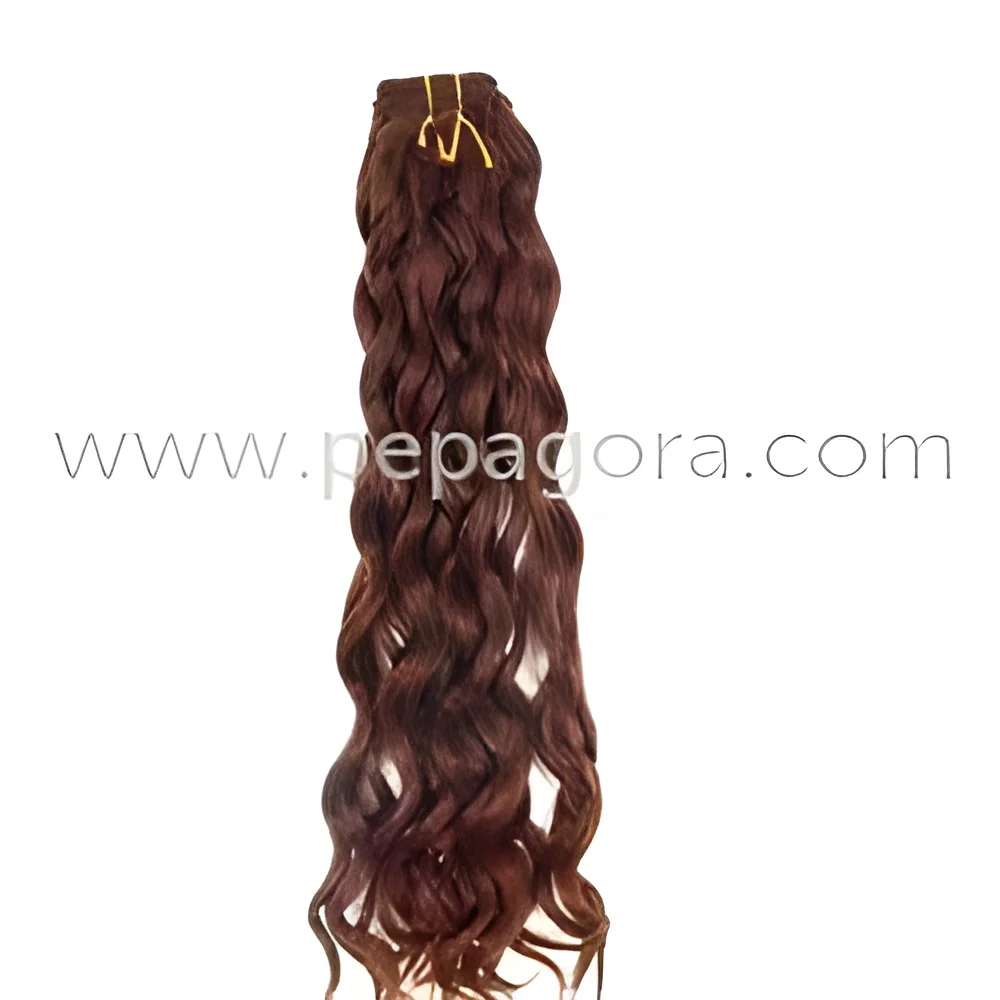
This category features shampoos, conditioners, and styling products tailored to different hair types and needs. Options may include treatments for color-treated or damaged hair.
Body Care Products
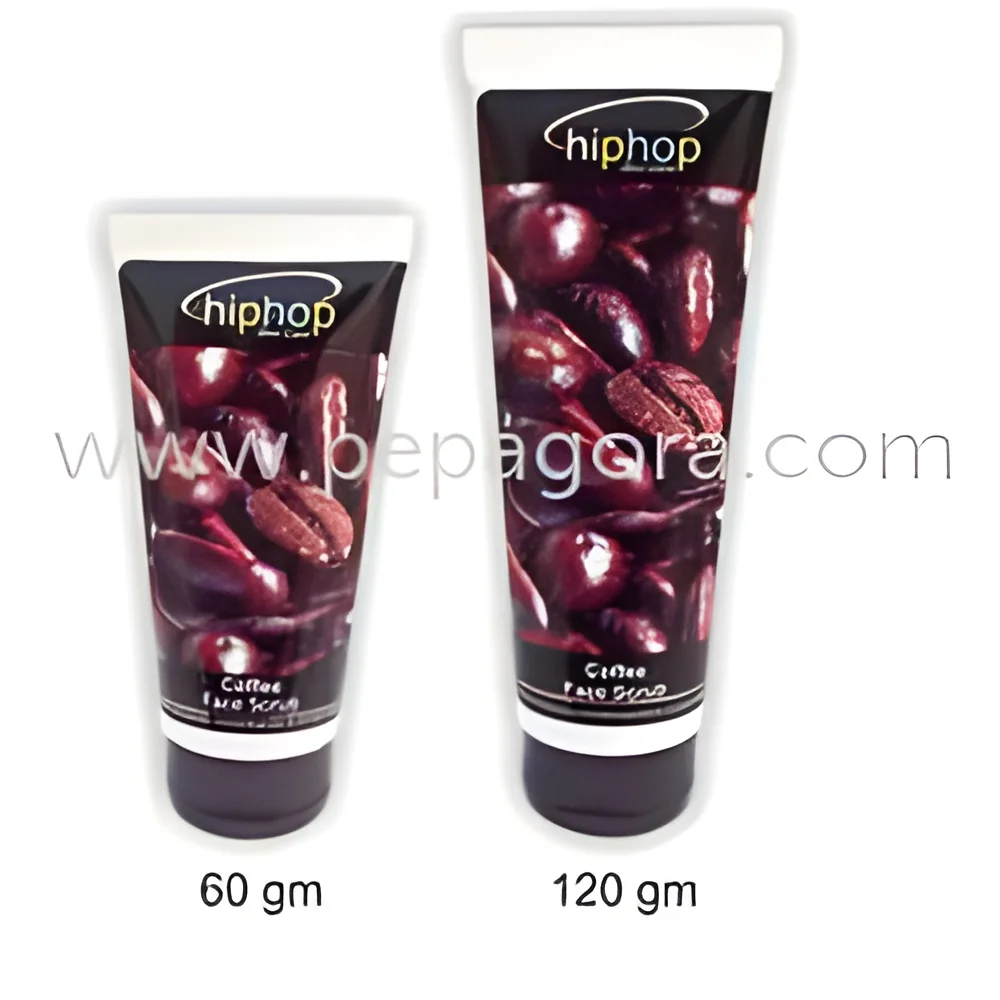
These products include body washes, scrubs, and lotions that provide cleansing and hydration for the skin. They are often formulated with fragrances and essential oils for a sensory experience.
Menstrual Hygiene Products
This essential category includes sanitary pads, tampons, and menstrual cups, designed for comfort and protection during menstruation.
Fragrances
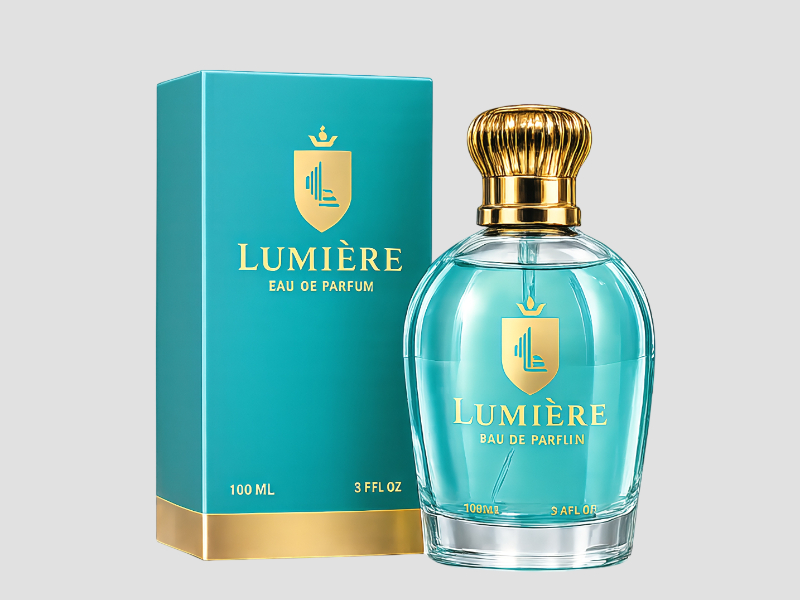
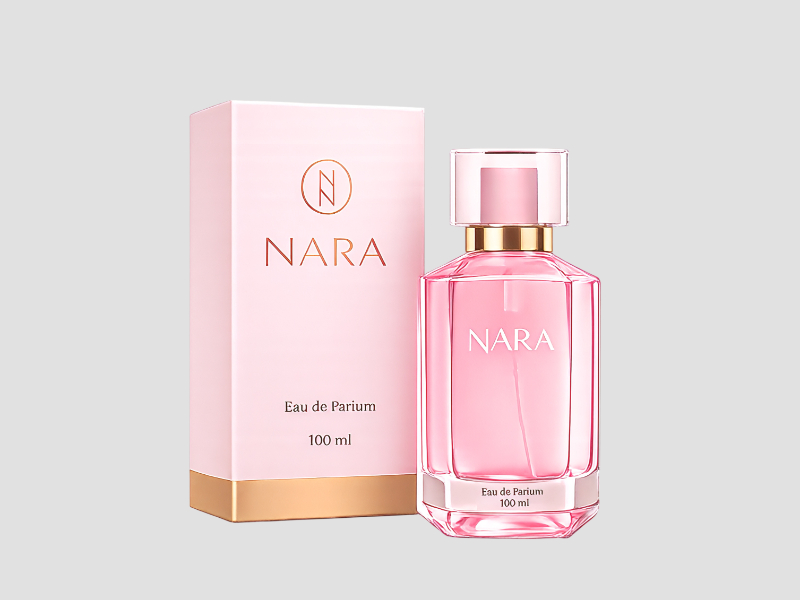
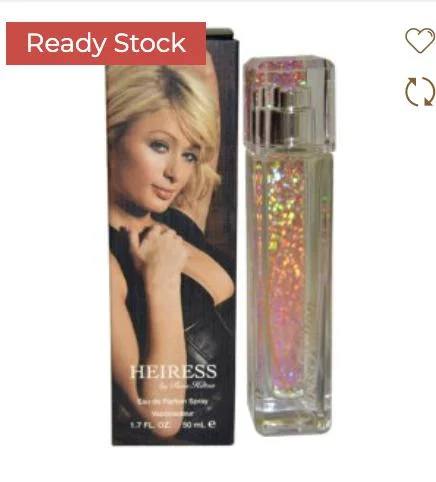
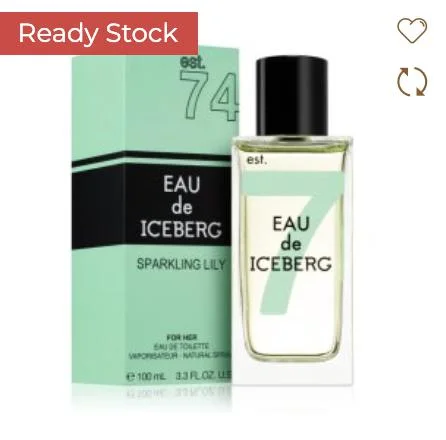
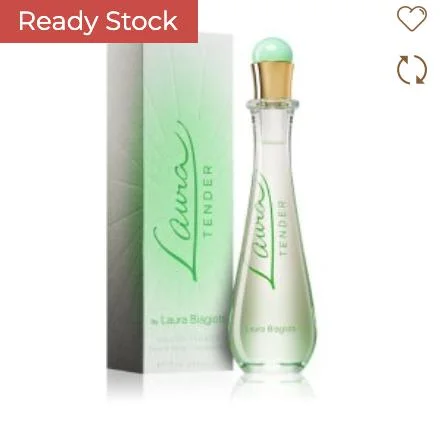
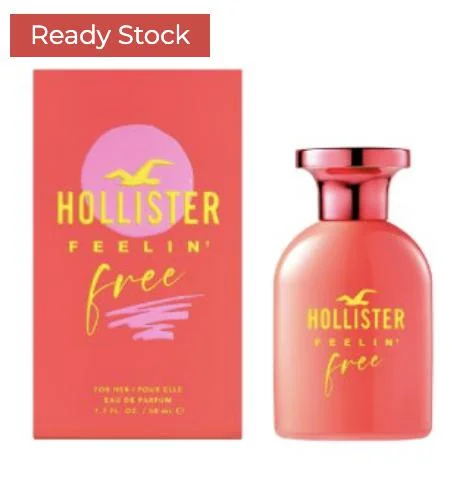
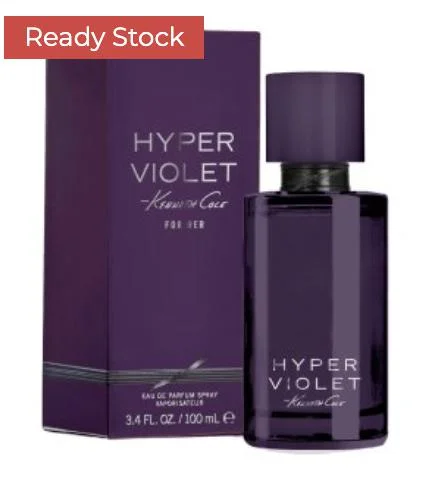
Women’s personal care products also include perfumes and body sprays, offering a variety of scents to suit individual preferences.
𝗕𝗲𝗻𝗲𝗳𝗶𝘁𝘀 𝗮𝗻𝗱 𝗔𝗱𝘃𝗮𝗻𝘁𝗮𝗴𝗲𝘀
Women’s personal care products offer numerous benefits that appeal to consumers and businesses alike.
1. Enhanced Personal Hygiene: Regular use of these products promotes better hygiene, contributing to overall health and wellness.
2. Skin Health: Formulated with beneficial ingredients, many products improve skin texture and appearance, boosting consumer confidence.
3. Convenience: The availability of a wide range of products allows consumers to address multiple personal care needs with ease.
4. Customization: Many brands offer products tailored to specific skin types or concerns, enhancing user satisfaction.
5. Eco-friendly Options: Increasingly, brands are creating sustainable products that appeal to environmentally conscious consumers.
6. Innovation: Continuous product development fosters innovation, leading to more effective and appealing personal care solutions.
𝗕𝘂𝘆𝗶𝗻𝗴 𝗚𝘂𝗶𝗱𝗲 𝗳𝗼𝗿 𝗕𝟮𝗕 𝗕𝘂𝘆𝗲𝗿𝘀
When sourcing women’s personal care products, B2B buyers should consider several critical factors to ensure they make informed purchasing decisions.
1. Quality Assessment: Evaluate the quality of products based on ingredient transparency, efficacy, and compliance with safety standards. Look for certifications that assure product reliability.
2. Supplier Verification: Vet suppliers by checking references, reviewing their reputation, and assessing their production capabilities. A reliable supplier is crucial for a consistent supply chain.
3. Pricing and MOQ: Understand the pricing structure and minimum order quantities (MOQ) to ensure that they align with your business model. Compare prices across different suppliers for the best value.
4. Delivery and Lead Times: Assess the logistics of delivery, including lead times and shipping options. Timely delivery is essential for maintaining stock levels and meeting customer demands.
5. Compliance Requirements: Be aware of local and international regulations governing personal care products. Ensure that the products you source meet all necessary compliance standards to avoid legal issues.
𝗖𝗼𝗺𝗽𝗹𝗶𝗮𝗻𝗰𝗲 𝗮𝗻𝗱 𝗖𝗲𝗿𝘁𝗶𝗳𝗶𝗰𝗮𝘁𝗶𝗼𝗻𝘀
Compliance and certifications play a vital role in the women’s personal care products industry. Products must adhere to relevant quality standards to ensure safety and efficacy. Key standards include ISO 9001, which focuses on quality management systems, and HACCP, which addresses food safety and hygiene practices.
Industry certifications such as CE indicate that a product meets European safety standards. These certifications are crucial for gaining consumer trust and ensuring market access.
Safety and testing requirements are also significant, involving rigorous evaluations to prevent allergic reactions and ensure product performance. Manufacturers must conduct comprehensive testing to comply with safety regulations.
Regional compliance considerations vary by market, necessitating that businesses stay informed about local laws governing personal care products. Adhering to these regulations helps avoid penalties and ensures a smooth entry into various markets.
𝗪𝗵𝘆 𝗦𝗼𝘂𝗿𝗰𝗲 𝗪𝗼𝗺𝗲𝗻’𝘀 𝗽𝗲𝗿𝘀𝗼𝗻𝗮𝗹 𝗰𝗮𝗿𝗲 𝗽𝗿𝗼𝗱𝘂𝗰𝘁𝘀 𝗳𝗿𝗼𝗺 𝗣𝗲𝗽𝗮𝗴𝗼𝗿𝗮?
Pepagora provides a trusted platform for sourcing women’s personal care products, offering several key advantages that benefit B2B buyers.
Verified Supplier Network: Pepagora connects buyers with a verified network of suppliers, ensuring that all products meet quality and safety standards. This verification process helps mitigate risks associated with sourcing.
Streamlined RFQ Process: The platform features a streamlined request for quotation (RFQ) process, allowing buyers to quickly obtain pricing and product information from multiple suppliers. This efficiency saves time and facilitates better decision-making.
Trade Assurance and Support: Pepagora offers trade assurance, providing buyer protection throughout the procurement process. This support instills confidence in transactions, ensuring that buyers receive the quality products they expect.
Regional Coverage: With a focus on markets in India, the GCC, and Southeast Asia, Pepagora ensures that buyers have access to a wide range of products tailored to regional preferences and compliance requirements. This geographic reach enhances sourcing opportunities for businesses looking to expand their product offerings.



Frequently Asked Questions
What are Women’s personal care products?
Women’s personal care products refer to a wide range of items specifically designed for the daily grooming and hygiene needs of women. This includes products such as skincare, haircare, body care, cosmetics, and feminine hygiene products.
What are the different types of Women’s personal care products?
The different types of Women’s personal care products include skincare items like moisturizers and cleansers, haircare products such as shampoos and conditioners, body care items like lotions and scrubs, and cosmetics including makeup and fragrances. Additionally, feminine hygiene products such as sanitary napkins and tampons are also categorized under this segment.
How do I choose the right Women’s personal care products?
To choose the right Women’s personal care products, consider your skin type, hair type, and specific needs such as sensitivity or allergies. Reading ingredient labels and product reviews can help you make informed decisions based on effectiveness and safety.
What are the standard specifications for Women’s personal care products?
Standard specifications for Women’s personal care products typically include safety and efficacy standards set by regulatory bodies. This may encompass ingredient safety, packaging requirements, and labeling guidelines to ensure consumer awareness and product safety.
What is the price range for Women’s personal care products?
The price range for Women’s personal care products can vary significantly based on brand, product type, and quality. Generally, prices can start from a few hundred rupees for basic products and can go up to several thousand rupees for premium and specialized items.
What quality standards apply to Women’s personal care products?
Quality standards for Women’s personal care products include compliance with safety regulations, ingredient purity, and efficacy as outlined by organizations such as the Bureau of Indian Standards (BIS) and the Food and Drug Administration (FDA) in India. Products should also undergo stability and dermatological testing to ensure safety.
Where can I find Women’s personal care products suppliers in India?
You can find Women’s personal care products suppliers in India through various online B2B marketplaces, trade shows, and industry directories. Websites like Pepagora.com can help connect buyers with reputable manufacturers and suppliers across the country.
Can Women’s personal care products be customized?
Yes, many manufacturers offer customization options for Women’s personal care products, allowing businesses to create unique formulations, packaging, and branding. Customization often depends on the minimum order quantity and specific requirements set by the buyer.
What is the typical minimum order quantity for Women’s personal care products?
The typical minimum order quantity (MOQ) for Women’s personal care products can vary widely among suppliers, ranging from as low as 100 units for smaller brands to several thousand units for larger manufacturers. It's essential to check with individual suppliers for their specific MOQs.
What is the typical lead time for Women’s personal care products?
The typical lead time for Women’s personal care products generally ranges from 2 to 6 weeks, depending on the complexity of the order, availability of ingredients, and production schedules. Custom orders may require additional time for formulation and testing.
Why Businesses Trust Pepagora
Thousands of companies trust Pepagora to source smarter and sell faster
Expand Your Sales Globally

Source Smarter,Grow Faster
