
 IN
Access Management & Control Systems
15 products available
What are Access Management & Control Systems?
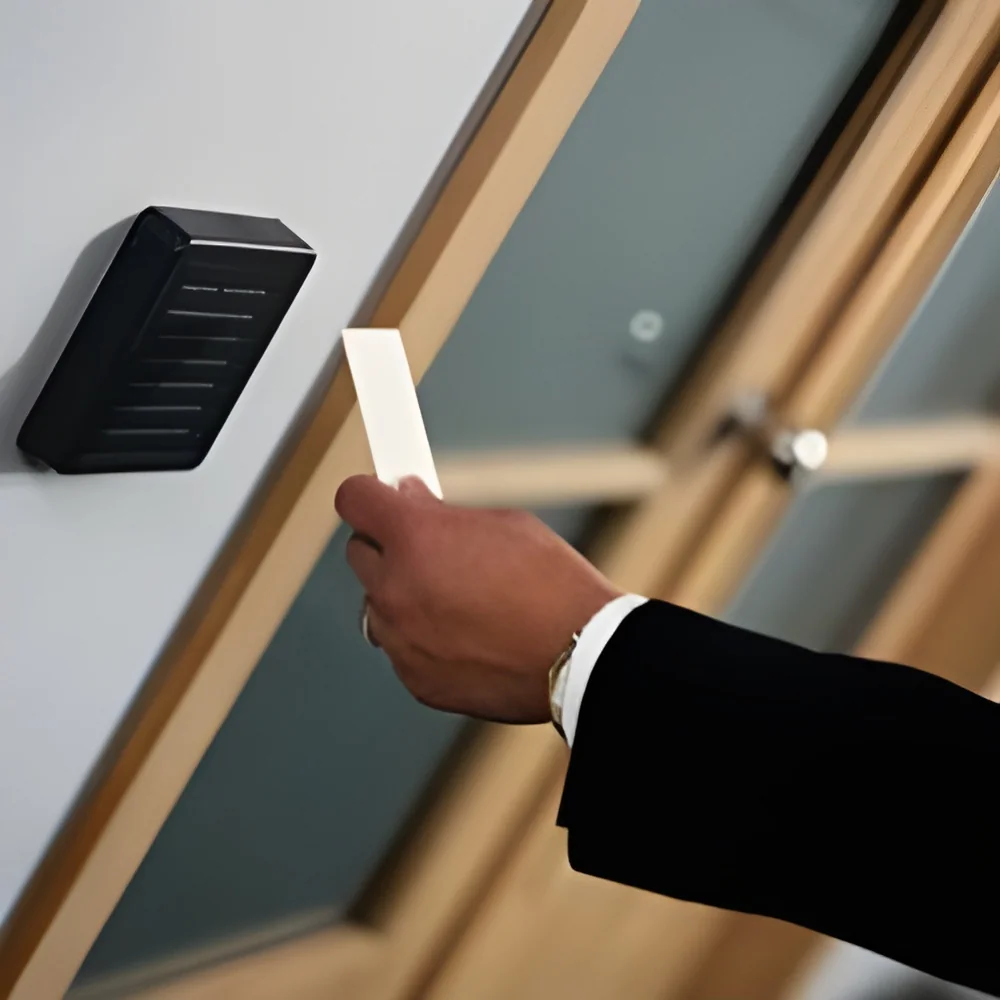
Access Management and Control Systems are security solutions designed to regulate and monitor who can enter specific areas within a facility or organization. These systems use various technologies, such as key cards, biometric readers, and mobile access, to authenticate users and manage entry points. By controlling physical access, businesses can enhance their security, protect sensitive information, and ensure compliance with regulations.
These systems find primary use in various business applications, including corporate offices, healthcare facilities, educational institutions, and industrial environments. They help manage employee access to different zones based on roles or responsibilities, ensuring that only authorized personnel can enter sensitive areas. The relevance of access management is growing as organizations increasingly focus on security and data protection in today’s digital landscape, making these systems essential in a competitive market.
Key Features and Specifications
Access Management and Control Systems come equipped with a range of features that enhance security and operational efficiency. These specifications are vital for businesses when selecting the right system to meet their needs.
Key specifications include:
1. Authentication Methods
- Supports various methods such as key cards, biometrics, and mobile credentials.
- Provides flexibility in user access management.
2. Integration Capabilities
- Compatible with existing security systems and software.
- Allows seamless integration with surveillance cameras and alarm systems.
3. User Capacity
- Designed to manage thousands of users simultaneously.
- Scalable to meet the needs of growing organizations.
4. Audit Trails
- Generates detailed logs of access events.
- Enables easy tracking of user activity for security audits.
5. Remote Access Management
- Allows administrators to manage access remotely.
- Facilitates real-time monitoring and adjustments.
6. Customizable Access Levels
- Provides the ability to set different access levels based on job roles.
- Enhances security by limiting access to sensitive areas.
7. Compliance Features
- Supports adherence to industry standards and regulations.
- Helps organizations maintain compliance with security protocols.
8. User-Friendly Interface
- Offers intuitive design for easy navigation.
- Simplifies user training and system management.
In summary, these specifications ensure that Access Management and Control Systems provide robust security, flexibility, and ease of use for organizations of all sizes.
Common Applications and Use Cases
Access Management and Control Systems serve a wide variety of industries, each with specific applications that enhance security and operational efficiency.
1. Healthcare: These systems protect patient data and restrict access to sensitive areas such as medication storage and patient records, ensuring compliance with health regulations.
2. Education: Schools and universities use access control to manage entry to buildings, laboratories, and other facilities, ensuring student and staff safety.
3. Manufacturing: In industrial settings, access control systems prevent unauthorized entry to hazardous areas and sensitive equipment, enhancing workplace safety.
4. Corporate Offices: Businesses implement these systems to manage employee access to different office areas, protecting intellectual property and confidential information.
5. Government Facilities: Access management is crucial in government buildings to ensure national security and protect sensitive information.
6. Retail: Retail environments use access control to limit access to stockrooms and secure areas, helping to reduce theft and ensure employee safety.
7. Hospitality: Hotels and resorts implement access control systems to enhance guest security and manage access to restricted areas.
Product Variants and Subcategories
Access Management and Control Systems include various product variants tailored to meet the diverse needs of different industries and applications.
Cloud-Based Systems: These systems offer remote management capabilities, allowing administrators to control access from anywhere. They are ideal for businesses with multiple locations.
On-Premises Systems: Designed for businesses that prefer to maintain control over their data and infrastructure, these systems are installed on-site and provide robust security features.
Mobile Access Solutions: These systems allow users to gain entry through mobile devices, providing convenience and flexibility for organizations seeking modern access methods.
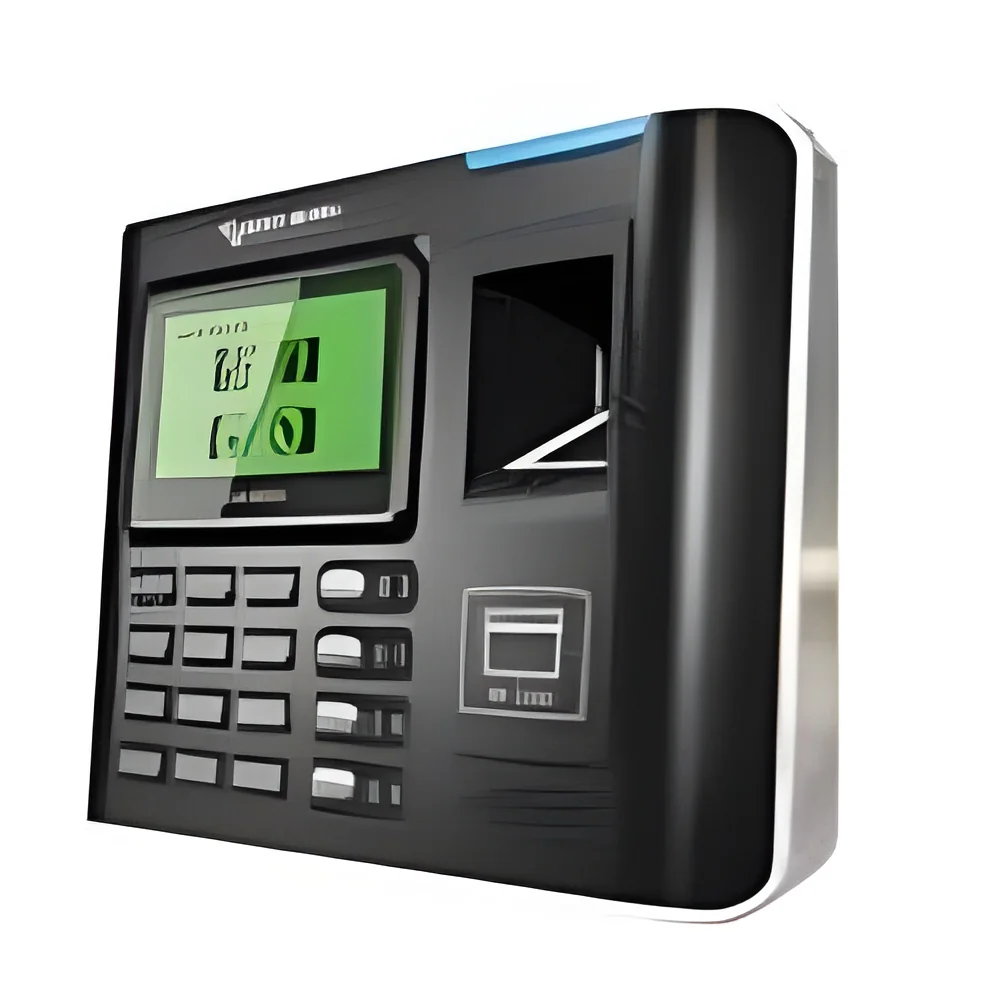
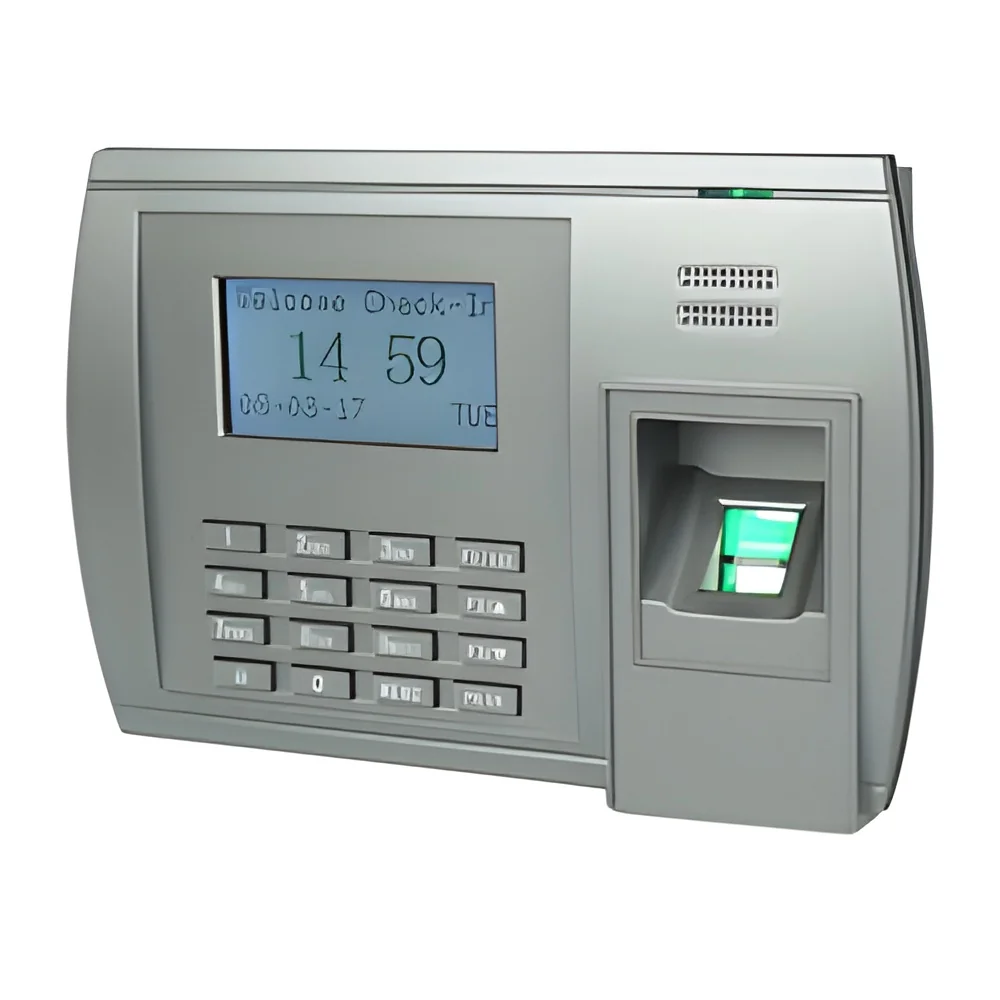
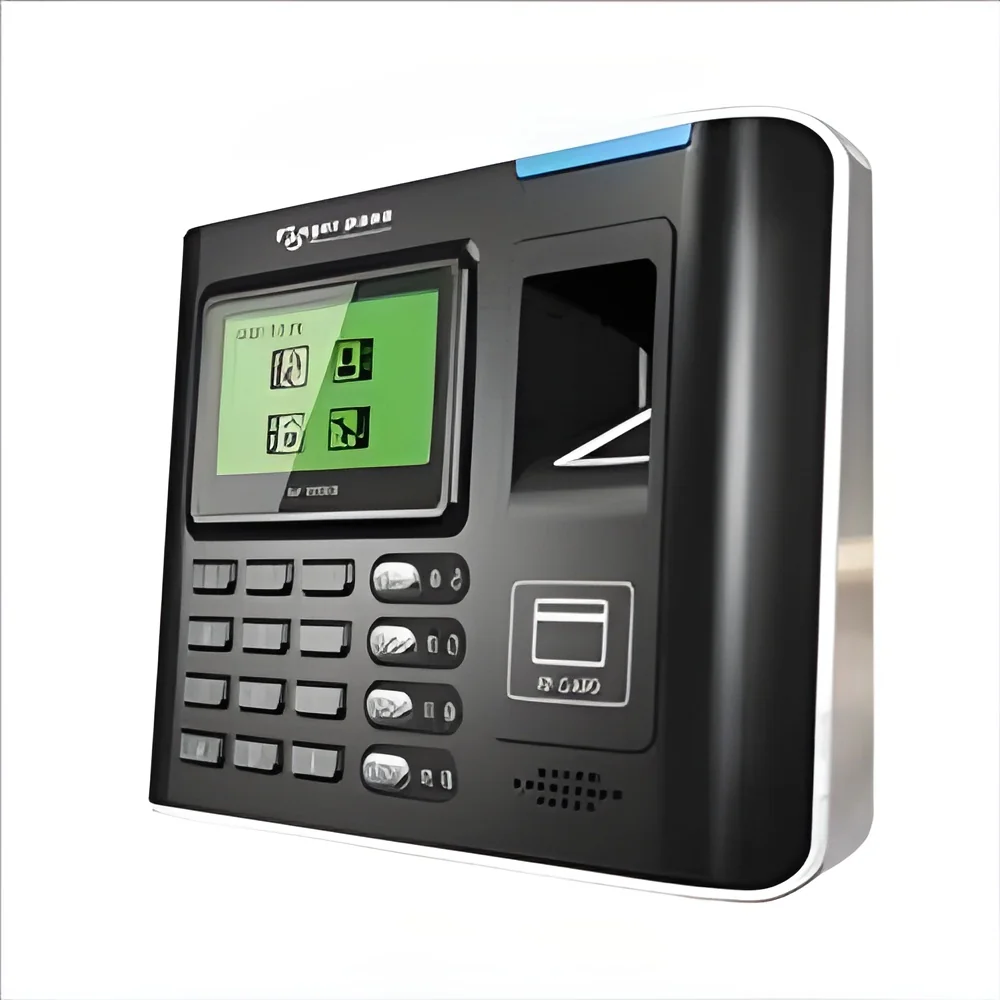
Biometric Access Control: Utilizing fingerprint, facial recognition, or iris scanning, these systems provide high-security measures for sensitive facilities.
Benefits and Advantages
Access Management and Control Systems offer numerous benefits that help organizations enhance their security measures and streamline operations.
Key benefits include:
1. Enhanced Security: By restricting access to authorized personnel only, these systems significantly reduce the risk of unauthorized entry.
2. Improved Compliance: Access management helps businesses meet regulatory requirements related to data protection and workplace safety.
3. Operational Efficiency: Automated access controls reduce the need for physical security personnel, allowing organizations to allocate resources more effectively.
4. Audit Capabilities: The ability to track access events aids in identifying potential security breaches and improving overall security protocols.
5. Flexibility: With customizable access levels and integration capabilities, these systems can adapt to the unique needs of any organization.
6. User Convenience: Features such as mobile access and user-friendly interfaces simplify the user experience while maintaining security.
Buying Guide for B2B Buyers
When sourcing Access Management and Control Systems, businesses should consider several critical factors to ensure they select the right solution.
1. Quality Assessment: Evaluate the quality of materials and technology used in the systems. Look for products that meet established industry standards and provide reliable performance.
2. Supplier Verification: Conduct thorough research to vet potential suppliers. Check for certifications, industry reputation, and customer reviews to ensure reliability.
3. Pricing and MOQ: Understand the pricing structure, including any minimum order quantities. Compare quotes from different suppliers to find a cost-effective solution.
4. Delivery and Lead Times: Assess the logistics involved in delivery. Ensure that suppliers can meet your timelines for installation and deployment.
5. Compliance Requirements: Be aware of any regulatory requirements specific to your industry. Ensure that the systems you select comply with relevant standards and certifications.
Compliance and Certifications
Access Management and Control Systems must adhere to various quality standards to ensure reliability and effectiveness. Recognized standards such as ISO 9001 are essential for maintaining quality management systems. Compliance with industry-specific certifications like CE ensures that products meet safety and performance guidelines.
Additionally, safety requirements and testing protocols are critical in the manufacturing and implementation of these systems. Organizations must consider regional compliance requirements, which may vary based on local laws and regulations, to ensure their systems meet all necessary legal obligations.
Why Source Access Management & Control Systems from Pepagora?
Pepagora provides a trusted platform for sourcing Access Management and Control Systems, offering several key advantages for B2B buyers.
Verified Supplier Network: Pepagora connects buyers with a network of verified suppliers, ensuring that organizations can source high-quality systems from reputable manufacturers.
Streamlined RFQ Process: The quotation system simplifies the process of obtaining competitive pricing, allowing businesses to receive multiple quotes for comparison efficiently.
Trade Assurance and Support: Buyers benefit from trade assurance programs that protect their purchases, ensuring that they receive products as described and on time.
Regional Coverage: With a broad reach across India, the GCC, and Southeast Asia, Pepagora facilitates access to a diverse range of suppliers, catering to various regional needs and preferences.

 India

 India
 India
 India
 India
 India
 India
 India
 India
Frequently Asked Questions
What are Access Management & Control Systems?
Access Management & Control Systems are security solutions designed to regulate who can access certain resources or areas within a facility. These systems ensure that only authorized personnel can enter restricted zones, thereby enhancing security and protecting sensitive information.
What are the different types of Access Management & Control Systems?
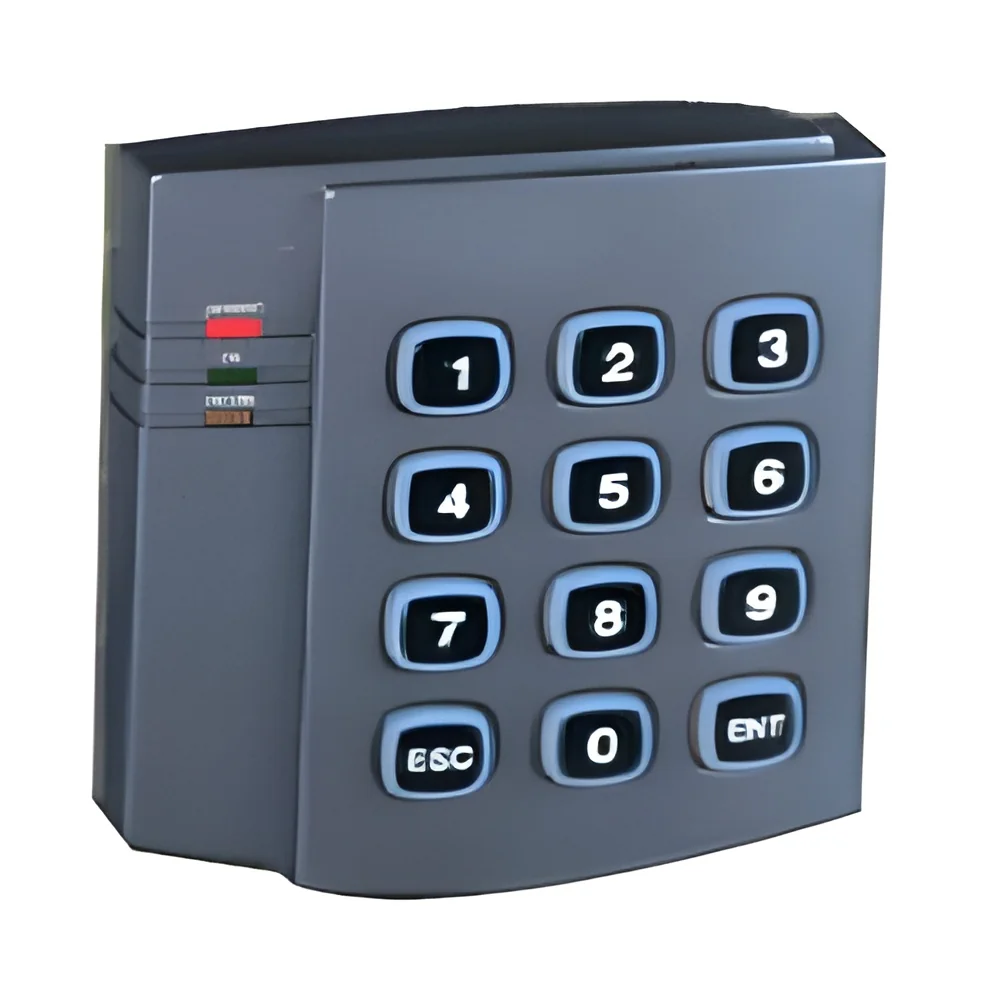
The different types of Access Management & Control Systems include biometric systems, card-based access controls, keypad entry systems, and mobile access solutions. Each type uses varying methods of authentication to grant or deny access to individuals.
How do I choose the right Access Management & Control Systems?
Choosing the right Access Management & Control Systems involves evaluating your specific security needs, the size of the area to be secured, and the level of technology you require. It's also essential to consider factors like user-friendliness, scalability, and integration with existing security systems.
What are the standard specifications for Access Management & Control Systems?
Standard specifications for Access Management & Control Systems typically include authentication methods, user capacity, integration capabilities, and response time. Additionally, systems should comply with relevant security standards and regulations.
What is the price range for Access Management & Control Systems?
The price range for Access Management & Control Systems can vary widely based on features, technology, and manufacturer. Generally, basic systems may start from a few thousand rupees, while advanced, integrated solutions can cost several lakhs.
What quality standards apply to Access Management & Control Systems?
Quality standards for Access Management & Control Systems typically include ISO certifications, compliance with local security regulations, and adherence to industry best practices. Ensuring that systems meet these standards is crucial for reliability and effectiveness.
Where can I find Access Management & Control Systems suppliers in India?
You can find Access Management & Control Systems suppliers in India through online B2B marketplaces like Pepagora.com, trade shows, and industry directories. It's advisable to compare multiple suppliers to find the best quality and pricing.
Can Access Management & Control Systems be customized?
Yes, Access Management & Control Systems can often be customized to meet specific security requirements or preferences. Customization can include hardware modifications, software enhancements, and integration with other security systems.
What is the typical minimum order quantity for Access Management & Control Systems?
The typical minimum order quantity (MOQ) for Access Management & Control Systems can vary by manufacturer and product type. Generally, MOQs can range from one unit for smaller systems to larger quantities for commercial installations.
What is the typical lead time for Access Management & Control Systems?
The typical lead time for Access Management & Control Systems varies depending on the type of system and customization required. Generally, standard systems can be delivered within a few weeks, while customized solutions may take longer.
Why Businesses Trust Pepagora
Thousands of companies trust Pepagora to source smarter and sell faster
Expand Your Sales Globally

Source Smarter,Grow Faster
