IN
IN₹
Apparel & Fashion
Loading subcategories...
View More
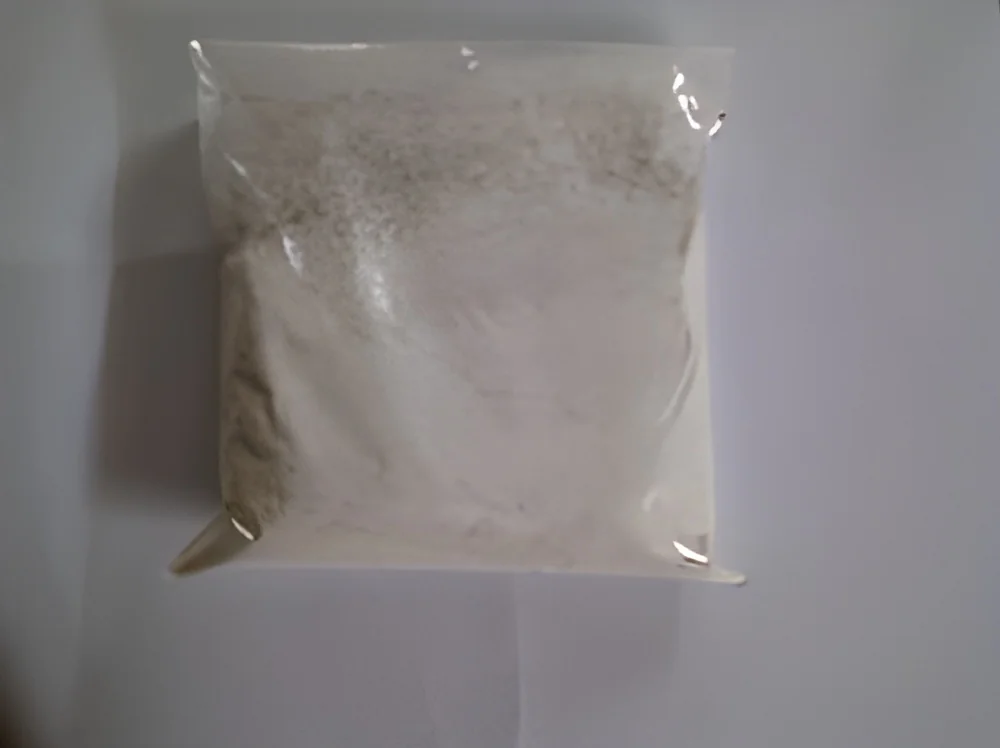
Description
Zirconium oxide powder, commonly known as zirconia, represents a premium ceramic material distinguished by its exceptional thermal stability, mechanical strength, and chemical resistance. Manufactured under rigorous quality control protocols, this advanced material guarantees consistent purity and optimal particle size distribution suitable for demanding industrial applications. Its distinctive properties include high fracture toughness, minimal thermal conductivity, and superior wear resistance, making it indispensable for applications requiring reliable performance under extreme operating conditions. The powder format enables versatile processing methodologies including pressing, sintering, and thermal spraying, facilitating adaptation to specific technical requirements. With capacity to endure temperatures exceeding 2000°C while resisting corrosion from acids and alkaline substances, zirconium oxide powder stands as a crucial component in modern manufacturing and technology-intensiv...
Zirconium oxide powder, commonly known as zirconia, represents a premium ceramic material distinguished by its exceptional thermal stability, mechanical strength, and chemical resistance. Manufactured under rigorous quality control protocols, this advanced material guarantees consistent purity and optimal particle size distribution suitable for demanding industrial applications. Its distinctive properties include high fracture toughness, minimal thermal conductivity, and superior wear resistance, making it indispensable for applications requiring reliable performance under extreme operating conditions. The powder format enables versatile processing methodologies including pressing, sintering, and thermal spraying, facilitating adaptation to specific technical requirements. With capacity to endure temperatures exceeding 2000°C while resisting corrosion from acids and alkaline substances, zirconium oxide powder stands as a crucial component in modern manufacturing and technology-intensive industries.

Zirconium oxide powder finds extensive utilization across multiple industrial sectors including technical ceramics, refractory production, electronics manufacturing, and biomedical engineering. Within the ceramics industry, it enables production of high-strength components such as precision cutting tools, grinding media, and wear-resistant parts designed to withstand aggressive operational environments. The refractory sector employs zirconia for lining industrial furnaces, kilns, and chemical reactors in metal smelting, glass production, and chemical processing operations due to its ability to maintain structural integrity at extreme temperatures. In electronics manufacturing, it serves as essential material for oxygen sensors, solid oxide fuel cells, and piezoelectric devices, contributing to enhanced energy efficiency and technological advancement. The biomedical field capitalizes on its biocompatibility for dental implants, orthopedic prosthetics, and surgical instruments, ensuring patient safety and long-term durability in medical applications. Additionally, aerospace and automotive industries utilize zirconium oxide for thermal barrier coatings on engine components and exhaust systems, significantly improving performance longevity and operational reliability.

The commercial value of zirconium oxide powder resides in its proven reliability, consistent quality, and capacity to enhance product performance while improving operational efficiency. For industrial buyers, importers, and distributors, sourcing high-grade zirconia powder ensures that finished products comply with stringent industry standards, thereby reducing failure rates and minimizing maintenance expenditures. Its adaptability to specific application requirements enables businesses to address unique technical challenges, providing competitive advantages in markets demanding precision engineering and durable material solutions. The material's established performance history in critical applications builds confidence among manufacturers, mitigating risks associated with material defects or substandard performance. By procuring zirconium oxide powder from established suppliers, businesses can optimize production processes, enhance product quality, and expand their market presence in high-value industrial sectors. This dependability fosters long-term business relationships, repeat procurement cycles, and strengthened supply chain partnerships, ultimately driving sustainable growth and profitability.

Key Features:
- High purity zirconium oxide composition with minimal impurity content
- Exceptional thermal stability maintaining performance above 2000°C
- Superior mechanical strength with high fracture toughness characteristics
- Excellent chemical resistance against acids, alkalis, and corrosive agents
- Controlled particle size distribution for consistent processing performance

Benefits:
- Enhanced product reliability and extended service life in demanding applications
- Reduced maintenance costs and operational downtime through material durability
- Improved manufacturing efficiency with consistent material performance
- Expanded application possibilities across multiple industrial sectors
- Compliance with stringent industry standards and technical requirements
Specifications
| Additional Information | |
|---|---|
| Country of Origin | India |
| Customisable | No |
Application
Zirconium oxide powder serves as a fundamental material in high-performance ceramics manufacturing, providing outstanding thermal stability and mechanical strength for demanding applications. It is extensively used in producing cutting tools, wear-resistant components, and structural parts that must maintain integrity under extreme temperature conditions and corrosive environments without compromising performance.
This versatile material plays a critical role in refractory production, oxygen sensing technology, and biomedical implant fabrication. Industries including aerospace, automotive manufacturing, medical devices, and energy systems rely on zirconium oxide for its biocompatibility, low thermal conductivity, and exceptional fracture toughness. It functions as a key raw material in catalysts, solid oxide fuel cells, and advanced electronic components, driving innovation across multiple technical sectors.
- Manufacturing high-strength ceramic components for industrial machinery and precision cutting tools
- Producing refractory linings for high-temperature furnaces in metal processing and glass manufacturing
- Fabricating oxygen sensors and solid oxide fuel cells for automotive and energy generation systems
- Creating dental implants, crowns, and biomedical devices leveraging its biocompatibility
- Applying thermal barrier coatings for aerospace components and turbine engine protection
Trade Details
| Available Stock | In Stock |
| Sample Availability | No |
Payment Terms
| Payment Terms |
|
Company Profile
Kansal Enterprises, New Delhi
 New Delhi, India
New Delhi, IndiaRaw Materials & Chemicals•Manufacturer•Trading Company•Distributor / Wholesaler
Factory Details
Factory SizeBelow 1000 sqm
Annual Production Capacity0
Industrial Zirconium Oxide Powder High Purity Ceramics Refractories
Industrial Zirconium Oxide Powder delivers high purity ceramic material for advanced manufacturing applications including refractories and technical ceramics with exceptional thermal stability and mechanical strength.
Min. Order Quantity: 1 unit
Shipping
Shipping fee and delivery date to be negotiated. Contact supplier now for more details.
Kansal Enterprises
 New Delhi, India
New Delhi, IndiaRaw Materials & ChemicalsManufacturer