IN
IN₹
Apparel & Fashion
Description
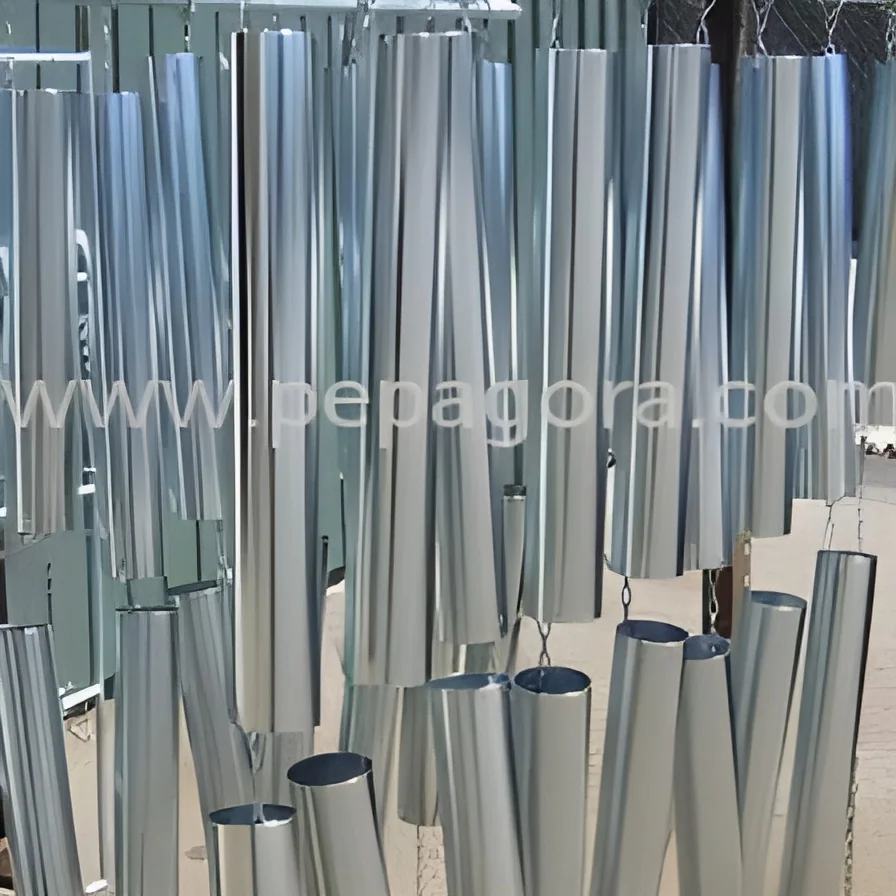
Industrial zinc alloy plating is a high-performance surface treatment engineered to significantly extend the service life of metal components. By depositing a layer of zinc alloy onto a substrate, this process creates a robust, sacrificial barrier that actively fights corrosion, even when the coating is scratched. It goes beyond standard zinc plating by incorporating alloying elements like iron or cobalt, which enhance hardness, improve adhesion, and offer superior resistance to various chemicals and environmental factors. Available in both bright decorative finishes and more industrial matte appearances, it provides manufacturers with a versatile solution that protects without altering critical part dimensions. The technology supports various bath chemistries, from traditional systems to modern, environmentally conscious chloride and non-cyanide alkaline processes, ensuring compliance and performance.

This plating technology is indispensable across sectors where component failure is ...
Industrial zinc alloy plating is a high-performance surface treatment engineered to significantly extend the service life of metal components. By depositing a layer of zinc alloy onto a substrate, this process creates a robust, sacrificial barrier that actively fights corrosion, even when the coating is scratched. It goes beyond standard zinc plating by incorporating alloying elements like iron or cobalt, which enhance hardness, improve adhesion, and offer superior resistance to various chemicals and environmental factors. Available in both bright decorative finishes and more industrial matte appearances, it provides manufacturers with a versatile solution that protects without altering critical part dimensions. The technology supports various bath chemistries, from traditional systems to modern, environmentally conscious chloride and non-cyanide alkaline processes, ensuring compliance and performance.

This plating technology is indispensable across sectors where component failure is not an option. In the automotive industry, it protects vital parts like brake system components, fuel lines, and chassis fasteners from road salts and moisture. The electrical industry relies on it for switchgear, busbar connections, and enclosure hardware to ensure safety and longevity. For construction and agricultural equipment, it safeguards structural fasteners, brackets, and implements from extreme weather and abrasion. Manufacturers of consumer appliances and outdoor equipment use it to enhance the durability and visual appeal of their products, while heavy industry applies it to valves, gears, and hydraulic parts that operate in demanding, corrosive environments.

The primary business value lies in its outstanding return on investment, delivering premium-level protection at a manageable cost. This translates directly into reduced warranty claims, lower maintenance expenses, and extended product lifecycles for your end-users. Reliability is built into the process through stringent control of plating thickness, adhesion strength, and salt spray test performance, ensuring every batch meets specified standards. By choosing this proven finish, you invest in component reliability that builds trust with your customers, reduces downtime in the field, and enhances the overall perceived quality and longevity of your manufactured goods.

Key Features:
- Advanced zinc alloy formulation for exceptional corrosion and rust resistance.
- Consistent, controlled plating thickness that preserves part dimensions and tolerances.
- Compatibility with a wide range of base metals including steel, iron, brass, and copper alloys.
- Available in various finishes from bright decorative to industrial matte for different application needs.
- Utilizes modern, efficient plating processes suitable for high-volume production.

Benefits:
- Extends component lifespan significantly by providing a durable, sacrificial protective barrier.
- Reduces long-term maintenance and replacement costs by preventing premature corrosion failure.
- Enhances product reliability and safety, which is critical for automotive, electrical, and industrial applications.
- Offers a cost-effective protective solution compared to more expensive metals or coatings.
- Improves the aesthetic appeal and perceived quality of finished metal parts.
Specifications
| Additional Information | |
|---|---|
| Country of Origin | India |
Application
Zinc alloy plating serves as a critical protective layer for industrial metal components exposed to harsh environments. This electroplating process creates a durable, sacrificial barrier that prevents rust and corrosion while maintaining the precise dimensions of the base metal. It is valued for its consistent performance, offering both functional protection and an attractive finish for parts where appearance matters.
From automotive fasteners to electrical cabinet hardware, this plating provides essential longevity. The process works effectively on various substrates like steel, iron, and copper alloys. Advanced formulations can include iron or cobalt to create finishes with exceptional hardness and environmental resistance, meeting strict industry standards while remaining a cost-effective solution for large-scale production runs.
- Automotive components such as brake calipers, brackets, and underbody fasteners that require long-term rust protection.
- Electrical and electronic hardware including connector housings, conduit fittings, and enclosure panels for durability.
- Construction and infrastructure elements like structural bolts, scaffolding clips, and outdoor fixtures exposed to weather.
- Industrial machinery parts, including valve bodies, pump components, and hydraulic fittings needing wear and corrosion resistance.
- Consumer durable goods such as furniture hardware, tool casings, and bicycle components for combined aesthetics and durability.
Trade Details
| Available Stock | In Stock |
| Sample Availability | No |
Payment Terms
| Payment Terms |
|
Company Profile
Naveen Rasayan, Haryana
 Haryana, India
Haryana, IndiaRaw Materials & Chemicals•Trading Company•Distributor / Wholesaler•Retailer
Factory Details
Factory SizeBelow 1000 sqm
Annual Production Capacity0
Industrial Zinc Alloy Plating For Corrosion Resistance And Durability
Industrial zinc alloy plating provides superior corrosion resistance and durability for metal components. This economical protective finish is trusted by manufacturers for reliability across automotive, electrical, and construction applications.
Min. Order Quantity: 1 unit
Shipping
Shipping fee and delivery date to be negotiated. Contact supplier now for more details.
Naveen Rasayan
 Haryana, India
Haryana, IndiaRaw Materials & ChemicalsTrading Company