IN
₹
Apparel & Fashion
Description
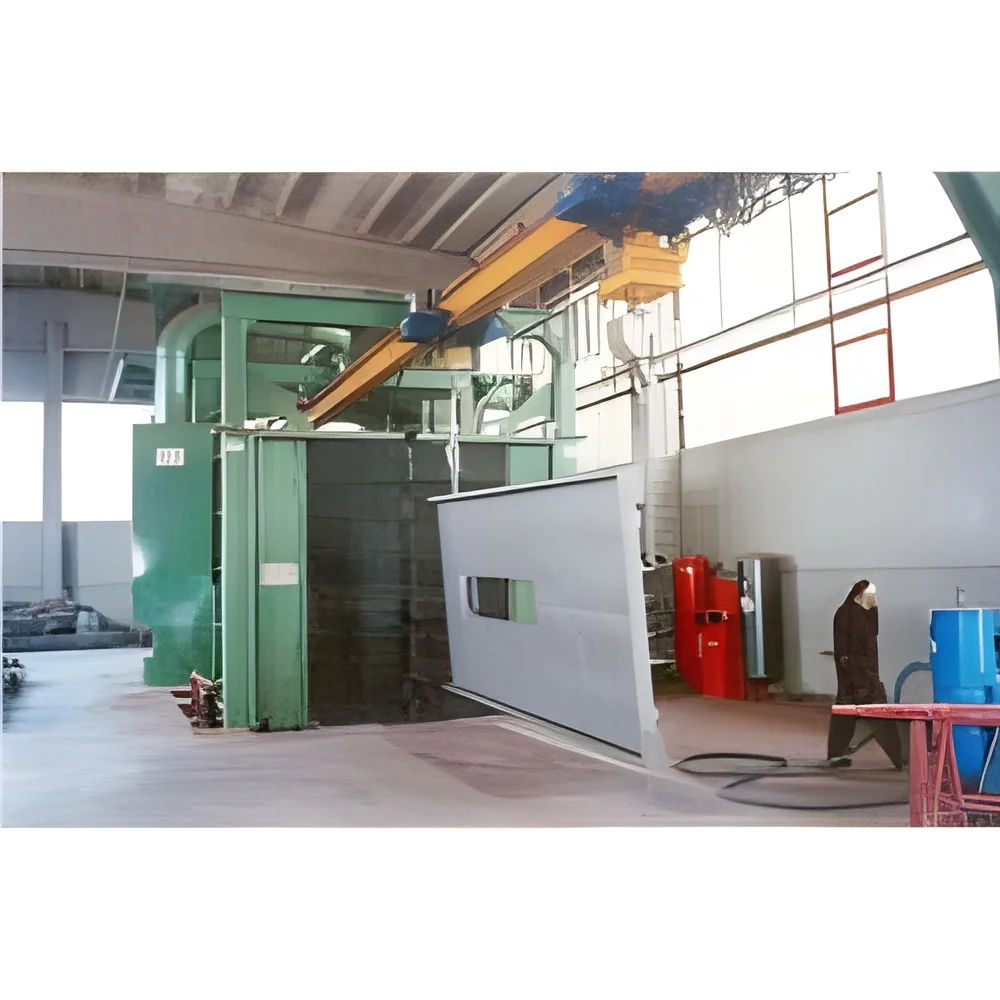
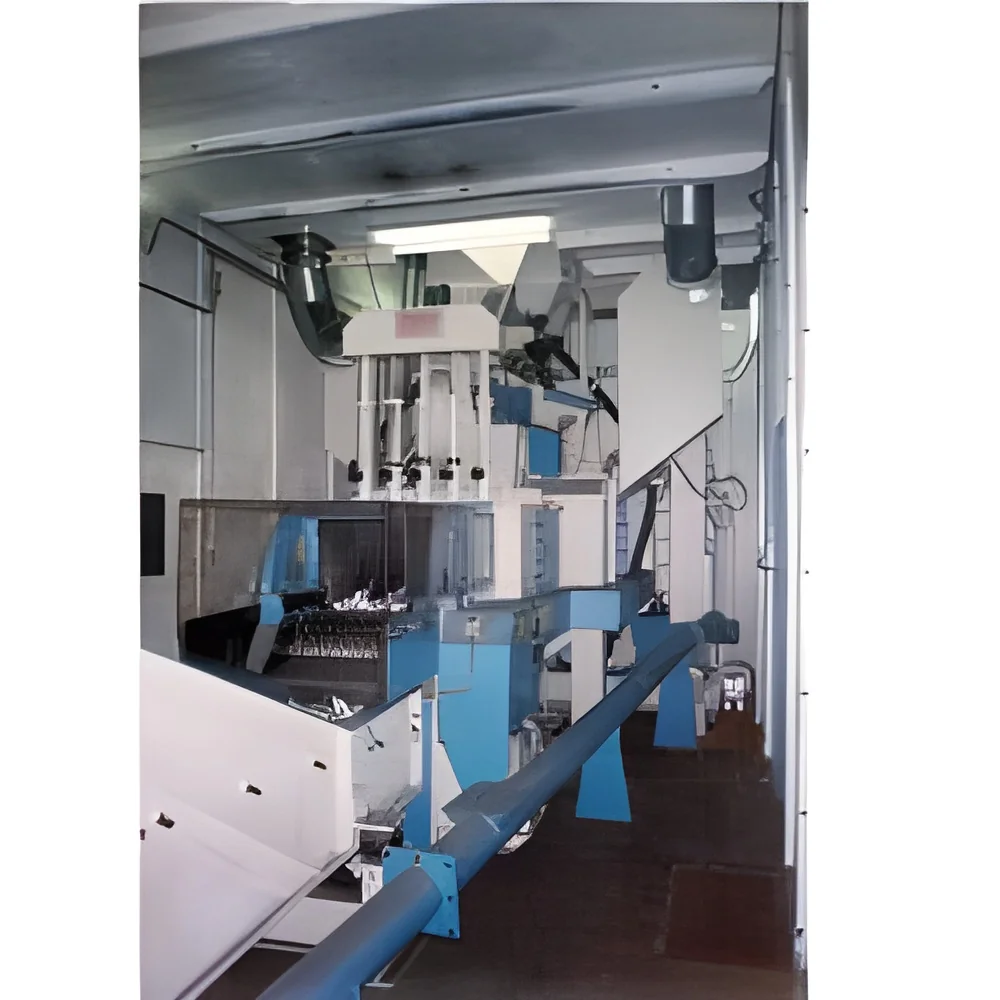
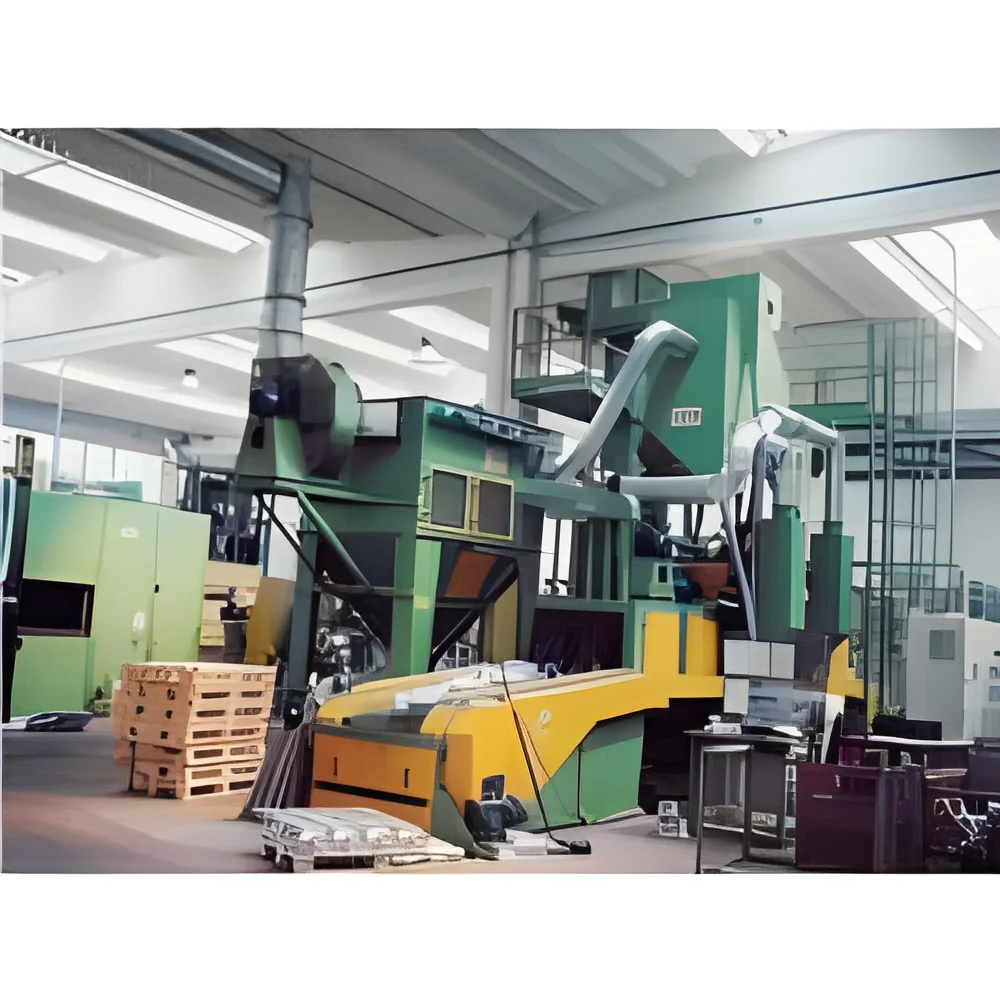
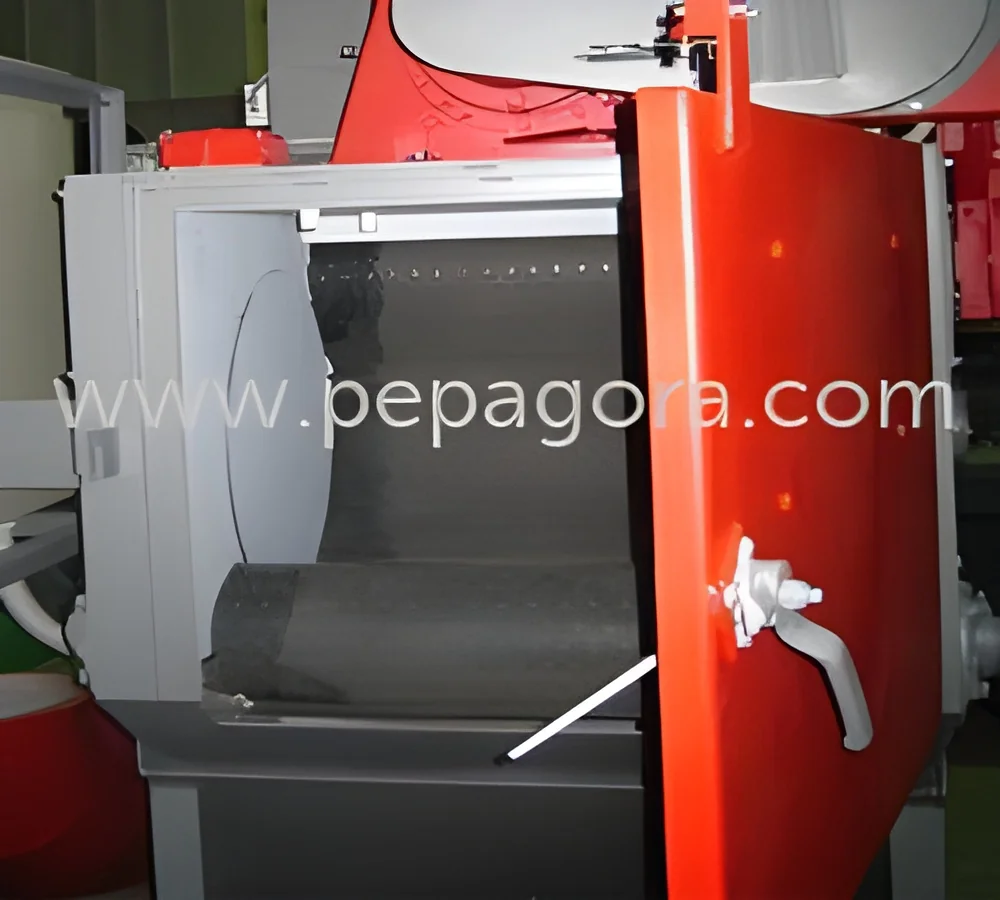
The STL Series Wire Mesh Tunnel Machine represents advanced surface treatment technology specifically engineered for small to medium-sized workpieces. This high-performance system utilizes a metal belt conveyor that gently transports components through the processing tunnel without part-to-part contact. The innovative engineering ensures even the most fragile pieces remain completely undamaged during treatment processes, while the turbine variable speed drive allows precise adjustment of abrasive intensity. Manufacturers benefit from consistent, repeatable results across various materials and complex part geometries, making this machine a versatile solution for multiple industrial applications. The robust construction and reliable components ensure long-term performance in demanding production environments where continuous operation is essential for meeting output targets and maintaining stringent quality standards.

This machine finds extensive application in cast iron foundries, alum...
The STL Series Wire Mesh Tunnel Machine represents advanced surface treatment technology specifically engineered for small to medium-sized workpieces. This high-performance system utilizes a metal belt conveyor that gently transports components through the processing tunnel without part-to-part contact. The innovative engineering ensures even the most fragile pieces remain completely undamaged during treatment processes, while the turbine variable speed drive allows precise adjustment of abrasive intensity. Manufacturers benefit from consistent, repeatable results across various materials and complex part geometries, making this machine a versatile solution for multiple industrial applications. The robust construction and reliable components ensure long-term performance in demanding production environments where continuous operation is essential for meeting output targets and maintaining stringent quality standards.

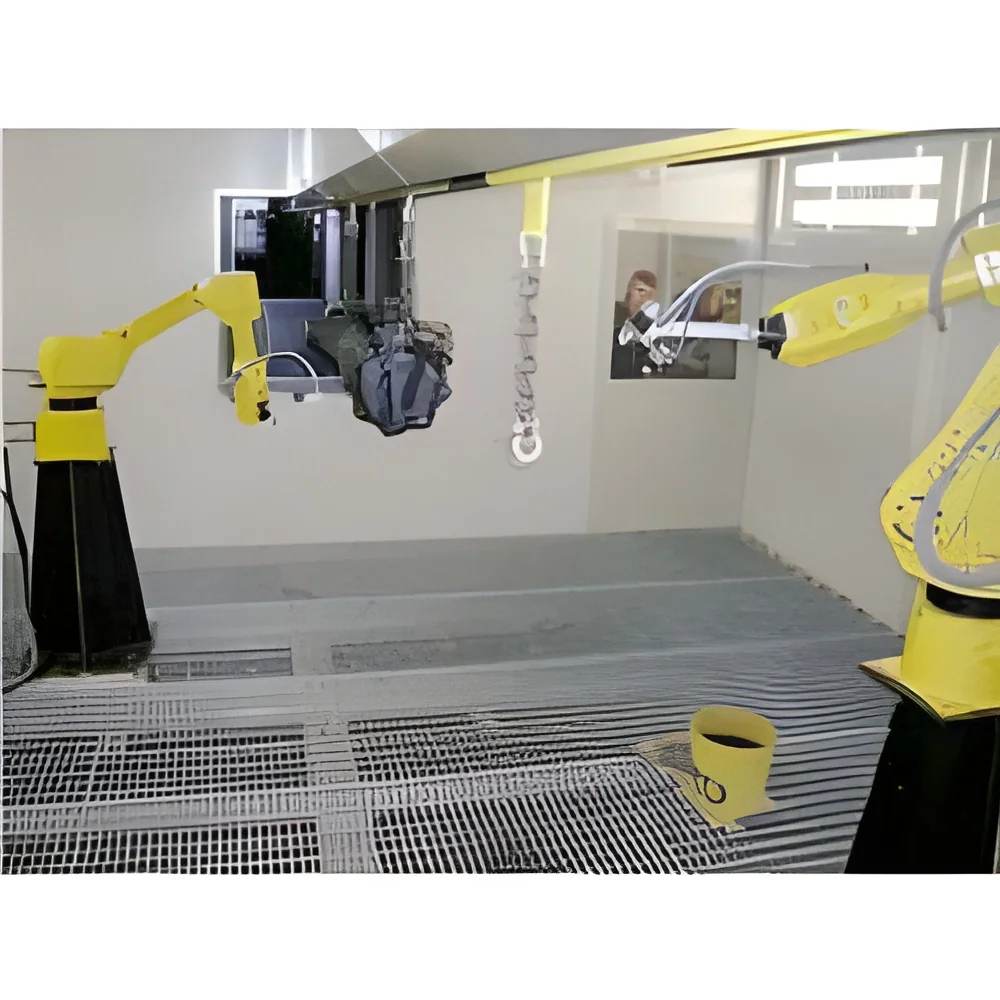
This machine finds extensive application in cast iron foundries, aluminum die-casting facilities, and forging operations where surface preparation is critical to final product quality. The automotive industry utilizes these systems for finishing transmission components, engine parts, and various mechanical assemblies. Aerospace manufacturers rely on them for precision components requiring exact surface specifications and delicate handling. General metal fabrication shops implement the STL Series for preparing welded assemblies and machined parts before coating or final assembly processes. The food processing equipment industry uses these machines for finishing stainless steel components that must meet strict hygiene and surface smoothness standards. Electronics manufacturers benefit significantly from the gentle handling capabilities when processing delicate metal housings and enclosures that require perfect aesthetic surface finishes.

The STL Series delivers substantial business value through reduced processing times, consistent quality output, and lower operational costs compared to manual finishing methods. The non-contact processing method minimizes part damage and dramatically reduces rejection rates, directly impacting profitability and material waste reduction. The machine's proven reliability ensures minimal downtime and low maintenance requirements, while the performance consistency allows adaptation to specific production needs without compromising output quality. Businesses investing in this equipment gain competitive advantage through improved product quality, faster turnaround times, and the unique ability to handle delicate components that competitors might struggle to process effectively. The machine's design prioritizes operator safety and ease of use, reducing training requirements and enhancing workplace safety compliance while maintaining high production efficiency.

Key Features:
- Metal belt conveyor system for gentle workpiece handling without damage
- Turbine variable speed drive for adjustable abrasive intensity control
- Tunnel-type design enabling continuous processing operation
- Non-contact processing prevents damage to fragile and delicate components
- Robust industrial construction for reliable performance in demanding environments

Benefits:
- Reduced processing times and increased production efficiency
- Consistent quality output with minimal part rejection rates
- Lower operational costs compared to manual finishing methods
- Ability to handle delicate components without damage or marking
- Minimal maintenance requirements and proven long-term reliability
Specifications
| Additional Information | |
|---|---|
| Country of Origin | India |
Application
The STL Series Wire Mesh Tunnel machine provides exceptional deburring, descaling, and surface finishing capabilities across diverse manufacturing sectors. Its innovative design processes fragile components without causing damage, making it perfect for precision parts that demand careful handling. The adjustable turbine speed offers flexibility for different materials and specific finishing requirements, ensuring optimal results every time.
This machine serves foundries, forging operations, and metal fabrication facilities needing consistent, high-quality surface treatment. The tunnel-type design enables continuous processing of small to medium workpieces with uniform finishing results. Industries value the reliability and performance consistency that adapts to various production requirements and operational constraints while maintaining excellent output quality.
- Deburring precision automotive components after machining operations
- Surface finishing aluminum die-cast parts before assembly or coating processes
- Descaling forged metal components in manufacturing and production lines
- Cleaning and preparing small cast iron parts for further processing stages
- Polishing delicate metal pieces in jewelry and precision instrument manufacturing
Trade Details
| Available Stock | In Stock |
| Sample Availability | No |
Payment Terms
| Payment Terms |
|
Company Profile
APJ India, Haryana
 Haryana, India
Construction•Trading Company•Distributor / Wholesaler•Importer / Exporter
Factory Details
Factory SizeBelow 1000 sqm
Annual Production Capacity0
STL Series Wire Mesh Tunnel Machine for Deburring and Surface Finishing
STL Series Wire Mesh Tunnel Machine delivers high-performance deburring and surface finishing for small to medium workpieces. Gentle metal belt conveyor handles fragile parts without contact damage. Ideal for foundries and die-casting industries requiring reliable surface treatment.
Min. Order Quantity: 1 unit
Shipping
Shipping fee and delivery date to be negotiated. Contact supplier now for more details.
APJ India
 Haryana, India
ConstructionTrading Company