IN
IN₹
Apparel & Fashion
Description
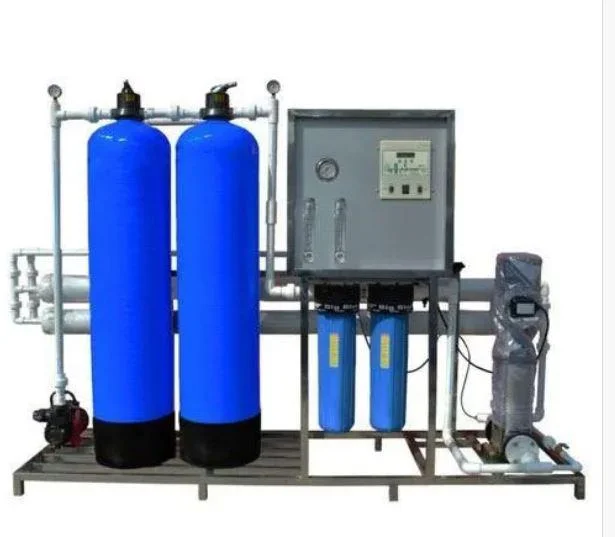
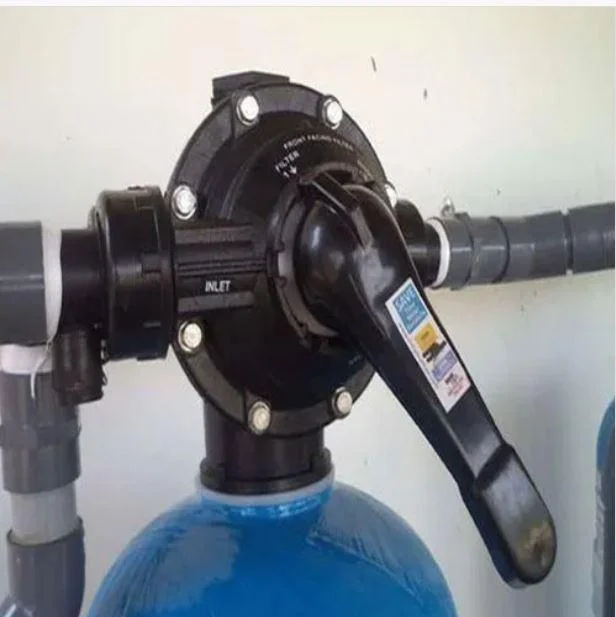
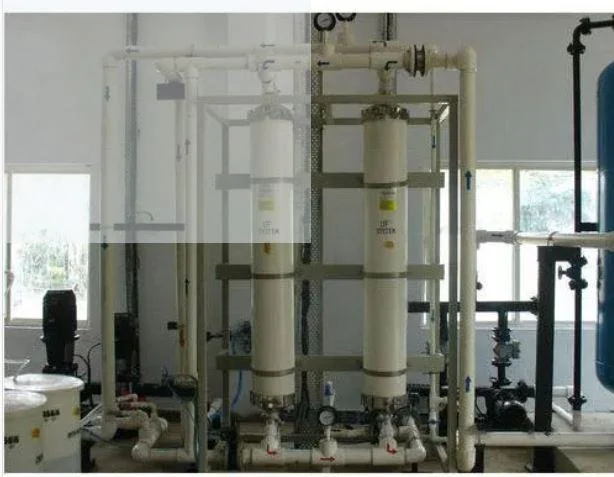
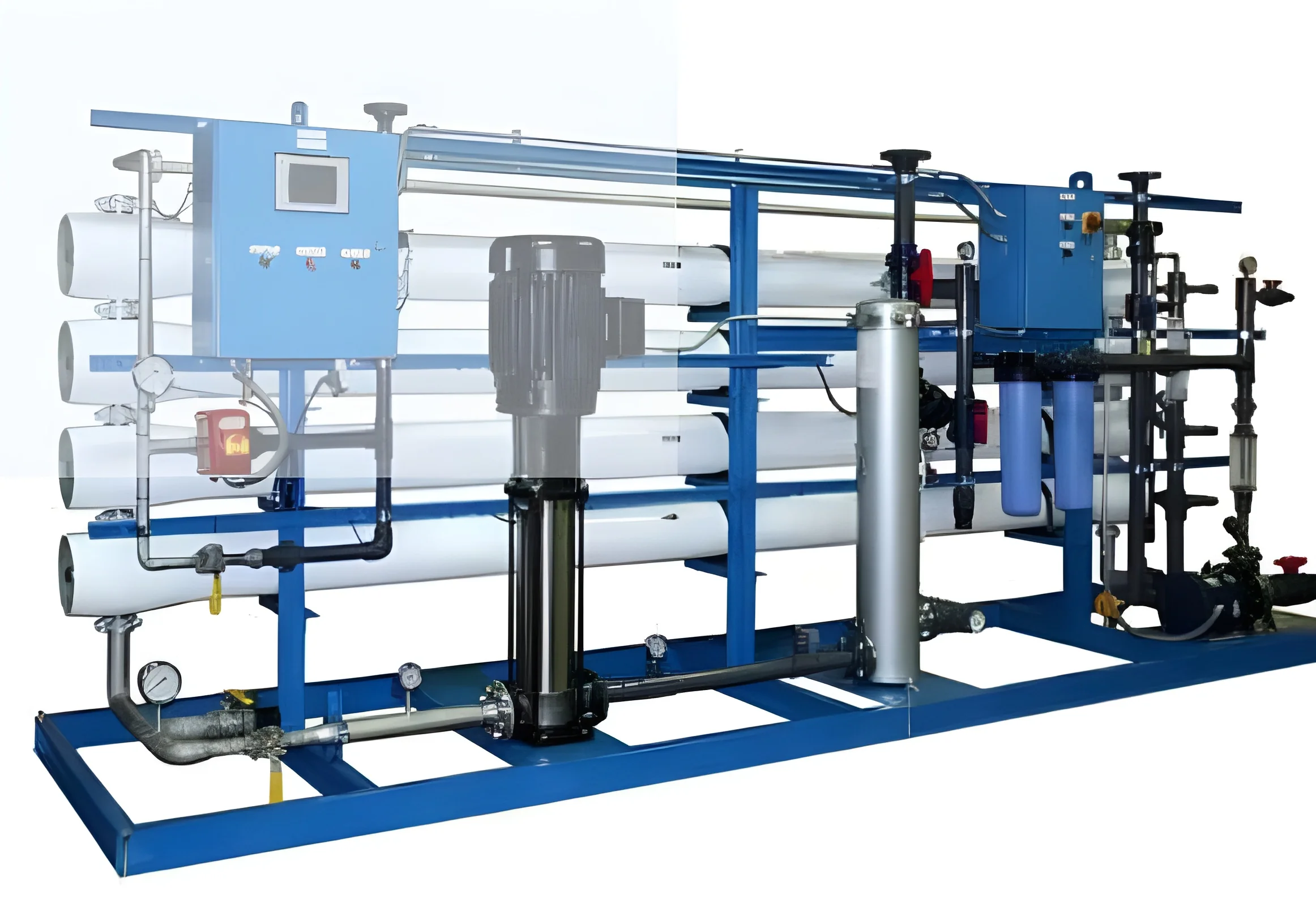
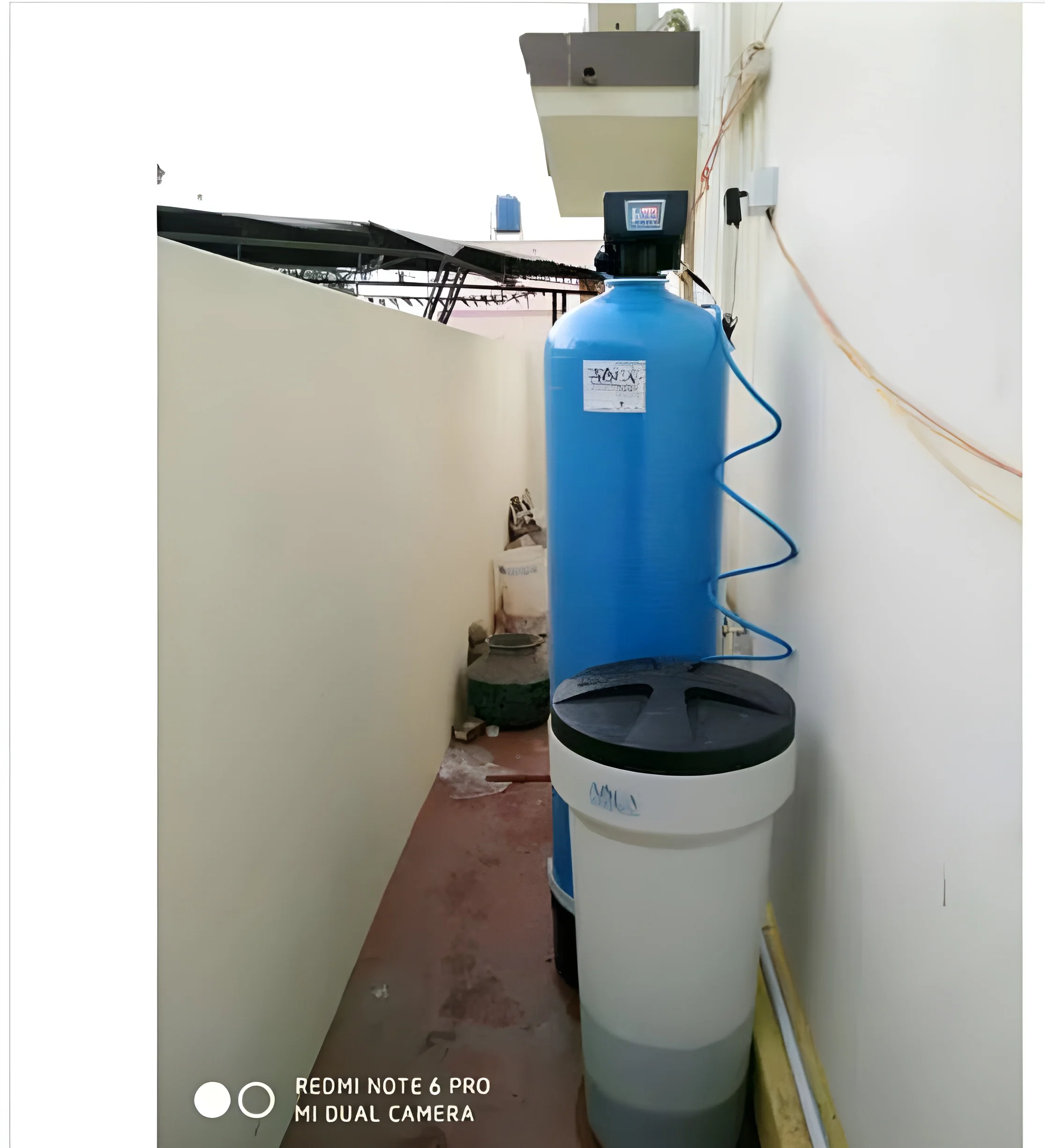
Industrial Water Filtration Softening Plants are comprehensive water treatment solutions designed to address two primary issues: particulate matter and water hardness. They integrate a multi-stage process, typically beginning with multimedia filtration to capture suspended solids like sand, silt, and rust. This is followed by an ion exchange softening stage, where hard water ions (calcium and magnesium) are exchanged for sodium ions, effectively eliminating scale-forming minerals. This dual-action approach transforms incoming raw water into a reliable stream of clean, soft water, which is essential for protecting sensitive equipment and ensuring consistent process outcomes in demanding environments. The systems are built with industrial-grade components, including fiberglass or lined steel vessels, corrosion-resistant piping, and automated control valves for reliable, hands-off operation.

These plants serve as a foundational utility in numerous industries where water quality directly ...
Industrial Water Filtration Softening Plants are comprehensive water treatment solutions designed to address two primary issues: particulate matter and water hardness. They integrate a multi-stage process, typically beginning with multimedia filtration to capture suspended solids like sand, silt, and rust. This is followed by an ion exchange softening stage, where hard water ions (calcium and magnesium) are exchanged for sodium ions, effectively eliminating scale-forming minerals. This dual-action approach transforms incoming raw water into a reliable stream of clean, soft water, which is essential for protecting sensitive equipment and ensuring consistent process outcomes in demanding environments. The systems are built with industrial-grade components, including fiberglass or lined steel vessels, corrosion-resistant piping, and automated control valves for reliable, hands-off operation.

These plants serve as a foundational utility in numerous industries where water quality directly impacts production, safety, and operational costs. In manufacturing, they are installed as pre-treatment for boiler feed water and cooling tower make-up water, preventing costly scale deposits that reduce efficiency and cause failures. The textile industry relies on them to provide soft water for dyeing and finishing processes, ensuring color fidelity and fabric quality. For the food and beverage sector, softened water is crucial for cleaning, steam generation, and as an ingredient, helping meet hygiene standards and improving product consistency. Large commercial establishments, such as hotels, hospitals, and educational campuses, deploy these systems to protect their extensive plumbing networks, laundry equipment, and kitchen appliances from scale damage, thereby reducing maintenance frequency and replacement costs.

The business value of installing a reliable water filtration softening plant is measured in operational savings, risk mitigation, and asset protection. By preventing scale accumulation, these systems directly reduce energy consumption in heating applications, as even a thin layer of scale acts as an insulator. This leads to lower utility bills and a reduced carbon footprint. More importantly, they minimize the risk of unexpected equipment breakdowns and the associated production halts or service disruptions, which are far more costly than the investment in water treatment. The extended lifespan of protected equipment—such as boilers, chillers, and industrial washers—delivers a strong return on investment. Furthermore, consistent water quality eliminates a key variable in production processes, leading to more predictable results, higher product quality, and less waste, making these plants a strategic asset for any facility dependent on water.

Key Features:
- Integrated multi-stage process combining multimedia filtration and ion exchange softening for comprehensive treatment.
- Constructed with durable, industrial-grade materials like FRP vessels and corrosion-resistant fittings for long service life.
- Automated control systems with timers or flow meters for efficient regeneration and consistent soft water output.
- Designed to handle high flow rates and continuous operation suitable for manufacturing and large commercial demands.
- Configurable system layout and capacity to match specific inlet water quality and required treated water volume.

Benefits:
- Prevents scale formation in pipes, boilers, and cooling systems, reducing maintenance frequency and costs.
- Improves thermal efficiency in heating equipment by eliminating insulating scale layers, leading to energy savings.
- Protects valuable machinery and appliances from corrosion and mineral deposits, extending their operational lifespan.
- Ensures consistent water quality for industrial processes, enhancing product consistency and reducing rejects.
- Provides a reliable, automated water treatment solution that minimizes manual intervention and operational oversight.
Specifications
| Additional Information | |
|---|---|
| Country of Origin | India |
Application
Industrial water filtration softening plants are engineered to tackle hard water and particulate contamination, which are common challenges in municipal and borewell supplies. By systematically removing calcium, magnesium, and suspended solids, these systems ensure a consistent supply of treated water that meets the stringent demands of continuous industrial operations and large-scale commercial facilities.
These robust plants safeguard critical infrastructure by preventing the damaging scale buildup that impairs heat transfer and clogs pipes. This protection is vital for maintaining the efficiency and longevity of expensive equipment like boilers, cooling towers, heat exchangers, and process machinery. The result is a significant reduction in unscheduled downtime, energy waste, and frequent maintenance, directly contributing to smoother, more cost-effective operations across various sectors.
- Manufacturing facilities for protecting boilers, cooling systems, and process water lines from limescale and corrosion.
- Textile and dyeing units to ensure water quality for consistent color application and to prevent fabric staining.
- Food and beverage processing plants where water purity is critical for product safety, taste, and equipment sanitation.
- Hospitality sector, including large hotels and resorts, for laundry operations, kitchen use, and guest water supply to prevent scale in appliances.
- Commercial complexes and institutions to provide scale-free water for central heating, cooling, and plumbing systems, extending asset life.
Trade Details
| Available Stock | In Stock |
| Sample Availability | No |
Payment Terms
| Payment Terms |
|
Company Profile

KM Aqua Tech , Tamil Nadu
 Tamil Nadu, India
Tamil Nadu, IndiaIndustrial Equipment & Machinery•Manufacturer•Trading Company
Factory Details
Factory SizeBelow 1000 sqm
Annual Production Capacity0
Industrial Water Filtration Softening Plants For Manufacturing And Commercial Use
Industrial Water Filtration Softening Plants remove hardness minerals and suspended solids, delivering clean, soft water to protect manufacturing and commercial equipment from scale and corrosion.
Min. Order Quantity: 1 piece
Shipping
Shipping fee and delivery date to be negotiated. Contact supplier now for more details.
KM Aqua Tech 
 Tamil Nadu, India
Tamil Nadu, IndiaIndustrial Equipment & MachineryManufacturer