IN
IN₹
Description
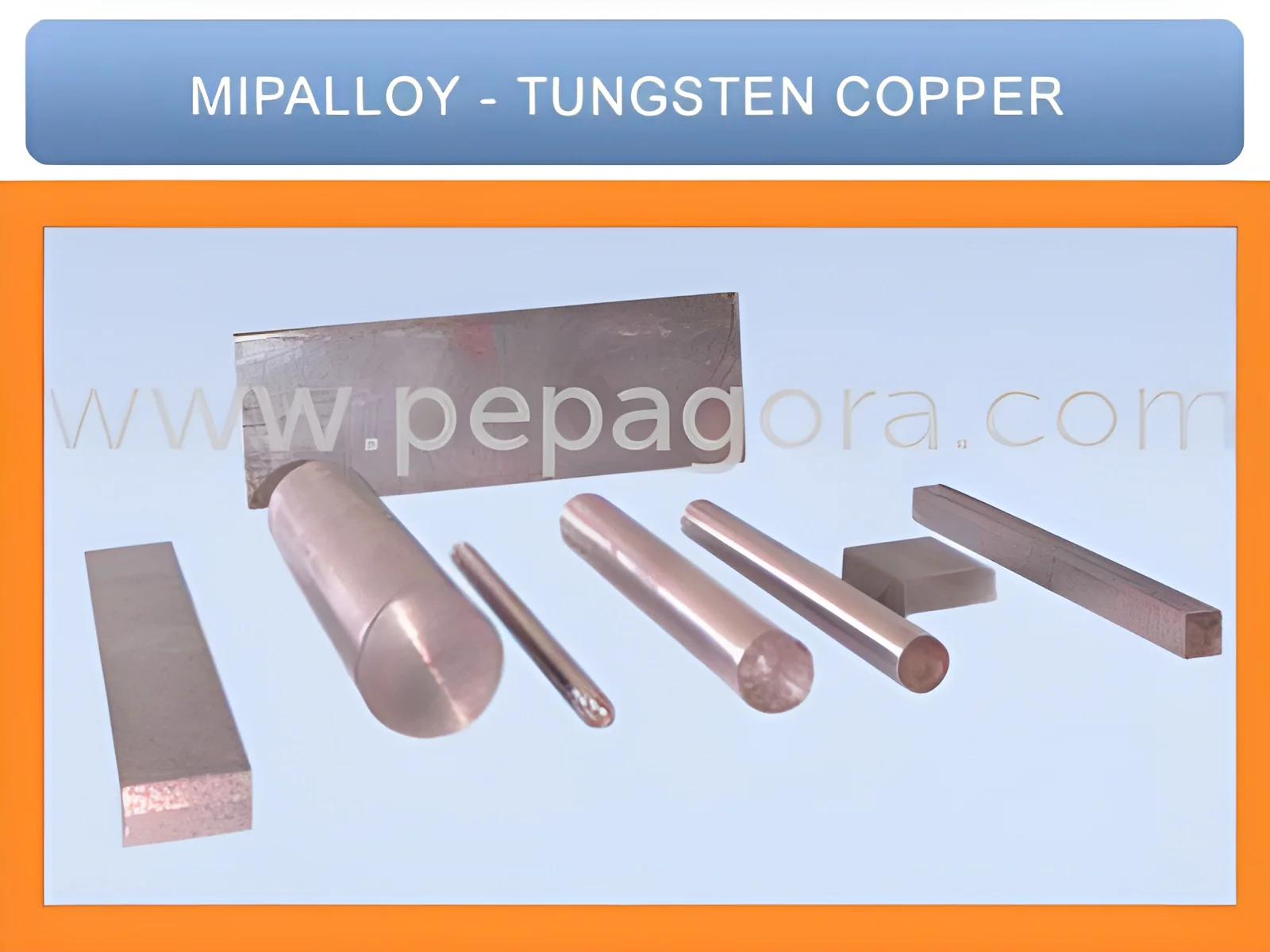
Industrial Tungsten Copper Alloy represents a high-performance composite material that strategically combines tungsten's exceptional heat resistance and mechanical strength with copper's superior thermal and electrical conductivity. This sophisticated material solution maintains tungsten's remarkable resistance to high temperatures and mechanical wear while incorporating copper's efficient energy transfer capabilities. Manufactured through precise press-sinter-infiltration methods, the material offers consistent quality with tungsten content ranging from 50% to 90% by weight, providing reliable performance characteristics for demanding industrial applications. The material's unique composition allows for precision machining into complex components while maintaining structural integrity under extreme operating conditions, making it suitable for applications where both thermal management and electrical performance are critical.

The industrial usage of Tungsten Copper alloy spans multipl...
Industrial Tungsten Copper Alloy represents a high-performance composite material that strategically combines tungsten's exceptional heat resistance and mechanical strength with copper's superior thermal and electrical conductivity. This sophisticated material solution maintains tungsten's remarkable resistance to high temperatures and mechanical wear while incorporating copper's efficient energy transfer capabilities. Manufactured through precise press-sinter-infiltration methods, the material offers consistent quality with tungsten content ranging from 50% to 90% by weight, providing reliable performance characteristics for demanding industrial applications. The material's unique composition allows for precision machining into complex components while maintaining structural integrity under extreme operating conditions, making it suitable for applications where both thermal management and electrical performance are critical.

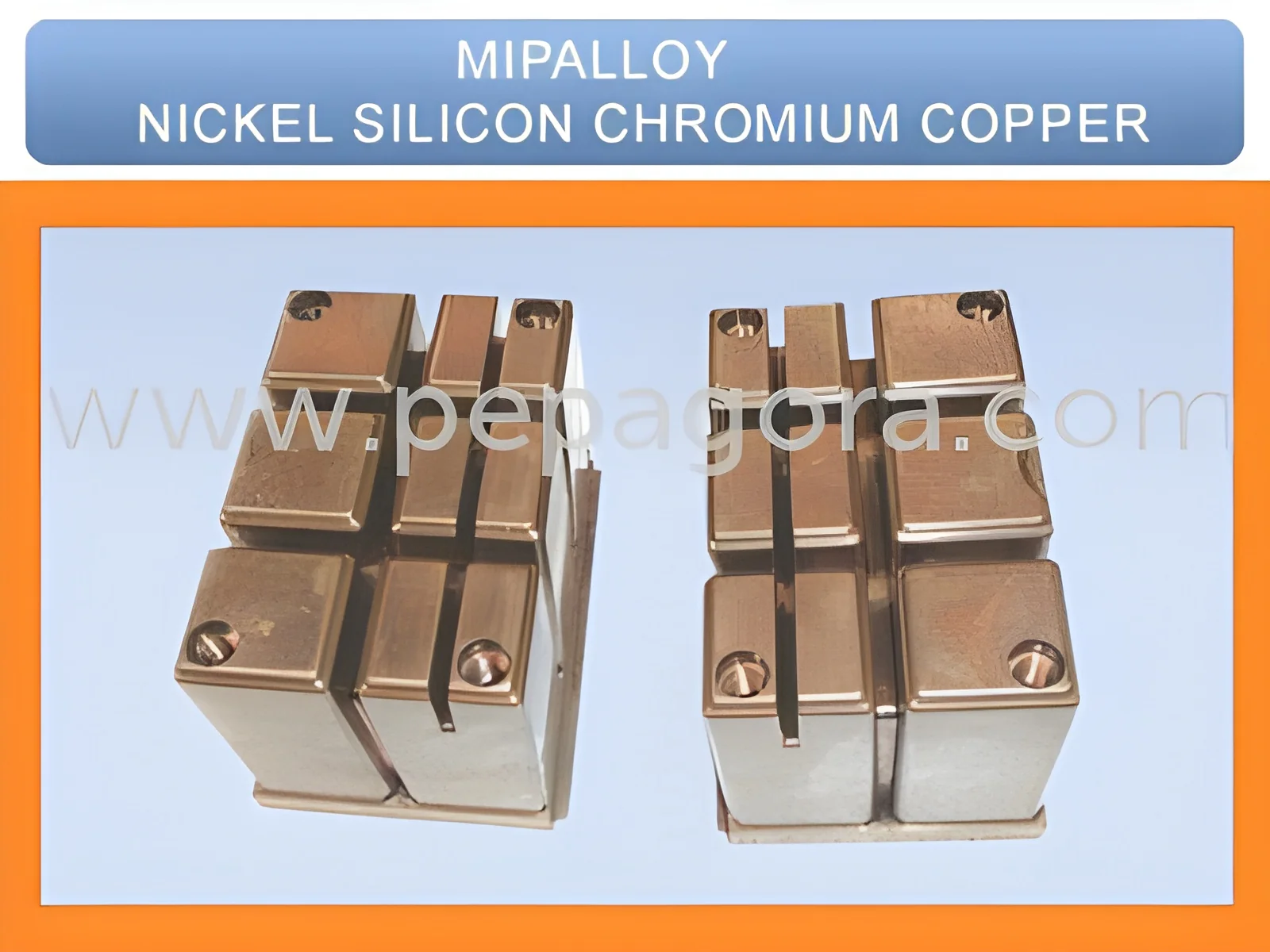
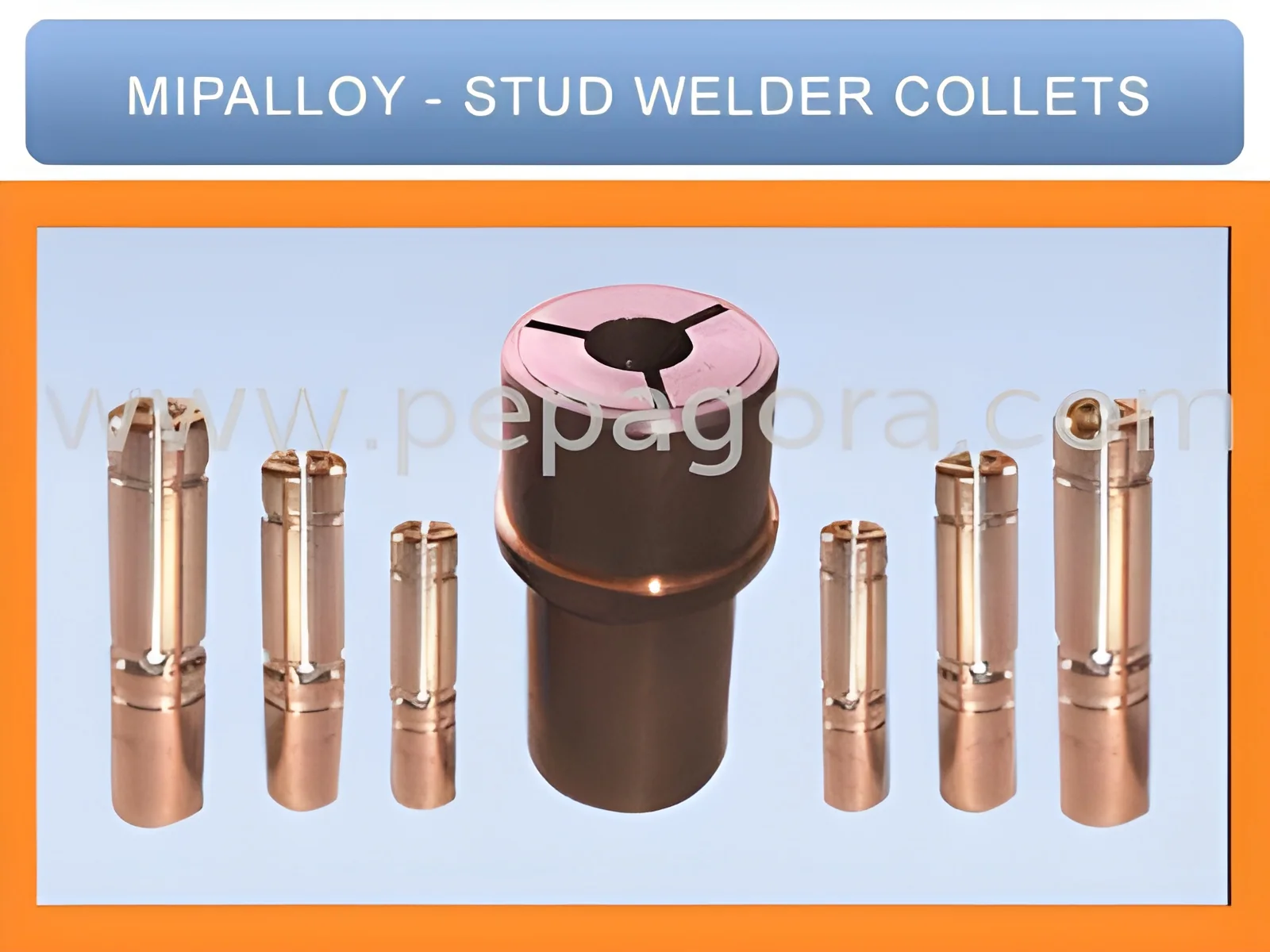
The industrial usage of Tungsten Copper alloy spans multiple sectors where reliability and performance under demanding conditions are essential. In electrical power distribution systems, it serves as crucial contact materials in circuit breakers, switches, and transformer tap changers operating across various environments including oil, gas, air, and vacuum conditions. Manufacturing industries utilize Tungsten Copper electrodes for electrical discharge machining applications where superior wear resistance and precise detail preservation are necessary for quality production. Electronics and computing sectors employ the alloy for advanced thermal management solutions in high-performance processors and power modules requiring efficient heat dissipation. Welding applications benefit from its implementation in resistance welding electrodes and die inserts, particularly for joining materials with challenging conductivity characteristics. Aerospace, automotive, and specialized industrial sectors also leverage Tungsten Copper for components requiring reliable thermal management and consistent electrical performance under extreme operational stresses.

Businesses selecting Tungsten Copper alloy gain substantial value through enhanced operational reliability, reduced maintenance requirements, and improved product performance longevity. The material's exceptional resistance to arc erosion and mechanical wear translates to extended service life for electrical components, minimizing operational downtime and replacement expenses. Its superior thermal management capabilities enable more compact and efficient electronic system designs while preventing performance degradation due to overheating. The material customization options allow manufacturers to precisely match material properties to specific application requirements, optimizing both performance characteristics and cost-effectiveness. Furthermore, the material's manufacturing consistency and quality assurance through controlled production processes provide confidence for critical applications where component failure carries significant consequences. This reliability establishes Tungsten Copper as a trusted solution for businesses prioritizing operational safety, long-term value, and consistent performance in their component selection decisions.

Key Features:
- Tungsten content adjustable from 50% to 90% by weight for specific application requirements
- Exceptional heat resistance capable of withstanding extreme thermal operating conditions
- Superior electrical and thermal conductivity for efficient energy transfer and heat management
- Excellent resistance to arc erosion and mechanical wear in high-stress environments
- Precision manufacturing through press-sinter-infiltration method ensuring consistent quality

Benefits:
- Extended component service life through superior wear and erosion resistance
- Enhanced thermal management preventing overheating in electronic systems
- Improved electrical performance with reliable conductivity under demanding conditions
- Reduced maintenance requirements and operational downtime
- Consistent quality and performance reliability for critical applications
Specifications
| Additional Information | |
|---|---|
| Country of Origin | India |
Application
Tungsten Copper alloy serves critical functions in high-stress electrical and thermal environments where failure is not an option. Its unique composition delivers exceptional arc erosion resistance, making it indispensable for electrical contacts in circuit breakers, switches, and transformer systems where operational reliability is paramount. The material's excellent thermal and electrical conductivity enables efficient heat dissipation in advanced computing systems and power electronics, preventing overheating while ensuring stable performance across demanding industrial conditions.
Manufacturers value Tungsten Copper for its consistent performance and adaptable properties, with tungsten content adjustable from 50% to 90% by weight. This flexibility allows precise tuning of material characteristics for specific applications, whether requiring enhanced wear resistance for precision machining or improved conductivity for welding operations. The controlled press-sinter-infiltration manufacturing process ensures uniform quality and reliable performance, making it suitable for operation in oil, gas, air, and vacuum environments across various industrial sectors.
- Electrical contact materials for circuit breakers and power switches requiring superior arc erosion resistance
- EDM electrodes for precision machining applications with excellent wear resistance and detail preservation
- Resistance welding electrodes and die inserts for joining materials with low conductivity characteristics
- Heat sinks for high-performance computing processors and power electronics thermal management
- Arc runners and arcing tips in electrical switching devices operating in various environmental conditions
Trade Details
| Available Stock | In Stock |
| Sample Availability | No |
Payment Terms
| Payment Terms |
|
Company Profile
Mipalloy, Tamil Nadu
 Tamil Nadu, India
Tamil Nadu, IndiaIndustrial Equipment & Machinery•Manufacturer•Trading Company•Importer / Exporter
Factory Details
Factory SizeBelow 1000 sqm
Annual Production Capacity0
Industrial Tungsten Copper Alloy For Electrical Contacts And Heat Sinks
Industrial Tungsten Copper Alloy combines tungsten's heat resistance with copper's conductivity for electrical contacts, EDM electrodes, and heat sinks. With 50-90% tungsten content, it delivers reliability for demanding industrial applications requiring superior performance.
Min. Order Quantity: 1 unit
Shipping
Shipping fee and delivery date to be negotiated. Contact supplier now for more details.
Mipalloy
 Tamil Nadu, India
Tamil Nadu, IndiaIndustrial Equipment & MachineryManufacturer