IN
IN₹
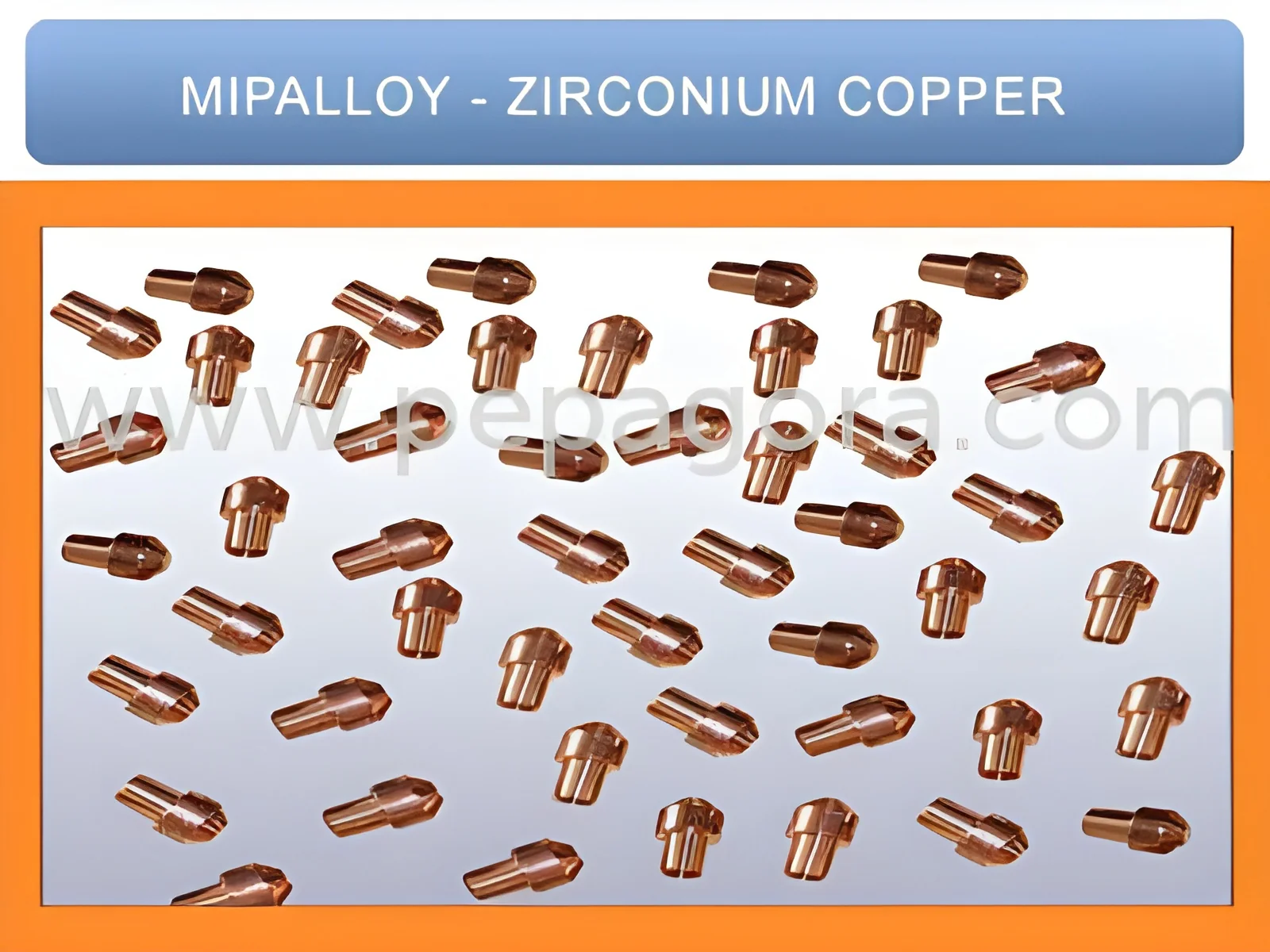
Description
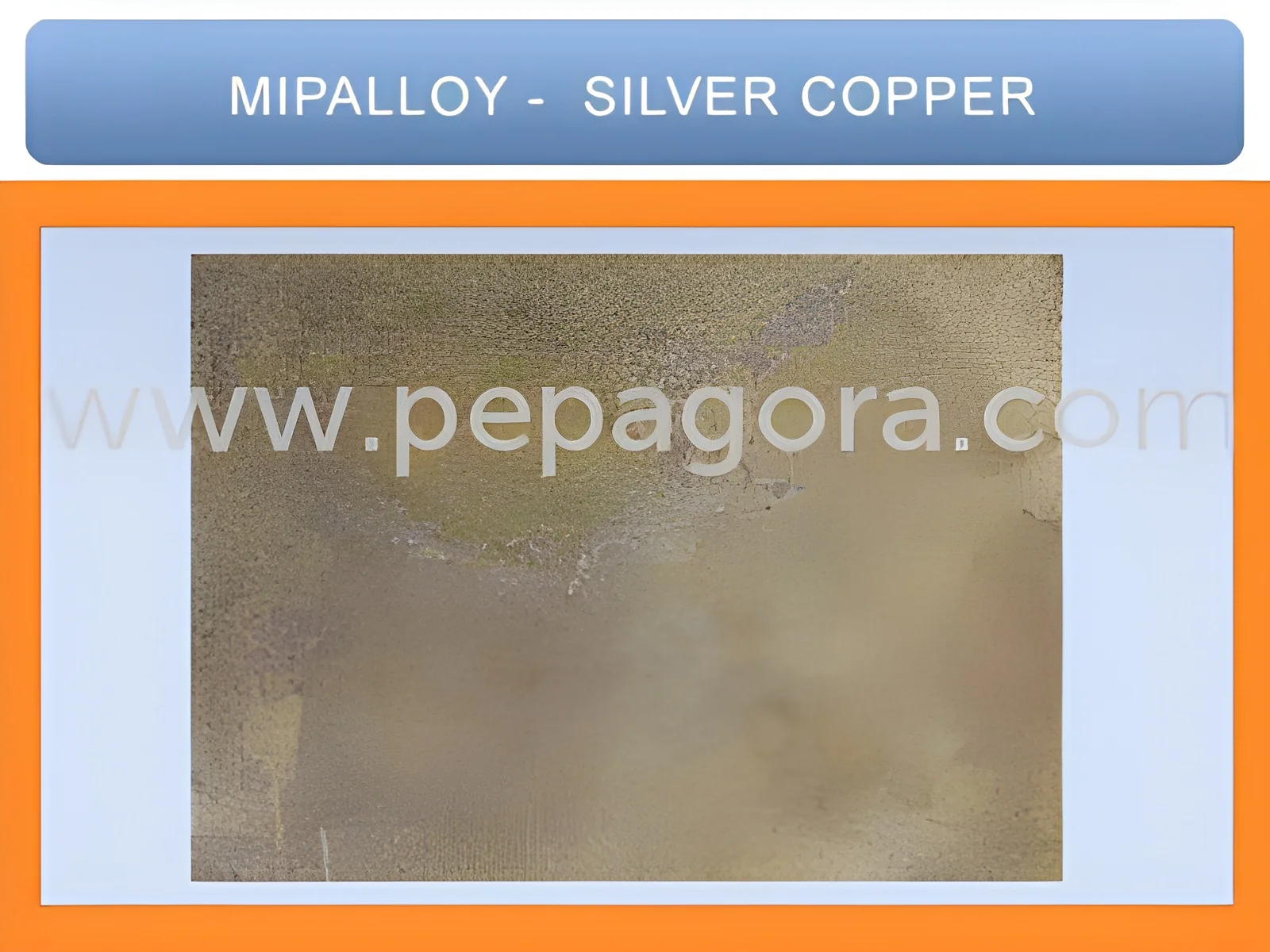
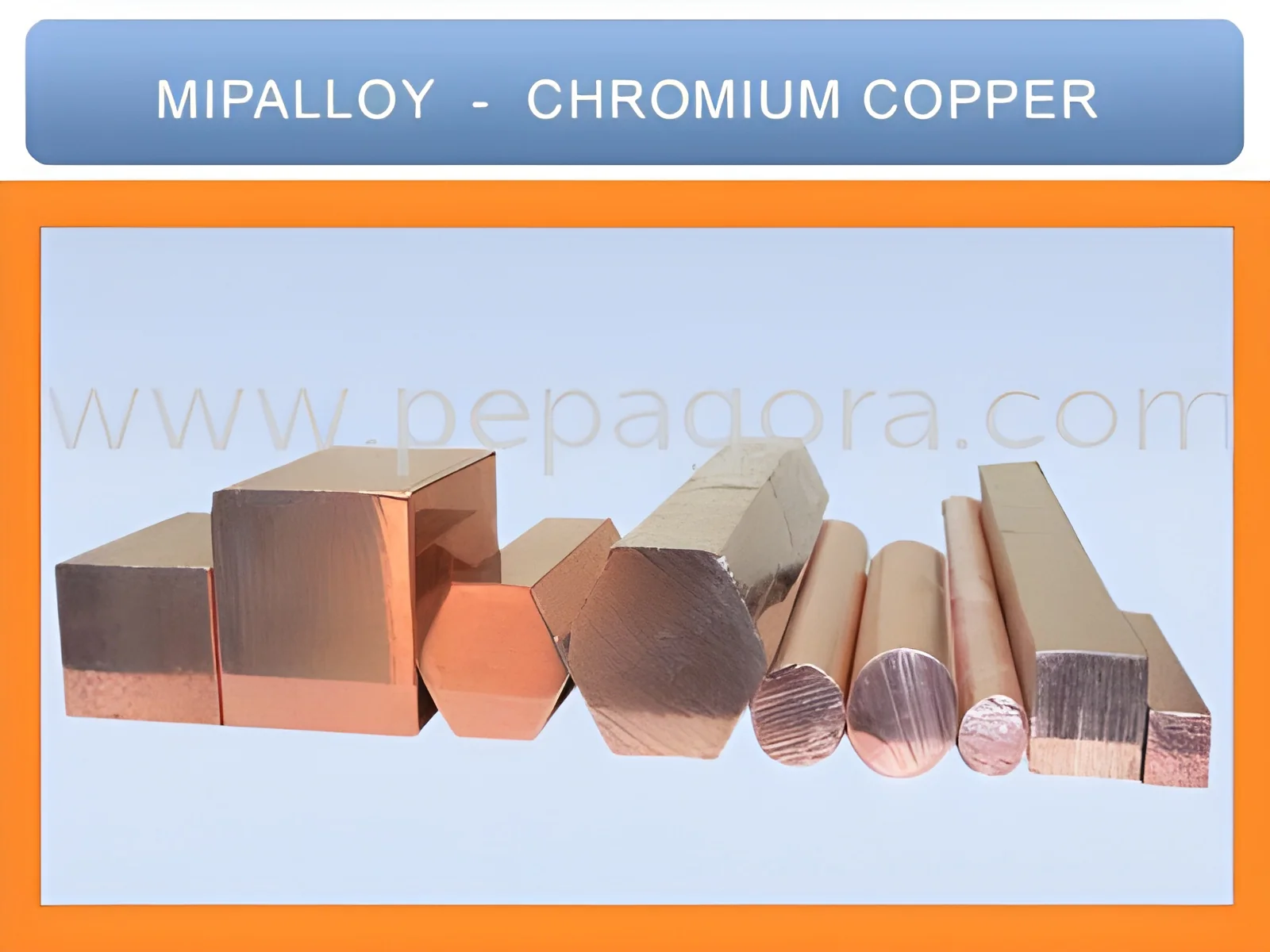
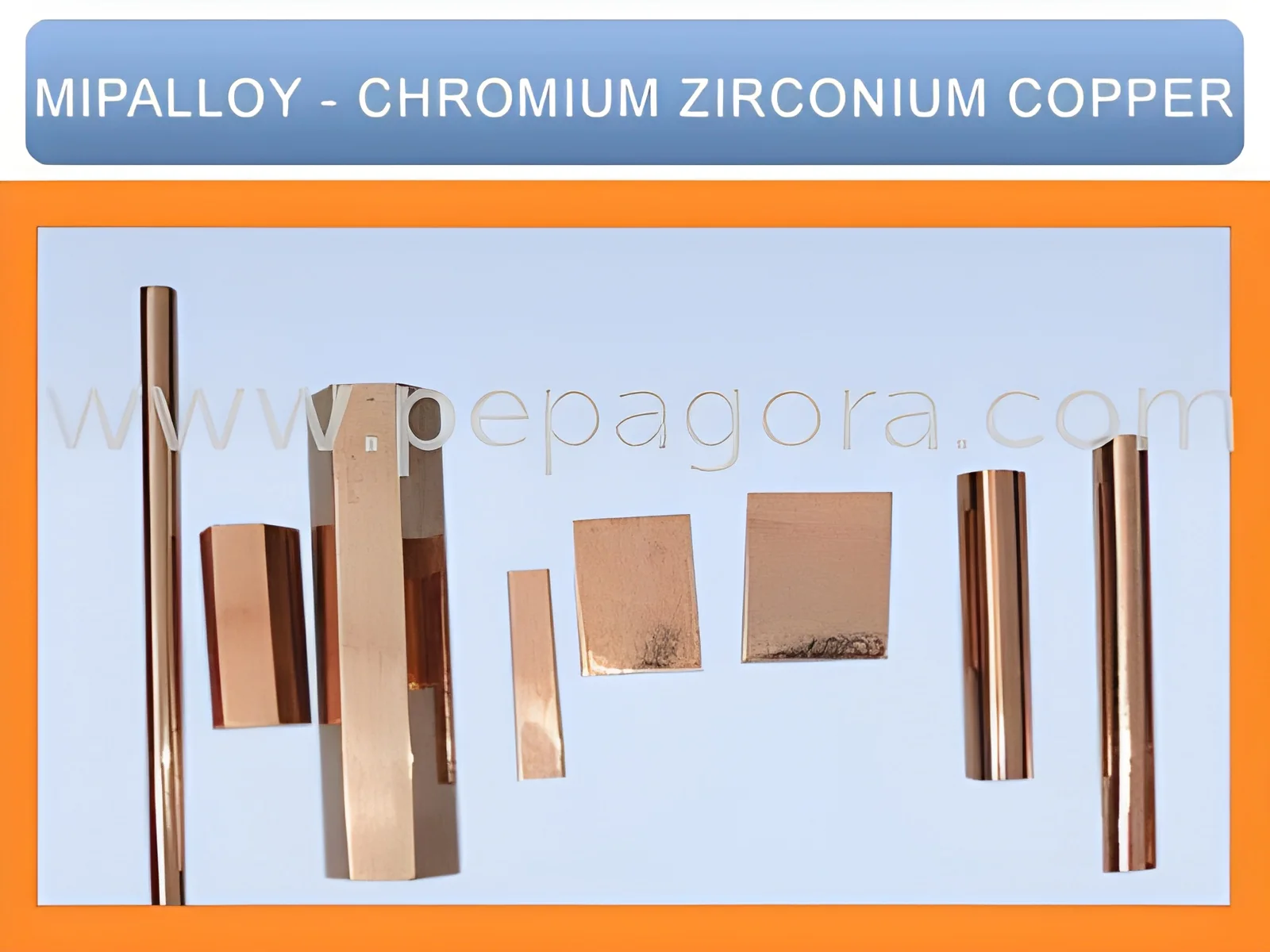
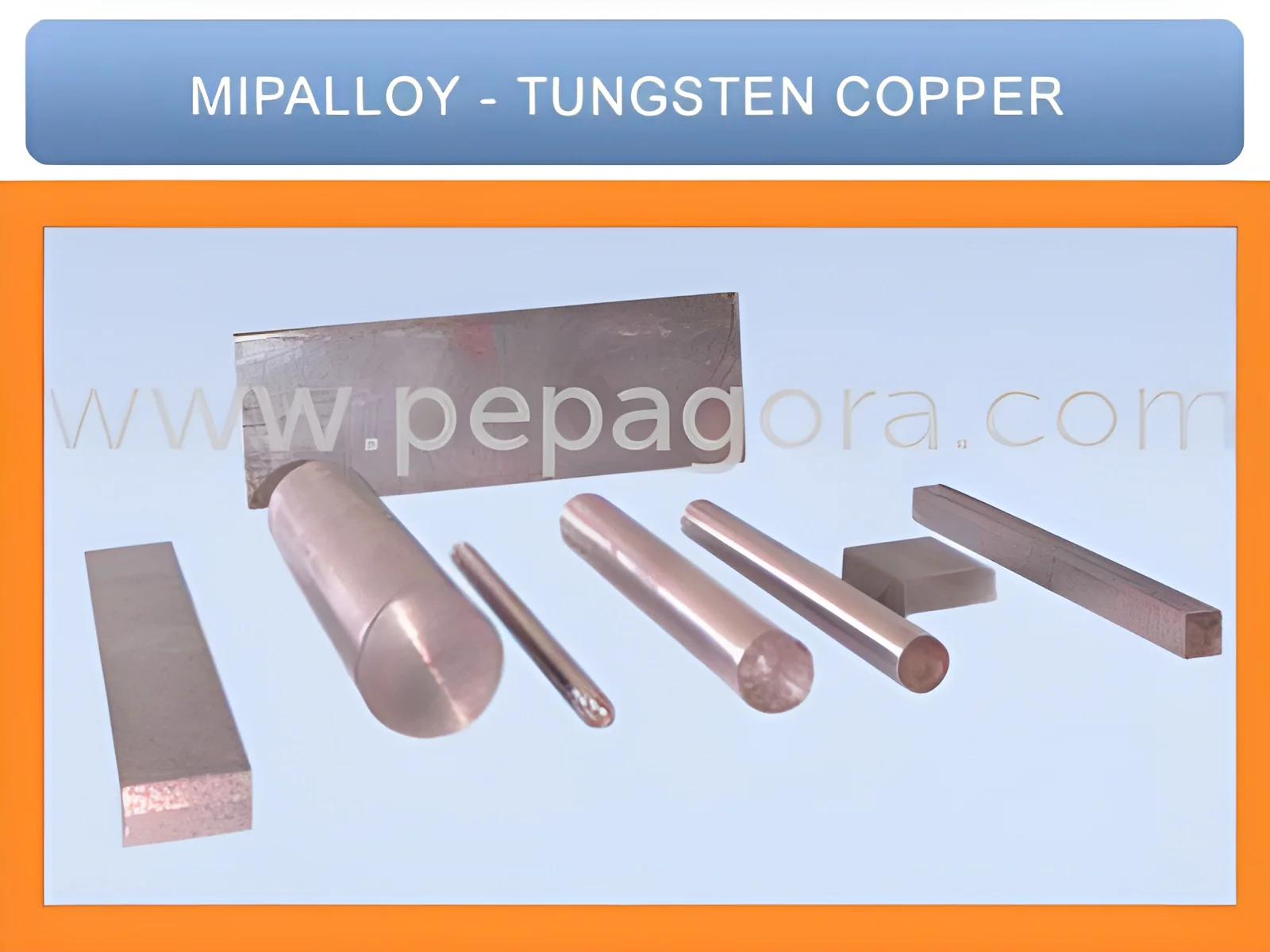
Zirconium copper alloy represents a significant advancement in copper technology, overcoming the limitations of pure copper while preserving essential conductive properties. Through precise zirconium addition, this alloy achieves remarkable improvements in mechanical strength and thermal stability without substantially compromising electrical conductivity. The result is a material that maintains excellent performance under extreme conditions where pure copper would soften and fail, making it indispensable for industrial applications demanding both conductivity and durability under thermal stress.

This premium alloy finds extensive application across multiple high-performance industries including automotive manufacturing, aerospace engineering, power generation, and electronics production. In automotive sectors, it serves as primary material for resistance welding electrodes that withstand constant thermal cycling. Aerospace manufacturers utilize zirconium copper for critical electrica...
Zirconium copper alloy represents a significant advancement in copper technology, overcoming the limitations of pure copper while preserving essential conductive properties. Through precise zirconium addition, this alloy achieves remarkable improvements in mechanical strength and thermal stability without substantially compromising electrical conductivity. The result is a material that maintains excellent performance under extreme conditions where pure copper would soften and fail, making it indispensable for industrial applications demanding both conductivity and durability under thermal stress.

This premium alloy finds extensive application across multiple high-performance industries including automotive manufacturing, aerospace engineering, power generation, and electronics production. In automotive sectors, it serves as primary material for resistance welding electrodes that withstand constant thermal cycling. Aerospace manufacturers utilize zirconium copper for critical electrical components that cannot fail under extreme temperatures. Power generation facilities rely on it for bus bars and switchgear handling massive electrical loads while maintaining operational safety and efficiency in demanding conditions.

The business value of zirconium copper lies in its exceptional reliability and long-term cost efficiency. While initial investment may be higher than standard copper, extended service life and reduced maintenance requirements deliver substantial ROI through minimized downtime and replacement costs. Manufacturers benefit from consistent quality batch after batch, ensuring predictable performance in critical applications. The material's resistance to deformation under heat translates to more consistent production quality and fewer rejects in manufacturing processes, making it a strategic choice for businesses prioritizing operational excellence and product reliability.

Key Features:
- High softening temperature up to 500°C for thermal stability
- Maintains excellent electrical conductivity comparable to pure copper
- Enhanced mechanical strength and hardness for durability
- Fine grain structure for consistent performance
- Premium quality material with reliable batch-to-batch consistency

Benefits:
- Extended service life in high-temperature applications
- Reduced maintenance and replacement costs
- Consistent performance under thermal stress
- Improved manufacturing efficiency and fewer rejects
- Long-term cost savings through durability and reliability
Specifications
| Additional Information | |
|---|---|
| Country of Origin | India |
Application
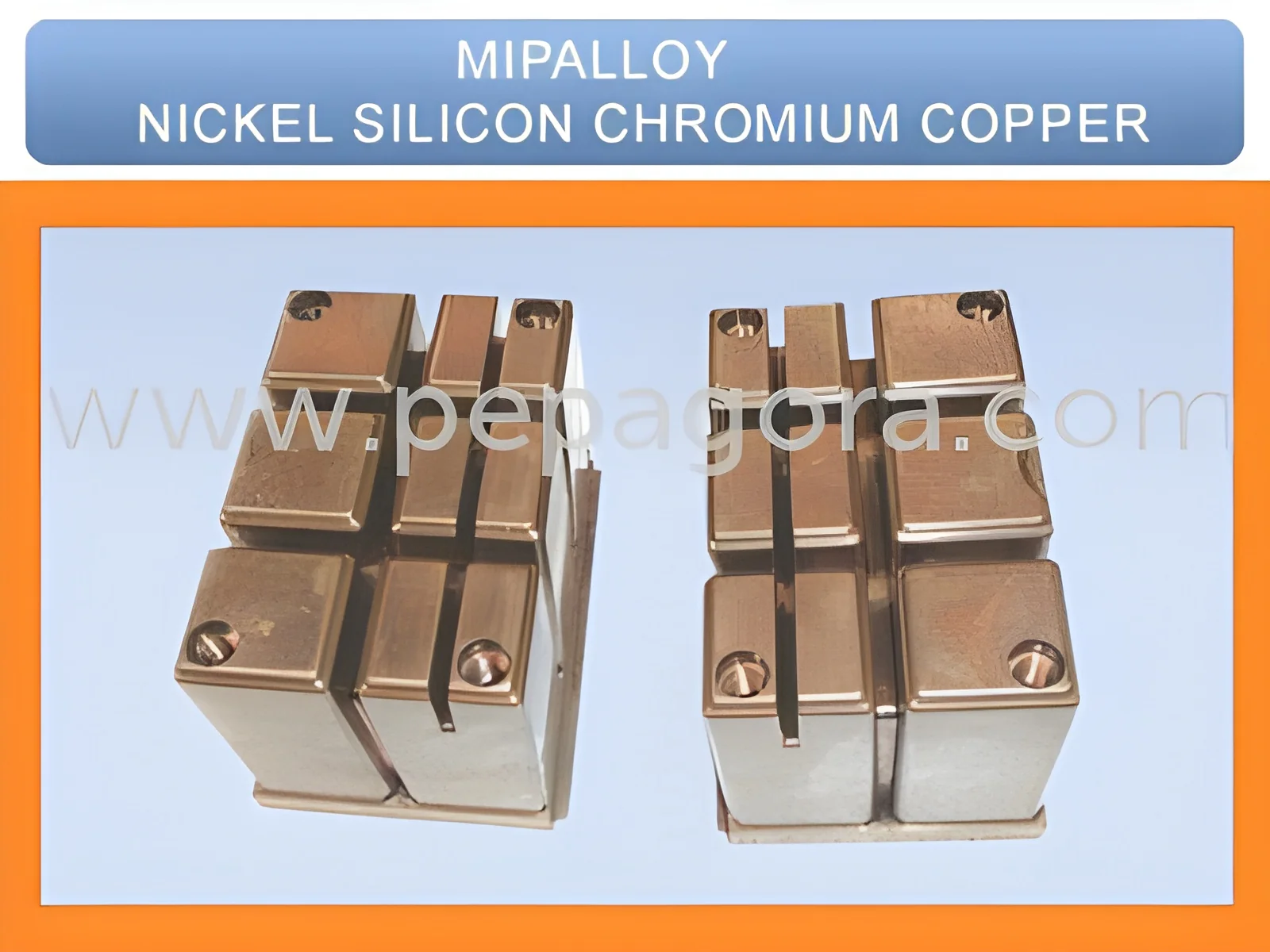
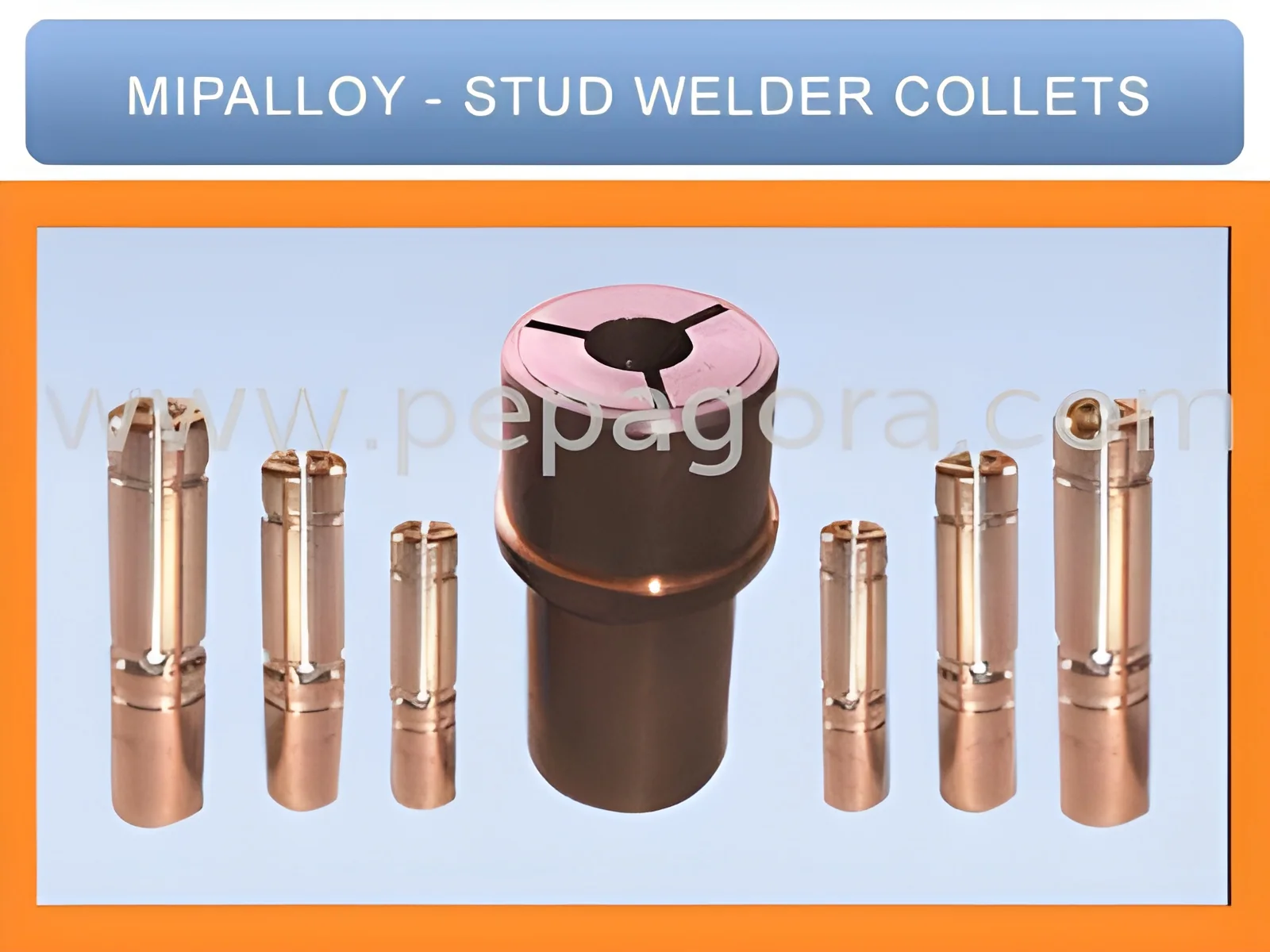
Zirconium copper alloy excels in demanding electrical and thermal applications where standard copper cannot perform. Its enhanced strength and resistance to softening at elevated temperatures make it ideal for heavy-duty welding electrodes, high-current bus bars, and electrical contacts requiring durability under continuous operation and thermal cycling conditions.
This advanced material serves critical functions across aerospace, automotive manufacturing, power distribution, and electronics industries. It is the preferred choice for resistance welding tips, switchgear components, and heat exchanger parts where thermal stability and conductivity are essential for operational safety, efficiency, and long-term reliability in challenging environments.
- Resistance welding electrodes for automotive assembly lines
- High-conductivity bus bars in power distribution systems
- Electrical contacts and connectors in industrial switchgear
- Heat exchanger components in energy generation systems
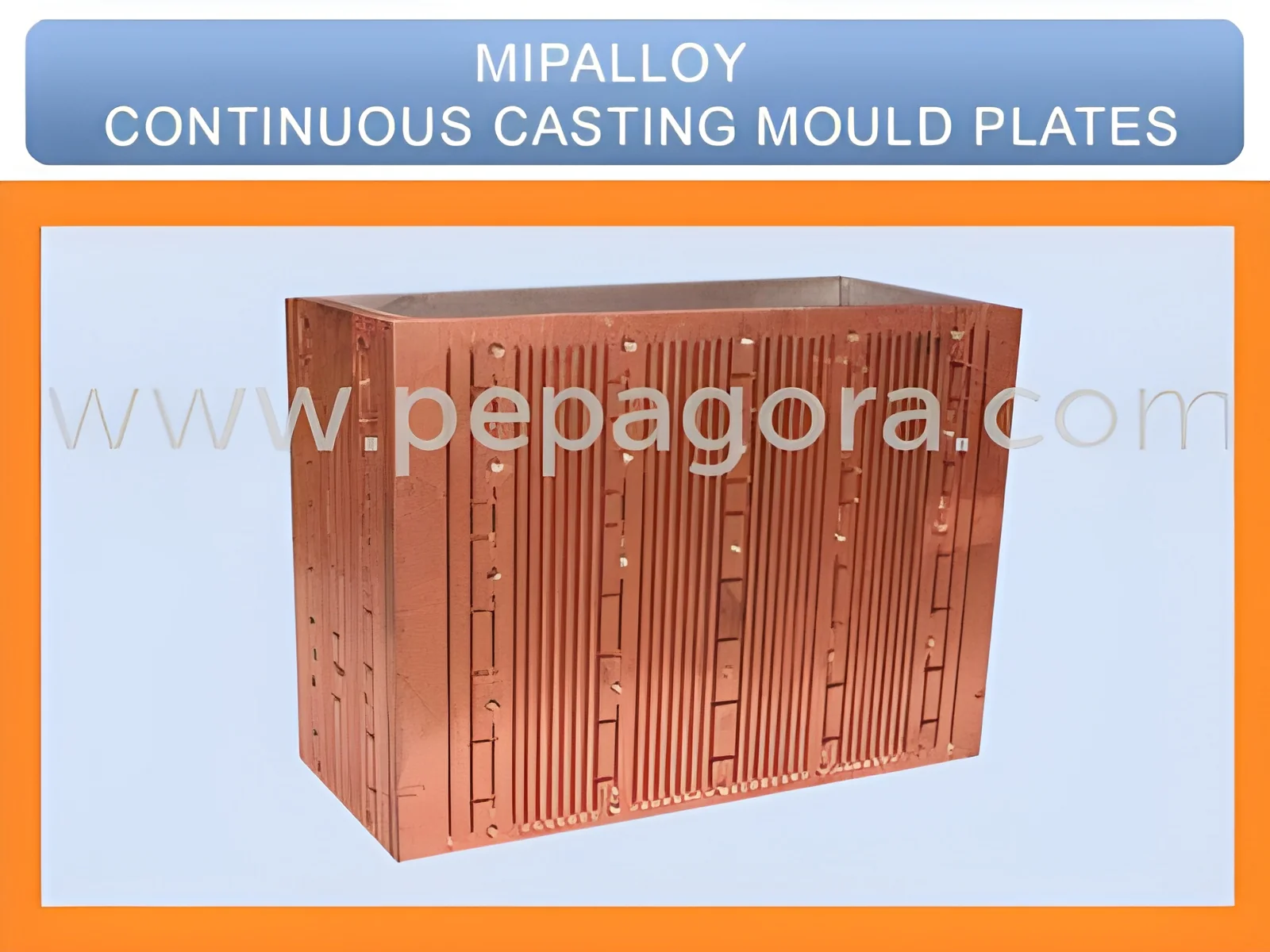
- Forging dies and molds requiring thermal resistance
Trade Details
| Available Stock | In Stock |
| Sample Availability | No |
Payment Terms
| Payment Terms |
|
Company Profile
Mipalloy, Tamil Nadu
 Tamil Nadu, India
Tamil Nadu, IndiaIndustrial Equipment & Machinery•Manufacturer•Trading Company•Importer / Exporter
Factory Details
Factory SizeBelow 1000 sqm
Annual Production Capacity0
Industrial Zirconium Copper Alloy High Strength Electrical Conductivity
Industrial zirconium copper alloy delivers superior strength and high softening temperature up to 500°C while maintaining excellent electrical conductivity for welding electrodes and high-performance electrical components.
Min. Order Quantity: 1 unit
Shipping
Shipping fee and delivery date to be negotiated. Contact supplier now for more details.
Mipalloy
 Tamil Nadu, India
Tamil Nadu, IndiaIndustrial Equipment & MachineryManufacturer